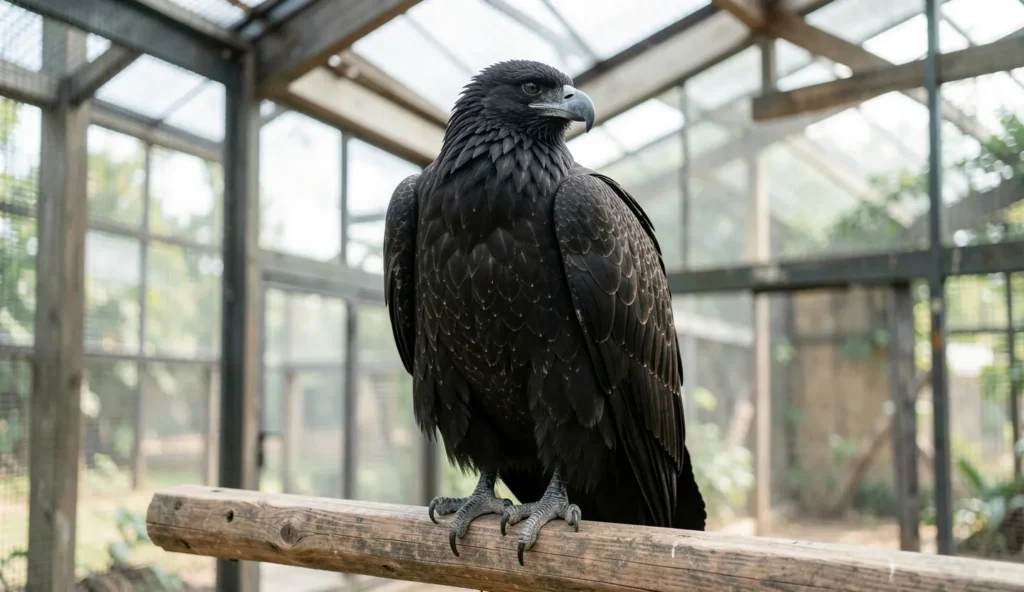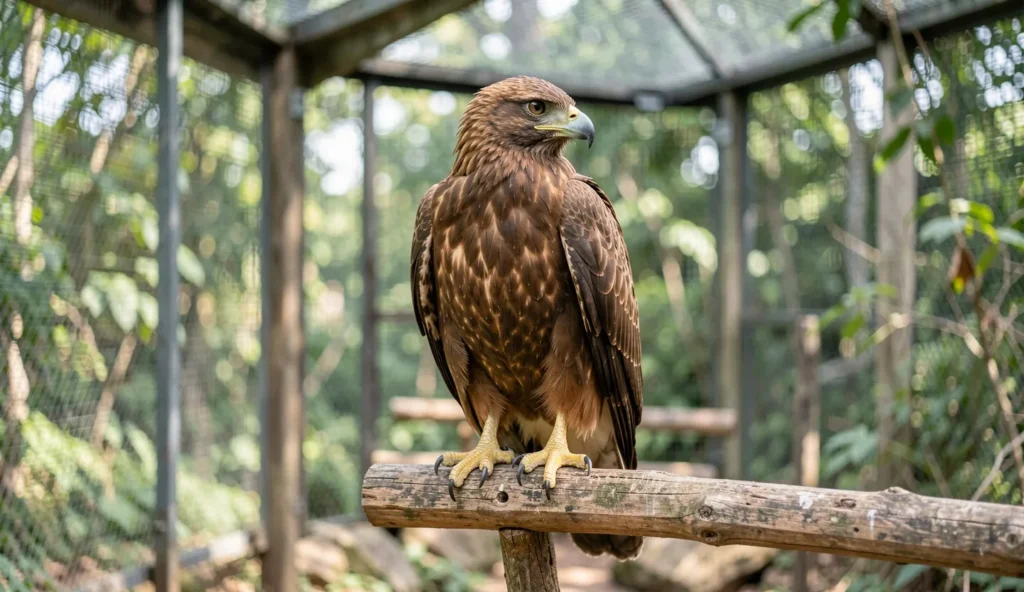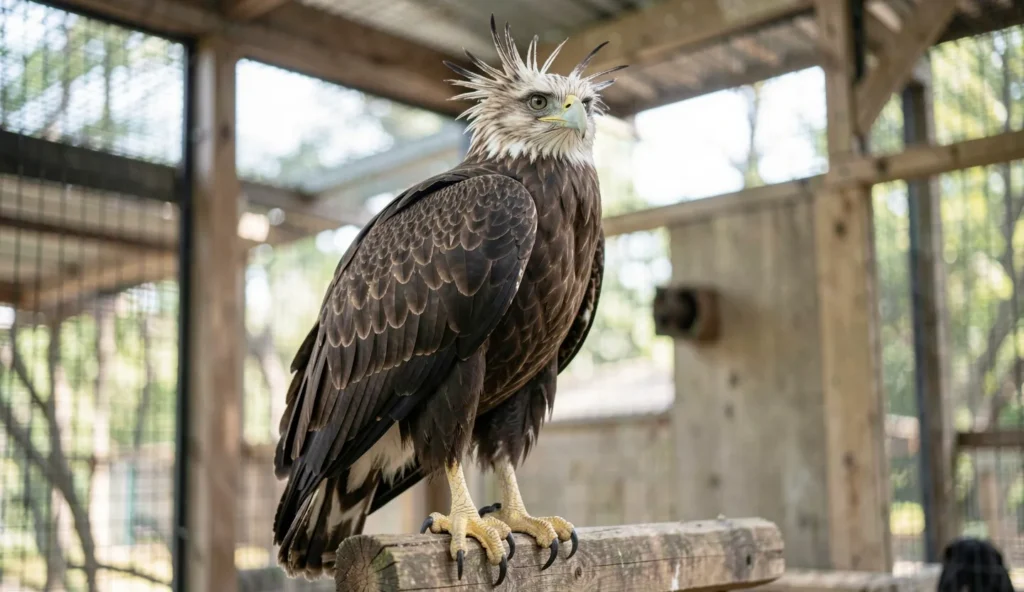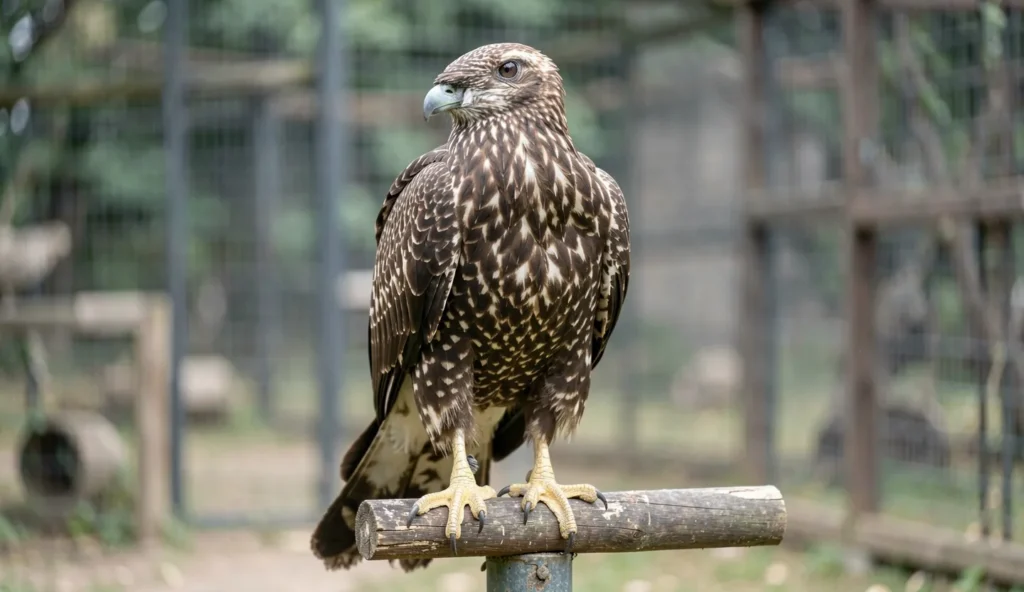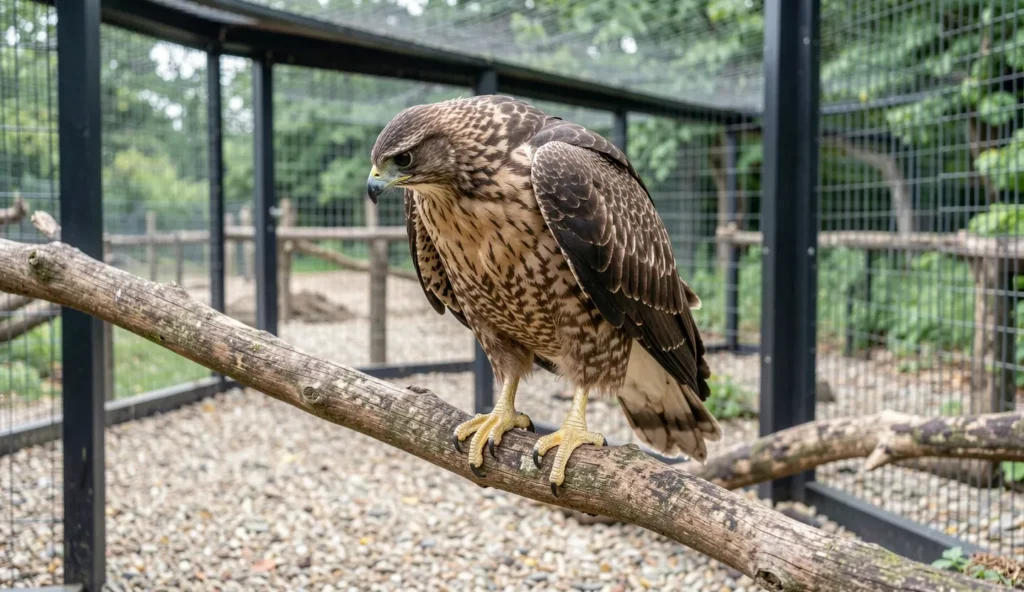
What Is A Short Toed Snake Eagle
The Short Toed Snake Eagle is a European raptor specialized for hunting reptiles, especially snakes. It evolved a hunting method that depends on strong vision, quick foot action, and prey handling skills. Because it is a wildlife raptor rather than a typical pet bird, captive care demands advanced planning and consistent prey access.
Unlike many generalist birds of prey, the Short Toed Snake Eagle focuses heavily on one main food category. That specialization strongly shapes housing, feeding routines, and health monitoring. For keepers who already manage demanding raptors, this diet-driven care pattern can be challenging but also very structured.
Species Overview And Where It Lives
This snake eagle species occurs across parts of Europe, using open areas and edges where prey movement remains visible. It hunts from elevated points and uses scanning behavior to locate targets. In many regions, the bird’s lifestyle stays closely tied to reptile abundance.
Because this species evolved for wild conditions, captivity rarely matches the full range of natural hunting patterns. Keepers should expect a bird that responds quickly when prey appears and stays alert during feeding windows. People often compare behavior with other raptors, but the feeding dependency remains the key difference.
For example, an active eagle species like the White-tailed Eagle can show different daily pacing because its diet and hunting style vary. Still, both species highlight why European raptor management must prioritize safety and predictable routines.
Why Its Diet Makes Captive Care Difficult
The Short Toed Snake Eagle diet relies mainly on snakes, which changes feeding logistics from day one. In captivity, feeding requires access to suitable prey that matches size and condition. Even when prey is available, refusal can happen when prey appears unfamiliar.
Additionally, individuals may reject prey that does not look and feel like their established items. Thawed snakes can be accepted by some birds, yet many need gradual transitions. This makes feeding consistency and monitoring essential for short toed eagle care planning.
When a bird declines a meal, the underlying cause may include stress, improper prey presentation, or health changes. Therefore, keepers must treat feeding attempts as data, not as a simple success or failure event.
Appearance And Identifying Features
Accurate ID matters because housing and handling decisions depend on the bird’s size and anatomy. The Short Toed Snake Eagle typically shows a compact raptor silhouette with a head that stays easy to track when scanning. Body proportions influence perch spacing and the force needed to support safe footing.
During molting, feather appearance can shift and make the bird look different from photos taken at another time. That variability means keepers should focus on stable physical traits and behavior rather than on short-term color changes.
Typical Size And Build
Raptor size affects how much space perching systems provide and how the bird uses branches or platforms. A snake-focused hunter often spends time in a scanning posture, which increases the need for safe head-turn clearance. Enclosure layout should avoid tight corners that limit movement.
Stable footing matters because strong talons still rely on grip. If the perch surface becomes too slick, the bird may slip during approach and grasping. Good short toed eagle care includes preventing footing problems before they develop.
Plumage Colors And Field Marks
Plumage can show brown and buff tones with individual variation across birds. Some birds display stronger contrast on the head and upper parts, while others look more uniform. Molting can temporarily blur these field marks, which can confuse comparisons to older images.
Handling should adapt during feather change because pin feathers may make the bird more sensitive. Keepers should plan for gentler handling and reduce noise when the bird appears reactive. This approach supports calmer behavior around feeding days.
Talons And Beak Characteristics For Snake Handling
Strong feet and grasping mechanics support prey capture, and talons can penetrate slippery targets effectively. That same strength can also increase injury risk for keepers during close handling attempts. Stress can worsen this because a reactive bird may clamp down unexpectedly or reposition quickly.
Therefore, equipment choice and handling posture matter. A calm bird typically holds a steadier stance and makes routine checks safer. This is a key reason snake eagle species management differs from general captive bird handling.
Some keepers study similar raptor mechanics in other species to understand talon use, such as how the Eurasian Eagle-Owl relies on different body angles and hunting posture. Still, the grasping risk during snake meals remains unique to this category of snake-eating eagles.
Temperament And Daily Behavior
Daily behavior provides early clues about stress, appetite, and comfort with routines. The Short Toed Snake Eagle often shows high attentiveness during feeding windows and a consistent pattern of scanning between events. That responsiveness does not automatically mean the bird tolerates handling well.
Instead, temperament management should focus on predictability, low-variance routines, and safe handling procedures. Keepers who expect a quiet animal can still be surprised by sudden alert postures when prey is present.
Hunting Instincts And Feeding Response
Hunting instinct drives pacing and alert posture, especially when prey is nearby. Many birds vocalize, shift their body position, or move more quickly once prey appears. Enclosure design should support this energy by giving safe perches at different heights.
Feeding response also affects training quality for husbandry tasks. For example, if cleaning and weighing happen during peak excitement, the bird may associate those events with stress. Therefore, routine timing often needs fine adjustment over weeks.
Stress Signals And When To Stop Handling
Fear or overload can show through tail and wing tension, sudden jerking movements, defensive vocalizing, and attempts to avoid contact. If the bird shows repeated avoidance or clamped posture, handling should stop immediately. Then the enclosure environment should return to calmer baseline conditions.
Stress can also lead to unsafe claw wear or minor injuries, especially if the bird struggles on perches. When stress increases, appetite may drop later, even if prey was offered successfully at first. This pattern means short toed eagle care must connect behavior observations with feeding outcomes.
- Sudden freezing followed by rapid escape attempts
- Hard staring plus repeated steps that do not settle
- Hunched posture with tight feather control
- Refusal behaviors during approach to feeding area
Pairing And Social Housing Limits
Many raptors stay best managed individually because feeding focus can trigger competition. Compatibility depends on sex, age, prior training, and enclosure design. Even two calm birds can become unpredictable around prey delivery.
For that reason, short toed eagle care usually favors single-bird housing unless a specialist team can manage compatibility testing safely. If social housing is attempted, it should follow a structured plan with separate feeding access. In most cases, the highest priority stays safety and stable feeding acceptance.
Keepers sometimes compare social patterns by looking at other European raptor species, like the Wedge-tailed Eagle, but social triggers differ across diets and hunting routines. The Short Toed Snake Eagle still needs careful prey management as the primary behavior driver.
Housing Essentials For An European Raptor Specialist
Housing works best when it supports scanning, safe perching, and predictable feeding access. Because the Short Toed Snake Eagle hunts and grasps slippery prey, the enclosure must reduce slip risk and simplify safe cleanup. The goal stays consistent stability during active periods.
Snake-focused feeding also means the enclosure must handle mess management and allow quick access for safe intervention if a refusal or injury occurs. This is a major difference between general bird enclosures and snake eagle species housing.
Enclosure Size Layout And Perching
Perches should vary by height to support natural scanning from multiple angles. The bird often uses elevated views to locate prey, so enclosure layout should encourage that behavior. Stable footing reduces slips, especially when the bird becomes excited at meal time.
Perch surfaces should provide grip and avoid materials that become slick from cleaning residues. Spacing matters too, since the bird may stretch during grasping practice and approach. Keepers should choose perch diameters that match the bird’s grip comfort and body size.
Flight Space And Enrichment Planning
Flight opportunities help maintain muscle health and reduce stress from underuse. Enrichment should support foraging-like scanning and targeted movement rather than random play. When enrichment competes with feeding response, appetite routines can become harder to manage.
Safe enrichment options typically include naturalistic scanning areas, varied perch placement, and controlled visual stimulation. However, any item that changes footing traction should be avoided. The best enrichment plan supports activity but does not distract from meal timing.
Some keepers study enclosure planning in other raptors such as the Golden Eagle to understand how flight access shapes behavior. The Short Toed Snake Eagle still requires tailored feeding access and cleaning plans for snake prey.
Safety Measures For Strong Talons And Slippery Prey
Secure doors, latches, and barriers reduce escape risk during feeding and cleaning. Snake prey can move quickly, and the bird may lunge with talons before it settles. Feeding access should protect both the bird and the keeper from sudden contact.
Feeding methods should minimize the time the bird spends struggling near the enclosure front. If prey bites back or writhes unpredictably, the bird may pull in a way that increases injury risk. Nonporous surfaces help cleaning after snake meals and reduce residue that can affect grip.
Temperature Lighting And Seasonal Routines
Temperature affects digestion and activity levels, so enclosure conditions should support steady metabolism. Lighting schedules help maintain circadian rhythm and support predictable daily behavior. For many raptors, seasonal daylight changes require careful adjustment rather than abrupt switches.
In winter, warming strategies should avoid hot spots near perches where the bird may overheat. In summer, ventilation and shade placement protect the bird from stress. Because digestive performance depends on stable conditions, short toed eagle care should monitor changes closely during seasonal shifts.
Owners sometimes compare seasonal management logic with other species, such as how the Martial Eagle may require careful heat management in active periods. Still, the snake meal schedule can be the most sensitive variable for the Short Toed Snake Eagle.
Diet And Feeding Requirements For A Snake Hunter
The feeding system determines success for a specialist predator. The Short Toed Snake Eagle mainly eats snakes, so the care plan must treat diet as a primary health factor, not a background routine. When prey access or acceptance fails, weight and digestion commonly suffer.
Because feeding in captivity can be challenging, keepers should prepare for a structured approach: prey sourcing, presentation, timing, and monitoring. This section focuses on practical guidance for experienced bird keepers who already understand raptor handling basics.
Primary Diet Focus On Snakes
Snakes form the main food source and prey size should match the bird’s body size and age. If prey items are too large, the bird may struggle to swallow and may suffer from digestive stress. If prey is too small, the bird may not reach a stable maintenance intake.
Freshness affects acceptance, since some birds reject prey that lacks expected movement cues. Prey procurement must therefore consider both safety and presentation quality. A stable prey pattern supports better routine feeding and clearer monitoring.
Prey Procurement And Food Consistency
Reliable access to suitable snake prey requires planning and consistent quality control. Keepers should avoid introducing unknown prey sources that may carry contamination risks. Consistency also includes repeating prey type and size until acceptance remains steady.
When switching prey, gradual changes usually work better than sudden substitutions. Veterinary guidance can help determine whether the current diet matches the bird’s condition. This is especially relevant because the snake eagle species often shows visible appetite changes when diet shifts.
For keepers who also manage snake species, an overview like Rat Snake care basics can help clarify typical feeding and handling considerations for the prey itself. That background supports safer storage and reduces contamination risk, which indirectly supports the bird’s digestion.
Feeding Schedule And Portion Timing
Feeding frequency depends on age, body condition, and veterinarian advice, rather than one fixed number. Many raptors follow a pattern based on daily activity and metabolic needs, so timing should align with calm periods. If feeding happens during high stress or immediately after loud handling, refusal becomes more likely.
Portion timing should also consider the bird’s digestion cycle. Feeding too soon after intense activity can create discomfort and may reduce appetite later. For experienced keepers, tracking body weight trends helps fine-tune schedule and portion sizes.
How To Transition And Monitor Food Acceptance
Acceptance may require a gradual transition process, especially when prey presentation changes. Keepers should track intake, droppings quality, and weight trends after each adjustment. If prey is refused, the bird may still show normal behavior in other parts of the day.
Refusal can signal stress, temperature issues, pain, or a sensory mismatch with expected prey cues. Because the Short Toed Snake Eagle relies on snakes primarily, persistent refusal needs prompt veterinary evaluation. Monitoring should happen continuously, not only at feeding time.
Supplements And When They Are Needed
Supplement needs depend on prey quality and the feeding method used. Generic dosing can fail because prey nutrient profiles vary by species, size, and source. Therefore, supplements should follow veterinary-led guidance after baseline health assessment.
Signs of imbalance can include persistent weight loss, changes in feather quality, and overall weakness. Still, these signs can overlap with stress or illness, so evaluation must not guess. A structured approach protects the bird and makes short toed eagle care more predictable.
When planning prey that has its own health considerations, learning from prey-species husbandry can help. For example, Eastern Indigo Snake captive care knowledge can improve understanding of prey handling and quality factors that affect how the eagle reacts to meals.
Handling Training And Health Care For Keepers
Handling and health care need to match the species’ diet and stress sensitivity. The Short Toed Snake Eagle can become defensive if stressed, and feeding sessions add additional risk from talons and prey movement. Safe procedures should support both the bird’s welfare and keeper safety.
Training should also support daily husbandry, not just recall or target responses. Clean handling reduces stress and improves the accuracy of weigh-ins and basic health checks.
Handling Rules And Safety Procedures
Gloves and purpose-built equipment reduce injury risk during routine handling. Quiet handling usually lowers stress and helps prevent sudden clamping. Keepers should maintain a consistent schedule for weighing and examinations to avoid confusing the bird.
During exams, handling should be minimal and purposeful, especially around wings and feet. Stress can increase claw wear or lead to minor injuries on perches. This risk grows when handling happens during peak excitement or after prey refusal.
Basic Training For Husbandry Routines
Training can support safe moving for cleaning, weighing, and health checks. Simple target-based approaches can reduce handling time by letting the bird approach voluntarily. Routine training should happen during calm periods and never replace careful feeding management.
The main goal stays stable body control for exams and safe transitions between perches. When training routines compete with feeding acceptance, the bird may show greater refusal or avoidance. Therefore, training plans must protect meal timing and reduce stress.
Common Health Issues Related To Diet And Stress
Digestive problems can appear after prey changes, especially when prey size or freshness changes quickly. Poor body condition can result from inconsistent feeding or long refusal periods. Stress-related issues may show up as reduced appetite, restless pacing, or posture changes that do not settle.
Because this European raptor specialist depends on snakes, health issues can progress faster than in birds on more flexible diets. Keepers should therefore treat appetite changes as early warning signs, not as normal behavior variation.
- Weight loss after prey transitions or presentation changes
- Loose droppings after unfamiliar prey or large portions
- Reduced appetite linked to stress spikes
- Feather wear or foot abrasions from repeated slipping
Veterinary Care And Monitoring Practices
Regular veterinary screening should include general health checks and fecal evaluation when appropriate. Monitoring should track weight trends, hydration status, and feather or skin condition. If the bird shows rapid changes after feeding attempts, that pattern usually needs evaluation.
Keeping detailed notes helps identify which variable changes first, such as temperature, prey type, or handling timing. This supports faster diagnosis and better diet planning. For the Short Toed Snake Eagle, consistent monitoring often prevents small issues from becoming major setbacks.
Is A Short Toed Snake Eagle Right For You
The Short Toed Snake Eagle suits experienced keepers who already manage birds of prey and can handle diet specialization. The key requirement remains reliable snake procurement and safe enclosure design for active prey handling. If prey access becomes inconsistent, the bird’s health can shift quickly.
Therefore, decision-making should focus on practical feasibility rather than enthusiasm for a rare species. Advanced keepers also need a plan for stress management and veterinary support that can respond to diet-related issues.
Keeper Requirements And Experience Level
This species demands experience because short toed eagle care depends on consistent feeding and safe handling around strong talons. Keeper readiness should include meal planning, enclosure setup, and the ability to monitor daily signals. Any gap in schedule reliability can affect acceptance and weight control.
Prey procurement must stay stable, and storage systems must reduce contamination risk. Enclosure readiness should include secure perches, safe flight opportunities, and easy cleaning after meals. When these pieces exist together, the bird’s routines become more predictable.
Red Flags That Suggest Not Bringing One Into Care
Limited access to suitable snake prey is the most common reason care fails for a snake eagle species. Another red flag involves difficulty managing stress signals, such as repeated handling reactions that escalate fear. Inexperienced handling can also increase injury risk for both the bird and the keeper.
If the required equipment and enclosure safety upgrades cannot be funded and implemented first, the bird’s welfare suffers. Similarly, if veterinary availability for diet and digestive issues remains uncertain, risk increases. A stable support system matters more than the bird’s initial condition.
Starter Checklist For Advanced Owners
Before acquiring this European raptor specialist, planning should cover legal permissions, veterinary support, and feeding logistics. A reliable snake procurement plan should include type, size, and quality controls. The enclosure should already include multiple stable perches and a safe feeding access route.
Finally, daily routines should include calm weighing and predictable cleaning schedules. This checklist supports better early acceptance and reduces stress during the transition period. With that structure in place, monitoring becomes easier and feeding outcomes become clearer.
FAQs: Short Toed Snake Eagle Care
What Do Short Toed Snake Eagles Eat In Captivity?
They mainly eat snakes, with prey size matched to the bird’s body and age.
Can A Short Toed Snake Eagle Be Fed Thawed Snakes?
Some individuals accept thawed prey, but many need gradual transitions.
How Often Should A Short Toed Snake Eagle Be Fed?
Feeding frequency depends on age, condition, and veterinarian guidance.
What Enclosure Features Are Most Important For This Species?
Perches at different heights, safe flight opportunity, and secure feeding access are key.
Frequently Asked Questions
What Health Problems Are Most Common In Snake Eagles In Captivity?
Digestive issues and weight loss can occur with poor prey acceptance or stress.
Is The Short Toed Snake Eagle Suitable For Beginner Bird Keepers?
It is typically not suitable due to specialized diet and advanced handling needs.
A Supportive Care Setup Keeps The Routine Stable
Reliable prey access, safe perching, and consistent monitoring help the Short Toed Snake Eagle maintain stable routines in captivity. When those foundations stay firm, day-to-day husbandry becomes more manageable even with a challenging diet.