Martial Eagle – Africa’s Fearless Sky Warrior
Introduction
The Martial Eagle is Africa’s largest and most powerful eagle, capable of hunting prey heavier than itself with talons that rival the grip of any raptor on the continent. With eyesight four times sharper than a human’s and a wingspan that commands attention, this sky warrior dominates the savannas and open woodlands of sub-Saharan Africa. Despite its strength and hunting prowess, the Martial Eagle faces increasing threats from human activity and habitat loss, making conservation efforts more critical than ever.
Natural Habitat and Range
Martial Eagles are native to sub-Saharan Africa and are found across a wide range of habitats, including:
- Savannahs
- Open woodlands
- Mountainous regions
- Semi-desert areas
They require large territories and prefer areas with tall trees or cliffs for nesting, along with open spaces for hunting. Their range overlaps with other formidable African raptors like the Crowned Eagle, which inhabits denser forest regions, and the African Fish Eagle, which sticks closer to waterways.
Physical Characteristics
The Martial Eagle is not only one of Africa’s biggest eagles but also among the most awe-inspiring:
- Wingspan: 6.2 to 7.9 feet (190 to 240 cm)
- Weight: 8 to 14 pounds (3.5 to 6.5 kg)
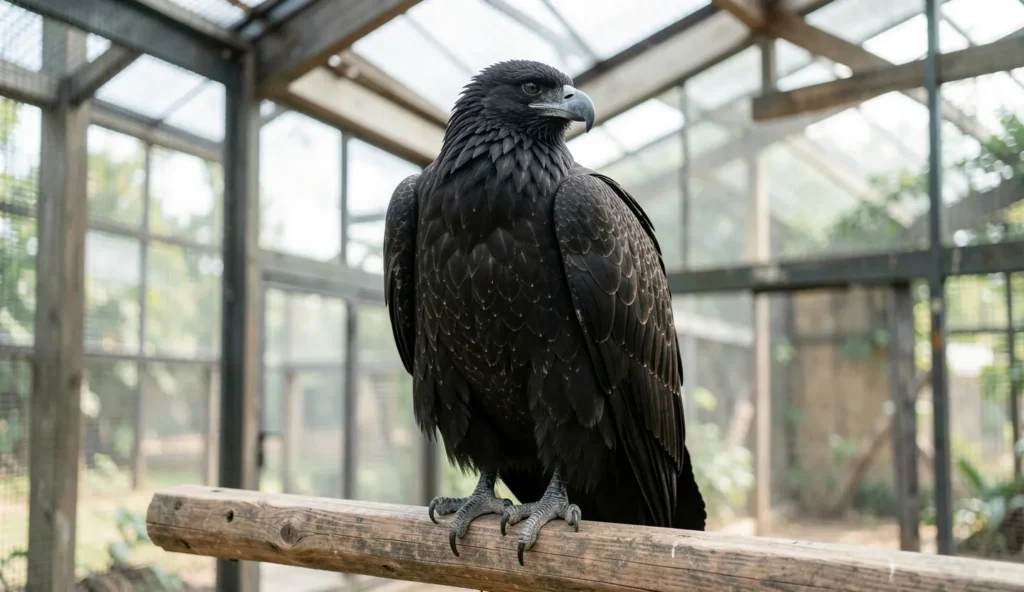
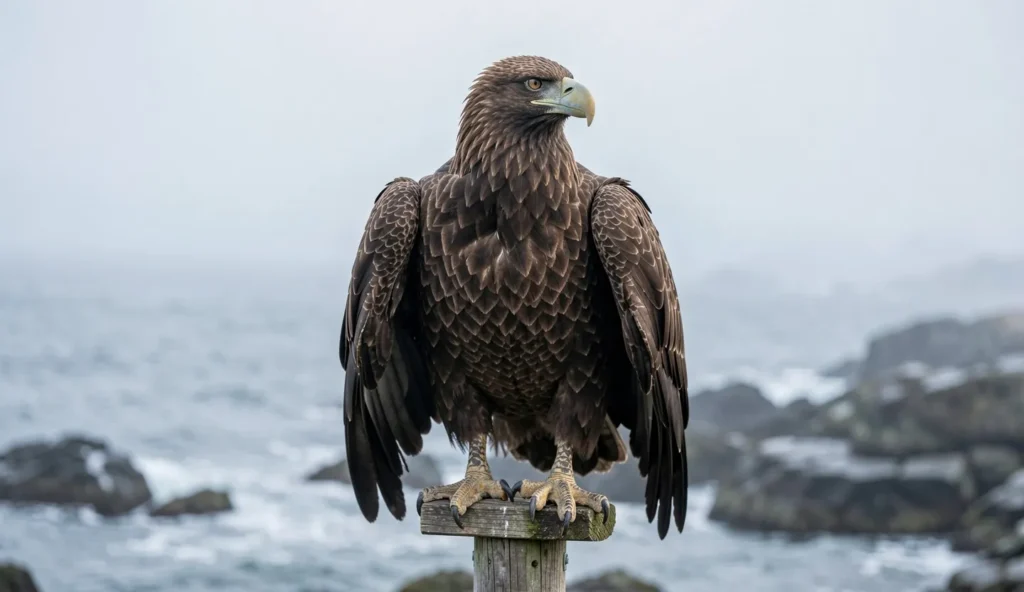
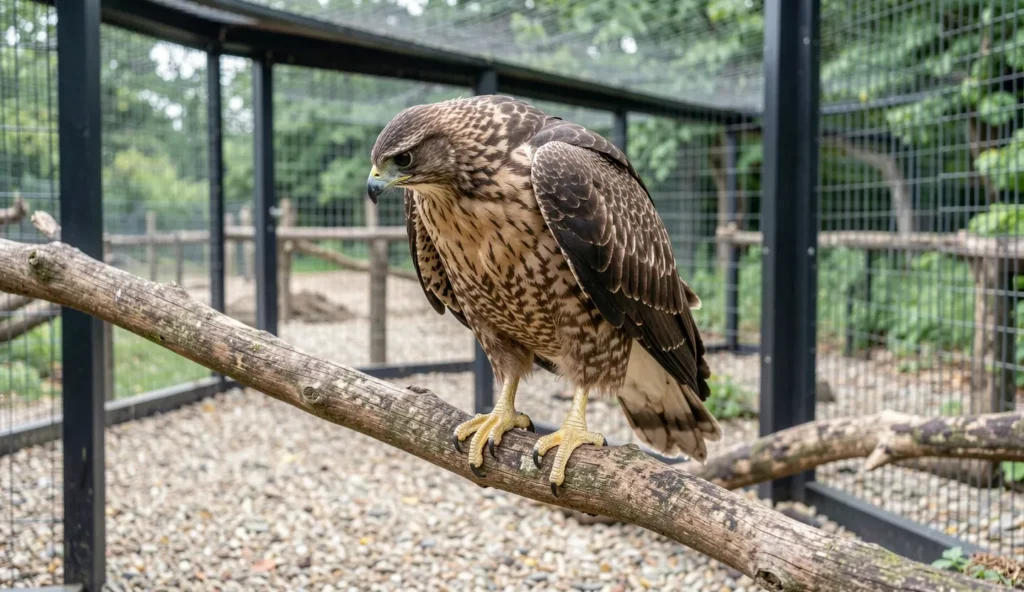
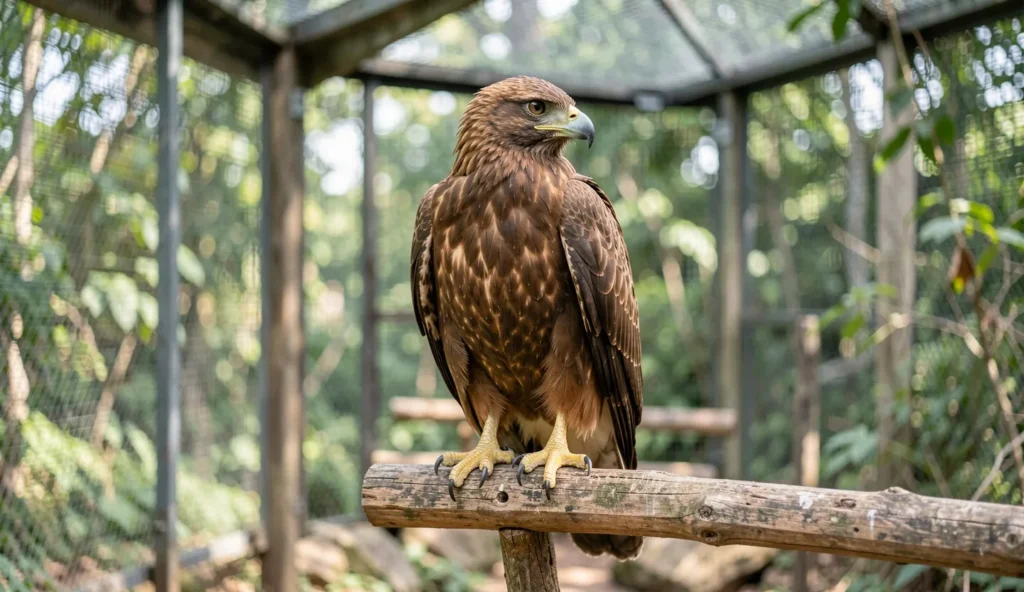
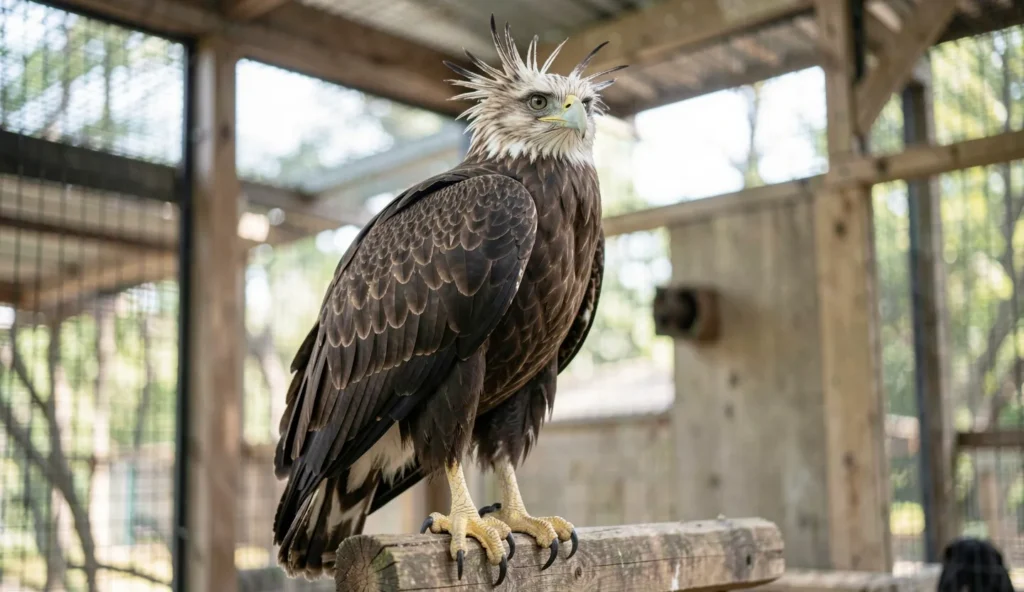
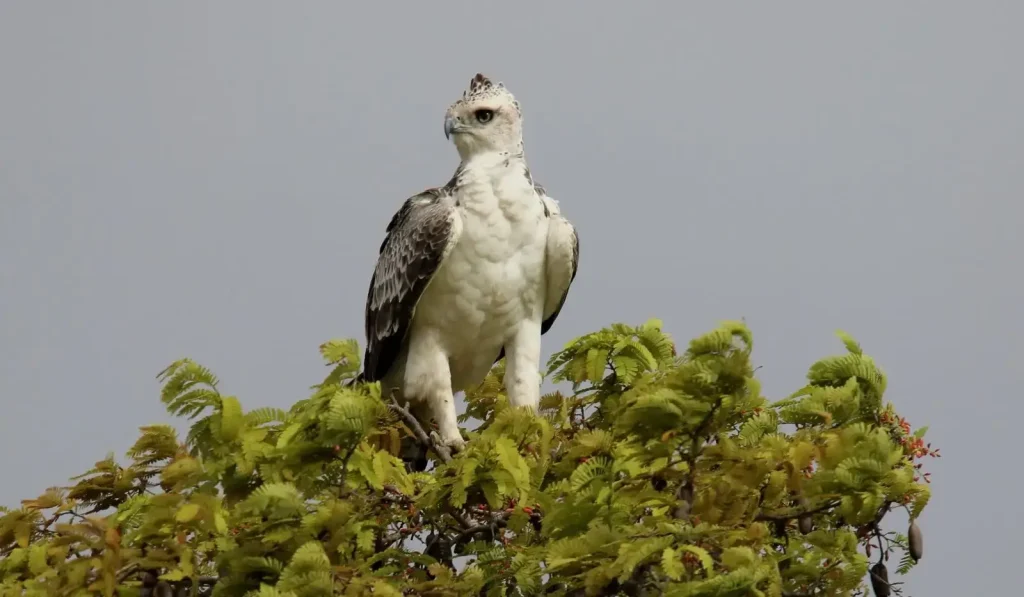
- Plumage: Dark brown back, white underparts with black spots, and a short crest
- Eyes: Intense yellow, capable of spotting prey from kilometers away
Their massive talons and robust build allow them to take down prey heavier than themselves. In terms of raw power, the Martial Eagle is comparable to other apex raptors like the Harpy Eagle of Central and South America, though each species has adapted to very different environments.
Diet and Hunting Strategy
Martial Eagles are apex predators and expert hunters. Their diet includes:
- Small antelope
- Monkeys and baboons
- Large birds like bustards and guineafowl
- Reptiles, including large snakes and lizards
They soar at great heights and dive at incredible speed to surprise prey. Unlike many birds of prey, they rely on vision and stealth rather than vocal communication. This silent hunting technique makes them one of the most effective predators in their ecosystem.
Breeding and Parenting
Martial Eagles mate for life and raise one chick at a time. Their parenting involves:
- Nesting in tall trees or cliffs, often reused and rebuilt each season
- Incubation lasting around 50 days
- The chick remains in the nest for 3–4 months and may be dependent for over a year
This slow reproductive rate means any threats to adult birds or their environment can greatly impact the population. Unlike the Golden Eagle, which may lay two eggs and sometimes raise two chicks, the Martial Eagle typically focuses all its energy on a single offspring, making each successful breeding season vital.
Role in the Ecosystem
As apex predators, Martial Eagles play a crucial role in maintaining the balance of ecosystems. They help control populations of herbivores and other birds, indirectly influencing vegetation and animal behavior. Their presence is a strong indicator of a healthy, functioning ecosystem.
Conservation Status
The IUCN lists the Martial Eagle as Endangered due to a sharp decline in numbers. The main threats include:
- Habitat loss and degradation
- Collisions with power lines
- Conflict with poultry farmers
- Poisoning from pesticides and deliberate baiting
Conservation programs now focus on community education, monitoring, and protecting nesting sites. Recent studies estimate that the population has declined by over 60% in some regions over the past three generations, emphasizing the urgency of these efforts.
Human Connections and Awareness
Martial Eagles have long been admired for their power and grace, often appearing in African folklore and symbolism. However, increasing human-wildlife conflict has made education essential to change misconceptions and promote coexistence.
Wildlife reserves and ecotourism play a big role in supporting their survival while benefiting local communities. Farmers who learn to protect livestock without resorting to poisoning help ensure these eagles continue to patrol the skies for generations to come.
Fun Facts About Martial Eagles
- Martial Eagles can lift prey up to 5 kg (11 lbs) — heavier than themselves!
- Their eyesight is 3–4 times sharper than a human’s
- They use the same nest for over a decade, adding fresh leaves and branches each year
- Known for “silent stalking,” they rarely call while hunting
Frequently Asked Questions
Q1: Why is the Martial Eagle endangered?
A: Habitat loss, poisoning, and collisions with infrastructure have significantly reduced their numbers. Their slow reproduction makes it hard to recover quickly.
Q2: How can I help conserve Martial Eagles?
A: Support conservation groups, promote awareness, and discourage the use of harmful poisons or snares. Eco-tourism also plays a key role.
Q3: Are Martial Eagles dangerous to humans?
A: No, they avoid human contact and do not pose a threat unless provoked or threatened. They are important and beneficial members of the ecosystem.
Q4: What is their typical territory size?
A: One Martial Eagle may cover a territory of 50–150 square kilometers, depending on prey availability and habitat quality.
Q5: Do Martial Eagles have any natural predators?
A: Adult Martial Eagles have very few natural predators, though eggs and chicks may be vulnerable to baboons or other large birds of prey.
Conclusion
The Martial Eagle is a symbol of wild Africa — strong, silent, and awe-inspiring. As stewards of this planet, we have a shared responsibility to protect such majestic creatures. By learning about their role in nature and advocating for their survival, we contribute to a future where eagles continue to soar freely across Africa’s vast and beautiful landscapes. Whether you are a bird enthusiast, a conservationist, or simply someone who appreciates the power of nature, the Martial Eagle stands as a reminder of what we stand to lose if we do not act.