African Fish Eagle – The Icon of African Skies and Waters
Introduction
Few sounds evoke the wild spirit of Africa quite like the haunting, yodel-like call of the African Fish Eagle. With its bold white head, powerful wings, and unforgettable cry, this majestic raptor soars proudly across lakes and rivers throughout sub-Saharan Africa. More than just a beautiful sight, this eagle plays an important role in aquatic ecosystems and holds deep cultural value as a national symbol in several countries.
Habitat and Range
African Fish Eagles are found near bodies of water across much of Africa. They prefer habitats such as:
- Rivers and lakes
- Wetlands and reservoirs
- Coastal lagoons and estuaries
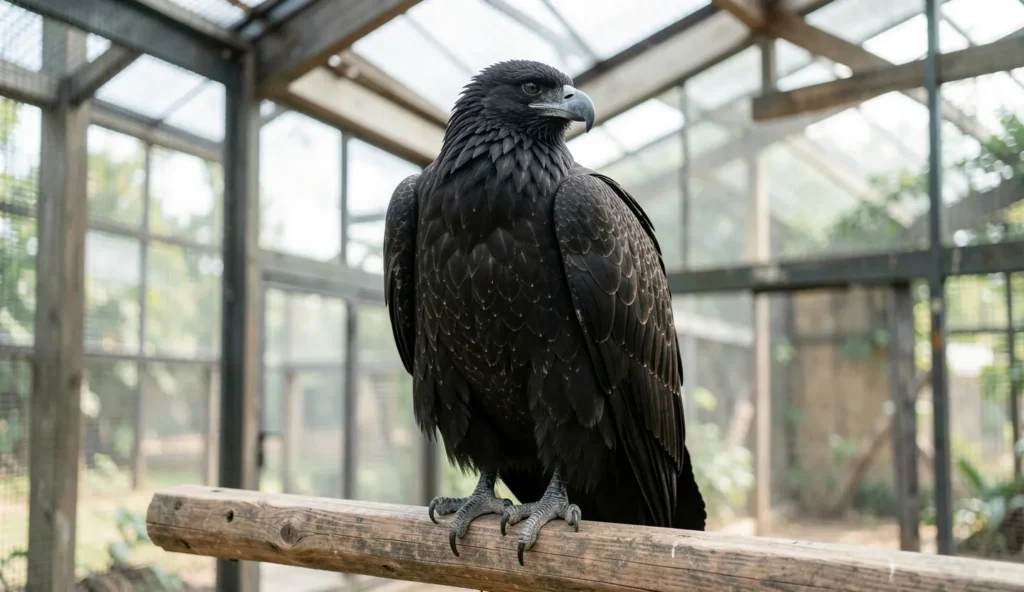
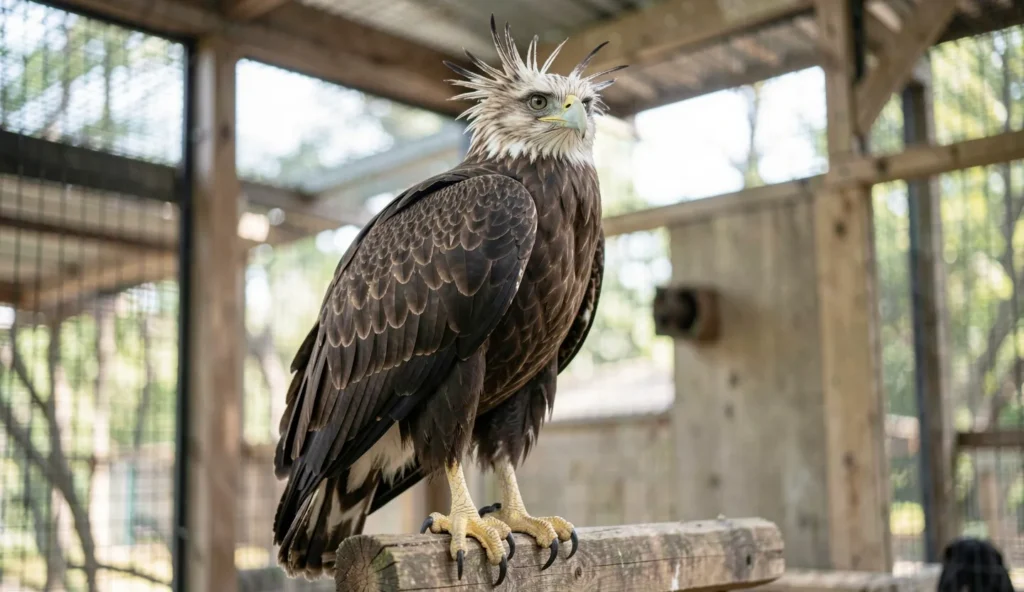
They perch high in trees near water, keeping watch for fish and other prey. These eagles share their watery habitats with other formidable raptors like the Crowned Eagle, which hunts in forested areas, and the Martial Eagle, Africa’s largest eagle that ranges across open savannas.
Physical Appearance
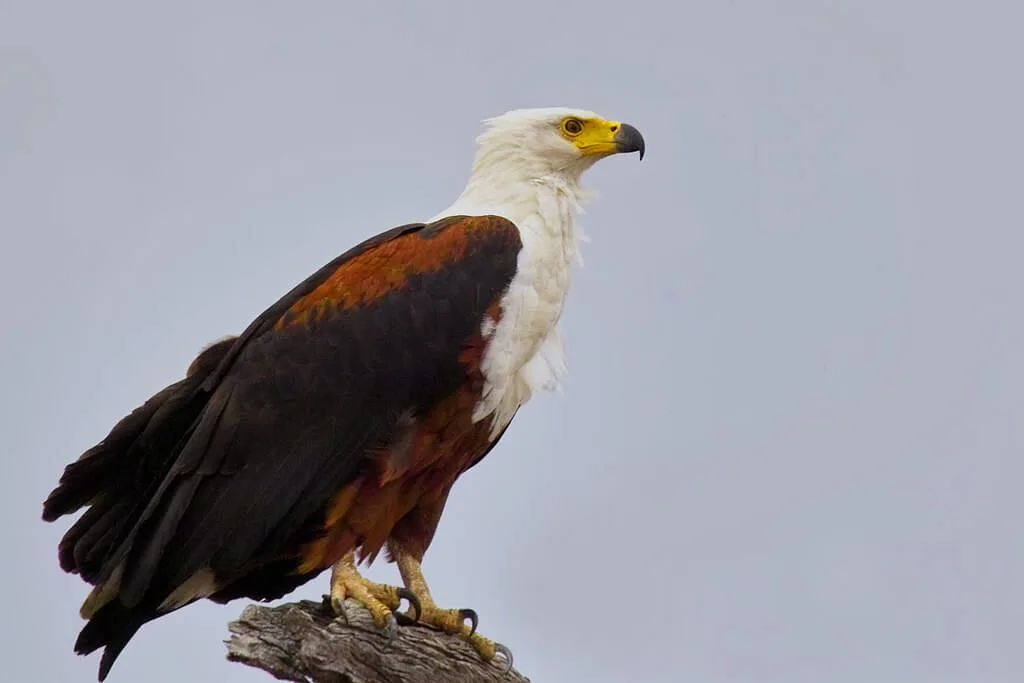
This eagle is instantly recognizable thanks to its bold features:
- Wingspan: Up to 7.9 feet (2.4 meters)
- Length: About 2.3 feet (70 cm)
- Weight: 4.5 to 8 pounds (2–3.6 kg)
- Colors: White head and chest, chestnut brown body, black wings
- Beak: Curved and strong, ideal for gripping prey
Its sharp eyes and piercing call make it one of the most striking raptors in Africa. Interestingly, it is closely related to the Bald Eagle of North America, sharing a similar build and hunting style adapted for life near water.
Diet and Hunting Skills
As the name suggests, the African Fish Eagle mainly eats fish. Its hunting technique is efficient and graceful:
- Dives to snatch fish near the water’s surface
- Sometimes hunts birds, frogs, or small animals
- May steal food from other birds
These eagles can grab fish weighing up to 4 pounds with their powerful talons. Expert hunters can snatch fish without even getting wet, a skill that requires incredible precision and timing.
Mating and Nesting
These eagles form lifelong pairs and often stay in the same area year after year. Together, they:
- Build large stick nests in tall trees
- Lay 1–3 eggs during the breeding season
- Share duties of nesting, feeding, and protecting their young
Chicks usually leave the nest about 10–11 weeks after hatching. Mated pairs often call in harmony, strengthening their bond and defending their territory together.
Role in the Ecosystem
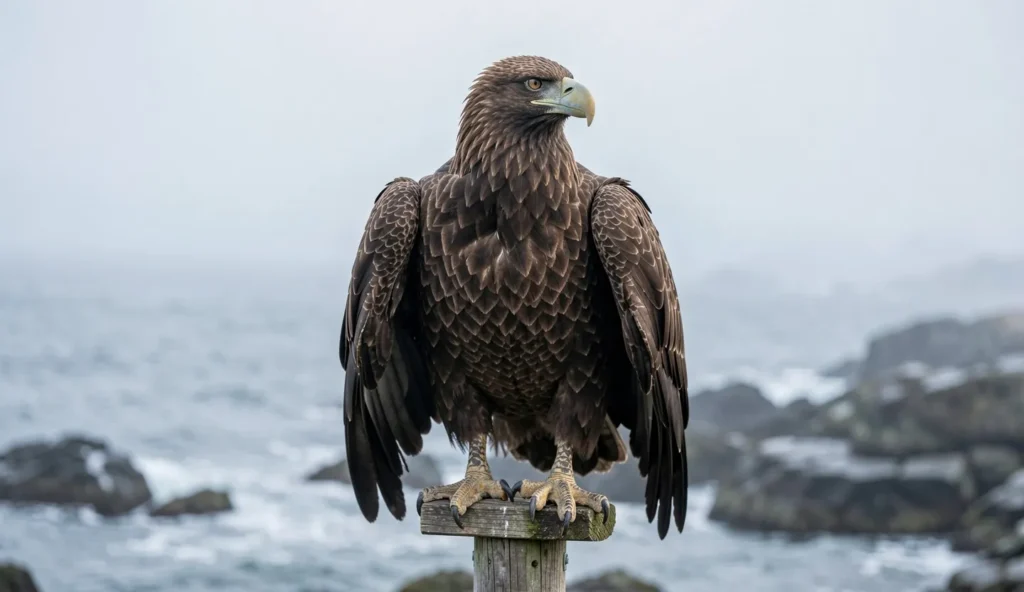
As a top predator, the African Fish Eagle helps maintain a healthy balance in aquatic ecosystems. By feeding on weaker or sick fish, it supports the natural cycle and promotes biodiversity. Its presence is a strong indicator of a healthy water system, much like how the White-tailed Eagle serves as a barometer for the health of northern waterways.
Conservation Status
The African Fish Eagle is listed as a species of Least Concern by the IUCN. However, it still faces challenges, such as:
- Habitat loss due to land development
- Overfishing and pollution reducing the food supply
- Chemical runoff and pesticides harming water systems
Conservation efforts focus on protecting freshwater environments and educating communities about sustainable practices. Recent studies in 2024 highlight that while populations remain stable overall, localized declines are occurring in areas with heavy agricultural runoff and dam construction.
Cultural Significance
This bird is deeply respected and admired across many African countries:
- National bird of Zambia, Zimbabwe, and South Sudan
- Its call is often used in documentaries as the “sound of Africa”
- Symbol of strength, unity, and independence
Its proud image appears on flags, emblems, and currency, cementing its place as an enduring icon of the continent.
Fun Facts
- Known for its loud, yodel-like call that carries over long distances
- Closely related to the Bald Eagle of North America
- Mated pairs often call in harmony to reinforce their bond
- Expert hunters can snatch fish without even getting wet
Frequently Asked Questions
Q1: Why is the African Fish Eagle’s call so famous?
A: Its powerful, echoing call is often used to represent the natural sounds of Africa in films and media, making it one of the most recognizable bird calls in the world.
Q2: Do these eagles only eat fish?
A: Mostly, yes—but they also eat birds, amphibians, or carrion if needed, especially when fish are scarce.
Q3: Where can I see African Fish Eagles in the wild?
A: Near large lakes and rivers throughout sub-Saharan Africa, including Lake Victoria, the Zambezi River, and the Okavango Delta.
Q4: Are they endangered?
A: No, but they are affected by pollution and habitat destruction. Conservation work is important to keep them safe and maintain healthy populations.
Q5: How long do African Fish Eagles live?
A: In the wild, they typically live 12 to 24 years. In protected environments, they can live even longer, with some individuals reaching over 30 years in captivity.
Conclusion
The African Fish Eagle is a powerful symbol of Africa’s wild beauty. With its graceful flight, unforgettable call, and important role in nature, it reminds us how vital clean water and protected habitats are for all life. Whether you encounter one soaring over Lake Victoria or hear its iconic cry in a documentary, this eagle captures the essence of the African wilderness. Supporting conservation means helping this magnificent bird—and the ecosystems it represents—thrive for future generations.