What Is The Asian Arowana And Why Conservation Matters
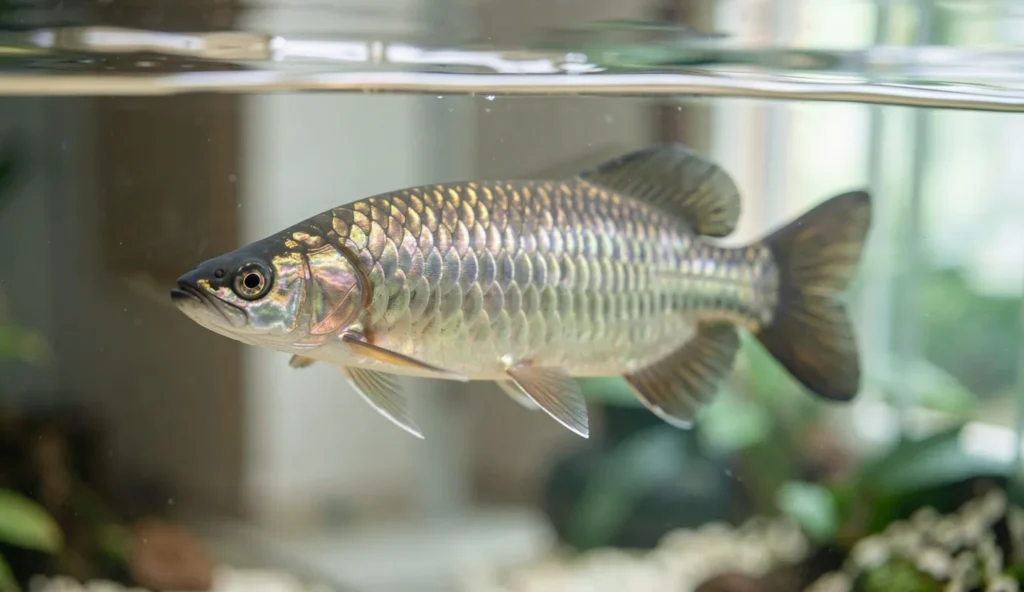
The asian arowana is a freshwater osteoglossid commonly called the dragon fish in the aquarium trade. It comes from river and reservoir systems across parts of Southeast Asia, and it stands out because many keepers prize its surface feeding and reflective scales.
Conservation matters because the species faces multiple pressures that can reduce wild numbers over time. Habitat loss, water pollution, and collection for the ornamental market all affect survival, especially for juveniles and breeding adults.
Species Overview
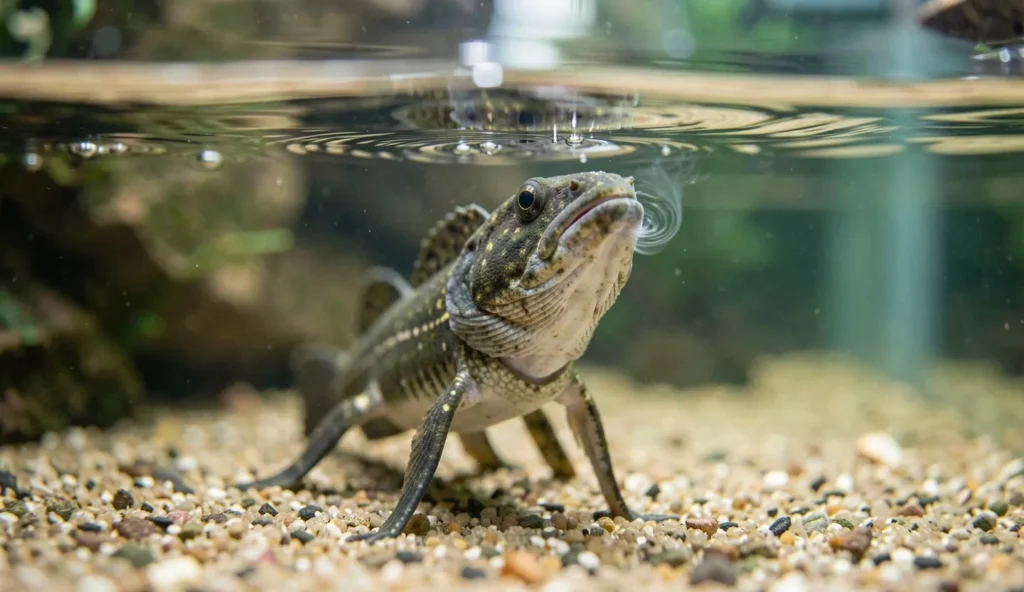
The asian arowana is a freshwater fish known for a large mouth and a long, streamlined body. It is often identified by its strong surface orientation and the way it tracks food near the waterline.
Native range includes parts of Southeast Asia and nearby regions where rivers support feeding and spawning. Because local habitats differ, different populations can face different risks even when the overall species name stays the same.
Habitat And Trade Pressures
Habitat loss reduces breeding and feeding areas, which can lower reproduction rates. Over time, this can shrink the number of adults available to produce the next generation.
Overharvesting from the wild can occur for the ornamental trade, which adds to natural population fluctuations. Water pollution further lowers juvenile survival, and keepers who plan responsibly often pay attention to sourcing and documentation.
For collectors comparing other rare fish options, it helps to understand how species-specific pressures shape supply, such as those described in Rare Snake Breeds for the pet market. While that article focuses on snakes, the sourcing logic still applies to how regulated trade works for threatened wildlife.
What Conservation Status Applies Today
Conservation status uses risk assessments based on population trends, threats, and how fast declines occur. For the asian arowana, these evaluations guide regulators on how strongly trade and ownership must be limited.
Threat listings can change as monitoring improves, especially when scientists gain better data on local populations. That means keepers should treat conservation status as an evolving target, not a one-time label.
How Threat Levels Are Determined
Conservation status assessments rely on population trends and risk criteria tied to extinction threats. A higher risk category typically signals a greater likelihood of serious decline in the wild.
Local subpopulations may face different pressures than the species overall. As a result, a fish can appear stable in one area while it becomes rarer in another.
How To Interpret IUCN Style Rankings
IUCN style rankings are designed to reflect wild population risk, not the status of captive lines. Captive populations do not automatically remove wild pressure if wild collection still continues.
Some keepers assume captive breeding alone solves risk, but the wild protection needs depend on ongoing trade and habitat conditions. That distinction matters when deciding whether a purchase supports responsible conservation.
Why Protected Classification Affects Keepers
Protected status increases trade restrictions and can raise expectations for reporting and record keeping. Buyers often need proof of legal origin, especially when crossing borders or importing into regions with strict rules.
Responsible sourcing reduces wild capture by steering supply toward legally obtained fish. This also supports compliance for collectors who want reliable documentation instead of uncertain claims.
How CITES Rules Affect Legal Ownership
CITES is an international framework that regulates cross-border movement of species that may be threatened by trade. For the asian arowana, CITES rules can directly affect whether shipments require permits and what paperwork keepers must store.
These requirements matter because they track legal movement, not just possession. Even when fish appear common in some markets, trade documentation can still be required depending on listing details.
CITES Basics For Rare Fish Trade
CITES regulates international trade in threatened species through species listings and permit systems. Different listings require different permit levels, which helps authorities verify that trade stays legal.
Authorities use permits to track legal movement and reduce laundering of wild-caught animals. That is why keepers who collect regulated wildlife often focus on origin proof and consistent records.
What Documentation Is Commonly Required
Legal transactions often require permits or certificates, particularly when fish are imported or shipped across borders. Sellers may provide paperwork that confirms captive breeding status when that applies.
Keepers should retain purchase records and origin documents for long-term compliance. If questions arise later, those records provide evidence of legal ownership and lawful import.
When comparing compliance approaches across different protected animals, it can help to see how trade rules show up in other contexts, such as Eastern Indigo Snake husbandry and care discussions. Many reptile articles emphasize sourcing and documentation because legality can hinge on origin details.
Common Mistakes That Create Legal Risk
One common error involves assuming a rare fish has no restrictions because it appears in local shops. Another risk is buying without verifiable paperwork, which can turn a seemingly normal purchase into an illegal acquisition.
Failing to follow import or transport requirements also creates legal exposure. Before purchasing, collectors should confirm what permits, certificates, or inspections the local authority expects.
How Local Laws Can Add Extra Requirements
Country rules can be stricter than CITES, even when CITES permits already cover an international shipment. Some regions also add inspections or registration steps for certain protected fish.
Registration rules may apply for fish even if a permit covers initial import. For that reason, local legal ownership requirements should be checked before acquiring the asian arowana.
Collectors who want to broaden their understanding of how rarity and regulation work across wildlife may also review Rare Wild Animal Breeds. That resource explains why rarity does not always match market availability and why rules often depend on protection status.
What Captive Breeding Programs Can Achieve
Captive breeding can reduce pressure to collect fish from the wild by providing a legal source for the ornamental market. For collectors who want the asian arowana to be treated as an endangered species priority, breeding programs can support that goal when they operate responsibly.
However, captive breeding works best when it pairs legal trade compliance with careful population management. It also depends on the species’ specific biology and the breeding program’s ability to track lineages.
Why Captive Breeding Matters
Captive breeding can support legal supply for the ornamental trade without relying on wild capture. It can also preserve genetic lines when managed carefully and documented over time.
When breeding records are accurate, programs can show that supply comes from legal captive sources. This can reduce incentives for illegal collection when demand still exists.
How Responsible Breeding Is Usually Managed
Breeding records help trace lineage and origin, which makes verification possible later. Facilities typically aim for consistent rearing practices to reduce disease and improve survival rates.
Qualified programs focus on health outcomes, not just producing offspring. That approach supports better outcomes for both fish welfare and long-term population planning.
How Keepers Can Verify Captive Origin
Keepers can verify captive origin by requesting documentation of captive breeding or legal import. Reputable breeders usually provide transparent records instead of vague assurances.
Prefer sources that can explain how fish were raised, what facilities handled the breeding, and how legal origin was established. Avoid rare fish sellers who cannot provide origin proof, especially for a species with CITES or endangered species exposure.
Limits Of Captive Breeding For Conservation
Captive breeding does not replace habitat protection, so conservation outcomes still depend on reducing habitat loss. Also, poor genetic management can reduce long-term fitness if breeding is not tracked correctly.
Release programs, if they exist, require strict planning and regulation. Without that structure, captive breeding may increase captive numbers but fail to improve wild resilience.
Care Basics For Conservation-Minded Keepers
Care quality affects fish health and helps keep collectors focused on animal welfare, not just novelty. Even for conservation-minded keepers, day-to-day husbandry supports stress reduction and stable growth for the asian arowana.
Because these fish grow large and can be demanding in captive systems, planning tank size and filtration matters early. Sound care also protects investment and reduces the chance of health issues that lead to poor outcomes.
Housing Essentials
Provide a large, stable tank that supports swimming space and steady surface feeding. Use reliable filtration capable of handling heavy feeding and maintaining water clarity.
Temperature and water quality should stay consistent to reduce stress. Sudden changes can trigger appetite issues and abnormal swimming behavior, which then requires faster corrective action.
- Use a tank sized for long-term growth
- Maintain stable temperature with consistent equipment
- Run strong filtration to manage heavy feeding
- Keep the surface calm with appropriate flow
- Schedule regular water testing and maintenance
When thinking about tank stability for regulated fish, it can help to compare best practices with other semi-large aquarium species like Asian Vine Snake care plans. The specific equipment differs, but stability and monitoring remain the shared foundation for captive health.
Feeding And Nutrition
Offer a varied diet of high-quality protein foods to support growth and stable body condition. Feeding too much can foul water, so portions should match tank size and fish size.
A feeding schedule reduces overfeeding and makes water management easier. If water quality declines after feeding, adjust portions and review filtration performance.
- Use protein-rich foods appropriate for size
- Feed in measured portions to prevent fouling
- Maintain a routine feeding schedule
- Remove uneaten food promptly
- Support immune health with consistent nutrition
Handling And Temperament
Limit stressful handling and allow acclimation to happen slowly after setup. Proper acclimation reduces shock and supports steady feeding.
Reduce aggressive tank dynamics with appropriate stocking and tank layout choices. Keeping the environment calm supports natural behavior, including surface feeding and normal swimming patterns.
Health Monitoring And Common Issues
Watch for changes in appetite, breathing, and swimming posture that can indicate stress or disease. Quarantine new fish can reduce disease introduction into the main system.
Water quality problems can become health problems quickly, so respond fast when parameters shift. Address filtration, feeding amounts, and maintenance routines before symptoms become severe.
- Monitor appetite and normal surface behavior
- Quarantine new arrivals before mixing
- Correct water quality issues immediately
- Track changes with routine observation
- Seek aquatic health guidance when needed
Starter Checklist For Responsible Ownership
A responsible checklist helps collectors align everyday decisions with legal ownership and conservation goals. For the asian arowana, legality and documentation should guide buying as much as tank setup does.
Organizing proof of origin and confirming local rules early prevents problems later. This approach supports both fish welfare and compliance with trade regulations like CITES.
Before Buying
Confirm the species is legally obtainable in the local area before scheduling a purchase. Request documentation for captive breeding or legal import and keep those documents accessible.
Buy from a seller who can provide proof of origin, not just verbal claims. Plan tank size and filtration before bringing the fish home to avoid rushed setups.
- Confirm local legal ownership rules first
- Request origin paperwork for legal import
- Choose sellers with transparent breeding records
- Plan long-term tank size and filtration
- Prepare quarantine space if required
After Bringing Home
Quarantine new fish and monitor for symptoms before combining them with others. Record purchase paperwork and maintain it in a safe, organized place.
Perform routine water testing and follow a consistent maintenance routine. Stable water reduces stress and helps the fish adapt to captive conditions.
- Quarantine and monitor for at least a short period
- Store purchase documents and permits securely
- Test water routinely and adjust gradually
- Maintain consistent feeding to reduce waste
Long Term Responsible Practices
Maintain stable water parameters and avoid sudden changes to temperature or chemistry. Avoid releases into local waterways and follow all local regulations that govern transport and possession.
Support conservation by choosing legally sourced fish and requesting documentation for every transaction. That steady approach reduces demand for illegal rare fish supply and reinforces legal ownership standards.
For collectors comparing other regulated aquatic species care planning, reviewing Indian Python ownership notes can reinforce the same idea about legality and source proof. Different animals require different husbandry, but documentation and compliance thinking remain consistent.
Frequently Asked Questions
Is The Asian Arowana Listed Under CITES?
CITES listings depend on the specific listing category, so the latest CITES species listing must be checked for exact coverage.
What Proof Is Needed For Legal Ownership Of Asian Arowana?
Documentation often includes permits or certificates, and purchase records plus any origin paperwork should be kept for reference.
Can Asian Arowana Be Kept Legally Without Permits?
Legality depends on country and CITES permit requirements, so local rules and import requirements should be confirmed before buying.
Does Captive Breeding Remove The Need For Conservation Rules?
Captive breeding can reduce wild collection pressure, but trade and ownership rules still apply for the species.
How Can Buyers Confirm A Fish Is Captive Bred?
Ask for paperwork showing captive breeding or legal import and prefer reputable sources with transparent records.
What Happens If Asian Arowana Ownership Is Not Legal?
Illegal trade can lead to confiscation or penalties, so purchases must stop until rules are verified with local authorities.
A Clear Focus On Conservation And Compliance Supports Responsible Care
Keeping asian arowana responsibly starts with documented legal ownership and continues with stable, welfare-focused aquarium care. With careful sourcing and consistent husbandry, collectors can support conservation outcomes more effectively.