What Is An Irrawaddy Dolphin
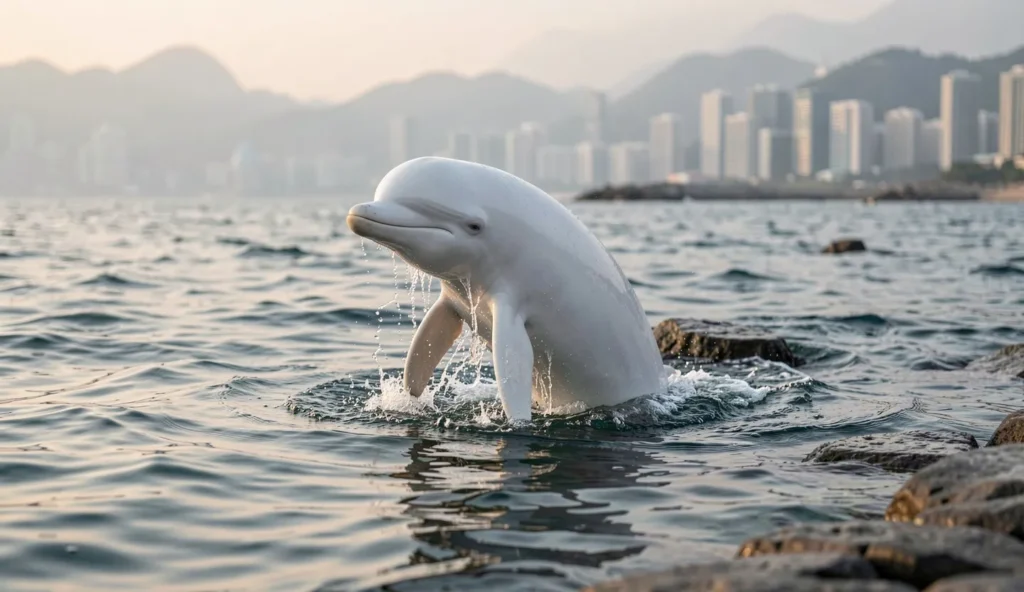
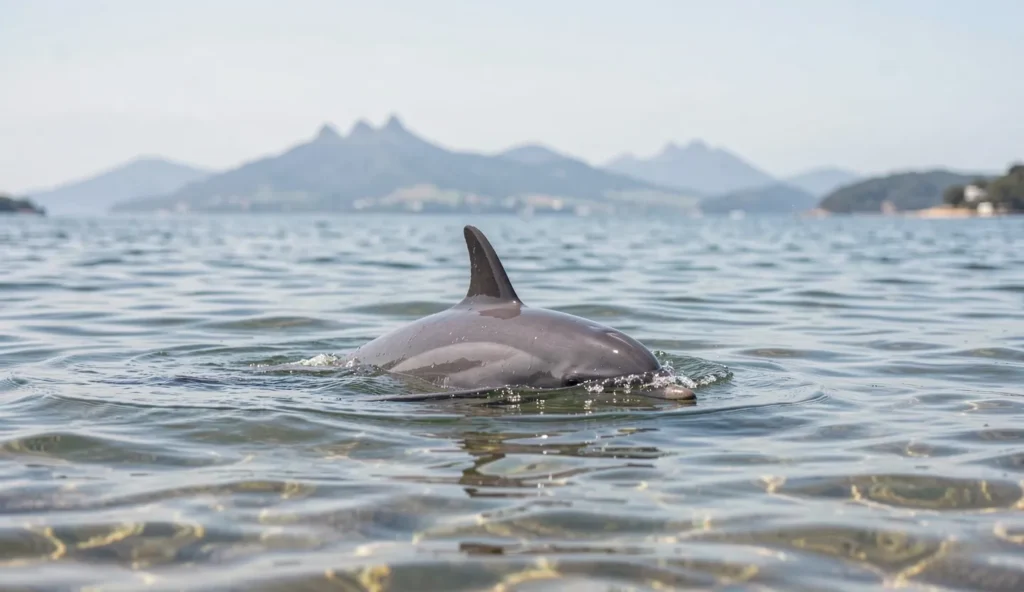
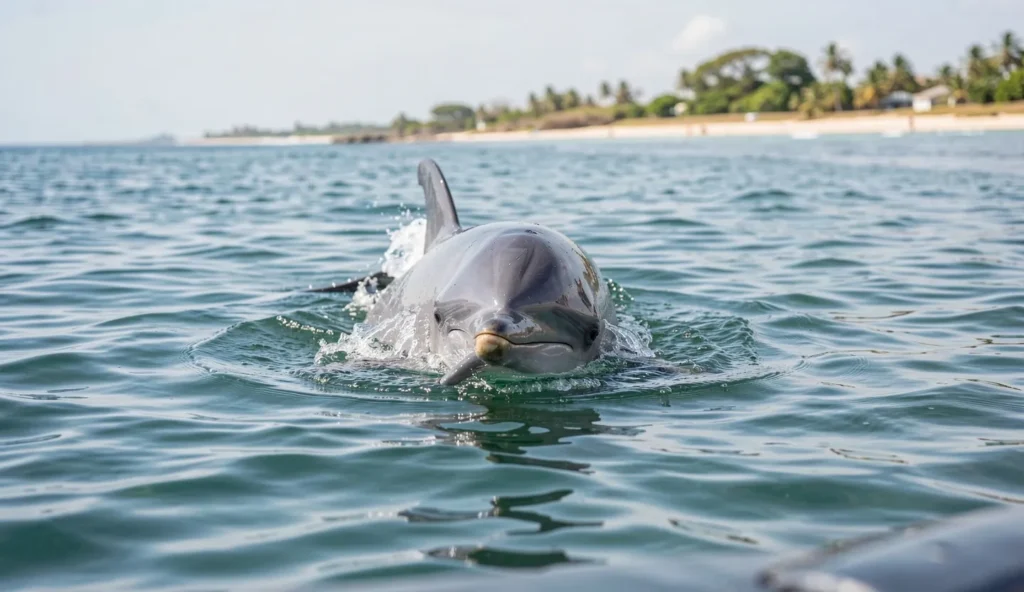
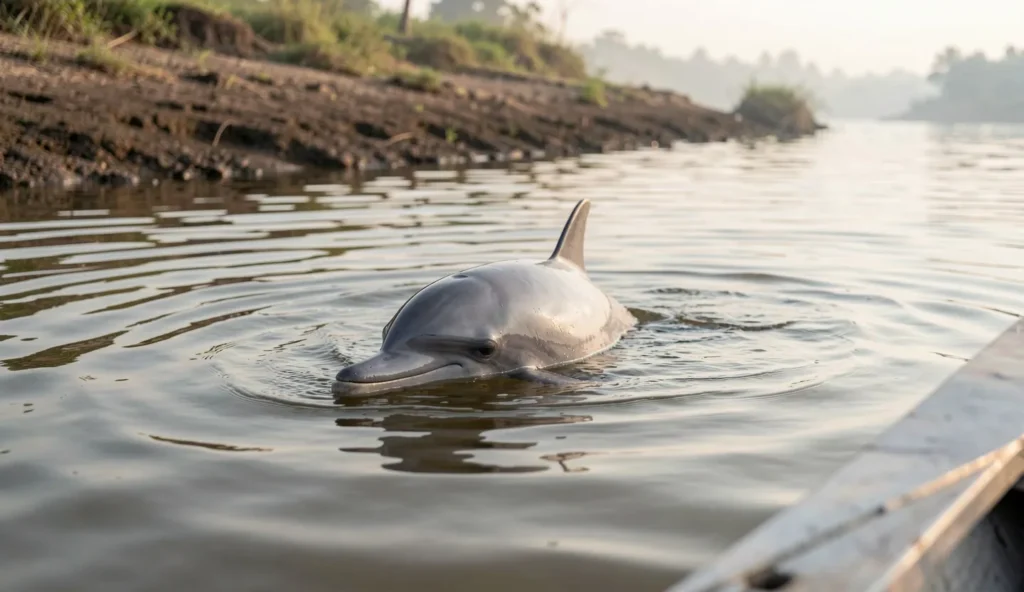
The Irrawaddy Dolphin is a toothed whale species, scientifically named Orcaella brevirostris, found in coastal and riverine habitats of Southeast Asia. It stands out because it can live in brackish zones where freshwater and seawater mix. The species is endangered, which shapes how researchers prioritize monitoring and how wildlife enthusiasts approach observation.
Scientific Name And Basic Classification
Orcaella brevirostris is the scientific name used for the Irrawaddy Dolphin across research and conservation documents. The animal belongs to the dolphin group within toothed whales, so it uses echolocation for hunting. Compared with many ocean dolphins, it fits shallow, murkier waterways and adapts to brackish conditions.
Why It Is Known As A River Dolphin
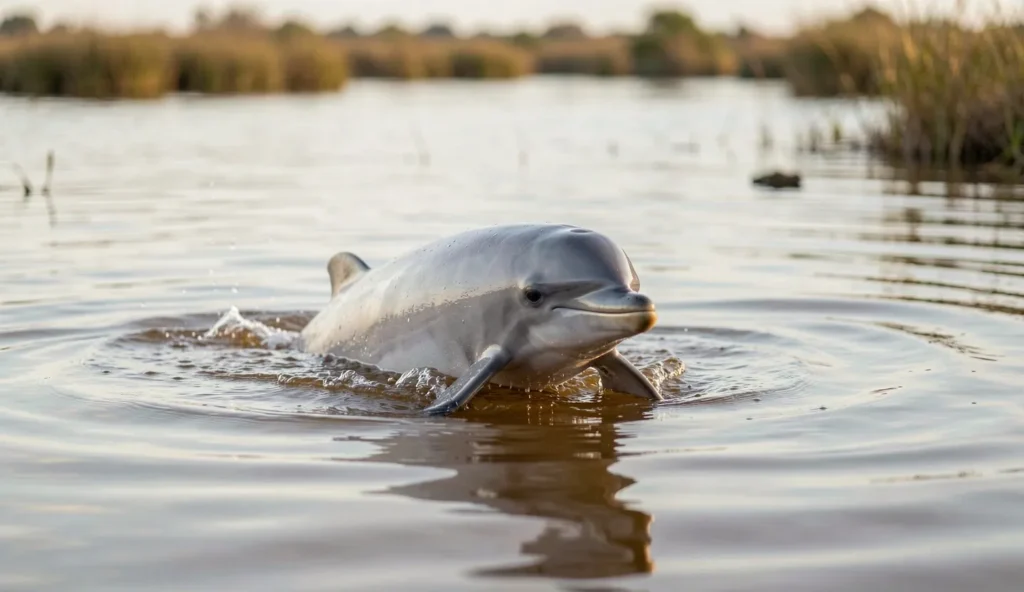
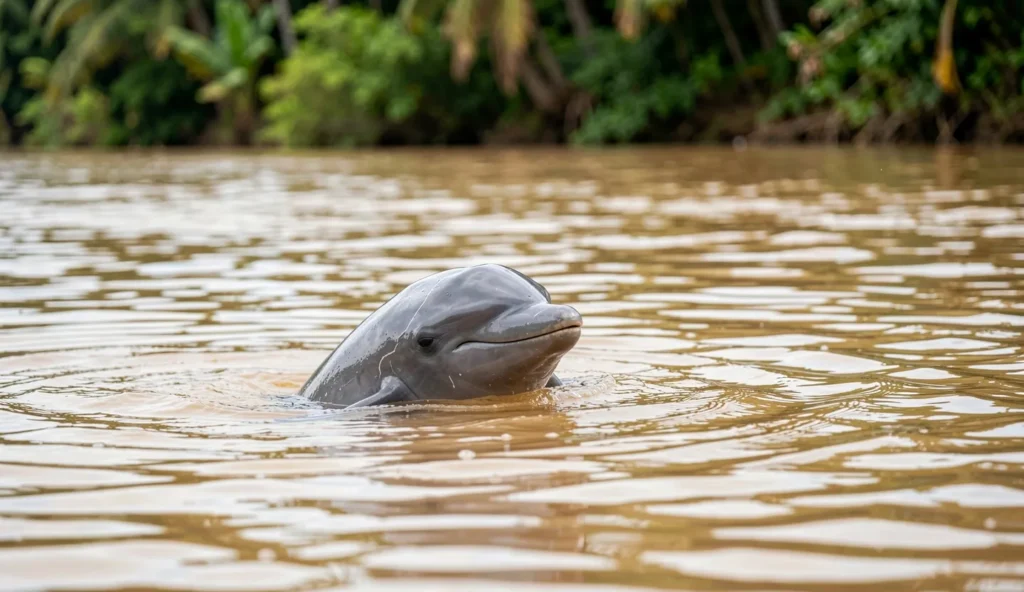
The Irrawaddy Dolphin often occurs in riverine and estuarine systems, not only open coastal water. It also appears near river mouths where mixing creates brackish salinity. In regional use, the term Mekong dolphin can describe populations associated with the Mekong basin, reflecting how habitat and local geography influence naming.
Conservation Status And Why It Matters
The Irrawaddy Dolphin is widely classified as endangered due to combined human pressures. Fishing gear can cause entanglement and bycatch, while habitat change can reduce suitable feeding and movement corridors. When brackish populations lose access to stable water quality and predictable prey, survival odds drop.
For context on how related dolphin species differ in range and ecology, readers may also review species profiles such as Bottlenose Dolphin to compare marine versus brackish habitat needs. Those differences help explain why the Irrawaddy Dolphin faces unique risks in rivers and estuaries.
Where Irrawaddy Dolphins Live In Brackish And Coastal Waters
Irrawaddy dolphin facts often highlight habitat, because location drives daily behavior, feeding, and exposure to threats. The species uses coastal areas near river mouths and also enters rivers when conditions allow. In practice, distribution changes with salinity, water clarity, and prey movement.
Coastal Range And Estuary Use
Coastal use centers on areas where rivers meet the sea, creating estuaries and brackish salinity zones. These zones often include mudflats, sheltered coves, and channel networks that concentrate fish and crustaceans. Shoreline structure and depth affect sightings, since dolphins tend to use areas with maneuvering space and prey close to bottom features.
River Systems And Seasonal Movement
As a river dolphin type, the Irrawaddy Dolphin can move into rivers and large waterways rather than staying offshore. Seasonal water conditions influence how far inland dolphins can travel and how easily prey can be accessed. Water level changes can shift channels, and that shift can move dolphins to new search areas.
Key Environmental Factors In Brackish Habitat
Water clarity affects foraging because visibility can limit how often dolphins rely on non-auditory cues. Temperature and salinity stability support prey availability and can improve foraging efficiency. Turbidity also matters, since echolocation helps animals search when murky water reduces visual detection.
Threats From Habitat Change In Southeast Asia
Fishing pressure reduces prey and increases the chance of bycatch, especially when nets or lines are set in narrow channels. Dams and river engineering disrupt movement routes and can change salinity and sediment patterns. Pollution and boat traffic add stress, increase injury risk, and can alter the overall structure of brackish coastal habitat.
Other dolphin species show how ecology links to threat exposure, such as Common Dolphin which often uses different marine settings. Understanding those ecological contrasts helps explain why the Irrawaddy dolphin habitat is so sensitive to local river management and coastal development.
Appearance And Physical Features Of Orcaella Brevirostris
Appearance helps wildlife observers recognize the Irrawaddy Dolphin in coastal and river settings, especially when animals surface briefly. Field recognition must stay careful, because shallow water, distance, and turbidity can obscure key marks. Researchers also use standardized cues to reduce misidentification when multiple dolphin species overlap in regions.
Body Shape And Rostrum Characteristics
The Irrawaddy Dolphin has a short, broad rostrum and a body shape suited to maneuvering in shallow brackish environments. Its overall form supports controlled swimming near channel edges and along estuary bottoms. This body plan fits tight spaces where currents and shoreline features affect movement.
Coloration And Marking Patterns
Coloration can range across individuals, and natural variation often appears in documentation as light to darker tones. Because the species lives in turbid waters, lighting changes can make color look different across viewing angles. Observers should avoid guessing rare markings without reliable field support.
Dorsal Fin And Flipper Details
The dorsal fin sits along the back and provides a stable silhouette when dolphins surface. Flippers help control direction, and their shape supports fine adjustments for navigating river channels. These physical mechanics matter in coastal and river settings where turns and braking occur more often than in open ocean travel.
How Researchers Identify Irrawaddy Dolphins
Researchers use non-invasive methods such as visual observations from vessels and coordinated survey protocols. Behavioral cues, group structure, and habitat choice help confirm likely identification in the field. Definitive confirmation can require expert analysis, especially where other dolphin species may share nearby waters.
For comparison with species identification approaches in other regions, readers may find it useful to review profiles like Hector’s Dolphin to see how range and habitat influence identification challenges. Those lessons translate to Irrawaddy dolphin surveys because water conditions shape what can be verified.
Behavior And Social Structure In Rivers And Estuaries
Behavior in brackish environments links directly to feeding opportunities and human disturbance. The Irrawaddy Dolphin typically uses rivers and estuaries with movement patterns shaped by water flow and prey distribution. Social structure can vary, so group composition may not look identical across seasons.
Group Size And Social Behavior
Irrawaddy dolphins may form small groups in brackish habitats, but group size can change over time. Seasonal conditions can influence which areas contain prey and which areas remain connected through navigable channels. Possible mother and calf associations have been suggested in observations, although details vary by site.
Communication And Echolocation Basics
Echolocation supports hunting in low-visibility water where visual cues fade quickly. Researchers infer activity from surface behavior, movement tempo, and repeated search patterns in specific areas. Sound exposure from boats can interfere with normal communication and echolocation, increasing the effort required for successful hunting.
Swimming, Surfacing, And Resting Patterns
Movement rhythms often reflect the constraints of narrow waterways and changing current direction. Channel width and shoreline shape can guide when dolphins slow down, turn, or travel along particular routes. Resting may occur in safer shallow zones where navigation risks are lower and prey can still be available nearby.
Comparative behavior knowledge can also come from other dolphin ecology, such as Risso’s Dolphin, which often uses different habitat structures. Those comparisons do not replace field study for Irrawaddy dolphin behavior, but they clarify how water depth and visibility change hunting strategy.
Diet And Feeding In Brackish And Coastal Environments
Diet drives health, growth, and reproduction, so Irrawaddy dolphin facts about feeding matter for both conservation and wildlife viewing. The species likely relies on fish and crustaceans, with local prey types shifting across habitats. Water conditions also influence how dolphins search and how often they find successful targets.
What Irrawaddy Dolphins Eat
In broad terms, the Irrawaddy Dolphin diet includes fish and crustaceans that appear in brackish coastal and river systems. Prey availability can vary by season and by habitat patch, especially where river flow changes turbidity and food distribution. Specific local prey can differ by region, so researchers typically avoid one-size-fits-all diet statements.
How Echolocation Supports Hunting
When turbidity rises, echolocation helps dolphins detect prey in conditions where sight alone would fail. Dolphins often hunt near river edges and channel features where prey may concentrate. Hunting success depends on water clarity, salinity stability, and how easily dolphins can map their surroundings using sound.
Foraging Sites And Daily Activity Drivers
Tide and river flow can move prey into accessible zones, so dolphins may shift locations across the day. These daily shifts can follow changes in current strength, water depth, and where fish and crustaceans feed. Human fishing can also reshape prey behavior, which may lead dolphins to adjust foraging routes and timing.
To understand how feeding patterns relate to habitat use, readers can compare with another species that shares broad dolphin feeding strategies, such as Commerson’s Dolphin. Even though habitats differ, the general link between prey movement and dolphin searching remains consistent across many coastal dolphins.
Common Health Issues And Human Impacts
The Irrawaddy Dolphin is endangered, and health risk often increases as human activity intensifies in narrow coastal and river corridors. Key concerns include entanglement injuries, collision risks, and reduced resilience due to chronic disturbance. Monitoring programs typically track both direct injuries and environmental changes that affect prey and water quality.
Major Threats From Bycatch And Fishing Gear
Nets and lines can entangle dolphins in areas where fishing overlaps with dolphin travel routes. Entrapment can cause injuries such as tissue damage and compromised movement, and it can lead to mortality when animals cannot surface to breathe. Changes in fishing gear and deployment methods can influence bycatch rates, so researchers often recommend gear adjustments where feasible.
Boat Traffic And Noise Stress
Noise from boats can interfere with echolocation and communication, which affects hunting efficiency. In narrow waterways, strike risk increases when dolphins and vessels share the same constrained routes. Chronic stress can also reduce resilience, making it harder for animals to recover from injuries or disease exposure.
Pollution And Water Quality Concerns
Chemical and sediment pollution can affect prey communities and alter what dolphins can eat. Contaminated prey can introduce harmful substances into the food chain, impacting dolphin health over time. Habitat degradation also increases disease exposure by shifting water quality and changing ecological balance.
Diseases, Parasites, And Injury Monitoring
Health monitoring often focuses on injury documentation, general body condition, and signs of disease or parasites. Injuries commonly stem from entanglement and collisions, and they can reduce survival if individuals cannot hunt efficiently. Researchers aim to document condition through observation and standardized study protocols that avoid harming animals.
Field monitoring strategies can differ across dolphin species and regions, so comparing approaches can help readers understand methodology. For example, Heaviside’s Dolphin highlights how habitat and human pressure shape what data can be collected. These comparisons support better understanding of how Irrawaddy Dolphin conservation work is designed around risk.
Is The Irrawaddy Dolphin A Good Fit For Captive Care
Pet lovers often ask about keeping dolphins, but the Irrawaddy Dolphin does not fit practical captive care. This species depends on complex aquatic systems, appropriate salinity conditions, and a consistent prey supply. Even when welfare goals are strong, legal restrictions and specialized husbandry needs limit any realistic ownership path.
Why Captive Ownership Is Not Realistic
The Irrawaddy Dolphin requires large, complex aquatic systems that mimic brackish and riverine conditions. Veterinary care must handle seafood-based nutrition, stress-related issues, and risks from injuries that can occur in confined spaces. Capture and keeping may also conflict with wildlife protection rules designed to prevent harm to endangered populations.
What Responsible Dolphin Support Looks Like Instead
Responsible support focuses on field research and habitat protection rather than private ownership. Conservation outcomes often improve when bycatch declines and habitat change slows, which directly benefits brackish populations. Buying related products can sometimes affect fishing pressure indirectly, so consumers may choose options that do not increase demand for high-risk fisheries.
Best Ways To Learn And Observe Without Disturbing Dolphins
Wildlife viewing should follow local guidelines that set safe distances and manage vessel behavior. Harassment should be avoided, since close approach can disrupt movement, breathing, and feeding. Sightings and reports should go through local monitoring programs so data can support conservation decisions.
Learning from other dolphin profiles can also improve general dolphin knowledge, but it should not create expectations about captive life. For instance, reviewing Chilean Dolphin helps illustrate how species-specific ecology shapes feasibility in captivity. The Irrawaddy Dolphin case remains clear because its river dolphin niche depends on changing water chemistry and large habitat space.
Frequently Asked Questions
Are Irrawaddy Dolphins the same as river dolphins in general?
The Irrawaddy Dolphin is a specific species often described as a river dolphin based on its riverine and estuarine habitat use.
How far into rivers do Irrawaddy Dolphins travel?
They can enter rivers, but travel distance depends on water conditions, connectivity, and local barriers.
Do Irrawaddy Dolphins live in freshwater?
They mainly use brackish and estuarine areas where fresh and saltwater mix rather than living full time in freshwater.
Can Irrawaddy Dolphins be kept as pets?
Captive care is not realistic and is often restricted by law and welfare needs.
What are the biggest threats to Irrawaddy Dolphins?
Bycatch, habitat change, pollution, and noise or boat-related risks are major threats.
What should wildlife viewers do to avoid harming dolphins?
Keep a safe distance, limit disturbance, and follow local wildlife viewing rules.
Final Note
The Irrawaddy Dolphin is a specialized brackish and coastal river dolphin species whose survival depends on healthy, connected waterways. Careful observation and informed support help reduce pressure on endangered populations.