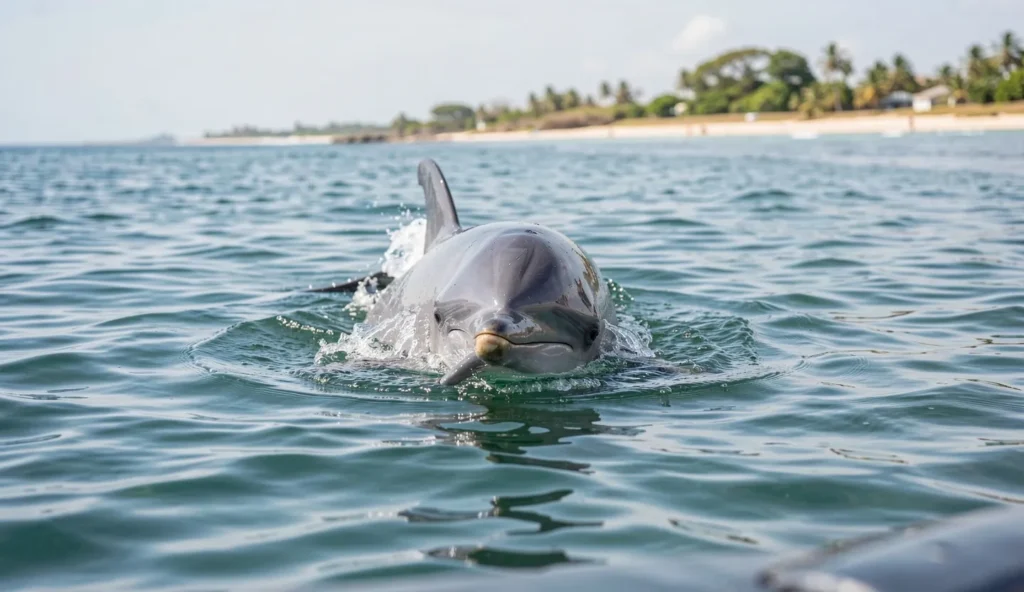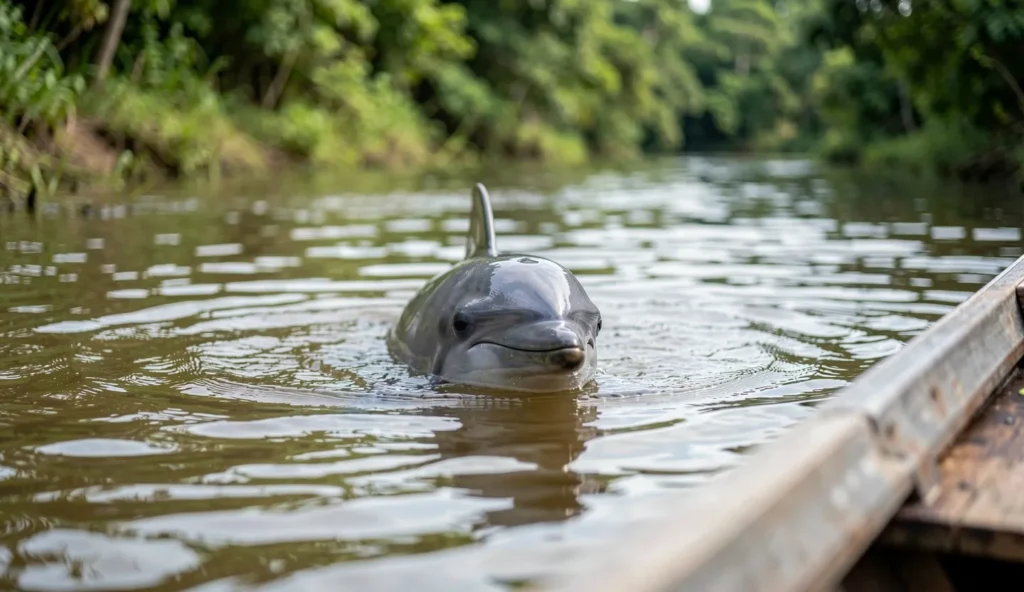
What Is A Tucuxi Dolphin
The Tucuxi Dolphin is a freshwater cetacean related to coastal dolphins in the Sotalia group. In many references it also appears as the gray river dolphin, which points to its typical color and river lifestyle. This species is native to the Amazon River system, where it stays within connected river and floodplain waters.
Field work and species records commonly use the scientific name Sotalia fluviatilis. Because the Sotalia complex includes closely related forms, accurate identification matters for research, conservation, and any serious discussion of river dolphin biology.
Species Name And Scientific Classification
The Tucuxi Dolphin is Sotalia fluviatilis. Researchers often treat it as a freshwater form within the wider Sotalia species group. This group includes related dolphins from coastal habitats in the same broader species complex.
Common Names And Why They Matter
Many sources call the Tucuxi Dolphin the gray river dolphin. Regional usage can vary, especially when populations overlap or when older reports used broader group labels. Accurate naming helps match the right data to the right population.
Where Tucuxis Are Found In The Wild
Tucuxis live in the Amazon River system and connected waterways. They move through river stretches, channels, and lowland floodplain areas where prey stays concentrated. Seasonal water level changes can shift where animals spend time.
For comparisons of related river and marine dolphin ecology, readers may also look at profiles such as Hector’s Dolphin. That species differs by region and habitat, but similar research methods help clarify how dolphin distribution changes over time.
What Does A Tucuxi Dolphin Look Like
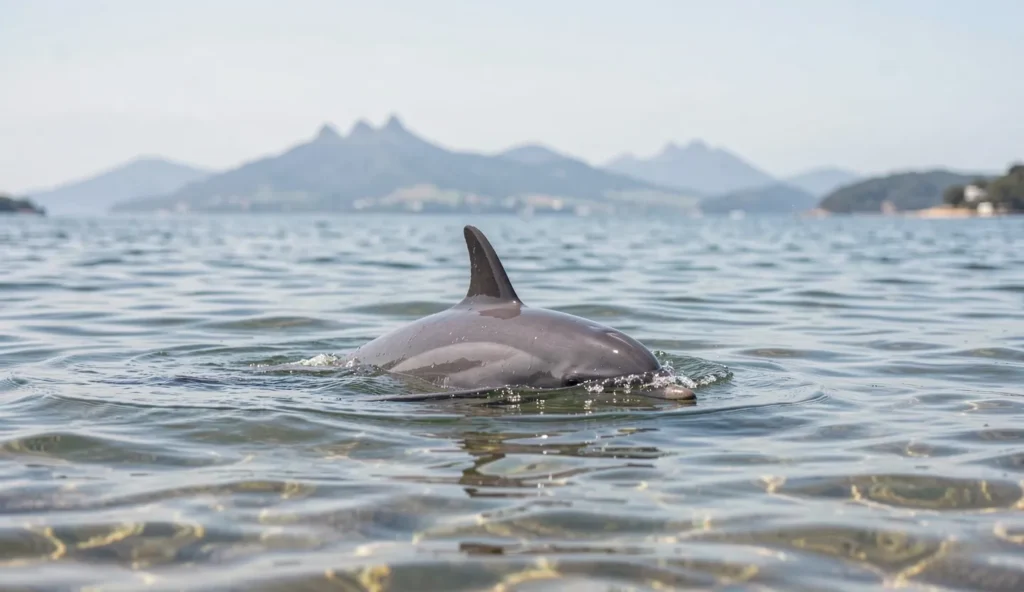
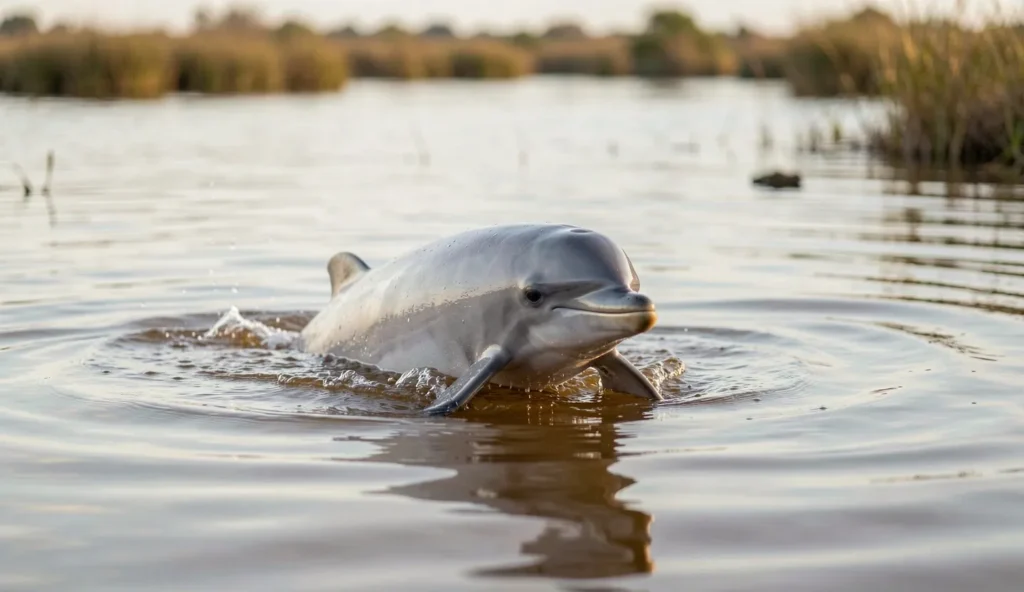
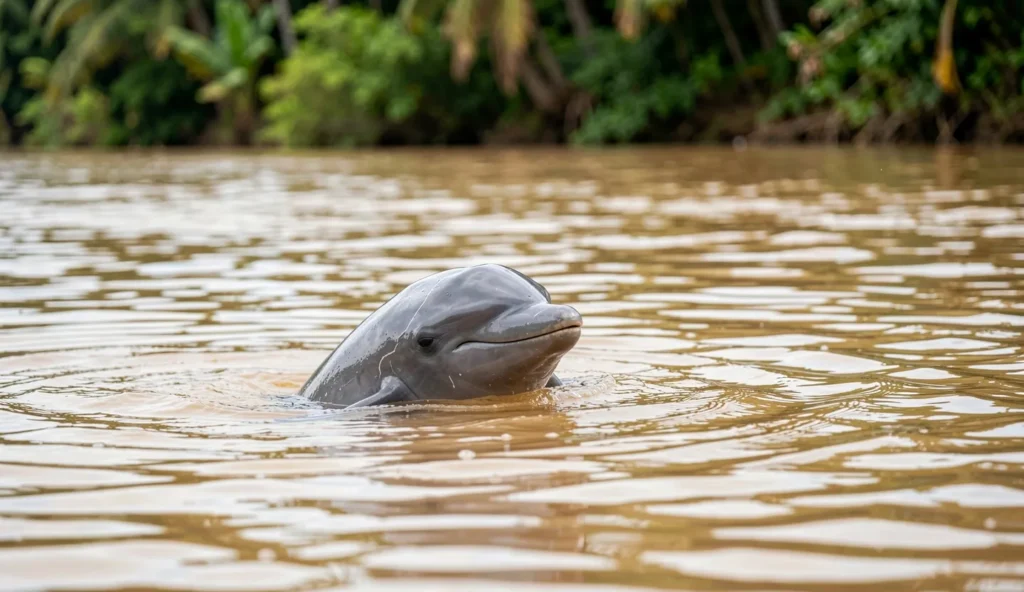
The Tucuxi Dolphin has a streamlined shape suited for river movement and foraging. Its overall look often stays gray to grayish brown, with subtle variation between individuals. These traits support field identification when weather, water clarity, and angle allow a clear view.
To avoid confusion with other river dolphin forms, researchers rely on a combination of body proportions, head features, and documented location. They may also use photo identification and genetic approaches when possible.
Body Shape And Size Range
The Tucuxi Dolphin shows a robust torso and a shape built for steady travel. Reported size can vary by age and sex, and local population data can affect estimates. In river systems, movement through channels often rewards a body form that stays efficient at different speeds.
Color Pattern And Skin Characteristics
Most descriptions list gray to grayish brown coloration across the body. Darker tones can appear on the back, especially when light hits the skin at an angle. In practice, the color can be consistent enough for visual field ID, though natural variation still exists.
Head And Snout Features
The Tucuxi Dolphin has a rostrum adapted for river foraging. The dorsal region often appears smaller than in some coastal dolphin looks, but size depends on viewing distance and water conditions. Teeth and mouth structure support grasping prey during capture attempts.
How Researchers Identify Individuals
Photo identification can use scars and natural marks that remain recognizable over time. Researchers may also record behavior and group context to support matching sightings. Genetic sampling can further support population-level understanding and separation from related forms.
When comparing how identification works across dolphin types, it can help to review general methods described in Bottlenose Dolphin studies. The habitats differ, but the core idea of linking repeated sightings with ID cues carries across many dolphin species.
How Tucuxi Dolphins Behave And Communicate
The Tucuxi Dolphin tends to show flexible movement and social patterns in river corridors. Animals often appear in small groups or loose associations rather than large, tightly bonded pods. Repeated encounters in frequently used areas can occur, especially where prey stays predictable.
Communication in a freshwater cetacean depends on sound since visibility can change quickly. Echolocation and vocal signals help animals coordinate, locate food, and navigate complex river terrain.
Group Size And Social Structure
The Tucuxi Dolphin is often observed in small groups or loose associations. Group composition can shift with prey availability and seasonal water conditions. In some areas, the same dolphins may return to favored stretches.
Swimming, Diving, And Water Use
The Tucuxi Dolphin moves actively through channels and along riverbanks. Dive patterns align with river depth and prey position, with surface intervals for respiration. Each surfacing event helps researchers record location and behavior with better timing accuracy.
Feeding Behavior In River Conditions
The Tucuxi Dolphin forages for fish and other aquatic prey. It can use echolocation to locate prey in changing clarity and may pursue prey with rapid captures. Turbidity and water flow can change how animals approach foraging and how long they search.
Communication And Echolocation Basics
The Tucuxi Dolphin uses sound to locate prey in murky water. Echolocation improves detection of objects when visibility drops. Vocalizations can also support group coordination, especially when animals feed or travel together.
Sound-based ecology also appears in other dolphin species, and the approach described in Risso’s Dolphin research can help readers understand how echolocation and vocalization data get collected. Even though habitat differs, acoustic monitoring principles often overlap.
Where Tucuxi Dolphins Live In The Amazon River System
The Tucuxi Dolphin depends on river habitat features that support prey and safe movement. It uses channels and flooded areas, and it tends to concentrate where water conditions create feeding opportunities. Flow, depth, and nearby cover influence local presence.
Because the Amazon changes across seasons, the Tucuxi Dolphin also adjusts its space use. Water level shifts affect how prey distributes across floodplains and how accessible deeper channels remain.
River Habitat Features They Prefer
The Tucuxi Dolphin uses river channels and flooded areas where prey concentrates. Productive zones support frequent foraging, which can keep animals in specific stretches for longer periods. Cover and underwater structure can also shape how dolphins approach capture.
Seasonal Changes And Water Level Effects
Water level rises and falls across seasons in the Amazon basin. When floodplain connectivity increases, prey can spread into new areas, and dolphins may shift their ranges to follow food and shelter. During lower water, movement can tighten into main channels.
Interactions With Other Amazon Dolphin Populations
Sotalia forms can overlap in some regions, which makes field identification more complex. Differences in habitat use can support separation by region, even if the species group occurs in the same broader basin. Accurate classification remains essential whenever both forms may appear in records.
For background on how close relatives can differ by habitat, readers can compare the Tucuxi Dolphin with Commerson’s Dolphin. That species shows how coastal and ocean environments shape different behaviors and physical impressions, even within the same broad dolphin category.
Why River Dolphins Need Clean, Connected Waterways
Disconnected habitats reduce movement and can limit gene flow between groups. Pollution can affect prey availability and can increase health risks linked to contaminated food chains. Water quality changes can also reduce local fish abundance, which then forces dolphins to search farther for feeding sites.
What Tucuxi Dolphins Eat And How They Forage
The Tucuxi Dolphin eats primarily fish, and its diet reflects what the river supports during each season. Foraging stays shaped by water clarity, flow, and how prey distributes along edges and structures. This makes diet analysis a key part of understanding river dolphin ecology.
Hunting strategies can shift between slow and fast water, but echolocation remains central. It supports detection in low visibility and helps dolphins make capture decisions quickly.
Main Diet Components
The Tucuxi Dolphin relies on fish in river environments as its main prey component. Depending on local availability, small aquatic animals can enter the diet. Prey choice varies by season and location as floodplain connectivity and fish movements change.
Hunting Methods In Murky, Slow And Fast Water
The Tucuxi Dolphin uses echolocation to locate prey in low visibility. Capture can involve rapid pursuit and close-range grasping rather than long chases. River flow can also concentrate fish near edges, vegetation, and structures, which increases the chances of successful foraging.
How Researchers Study Diet Without Harm
Some studies use stomach content to describe recent feeding. Stable isotope analysis can reconstruct dietary patterns over longer periods, which reduces the need for repeated sampling. Researchers also use observation and acoustic surveys to add context to what dolphins target and when.
These noninvasive priorities echo broader cetacean research ethics. Readers interested in related field methods may find helpful context in Rough-toothed Dolphin profiles, where study approaches describe how scientists build picture-level knowledge from limited sightings.
Common Health Issues And Threats Facing Tucuxi Dolphins
The Tucuxi Dolphin faces multiple pressures that combine into a higher risk profile. Threats include human fishing gear, pollution, habitat degradation, and underwater noise. Health monitoring focuses on visible injuries, body condition, and evidence from field investigations.
Because river dolphins live close to people and fishing activity, risk can rise when gear remains in the same waterways year after year. Conservation and research programs often focus on reducing these interactions.
Entanglement And Human Gear Risks
Fishing gear can injure or trap the Tucuxi Dolphin, creating drowning risk and long-term harm. Scars and repeated encounters can indicate exposure even when direct events are not witnessed. Reducing gear interactions becomes a key conservation focus in river systems.
Water Pollution And Degraded Habitat
Contaminants can affect prey and can indirectly impact dolphin health. Habitat degradation can also reduce the local fish base, which forces dolphins to feed longer or farther. Noise and vessel traffic may change dolphin behavior by altering movement patterns and foraging efficiency.
Infectious Disease And Parasite Concerns
Cetaceans can carry parasites and pathogens, which can become more serious under stress. Stress linked to threats can reduce immune resilience and worsen outcomes. When feasible, biopsy and noninvasive sampling support research without unnecessary harm.
How Scientists Assess Health In The Field
Researchers use body condition scoring when observations allow careful assessment. Photo documentation of skin, body shape, and injuries helps track visible problems across time. When strandings occur, necropsies and investigation help clarify medical conditions and risk pathways.
Understanding how health assessments work in stranded animals can also support broader dolphin literacy. For readers seeking comparative background, Chilean Dolphin research summaries provide examples of how field teams document sightings and health-related indicators.
Is A Tucuxi Dolphin Suitable As A Pet
The Tucuxi Dolphin is not suitable as a pet, even for experienced animal keepers. This freshwater cetacean requires conditions that cannot be replicated safely in private settings. It also faces welfare needs driven by social behavior, space, and complex diet demands.
Serious pet interest usually comes from fascination with wildlife, but that fascination should not turn into ownership. The safest support comes from conservation-focused actions and responsible wildlife viewing when available.
Legal And Ethical Barriers
Wild cetaceans receive strict protection in many places, and capture often leads to major welfare harm. Captive ownership requirements can be complex or outright prohibited. Ethical welfare concerns also include environmental and social needs that a home setup cannot meet.
Special Care Needs That Cannot Be Recreated At Home
The Tucuxi Dolphin needs large, natural-like water conditions, strong filtration, and stable water quality. Diet must match species-specific prey types and feeding behaviors, not generic formulas. Ongoing veterinary and behavioral expertise would still struggle to meet the demands of a wild freshwater cetacean.
Best Ways Pet Lovers Can Support Tucuxi Dolphins
Support for river dolphin conservation programs offers more impact than private keeping. Responsible wildlife viewing in the wild should follow safe distance and local guidance. Sharing accurate tucuxi facts also reduces misinformation and helps communities understand why protection matters.
For readers building broader dolphin knowledge, comparing different dolphin habitats can help shape conservation awareness. Profiles like Fraser’s Dolphin show how habitat differences change risks, and that context supports better decisions about protection priorities.
What To Look For When Learning About Tucuxi Dolphins
Learning about the Tucuxi Dolphin works best when sources focus on location, identification criteria, and methods used in the study. River dolphin research depends heavily on correct Sotalia form labeling, especially where related forms may occur. Readers can also watch for how studies describe water conditions and how they interpret behavior.
Because river systems are dynamic, high-quality research typically includes clear study areas and transparent methods. That helps readers interpret results without confusing local variation with species-wide traits.
Good Sources For Tucuxi Dolphin Information
Peer reviewed papers and reputable wildlife research organizations offer the most reliable tucuxi facts. Studies that specify location and explicitly treat Sotalia fluviatilis reduce confusion with other Sotalia forms. When possible, sources should include methods for visual ID and any genetic support.
Important Topics For Ongoing Study
Key ongoing research topics include population status and movement patterns along river corridors. Studies also assess the impacts of fisheries and gear interactions because those risks can change yearly. Noise, pollution, and habitat fragmentation remain major concerns because they can affect prey, health, and behavior at the same time.
FAQs: Tucuxi Dolphin
Is The Tucuxi Dolphin The Same As The Amazon Dolphin?
Not always, because Tucuxi refers to Sotalia fluviatilis while the term Amazon dolphin can describe coastal Sotalia-related populations.
How Deep Does A Tucuxi Dolphin Live?
It uses river channels and depths that match prey distribution, from shallow floodplain edges to deeper channels.
How Do Tucuxi Dolphins Find Food In Murky Water?
They rely on echolocation and close-range capture to locate fish in low visibility.
What Are The Biggest Threats To Tucuxi Dolphins?
Bycatch and entanglement, pollution, habitat degradation, and noise from human activity are major concerns.
Can Tucuxi Dolphins Survive In Captivity?
Long term captivity is not typical and can be highly challenging due to welfare needs and legal limits.
Are Tucuxi Dolphins Endangered?
They face serious pressures and are considered at risk in many assessments, with population trends shaped by ongoing threats.
Keep Tucuxi Dolphin Knowledge Grounded In Reliable Evidence
Accurate tucuxi facts come from studies that correctly identify Sotalia fluviatilis and clearly describe the Amazon River habitat. When readers focus on methods and location details, the overall picture stays much clearer.