What Is A Jack Dempsey Cichlid?
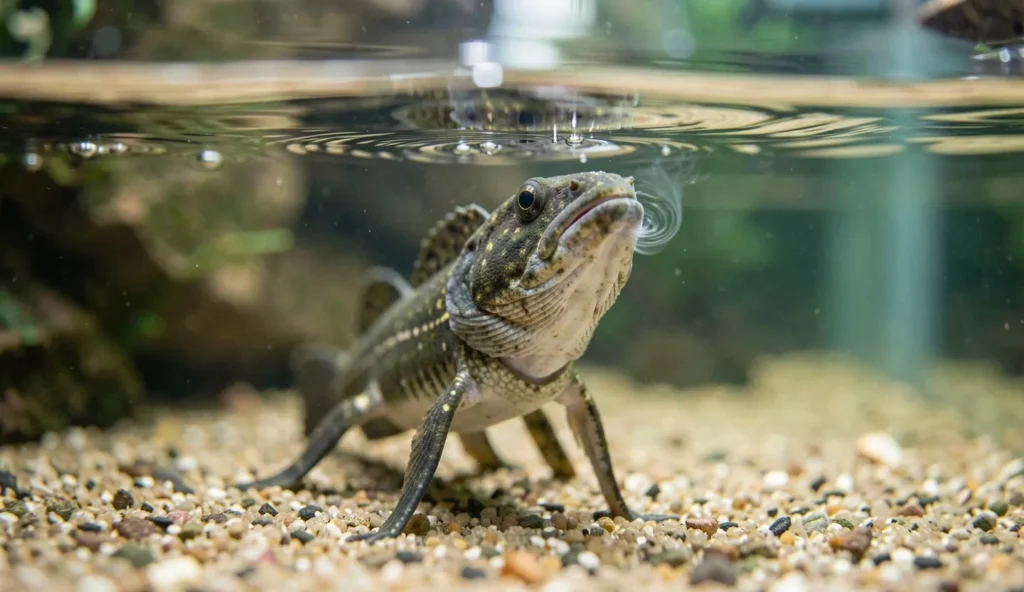
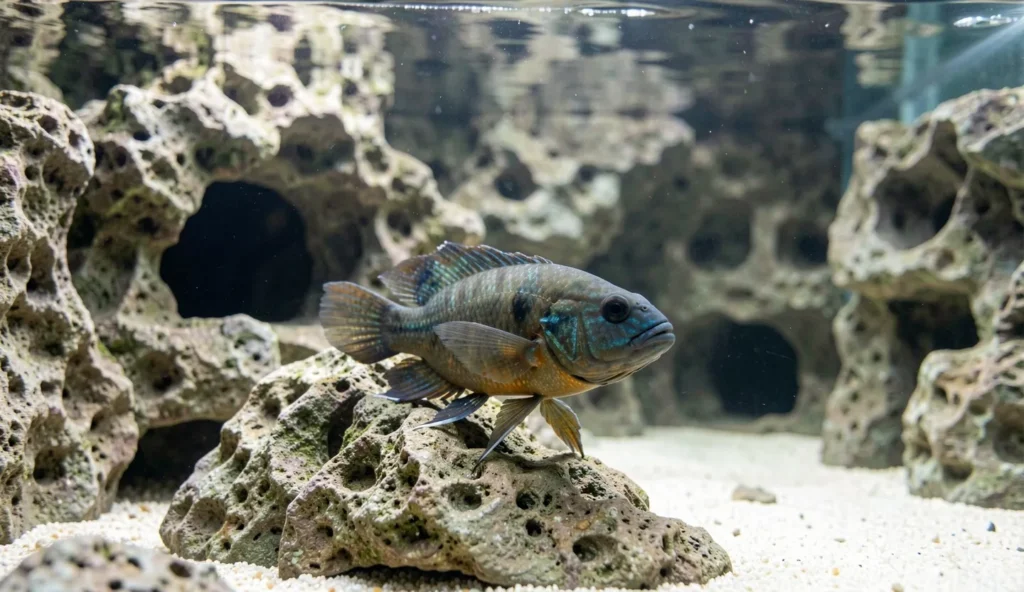
The jack dempsey cichlid is a Central American freshwater cichlid identified as Rocio octofasciata, and it often earns a reputation for being assertive. In captivity, this species typically becomes more reactive around food, digging areas, and breeding zones.
Because the fish defends space using posture and frequent chases, keeping expectations aligned with its natural instincts helps reduce mistakes. With proper planning, conflicts can stay short and manageable rather than constant.
Species Background And Common Name
The jack dempsey cichlid comes from Central America and is known in the trade for its bold, reactive temperament. Hobbyists often call it a “dempsey,” yet the species name remains Rocio octofasciata.
In the aquarium, territorial defense usually shows up most during feeding and breeding. That pattern matters because aggression often follows predictable triggers instead of random behavior.
Why Temperament Changes In Aquariums
Aggression increases when resources are limited, such as fewer hiding spots or too much competition for food. At the same time, stressed fish tend to escalate faster when boundaries feel unclear.
When water quality stays steady and feeding routines remain consistent, overall stress drops. This helps the cichlid spend more time foraging than chasing.
How Aggression Shows Up In The Tank
Jack Dempsey aggression usually follows a clear routine, with intimidation and repeated pursuits concentrated around specific areas. As a result, many keepers notice conflict patterns that match territory.
Common signs include posture changes, fast chases, and damage when fights keep repeating. With careful observation, the early stages often indicate what needs adjustment.
Common Aggressive Behaviors
The most typical aggressive behaviors include chasing other fish near the same route. The jack dempsey cichlid may also corner an individual and return to the target repeatedly.
Intimidation displays often look like head pushing and close approach without immediate injury. Fin nipping can happen during short, tight encounters.
- Chasing other fish near the same route
- Cornering and repeated returns to the same target
- Head pushing and intimidation displays
- Fin nipping during close contact
- Digging and nest guarding near hiding areas
Triggers That Increase Fighting
Fighting often rises after a new fish introduction that breaks territory boundaries. Overcrowding and insufficient tank size also increase collisions and reduce escape routes.
Inconsistent feeding can trigger food competition, which then escalates chases. During breeding season, pair formation and egg guarding can reduce tolerance for nearly all tank mates.
Signs Aggression Is Becoming Harmful
Aggression becomes a serious problem when injuries appear, such as missing fins or visible wounds. Sustained stress also shows up through refusal to eat and constant hiding.
Another warning sign is one fish avoiding all feeding spots and failing to recover after confrontations. When repeated attacks occur without brief retreats, adjustments must happen quickly.
Temperament And Territory In Jack Dempsey Cichlid Behavior
Territory drives most daily behavior in a jack dempsey cichlid, especially around cover and substrate. The fish often positions itself so it can control movement paths and defend preferred zones.
Because aggression focuses on resources, changes to territory and layout usually reduce escalation more than chasing strategies alone. Individual personality also influences how strongly a fish reacts.
Territorial Boundaries And Resource Control
Territory tends to form around feeding zones and preferred cover, including rockwork and cave areas. Aggression often rises when another fish enters the defended zone.
Defense around substrate can also increase when the cichlid holds space near digging sites. In practice, boundary control looks like frequent stationing and short bursts of pursuit.
Pairing And Breeding Related Aggression
During breeding, the pair may attack fish that approach the spawning area. Egg guarding can also reduce tolerance for even previously accepted tank mates.
Pair stability improves when the layout supports separation between the pair and other fish routes. When territories cannot be separated, the aquarium can feel constantly “under siege.”
How Individual Variation Affects Aggression
Some individuals remain calmer than others even under identical conditions. Past tank history and handling can shape how quickly a fish escalates.
Sudden increases in aggression often reflect stress, competition, or a recent change that disrupted routines. That is why water tests, feeding schedules, and stocking changes all matter.
Tank Size And Layout That Reduce Jack Dempsey Cichlid Aggression
Tank setup strongly influences a jack dempsey cichlid, because territory needs space and clear sight breaks. This species can still be aggressive, yet a smart layout reduces direct conflict.
Strong planning also supports long-term stability by lowering stress and improving feeding access. Meanwhile, neglecting setup usually leads to constant boundary disputes.
Minimum Tank Size Considerations
A larger tank size helps spread territories across more space. Shorter tanks can increase collisions and make boundary disputes more frequent.
Extra volume also helps keep water stable, which supports calmer behavior. With stable conditions, the fish often focuses on routine rather than defense.
Territory Friendly Tank Layout
Rock and drift structure can create multiple sight breaks that interrupt direct line-of-sight confrontations. Separate caves for each fish where possible also lowers the chance of one animal being forced into a corner.
Open swimming lanes reduce constant cornering and make retreat possible. Avoid merging every hiding spot into one cluster, since clustering compresses territory and increases conflict.
- Use rock and drift structure to create sight breaks
- Provide separate caves for each fish where possible
- Keep open lanes to reduce constant cornering
- Avoid one cluster of hiding spots
- Use substrate depth for natural digging and territory marking
Filtration And Water Stability For Stress Reduction
Strong filtration supports the higher bioload typical for cichlids and helps reduce stress. Regular water changes also lower irritation and can reduce defensive behavior.
Stable temperature and consistent parameters prevent agitation that triggers rapid escalation. Good flow matters too, because it can prevent weaker fish from getting pushed into the cichlid’s protected corners.
If another cichlid species is part of the stocking plan, tankmates should be selected with aggression patterns in mind, similar to how oscar fish often demand strong feeding and territory planning.
Feeding Strategy To Prevent Competition
Feeding strategy reduces scramble behavior by lowering the chance that one fish steals food from another. Distribute portions across different areas so each animal can eat within its own zone.
Use the same feeding schedule to prevent surprise rushes that spark chases. Uneaten food should be removed quickly to protect water quality and keep the aquarium calm.
For keepers planning a larger community, food distribution also matters when considering an african cichlid alongside territorial fish. Even across different regions, competition for food can create similar conflict patterns.
Best Tank Mates For An Aggressive Cichlid Without Persistent Attacks
Choosing tank mates for an aggressive cichlid works best when behavior matches the layout and the fish size. The main goal stays simple: reduce overlap in routes and defensible zones.
Because the jack dempsey cichlid may defend digging and caves, tank mates that cannot retreat often get stressed. Careful selection usually lowers repeated injuries.
Tank Mate Selection Rules
Tank mates should swim confidently and tolerate being near territory boundaries. Prefer fish with similar size, since much smaller fish may fit into the cichlid’s chase pattern.
Avoid small, slow fish that cannot escape, and avoid fin-shaped fish that can trigger nipping. Fish that can use separate routes and different cover generally fare better in the same system.
- Choose fish with similar size and confident swimming
- Avoid tiny, slow fish that fit inside chases
- Avoid fin-shaped fish that may invite nipping
- Prefer tank mates with separate routes and cover
- Keep groups stable to reduce repeated introductions
Safer Community Styles And Pairing Risks
Single pair setups often reduce unpredictable boundary changes because the defended area stays more consistent. Multi-fish groups can still work, yet only with enough space to support multiple micro-territories.
Overlapping territories raise aggression even when tank mates appear compatible. That risk grows when hiding places cluster into one area.
Cichlid Compatibility With Practical Examples
Some larger cichlids tolerate shared space when there are enough sight breaks and caves. Fast schooling fish may distract the cichlid, but they can still trigger chases if they cross the defended zone.
Bottom dwellers can be attacked if they enter the digging zone repeatedly. Tall rock piles can help by breaking sight lines and giving multiple escape paths.
When planning a multi-species system, it can help to compare territorial expectations with similar species like angelfish care guidance, since vertical space and defended areas often shape outcomes.
How To Introduce Tank Mates Without Starting A Fight
Introductions go better when multiple fish are added at once so aggression spreads across the aquarium. Rearranging the tank before adding fish can reset territory and create more even boundaries.
Early observation during feeding helps detect chase patterns before injuries start. A temporary divider can protect fish if injuries begin, and a spare tank should be planned for urgent removal.
Tank mate strategy also matters when mixing species with different natural habits, such as the calmer bottom focus seen in corydoras catfish. Even calm fish may get targeted when they repeatedly enter a defended substrate area.
Care Guide For A Jack Dempsey Cichlid That Minimizes Stress And Conflict
Daily care affects aggression because stress changes how fast the cichlid responds to perceived threats. A consistent routine often keeps behavior predictable and easier to manage.
Care focuses on feeding, substrate handling, and early health monitoring. When issues are caught early, fights usually do not become entrenched.
Diet And Feeding For Steady Behavior
Offer high quality pellets and meaty foods that match cichlid feeding needs. Feeding small frequent meals reduces the pressure that triggers food competition.
Variety supports condition, and better condition often means fewer stress reactions. Target feeding in different areas also helps prevent one fish from monopolizing food.
Grooming And Substrate Handling For Digging Behavior
Use aquarium safe substrate that supports natural digging and territory marking. Securing rocks prevents collapse when the cichlid shifts substrate during defense.
Vacuum lightly in high waste zones without stripping all cover. Removing every hiding surface can force the fish to defend more actively because it loses routine escape options.
Common Health Issues That Can Look Like Aggression
Ich and other parasites can cause irritation and lead to defensive behavior that resembles aggression. Bloat and poor diet can also increase lethargy and stress responses, which changes how often boundaries trigger conflict.
Injuries from fights may lead to persistent aggression during recovery if pain influences behavior. Appetite changes often provide the earliest sign that something beyond territory control is happening.
What To Do If Aggression Escalates
Increase hiding space and sight breaks immediately when aggression escalates. Confirm tank size and reduce overcrowding if needed to restore retreat options.
Separate injured fish to prevent further damage, and improve water stability and feeding distribution. If incompatibility remains, a divider or spare tank should be used to prevent repeated injuries.
When aggression becomes persistent, it can mirror feeding chaos seen in other territorial fish, such as oscar fish, where routines and territory planning directly influence outcomes.
Is A Jack Dempsey Cichlid Right For The Tank Setup?
A jack dempsey cichlid fits best when the aquarium setup can support territory separation. It also suits hobbyists who can test water regularly and respond quickly if conflict starts.
Planning matters most when other fish share the system. With the right space and layout, aggression can stay within predictable boundaries.
Best Fit Scenarios
Best fit scenarios include experienced hobbyists with space and a clear stocking plan. Strong rock structure with multiple caves also improves outcomes.
A stable feeding routine and reliable water testing schedule help keep stress low. When those fundamentals stay consistent, the fish typically spends more time foraging.
Higher Risk Scenarios
Higher risk scenarios include small tank size and limited cover, because territory boundaries stay too cramped. First time cichlid keepers may struggle if no spare tank option exists for separation.
Delicate or slow tank mates also face higher attack risk. When the intended community cannot retreat, aggression usually finds new targets.
Final Note
With thoughtful territory planning, a jack dempsey cichlid can often live in a stable aquarium system. Tank size, hiding design, and feeding distribution work together to reduce harmful escalation.
Frequently Asked Questions
How Aggressive Is A Jack Dempsey Cichlid Compared To Other Cichlids?
It often stays highly territorial, especially around feeding and breeding zones.
What Tank Size Reduces Jack Dempsey Cichlid Aggression The Most?
More space helps territories spread and reduces repeated direct confrontations.
Do Jack Dempsey Cichlids Get More Aggressive After Pairing?
Pair bonding usually increases defense of the spawning area.
What Tank Mates Are Least Likely To Be Attacked By A Jack Dempsey Cichlid?
Tank mates with similar size, fast confidence, and separate routes are often better.
Can Tank Layout Alone Stop A Jack Dempsey Cichlid From Fighting?
Layout and sight breaks reduce stress, but overcrowding and poor feeding still drive aggression.
When Should An Aggressive Jack Dempsey Cichlid Be Separated?
Separation becomes necessary when injuries occur or one fish cannot feed and recover reliably.
Final Note
A calm aquarium starts with predictable territory boundaries and consistent care habits. Proper planning keeps aggression manageable for long-term success.