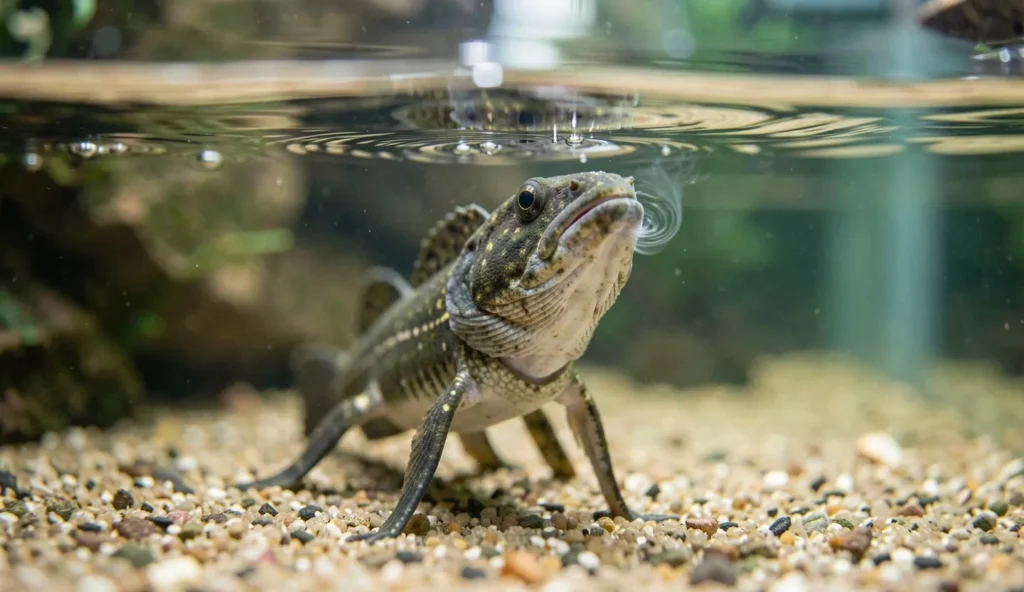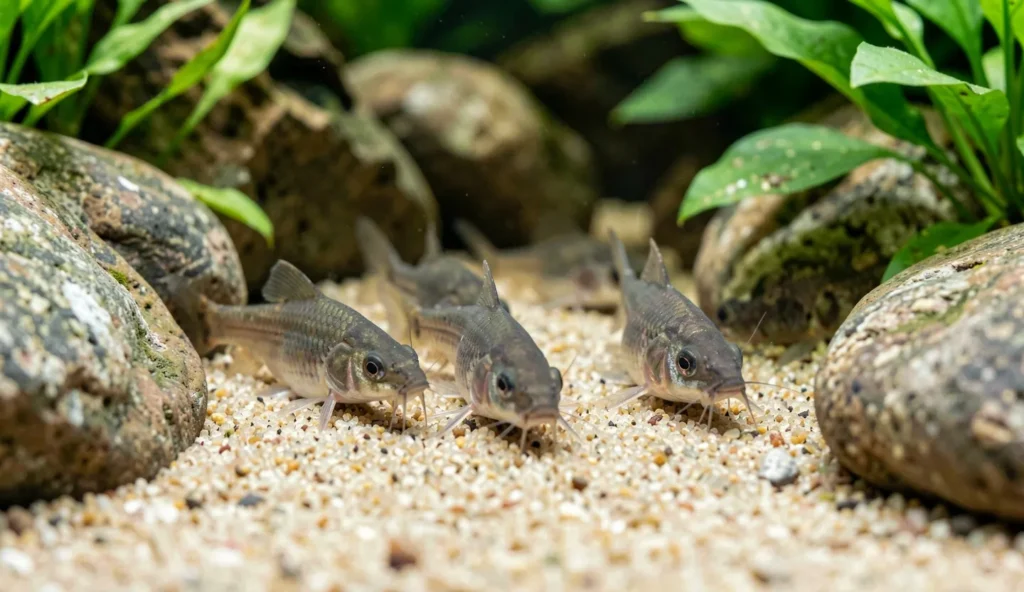
What Are Corydoras Catfish?
Corydoras catfish are small freshwater fish from South America, known for calm behavior and constant bottom foraging. Many community tank owners choose Cory species because these peaceful catfish help clean leftover food while staying compatible with other fish.
Where Corydoras Catfish Come From
Corydoras catfish come from slow streams and river edges across South America. Wild habitats often include sand, leaf litter, and natural hiding spots along the bottom.
Because they evolved near soft substrates, their barbels function best in sand and smooth materials. This detail matters when planning an aquarium cleanup focused on fish health.
Why Corydoras Catfish Are Popular Bottom Dwellers
They spend most of their time near the substrate and lower tank area. When well fed, Corydoras catfish browse the bottom for leftover food and detritus.
They also tolerate typical community setups when tank mates are calm and the tank stays stable. Their foraging style makes them useful for owners who want bottom dwellers that behave predictably.
What Corydoras Catfish Need To Thrive
Stable water and the right substrate form the foundation for long-term success. They do best in groups, since stress increases when fewer fish are available for social behavior.
Diet quality also affects growth, color, and immune strength. A consistent feeding plan helps corydoras catfish stay active and reduces the risk of nutritional gaps in a community tank.
For more ideas on building a low-stress tank environment, it can help to compare with other gentle pets like the Ragdoll Cat that tend to do well in calm home routines.
Popular Cory Species And Their Key Differences
Choosing among corydoras catfish varieties becomes easier when appearance, size, and care needs get compared. Panda, bronze, and peppered corydoras are among the most recognized options for beginner aquarists.
In most cases, all Cory species share the same core requirements like sand substrate and group housing. Still, their color patterns and adult size can change how they fit a community tank.
Panda Corydoras Appearance And Traits
Panda corydoras display dark patches on a lighter body, creating a bold panda-like pattern. They typically stay hardy, but they still need clean, calm water and gentle handling.
Soft sand helps protect barbels, which reduces feeding stress. When barbels stay intact, these peaceful catfish can browse more evenly across the tank floor.
Bronze Corydoras Appearance And Traits
Bronze corydoras show a metallic bronze to olive tone that looks especially rich under natural-style lighting. They often become active during feeding time and continue grazing afterward.
Plants, rocks, and driftwood offer helpful cover so corydoras catfish feel secure. These decor items also support beneficial biofilm that forms on surfaces over time.
If tank aesthetics also matter, some owners like pairing peaceful bottom dwellers with other elegant species. That mindset can also show up in cat breed choices like the Russian Blue cat, which is valued for its calm temperament and striking look.
Peppered Corydoras Appearance And Traits
Peppered corydoras have a speckled pattern across the body with a peppered, mottled appearance. They usually prefer groups and do best with gentle tank mates that do not harass the bottom.
With appropriate substrate, peppered corydoras forage steadily. Their consistent browsing can improve how quickly leftover food gets cleared in busy community tanks.
How To Compare Cory Species Before Buying
Begin by checking expected adult size, then compare that to the tank footprint and planned stocking. Confirm the exact species name with the seller, since “cory” labels can sometimes be vague.
Healthy fish typically show clear eyes and intact barbels. Also inspect color for signs of patchy loss, since unusual fading can reflect poor nutrition or prolonged stress.
How To Set Up A Corydoras Catfish Aquarium
Setting up a corydoras catfish aquarium goes beyond buying a filter and adding sand. A proper tank setup supports oxygen levels, reduces chemical stress, and prevents barbel injury.
Community tank owners often succeed by focusing first on substrate safety and stable water parameters. Once that base works, decor and lighting can be added without causing sudden stress.
Tank Size And Group Size Recommendations
Corydoras catfish do best in a group, because social behavior encourages calm grazing. More individuals usually require more bottom space and steadier water conditions.
Choose tank size based on the adult size of the exact Cory species. If a community tank gets overcrowded, food competition and stress can rise even when fish are peaceful.
Best Substrate For Corydoras Catfish Health
Use fine sand or smooth substrate to protect barbels during feeding. Avoid sharp gravel that can injure the mouth feelers and make foraging more difficult.
Rinse sand before adding it to reduce cloudiness. This step also helps the tank cycle stabilize faster without excessive suspended particles.
Filtration And Water Flow Settings
Provide gentle flow with strong biological filtration, since corydoras catfish rely on stable oxygen and clean water. Avoid powerheads that blast the bottom area and disrupt natural grazing zones.
Regular maintenance keeps ammonia and nitrate from spiking. When water changes match the biofilter capacity, peaceful catfish stay active and feed normally.
Water Parameters And Temperature Targets
Aim for stable temperature and consistent pH over time rather than frequent swings. Testing supports accuracy, so a reliable kit for ammonia, nitrite, and nitrate should become standard gear.
Partial water changes help manage nitrates, especially in community tank setups with multiple feeders. If the tank remains cycled and stable, corydoras catfish usually handle minor differences better.
Owners who keep other animals often follow predictable care patterns. That approach resembles maintaining litter and diet routines for a Persian cat, where stability helps reduce stress-related problems.
Decor Plants And Hiding Places That Work
Add rocks, driftwood, and plants to create shelter and resting areas. Leave open sand sections where corydoras catfish can forage without constant interruption.
Many aquarists also notice that decor supports stable biofilm growth. Biofilm forms naturally on surfaces and can supplement the feeding routine during normal grazing.
Lighting And Tank Rhythm For Stress Reduction
Moderate lighting supports day and night behavior while keeping fish visible during observation. Shaded areas created by plants and decor allow fish to retreat when lights feel too bright.
During acclimation, dim lights and reduced disturbance can reduce stress. This schedule helps corydoras catfish transition without frantic movement or hiding.
What To Feed Corydoras Catfish For Healthy Foraging
Feeding determines whether corydoras catfish get enough nutrition in a community tank. Their diet should focus on foods that sink, since these bottom dwellers spend most of their time near the substrate.
When sinking foods reach the bottom reliably, aquarium cleanup becomes easier. This is because less uneaten food stays in the water column.
Best Food Types For Bottom Foragers
Offer sinking pellets and wafers sized for small mouths and gentle grazing. Use high quality frozen or live foods for protein, since variety supports growth and color.
Plant matter can appear as a small portion, but most nutrition should come from balanced feed. A consistent protein base supports healthy barbels and strong immune response.
How To Prevent Food Competition In Community Tanks
Feed at times when more aggressive fish are less dominant during feeding. Target sinking foods that reach the bottom so bottom dwellers can eat without chasing.
Observe each feeding to confirm corydoras catfish consume food every time. If they miss feedings repeatedly, thin bodies and dull color can show up later.
Some owners manage feeding similar to how cat owners choose calm companions like Abyssinian Cat, where enrichment and routine can reduce stress. In aquariums, the principle remains the same, consistent timing supports steady behavior.
Feeding Schedule And Portion Guidelines
Feed small amounts that finish quickly, then adjust portions based on activity. Most aquarists feed once or twice daily, depending on tank size and stocking density.
Portions should match the group size, since more fish need more food. If food remains uneaten, water quality can decline and stress can rise.
Signs They Are Not Getting Enough Or Eating Correctly
After feeding, a lack of foraging can indicate competition or food not reaching the bottom. Thin bodies and faded color often suggest poor nutrition or inconsistent feeding.
Sinking uneaten food can also worsen water quality, so remove excess when possible. Stable feeding and clean water usually restore normal behavior in a short time.
Corydoras Catfish Temperament And Tank Mate Choices
Corydoras catfish usually act calm and social, which makes them strong candidates for community tank owners. They spend time grazing and do not typically chase other fish.
Still, stress can increase if kept alone or paired with aggressive species. Matching temperament and feeding style helps peaceful catfish keep harmony.
Are Corydoras Catfish Peaceful
They generally show peaceful behavior and often forage together. When the group feels safe, they can spend hours moving across the substrate.
If they stay alone, they may hide more often or show less steady feeding. A stable group reduces stress and helps corydoras catfish handle normal community movement.
Ideal Community Tank Species
Choose calm, community fish that tolerate bottom dwellers. Small schooling fish can work well because they occupy midwater and do not monopolize the substrate.
Avoid tank mates that constantly harass fish at the lower level. If the bottom becomes a conflict zone, corydoras catfish may not feed enough.
For general pairing ideas across species, some owners also review Best Pet Breeds in the World to understand how temperament can guide compatibility. Aquarium selection follows the same logic, peaceful matches reduce stress.
Tank Mates To Avoid
Avoid aggressive cichlids and fin nippers, since they can damage corydoras catfish during grazing. Avoid large predatory fish that can eat smaller corydoras, even if the tank looks calm.
Also avoid strong swimmers that push out bottom feeders during feeding. When food gets consumed before it sinks, bottom dwellers lose nutrition despite being present.
How To Add Corydoras Catfish Without Stress
Acclimate slowly to reduce temperature and water chemistry shock. Add corydoras catfish after the main tank has stable cycling and consistent parameters.
Keeping the group size consistent also helps reduce chasing inside the tank. With stable routines, corydoras catfish usually start grazing sooner.
Common Health Issues And Care Tips For Long Term Success
Common problems for corydoras catfish usually connect to substrate safety and water quality. When either issue occurs, stress increases and feeding can slow down.
Preventive care works best because many symptoms reflect underlying conditions rather than one isolated cause. Routine monitoring helps keep peaceful catfish healthy in community aquariums.
Barbel Injuries And Substrate Related Problems
Sharp gravel can damage barbels and make feeding harder. If barbels get injured, infection risk can rise and recovery can take longer.
Switching to sand often improves long-term outcomes. After substrate changes, allow time for fish to adjust and confirm normal bottom foraging returns.
Water Quality Issues That Affect Corydoras Catfish
Ammonia and nitrite stress can harm sensitive fish quickly. High nitrate can also reduce appetite and weaken health over time.
Consistent partial water changes support stable conditions and reduce chemical stress. Test before symptoms start, since prevention usually costs less effort.
Owners who prefer simple monitoring routines sometimes compare methods to cat grooming habits like those seen with Ragdoll Cat care, where routine helps catch minor issues early. In aquariums, testing fills the same role.
Ich And Other Common Signs To Watch For
Watch for white spots, unusual scratching, and clamped fins. Also monitor appetite and normal bottom foraging, since illness often changes feeding first.
Before treating, test water to rule out parameter problems. Many cases that appear like disease actually come from unstable water chemistry.
Routine Maintenance That Keeps Them Active
Siphon waste carefully without stirring sand too aggressively. Clean only what is necessary so beneficial bacteria remain intact in the substrate and filter media.
When rinsing filter media, use removed tank water to protect biological surfaces. This practice helps the filter maintain fast biological processing after maintenance.
Breeding Basics For Beginners Without Advanced Setup
Breeding often depends on group condition and stable water parameters. Triggering sometimes involves careful changes that simulate seasonal shifts.
A separate breeding setup can improve egg and fry survival. For beginners, focusing on stable feeding and gentle water quality often provides the best results.
Starter Checklist For New Corydoras Catfish Owners
This starter checklist helps community tank owners build a reliable first setup for corydoras catfish. Each item focuses on safety, feeding, and water stability.
Tank Setup Checklist
- Use fine sand or smooth substrate for safe bottom foraging
- Choose a tank large enough for the planned Cory species group
- Set up gentle filtration with stable biological media
- Add hiding places with driftwood, rocks, and live or hardy plants
- Test water regularly before and after adding fish
Feeding Checklist
- Offer sinking pellets or wafers at every feeding
- Add frozen or live foods for protein and variety
- Feed portions that finish quickly to prevent waste
- Confirm corydoras catfish reach the bottom and eat
Health Monitoring Checklist
- Watch barbels for cuts, fraying, or missing tips
- Track appetite and normal bottom activity after feeding
- Act on water test results before treating suspected disease
- Maintain partial water changes to keep nitrates stable
For broader community aquarium planning, many people also review temperament notes like those found in Best Indoor Cat Breeds, where compatibility and stress tolerance guide choices. Aquarium selection benefits from the same kind of planning.
Is Corydoras Catfish Right For A Community Aquarium
Corydoras catfish fit many community tanks because they tend to be peaceful and stay focused on substrate foraging. Still, they require sand-safe setup and stable water quality to thrive.
Owners who can maintain routine feeding and partial water changes usually find that peaceful bottom dwellers add reliable cleanup value. For those who want less work later, planning the substrate early prevents most common problems.
Best Situations For Keeping Corydoras Catfish
- Best when paired with calm fish that tolerate bottom dwellers
- Great for owners who can maintain consistent substrate and water quality
- Ideal when sinking foods reliably reach the bottom
Potential Challenges To Plan For
- Competition at feeding can reduce nutrition if tank mates eat first
- Rough gravel can damage barbels over time
- Poor water quality can appear as reduced activity and appetite
A Final Note On Building A Healthy Routine
Corydoras catfish do best when routine stays consistent, especially for substrate safety and regular water testing. When those basics are in place, community aquariums usually run smoother for everyone.
Frequently Asked Questions
How Many Corydoras Catfish Should Be Kept Together?
Keep them in a group, since corydoras catfish show calmer behavior with more companions.
What Substrate Is Safest For Corydoras Catfish?
Use fine sand or smooth substrate to protect barbels and support comfortable foraging.
What Do Corydoras Catfish Eat In A Community Tank?
Feed sinking pellets or wafers and ensure they reach the bottom for reliable intake.
Are Corydoras Catfish Peaceful With Other Fish?
They are generally peaceful with calm community tank mates that do not harass the lower tank area.
Why Are My Corydoras Catfish Staying At The Top Of The Tank?
Check water quality and oxygen first, then correct the underlying issue causing stress.
What Common Health Problems Affect Corydoras Catfish?
Substrate injuries and water quality issues are frequent concerns that can affect appetite and activity.