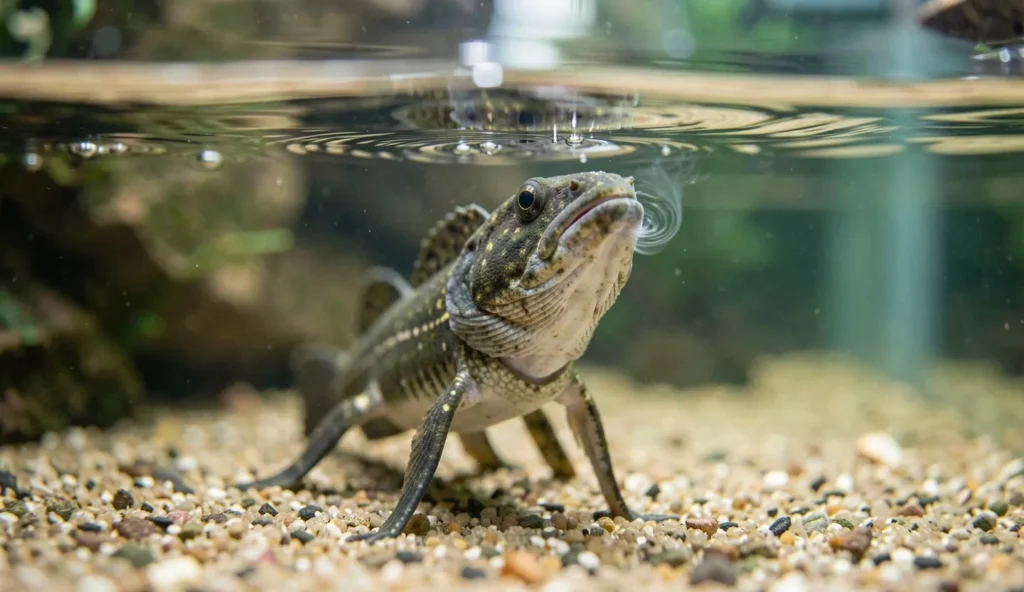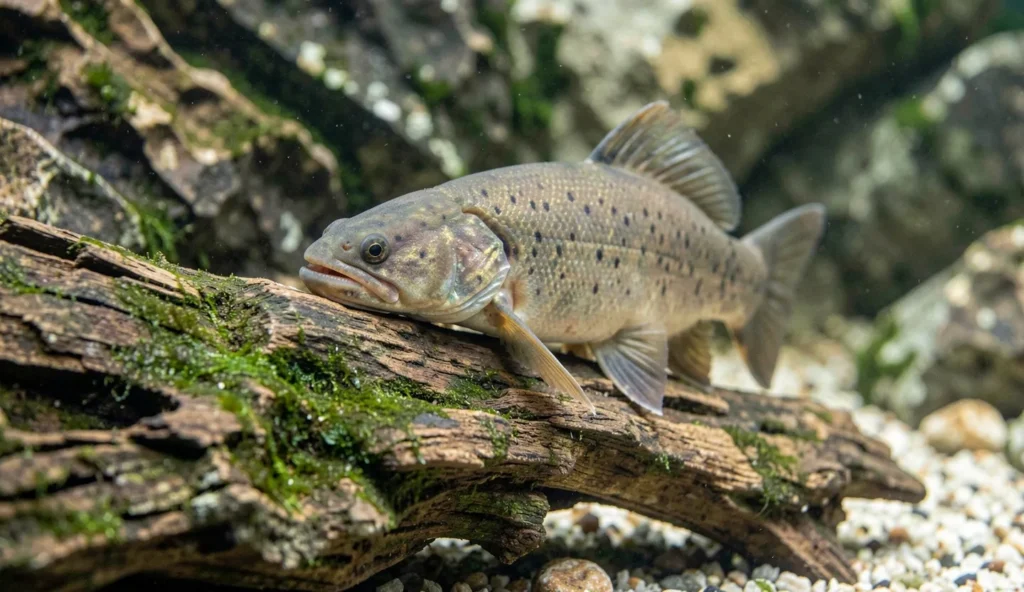
What Is A Plecostomus Fish?
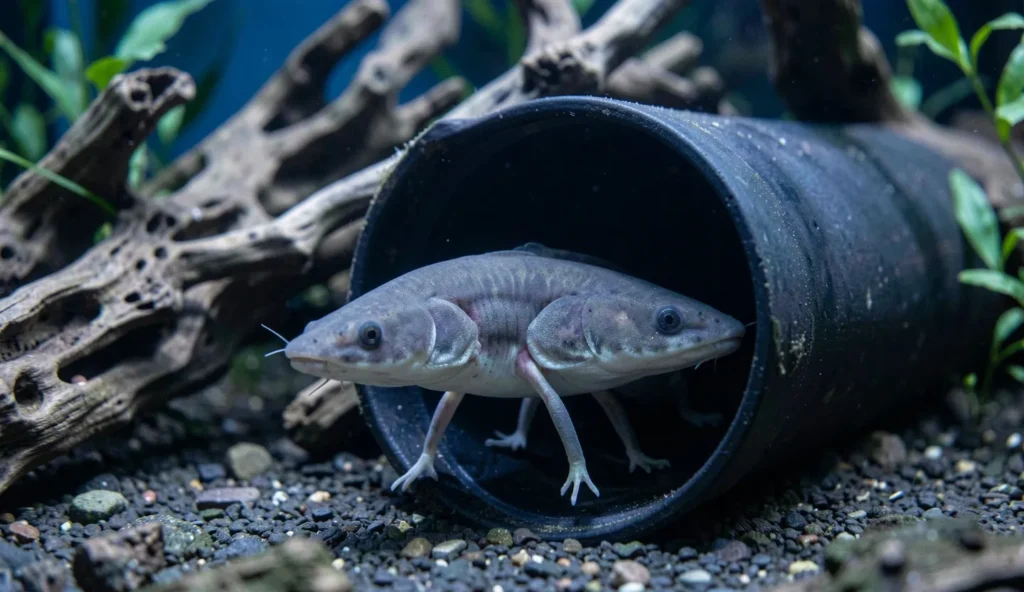
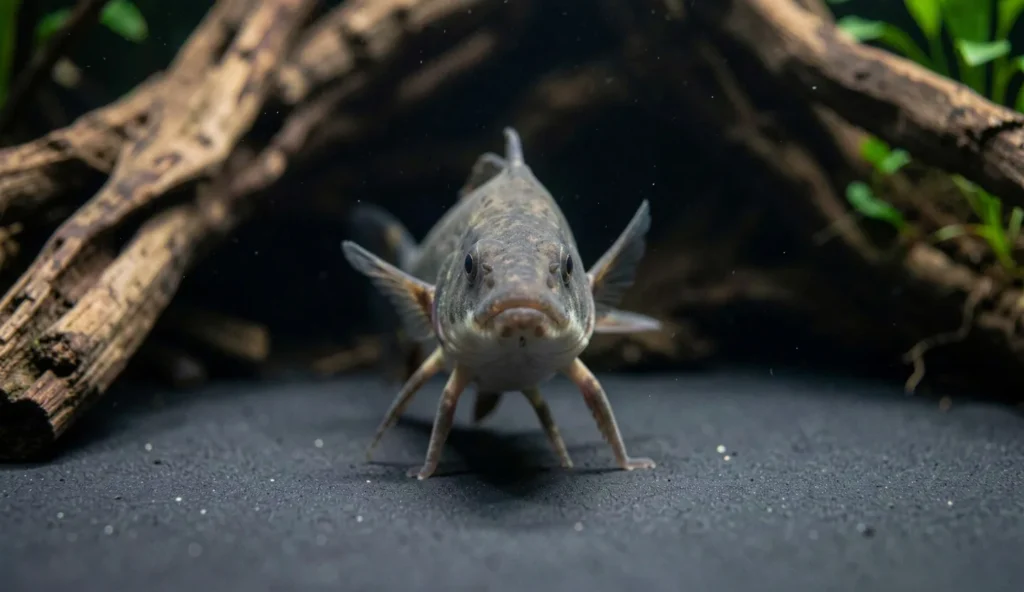
Plecostomus fish are common freshwater aquarium catfish known for scraping surfaces and grazing algae and biofilm. Many hobbyists call them algae eater fish, but the “plecostomus” label covers multiple pleco species with different algae eating results.
Which Fish People Usually Call Plecostomus?
Many pet stores use “plecostomus” for several pleco species that look similar in stores. Common pleco is often the one sold most frequently, while other species may share the name but not the same grazing habits.
Because species identification matters, care outcomes differ even when the fish appear alike at first. That is why it helps to verify the exact species when buying any algae eater.
How Plecos Eat Algae In The Wild?
In natural habitats, plecos graze on biofilm and algae that grows on rocks, wood, and other hard surfaces. They scrape textures using specialized mouthparts designed for holding onto uneven surfaces.
Natural grazing also explains why surfaces and tank maturity affect how actively pleco care needs to support feeding. When surfaces are absent or the tank stays too clean, grazing behavior often slows.
Algae Eating Vs Algae Control
Algae eating depends on what the fish can access, plus what else is available as food. Algae control improves when algae growth is balanced and algae remains the easiest accessible grazing option.
Overfeeding, unstable water, and poor maintenance can reduce algae eating by shifting what the fish eats first. For many tanks, better pleco care means combining clean water practices with sensible feeding rather than relying on algae alone.
How Effective Are Pleco Species At Eating Algae?
Plecostomus fish can support algae control, but the species and adult size decide how reliable that support becomes. Even strong algae eater candidates may not manage heavy algae if tank conditions keep nutrients out of balance.
Expect variations in activity level, scraping style, and what the fish prefers as surfaces mature. Choosing a species that fits the tank size supports better algae eater performance over time.
Common Pleco Effectiveness
Common pleco can consume algae, but it often outgrows typical home tanks as it matures. Younger fish may appear to graze constantly, which can create the impression that algae control is guaranteed.
Stable water quality and enough textured surfaces also matter for ongoing grazing. If the common pleco lacks space or hiding options, it may become less active.
If a larger species question comes up, comparing common pleco to other pleco types helps clarify what to expect for adult tank size and long-term care. Hobbyists who also want broader context can compare marine grazers by reading about Common Dolphin to see how species traits influence feeding behavior, even though habitats differ.
Bristlenose Pleco Effectiveness
Bristlenose pleco is frequently easier to house long term because it stays smaller than many classic “plecostomus” types. In many aquariums, bristlenose pleco stays consistently active during grazing periods.
Still, algae alone rarely covers all nutrition needs. Proper diet must be planned so the fish continues grazing rather than declining due to incomplete feeding.
Other Pleco Types People Ask About
Some pleco species sold as algae eaters focus more on biofilm than on visible surface algae. Effectiveness varies with species size, tank maturity, and how much driftwood and rocks are available.
Matching species to tank size and hardscape prevents common issues like inactivity or stress. When pleco care includes the right environment, algae eating becomes steadier and easier to monitor.
Because many hobbyists also research unusual algae grazers, reviewing differences between grazing-focused species can prevent mismatched purchases. For a different but relevant grazing story, some keepers compare freshwater grazing behavior to other aquarium grazers such as Axolotl, which highlights how diet needs still shape overall health and behavior.
What Makes A Pleco Eat More Algae?
Plecos often increase grazing when tank surfaces develop biofilm and algae growth naturally over time. Consistent feeding habits also help, because the fish stays focused on grazing instead of searching for alternative foods.
Stress from unstable parameters can reduce activity, which then reduces visible algae removal. Clean, stable water supports normal pleco behavior, so plecostomus fish can keep scraping regularly.
Tank Size And Setup That Support Algae Eating
Tank size and setup directly affect how well plecostomus fish can graze and how reliably they stay healthy. Larger pleco species need more room for movement and enough surfaces to spread grazing across the tank.
Setup also shapes algae presence by influencing nutrient balance and light levels. When pleco care includes the right tank size and surfaces, algae eater behavior becomes easier to sustain.
Minimum Tank Size By Pleco Type
Tank size depends on the adult size of the exact species, not the size of the fish at purchase. Common pleco typically needs very large tanks as an adult, while smaller plecos still require adequate space to move and hide.
To avoid long-term problems, planning tank size first prevents stunting and reduces stress. That planning also determines how many textured surfaces can be offered for constant grazing.
For owners trying to refine expectations about species traits, comparing different algae related species pages can make the sizing concept clearer. Reading about Amazon River Dolphin shows how species-specific traits tie to habitat needs, even if plecos live in very different environments.
Filtration, Flow, And Oxygen
Plecos prefer clean, well filtered water with stable conditions. Moderate water flow helps keep oxygen levels strong and keeps surfaces from developing unhealthy buildup.
Strong currents can stress some smaller plecos, which can then reduce grazing. In pleco care, matching filtration to tank size while keeping flow gentle supports normal scraping and resting cycles.
Hardscape And Surfaces For Grazing
Rocks and driftwood provide textured grazing surfaces, and biofilm typically develops on stable, safe materials. Enough hiding spaces also matter, because plecos often retreat when lights change or when tank activity increases.
Providing multiple surface zones reduces competition and helps the fish use its preferred angles for scraping. When decor is arranged for easy access, algae eater performance becomes more predictable.
Lighting And Tank Maturity For Algae Control
Lighting and nutrient balance decide how algae grows and what type it becomes. A young tank may not have enough established biofilm and algae textures for plecostomus fish to graze effectively.
At the same time, nutrient control still matters, because uncontrolled nutrient spikes often create algae blooms. Pleco care works best when maintenance addresses nutrients while still allowing realistic grazing surfaces to develop.
Some hobbyists also track how different species handle habitat changes and long-term stability. For a reminder about habitat fit and stability, reading Peale’s Dolphin can reinforce that environment changes affect activity even when feeding behavior looks similar.
Pleco Diet And Feeding For Reliable Algae Support
Plecostomus fish often graze constantly, but algae alone usually does not meet all nutrition needs. A planned diet supports growth, helps prevent digestive problems, and keeps algae eater behavior consistent.
With proper feeding, algae control becomes part of a balanced routine rather than a gamble. Pleco care improves when foods supplement grazing instead of replacing it abruptly.
What Plecos Actually Need Beyond Algae
Plecos need a varied diet that includes plant matter and fiber, plus some protein in moderation. Wood and biofilm support natural grazing habits, but they do not eliminate the need for supplemental food.
Without supplemental diet, fish can slow grazing and may show reduced health over time. Diet planning also helps prevent stunted growth, especially in smaller tanks where algae cannot keep pace.
Best Foods To Offer In A Pleco Diet
Zucchini and cucumber work well as occasional staples when blanched briefly and offered in controlled portions. Blanched leafy greens also provide plant fiber that supports digestion and grazing behavior.
Algae wafers or sinking pleco pellets should serve as primary supplemental food. Driftwood and safe wood also support scraping needs and give the fish a consistent grazing surface.
If diet planning overlaps with species research, it helps to learn how other aquarium pets handle diet and feeding consistency. For example, owners who compare care routines may find Eclectus Parrot useful as a case study in how nutrition supports consistent behavior, even though the species is different.
Feeding Schedule And Portion Control
Feeding works best when done after lights out or during early evening, since many plecos become more active then. Portions should be small enough that food is eaten quickly, which helps protect water quality.
Uneaten food increases nutrients and can worsen algae issues. In pleco care, removing leftovers and monitoring how fast foods disappear keeps feeding aligned with tank goals.
Should Plecos Be Fed If Algae Is Present?
Yes, algae presence does not guarantee complete nutrition, especially if the algae type is limited or the tank stays overly cleaned. Supplemental foods reduce malnutrition risk and support healthy, steady grazing.
If algae decreases due to overgrazing or improved maintenance, diet support becomes even more important. A consistent feeding routine keeps plecostomus fish active without relying on algae availability alone.
Common Pleco Care Tips That Improve Health And Grazing
Pleco care supports algae eating by keeping water stable and by maintaining the conditions that encourage normal scraping. When tank quality drops, grazing often slows quickly, which then reduces algae control.
Healthy plecos also tend to explore more surfaces, which spreads grazing across the tank. For reliable results, focus on water parameters, maintenance habits, and early symptom checks.
Water Parameters That Support Pleco Behavior
Stable temperature helps maintain normal activity, and clean water reduces stress and supports continuous grazing. Regular testing helps manage ammonia and nitrate levels that can otherwise cause stress behavior.
When water stays stable, plecostomus fish often handle feeding and grazing patterns more consistently. Stress reduction supports both appetite and sustained algae eater activity.
Tank Maintenance That Keeps Algae In Balance
Regular water changes limit excessive nutrient buildup that fuels nuisance algae. Siphoning debris and avoiding overfeeding also prevent nutrient spikes that can overwhelm the fish’s grazing capacity.
Allowing beneficial biofilm to develop on safe decor supports steady grazing. In pleco care, the goal is balance, not a sterile tank that leaves no textures to scrape.
Grazing Behavior Changes To Watch For
A drop in grazing can signal hunger, stress, or insufficient surfaces. Inactivity can also indicate water quality issues or illness, so behavior monitoring matters between feeding times.
New plecos often adjust behavior during the first days, so sudden changes may settle if conditions stay stable. If reduced activity continues, checking parameters and diet helps identify the cause quickly.
Species context can also help interpret behavior, because some pleco types tend to graze more actively than others. Reading Commerson’s Dolphin may remind readers that activity levels differ across species, even when they share a broad feeding role.
Common Health Issues And When To Get Help
Health problems can stop algae eating, so plecostomus fish require early attention if behavior changes. Many issues start with diet gaps or poor water quality, which then affects digestion, skin condition, and appetite.
When signs appear, faster action usually improves outcomes. Pleco care includes monitoring both feeding and physical condition to catch problems early.
Signs Of Stress Or Poor Water Conditions
Clamped behavior or hiding more than usual can indicate stress from water problems. Loss of appetite often follows worsening conditions, and skin changes can appear during ongoing stress.
If stress signs persist, test water parameters and review recent changes to filtration or feeding. Quick corrections often restore grazing behavior when the fish is otherwise healthy.
Digestive And Diet Related Problems
A diet that relies only on algae may stay incomplete for nutrition needs, which can lead to digestive issues. Constipation can reduce activity and grazing, making algae control worse even if the fish looks fine.
Switching to a more balanced diet with sinking plant based options supports digestion. Pleco care improves when feeding aligns with fiber needs and scheduled portions.
Injury And Surface Scraping Issues
Rough decor edges can injure a pleco’s mouth or skin during grazing sessions. Providing smooth driftwood and stable rocks reduces the risk of scraping damage.
Sometimes tank mates add stress or cause injury, so separating aggressive companions can become necessary. When injuries are suspected, adjust decor immediately and observe healing.
Is A Plecostomus Fish Right For This Tank?
Plecostomus fish can work well for algae control when setup and expectations match the exact species. Choosing based on adult size, available hardscape, and maintenance routine prevents many common failures.
For aquarium hobbyists focused on tank maintenance, pleco care becomes easier when the tank supports grazing zones from day one. Algae control improves when diet and water quality work together.
Quick Checklist For Choosing A Pleco
- Confirm the adult size for the exact pleco species.
- Ensure the tank size matches adult needs, not baby size.
- Plan for driftwood and rock surfaces for grazing.
- Commit to regular water testing and tank maintenance.
This checklist helps keep expectations realistic and supports reliable algae eating. It also reduces the chance of buying a fish that outgrows the tank quickly.
Realistic Expectations For Algae Control
- Plecos help, but they do not replace feeding balance.
- Algae control depends on light and nutrient balance.
- Proper diet keeps plecostomus fish healthy for steady grazing.
When maintenance stays consistent, plecostomus fish typically graze more often and with fewer behavior problems. That is the best way to support algae eater goals long term.
For readers also planning other aquarium species care, comparing care methods can improve consistency. Those learning broader aquarium planning may find Axolotl care helpful as a reminder that diet planning matters across species, even when algae eating is not part of the routine.
Frequently Asked Questions
Do Plecostomus Fish Eat All Types Of Algae?
Plecostomus fish graze algae they can access on surfaces, and different species may prefer different algae types.
Why Is My Pleco Not Eating Algae?
Check water quality and stress conditions first, and offer sinking pleco food since algae may not be enough.
How Often Should Plecostomus Fish Be Fed?
Feed most plecos once daily or a few times weekly, adjusting portions so food is eaten quickly.
What Tank Size Does A Common Pleco Need?
Common pleco grows large and needs very large tanks, so matching tank size to adult size is essential.
Can Overfeeding Reduce How Much A Pleco Eats?
Yes, excess nutrients and uneaten food can disrupt algae balance, while controlled feeding supports grazing behavior.
Final Note
Plecostomus fish support algae eating best when species choice, tank size, and diet match their natural grazing needs. Proper pleco care keeps the fish healthy and helps algae control stay reliable.