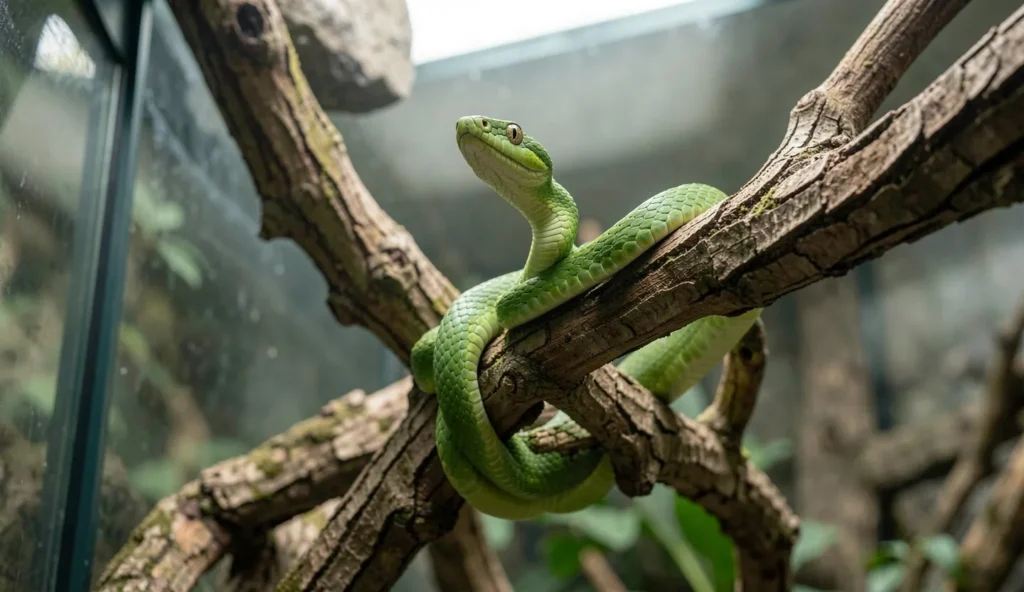
What Is a Dumeril Boa?
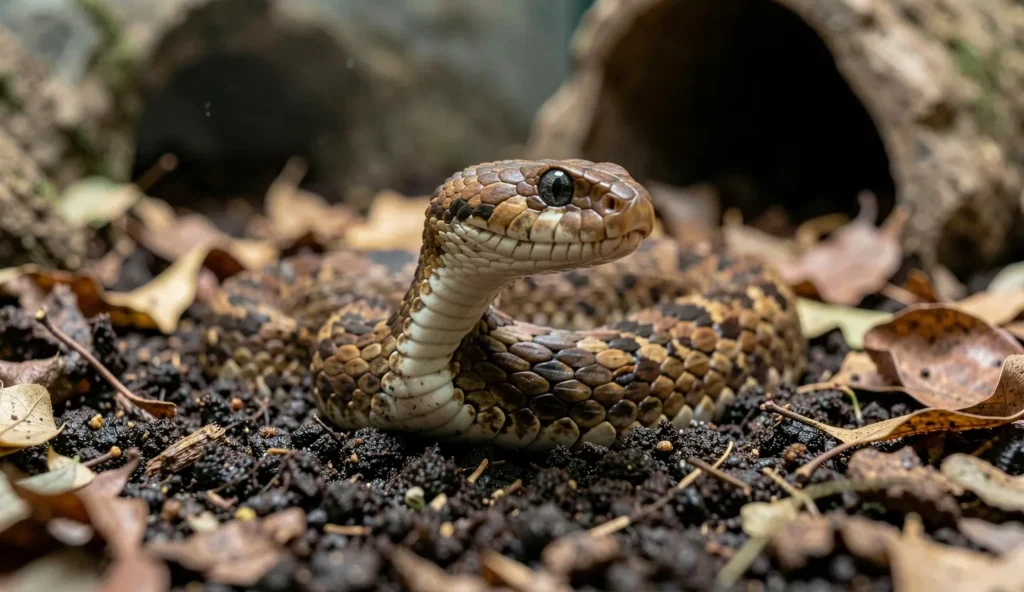
The Dumeril Boa is a nonvenomous constrictor that originated in Madagascar, where it lives in warm, sheltered forests and woodlands. As a keeper, expectations usually focus on a calm temperament, moderate growth, and steady, predictable husbandry. For anyone comparing boa options, the Dumeril Boa often feels more manageable than many other large constrictors.
Natural conditions influence how the Dumeril Boa behaves in captivity, especially with daily temperature stability and seasonal humidity shifts. When care matches those needs, stress usually stays lower and routines feel easier to maintain. At the same time, individual personality can still differ across snakes.
Origin and Natural Habitat
Native to Madagascar, the Dumeril Boa lives in forest and woodland areas with cover and stable microclimates. Seasonal humidity and temperature shifts occur in the wild, so the enclosure setup should not be treated as a one size schedule. Gradual adjustments help keep skin and appetite stable over time.
Typical Dumeril Boa Traits
Many keepers describe this snake as generally docile and easier to handle than more flighty species. In a stable environment, it often prefers quiet, consistent routines rather than frequent changes. It also has a moderate build compared with larger constrictors, which supports calmer daily interactions.
Lifespan and Size Expectations
The Dumeril Boa typically lives a long time in captivity when temperatures, feeding, and husbandry are consistent. Size varies by sex and genetics, so planning should focus on the range rather than a single number. Long term housing matters because upgrades to a Dumeril boa enclosure are still part of normal ownership.
Dumeril Boa Appearance and Size Range
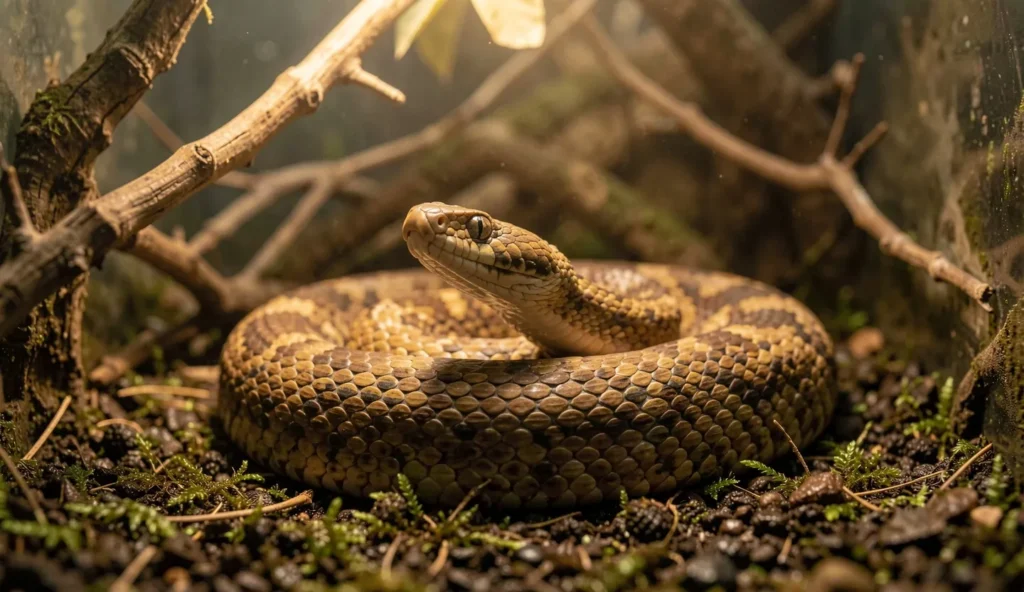
Physical appearance often drives first impressions, but measurement helps confirm the snake fits the plan for handling space and enclosure layout. The Dumeril Boa usually shows a stocky body and strong musculature suited for constricting. Patterning can range from bold to more subtle, depending on genetics and individual variation.
Beyond appearance, clear expectations for Dumeril boa size prevent common mistakes like underestimating the final enclosure or overhandling a still growing animal. Since growth depends heavily on husbandry, feeding schedule, and temperatures, expectations should remain realistic and flexible.
Physical Features You Will Notice
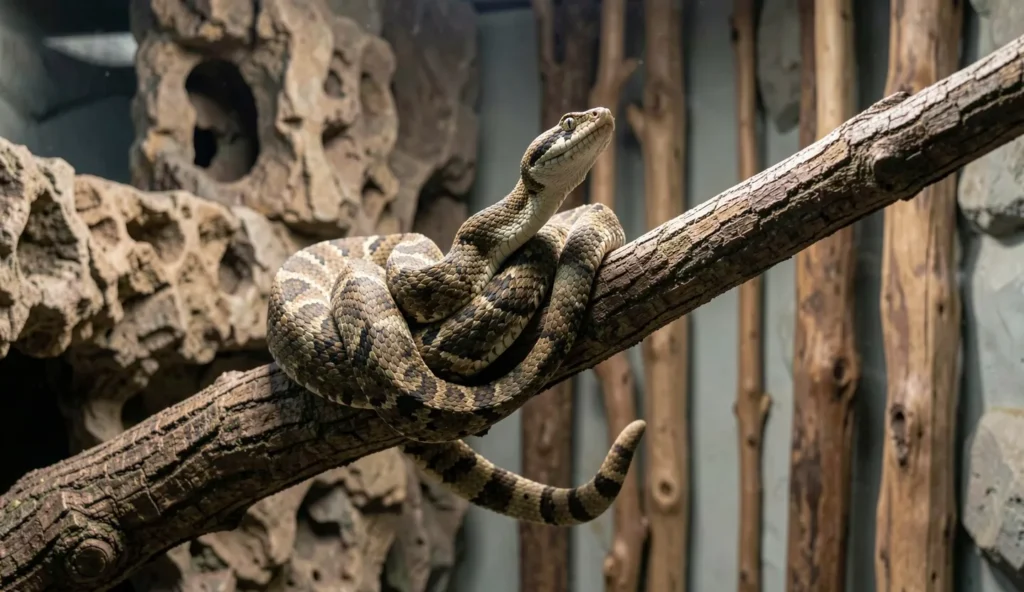
This snake commonly has a thick, muscular frame with a head shape built for gripping and secure holds. Patterning may show irregular patches and banding, and the overall look often remains attractive even as the animal matures. Strong body shape also affects how it moves and how it settles during handling.
Dumeril Boa Size by Age and Sex
Juveniles usually start smaller and grow steadily with consistent warmth and properly sized meals. Females are often larger than males, which can matter for planning feeding quantities and future enclosure dimensions. Growth rate can also change based on feeding pace and temperature consistency.
Common Morph and Pattern Variations
Captive morphs vary by breeder lines, and color or pattern consistency can differ from one snake to another. Instead of chasing appearance alone, health indicators like clear eyes, steady body condition, and clean shedding should remain the priority. Buying a healthy snake also makes future Dumeril boa care easier.
For keepers who want a broader view of boa and python temperament differences, comparing feeding and handling patterns across species can reduce surprise. Many people also cross shop calming snakes such as a Ball Python when deciding between similar sized projects. That comparison can clarify which husbandry rhythms feel easiest day to day.
Temperament and Handling for Calm Keeping
Temperament matters as much as feeding, because daily stress usually shows up first in feeding refusal, tight coiling, or frequent attempts to escape. The Dumeril Boa often earns a reputation for docile handling, but the safest approach still starts with observing body language. Calm keeping usually comes from stable husbandry, not forceful handling.
With that said, a gentle snake can still become defensive if stress builds or if handling timing conflicts with digestion. Therefore, predictable sessions and supportive handling techniques help maintain comfort for both the snake and the keeper.
Is the Dumeril Boa Generally Docile?
The Dumeril Boa is often described as one of the more manageable boas, especially when care stays consistent. Individual personality still varies, so some animals may need extra time to settle in. Stable husbandry typically lowers stress levels and supports calmer behavior during routine handling.
How to Read Stress Signals During Handling
During a hold, restless body movements can suggest discomfort or excess stress. Tense coiling near the handler may also signal that the snake wants to retreat. Repeated attempts to escape or refusal to settle for multiple sessions can indicate the need for shorter, calmer handling plans.
Safe Beginner Handling Steps
Use a calm approach and avoid sudden grabs, since quick movements often trigger defensive posture. Support the body fully, especially the midsection, to prevent pressure points and sudden slips. For the first weeks, limit session length and return the snake to the enclosure if stress increases.
- Wash hands before handling to reduce odor stress.
- Handle near the enclosure to reduce drop risk.
- Keep the first sessions short and predictable.
- Use slow movements and steady support.
- End the session if the snake becomes tense.
Feeding Response and What to Avoid
Do not handle immediately after meals, because digestion needs a quiet, stable environment. Avoid mixing hunger stress with handling sessions, since an unsettled snake may refuse food or become more defensive. Using consistent feeding times also reduces unpredictability and supports steadier feeding responses.
If the keeper also keeps other constrictors, timing habits can carry over. Some keepers notice that species like a Corn Snake have very different schedules, which can prevent accidental same day handling mistakes across collections. Keeping feeding logs helps avoid confusion even when multiple species are housed.
Dumeril Boa Enclosure Essentials
A correct Dumeril boa enclosure supports both calm behavior and healthy growth. The setup should include proper heat gradients, suitable hides, balanced humidity, and clean water access. When these elements stay stable, the snake typically sheds easier and feeds more consistently.
Enclosure design also affects temperament, because feeling secure often reduces defensive behavior. Therefore, focus on practical layout choices that keep the environment predictable.
Tank Size and Growth Planning
Start with an appropriately sized enclosure for juveniles, since overly large spaces can increase stress and make the snake feel exposed. Upgrade as the Dumeril Boa reaches target size, and plan for more stable hides inside the larger space. Growth planning also supports easier cleaning and more consistent temperature control.
Heat and Temperature Targets
Provide a warm basking area and a cooler side, so the snake can thermoregulate without forcing constant movement. Daytime temperatures should remain stable, and nighttime ranges should provide warmth without chilling the animal. Sudden temperature swings often reduce appetite and make digestion slower.
Consistency matters more than chasing extreme numbers, because stable heat improves immune function. If enclosure heating choices also include timers, verify they maintain reliable cycles rather than fluctuating. For keepers who need a model of careful temperature control in a different setup, reviewing a King Snake guide can help illustrate how gradients are built and monitored.
Humidity and Ventilation Balance
Maintain moderate humidity to support healthy sheds, but prevent stagnant air and excessive dampness. Overly wet conditions can increase bacterial load, while dry conditions can cause stuck shed and skin stress. Use a hygrometer for monitoring and adjust gradually rather than making sudden jumps.
Substrate Options and Spot Cleaning
Choose an easy to clean, non irritating substrate that supports safe burrowing or resting behavior. Spot clean waste as needed, since smell buildup and dirty conditions can affect skin quality. Replace substrate on a routine schedule to reduce odor and maintain a healthier enclosure baseline.
Hide Placement and Climbing Opportunities
Provide at least two hides, with one on the warm side and one on the cool side. This lets the Dumeril Boa choose comfort without spending energy moving across the tank. Adding branches or sturdy décor can also increase perceived security while giving the snake more ways to settle.
Water Dish and Soaking Needs
Provide clean fresh water at all times, using a stable dish that cannot tip easily. Many Dumeril Boas use the water dish for drinking and occasional soaking, especially before shed. Offer a simple setup that supports pre shed hydration without creating constant puddles around hides.
Dumeril Boa Diet and Feeding Schedule
Proper dumeril boa diet planning supports stable growth and reduces stress related to missed meals. When feeding is consistent and prey size fits the snake’s body, the enclosure routine stays calmer. Over time, that predictability often improves both temperament and shed quality.
Feeding works best when it aligns with temperature and handling timing, since warm, settled conditions support digestion. When appetite changes, the first checks should usually involve temperature, stress level, and prey size rather than immediate diet swaps.
What Dumeril Boas Eat
Typically, the Dumeril Boa diet consists primarily of appropriately sized rodents. Thawing prey fully helps with consistency and reduces the risk of unsafe feeding behaviors. Prey size should match body girth and comfortable swallowing rather than age alone.
If a keeper also owns other snakes, prey variety and handling habits may differ across species. For example, some people keep both boas and pythons, and comparing feeding expectations in a Boa Constrictor care page can highlight how feeding frequency and prey sizing often differ. That comparison helps keep prey selection consistent within the correct species range.
How Often to Feed
Juveniles typically eat more frequently to support steady growth and energy needs. Adults generally eat less often, with the schedule adjusted based on weight trend and activity. If the snake becomes less active, feeding frequency should not automatically drop without checking body condition first.
How to Choose Prey Size
Choose prey size based on the thickest section of the Dumeril Boa’s body to ensure the meal remains swallowable. Avoid prey that is too large, since it can delay digestion and raise the risk of regurgitation. Also avoid prey that is too small, because slow growth and poor body condition can follow.
Refusal to Eat and Common Causes
Temperature problems often reduce appetite, especially if the warm side is not reaching the expected range. Stress from frequent handling can also delay feeding, so holding schedules should stay calm. Incorrect prey size can cause refusal as well, so prey selection should be reassessed before assuming illness.
Digestion Timing and Handling After Feeding
After feeding, wait before any handling so the snake can digest in a quiet environment. Avoid disturbing the enclosure during digestion and do not rearrange décor or hides during that window. If digestion seems delayed or the snake repeatedly declines subsequent meals, husbandry factors should be reviewed first.
Common Health Issues and Preventive Care
Health issues in a Dumeril Boa usually start with husbandry problems, which means prevention relies on daily observation. Keepers can reduce risk by monitoring weight trends, checking skin quality during shed, and keeping air quality and heat stable. When problems do appear, early detection supports faster treatment outcomes.
Preventive care also protects temperament, because chronic stress can weaken appetite and immune response. Therefore, routine checks should be brief but consistent.
Regular Health Checks to Do at Home
Monitor body condition and weight trends to catch slow changes before they become severe. Check eyes and mouth for abnormal swelling, discharge, or persistent irritation. Shedding quality also matters, since incomplete sheds can point to dryness, stress, or humidity imbalances.
Respiratory Problems and Temperature Effects
Poor air quality can contribute to respiratory illness, so ventilation and cleanliness should remain consistent. Incorrect temperatures can also reduce immune response and slow recovery when minor issues start. If wheezing, persistent mouth breathing, or repeated bubbling appears, reptile vet care should be sought promptly.
Shedding Difficulties and Humidity Fixes
Dry conditions often lead to stuck shed, which can cause tight skin and reduced circulation around the head or tail. Use controlled humidity adjustments to support the next shed and avoid sudden oversaturation. If shedding worsens despite stable setup, deeper review may be needed, including substrate choice and monitoring habits.
Parasites and When Testing Matters
New snakes can carry parasites even when they look healthy, so stool tests matter during quarantine periods. Stool testing helps confirm the presence and type of parasites so a vet can recommend targeted treatment. Following the plan exactly improves success and reduces the chance of recurring infections.
Mouth Rot and Skin Infections
Mouth rot can involve discharge or unusual swelling around the mouth area. Skin infections often connect to dirty substrate, poor sanitation, or prolonged moisture contact. Keep substrate clean and seek medical care if symptoms worsen or do not improve quickly.
For keepers managing multi species collections, preventive protocols should stay consistent. Some owners also compare care practices with other calm species such as Garter Snake husbandry to reinforce habits like quick observation and careful cleaning. That cross reference can improve overall husbandry discipline even when species needs differ.
Is a Dumeril Boa Right for You?
The Dumeril Boa often fits keepers who want a calmer, more manageable boa with a moderate size. Daily care stays practical when heat, humidity, and feeding schedule remain stable. For many keepers, this snake works well with consistent routines and predictable handling plans.
It still requires commitment, including ongoing costs for feeders, reliable heating, and monitoring equipment. Budget planning should also include possible vet visits and parasite testing to keep the snake healthy over time. When setup priorities stay focused on enclosure heat gradient, humidity balance, hide placement, and clean water, the overall experience usually becomes easier.
Best Fit for Calm, Manageable Keeping
This snake suits people who prefer steady husbandry and less chaotic handling sessions. It usually thrives with predictable feeding times and stable temperatures. When care stays consistent, calm behavior often becomes easier to maintain.
Lifestyle and Budget Considerations
Expect ongoing costs for thawed feeders, substrate, and basic monitoring tools. Electricity usage varies based on heating method and local climate, and both should be planned before purchase. Occasional vet work, testing, and replacement supplies also fit into realistic ownership costs.
Key Setup Requirements to Prioritize
Prioritize reliable enclosure heating that maintains a warm side and a cooler side. Keep humidity moderate and balanced, and prevent stagnant air or overly wet substrate areas. Safe hides with correct placement and a stable water dish support both comfort and health.
FAQs: Dumeril Boa Care Questions
Are Dumeril boas good for beginners?
They are generally docile and often manageable with consistent handling.
How big do Dumeril boas get?
Size varies by sex and genetics, with females often larger.
What temperature should a Dumeril boa enclosure have?
Maintain a warm basking area and a cooler side with stable ranges.
How often should a Dumeril boa eat?
Juveniles typically eat more often than adults based on health and growth.
What humidity level helps with Dumeril boa shedding?
Aim for moderate humidity and adjust gradually to prevent stuck shed.
Supporting Calm Care Over Time
Stable temperatures, consistent feeding, and secure hides help the Dumeril Boa feel safe and settled. With steady routines, care becomes simpler and the snake’s calm temperament often shows up more reliably.