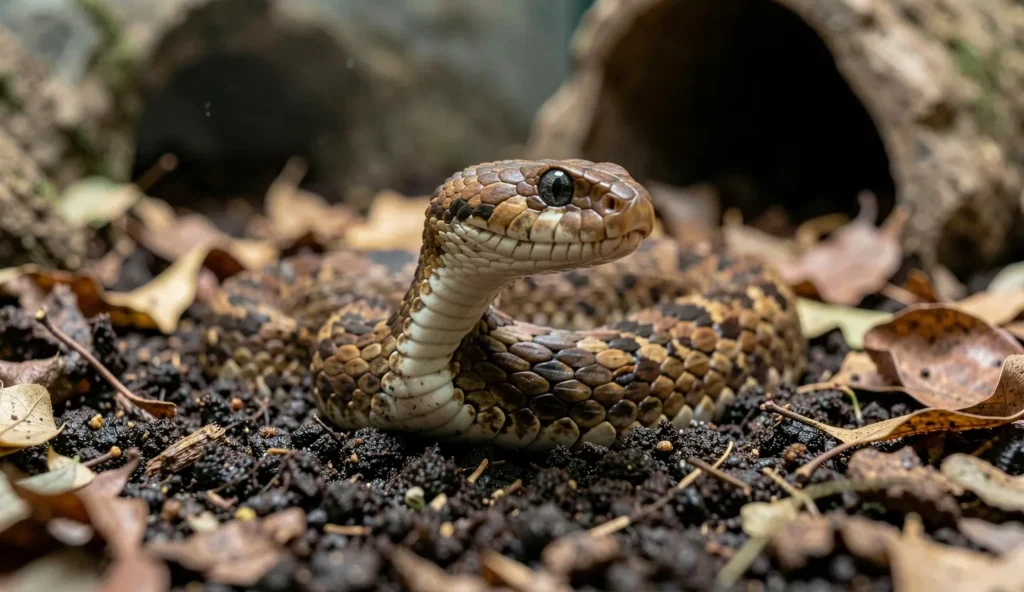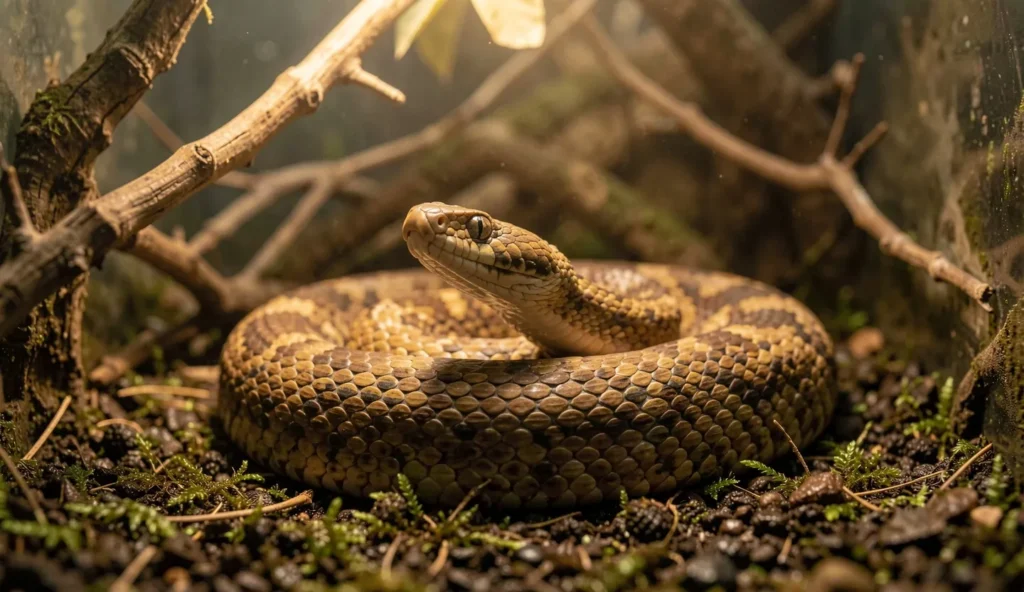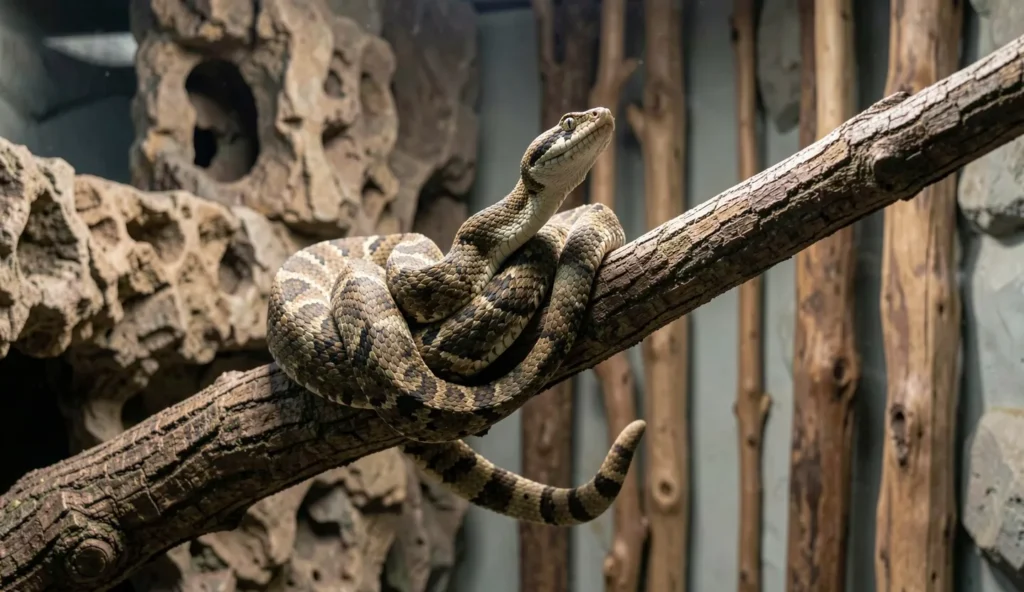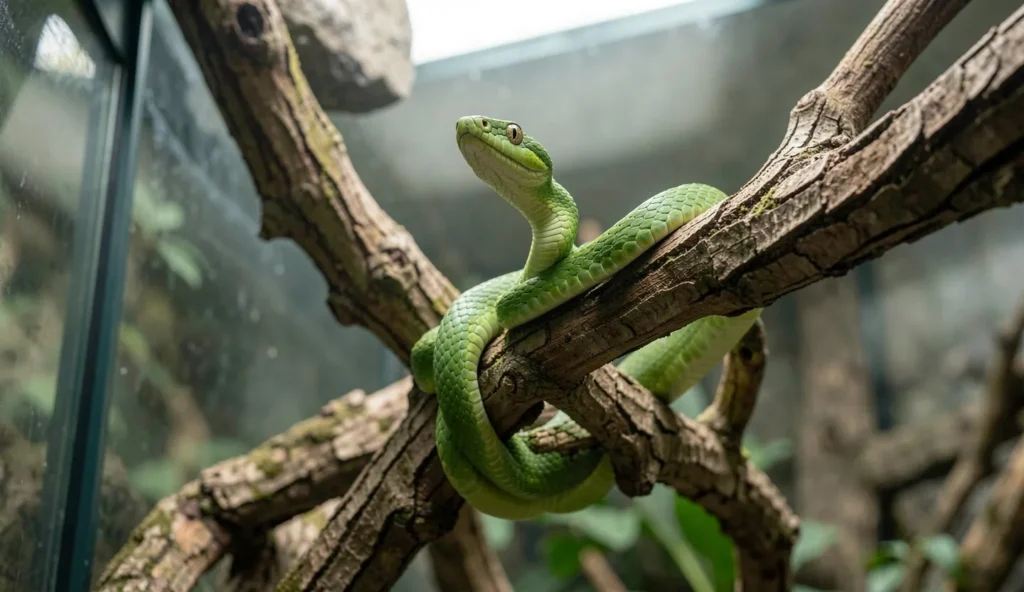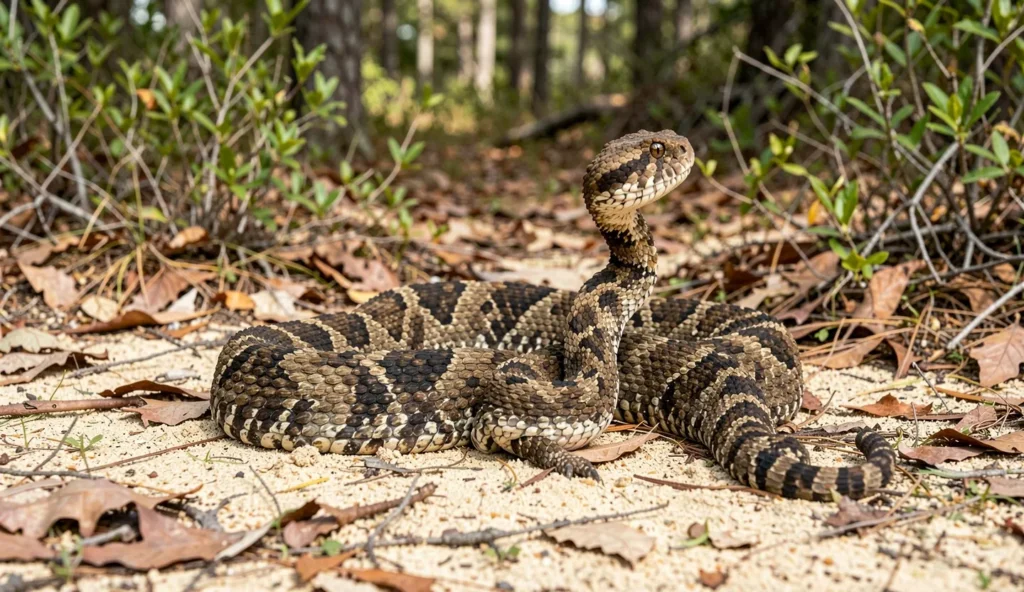
What Is An Eastern Diamondback Rattlesnake?
The Eastern Diamondback Rattlesnake is a venomous rattlesnake native to the southeastern United States. It stands out for its large body size and heavy venom load, which makes it a high-priority species for safety planning. For people who live in rattlesnake-prone areas, clear identification and realistic expectations matter.
Species Basics And Range
This rattlesnake species occurs across parts of the southeastern U.S., including pine and sandy ecosystems. The Eastern Diamondback Rattlesnake is largely terrestrial, so it spends most of its time on or near the ground. It also shows up in areas where warm temperatures and cover support prey and shelter.
As one of the largest rattlesnake species, it often gets mentioned alongside other large colubrids and pit vipers people encounter in the region. If interest in size and general rattlesnake traits comes up, a species comparison with King Snake can help set expectations, even though king snakes are not venomous.
Key Identification Features
Look for a diamond pattern running along the back, with a broad, triangular head shape common to vipers. The rattle at the tail provides a recognizable warning sound when the snake feels threatened. However, the absence of rattling does not mean the Eastern Diamondback Rattlesnake is inactive.
In many cases, the body posture explains more than a quick glance. The Eastern Diamondback Rattlesnake often holds a coiled defensive position with the head raised, especially when cover limits escape. If multiple rattlesnake species exist nearby, using the rattle and diamond pattern helps distinguish the Eastern Diamondback from smaller look-alikes.
Why Size Matters For Encounters
Eastern diamondback size plays a direct role in risk during close encounters. A larger body can generate a longer striking reach and stronger defensive forward movement. Adult snakes also tend to carry a heavier venom load, which increases potential medical severity.
Size also affects behavior during human contact. Larger adults may hold ground rather than retreat, especially when they feel cornered by obstacles like walls, porches, or stacked materials. Even when a warning rattle is present, striking can happen quickly if the snake is threatened.
Eastern Diamondback Size And Growth Rates
Eastern diamondback size varies by region, sex, and food availability, but adults rank among the largest rattlesnakes in North America. For safety planning, the key idea is that bigger snakes can cover more distance in a defensive strike. That reality shapes how people should manage yard access and outdoor movement during active seasons.
Typical Length And Weight Ranges
Reports often describe adult lengths as several feet long, with some of the biggest individuals drawing attention for their thicker bodies. Heavier and more robust adults are commonly associated with the largest populations and prey-rich areas. Because individuals differ, relying on a single number can create false confidence.
Instead, focus on what eastern diamondback size implies in practice. A large, thick-bodied Eastern Diamondback Rattlesnake may keep more venom stored and can produce more intense local effects. For context on how body form changes across snake species, some keepers also study Rat Snake traits, but rat snakes differ greatly in venom and defensive behavior.
How Fast Juveniles Grow
Juveniles grow after regular feeding and tend to increase body condition when prey is available. Growth often changes with season, since cooler temperatures can reduce feeding frequency. Over time, growth slows as adults approach mature size.
Still, young snakes should not be treated as harmless. Even smaller Eastern Diamondback Rattlesnake individuals can deliver medically significant bites. For people in rattlesnake-prone areas, the safest approach treats every rattlesnake as dangerous regardless of apparent size.
Sex Differences In Size
Females often reach a very large adult size, which contributes to the species reputation for large individuals. Males can also become sizable, but local conditions and prey access can shape their final build. Both sexes can still deliver venom with serious medical consequences.
Sex differences do not create a reliable way to judge risk from a quick sighting. The best safety response comes from distance and barrier use, not from guessing whether a snake is male or female.
Why The Largest Rattlesnakes Get Attention
The largest Eastern Diamondback Rattlesnakes get attention because their bodies support more force in defensive displays. A larger body also supports larger venom glands, which helps explain why the eastern diamondback venom load can be heavy in mature adults. That combination increases the seriousness of bites even when warning behavior appears clear.
Encounters remain unpredictable in real settings. Terrain, cover, and how people move all affect whether a defensive strike happens. For a practical comparison of large defensive behavior in other species, some people read about Bull Snake behavior, but bull snakes are non-venomous.
Eastern Diamondback Rattlesnake Habitat And Where To Expect It
The Eastern Diamondback Rattlesnake typically stays near habitats that provide warmth, prey, and shelter. Understanding eastern diamondback rattlesnake habitat reduces surprise, especially near homes in suitable terrain. It also helps identify conditions where snakes may move more often through the day.
Common Eastern Diamondback Rattlesnake Habitat Types
Common habitat includes sandy or pine flatwoods, along with scrub and open woodland edges. This species also uses dense cover such as leaf litter, thick brush, and fallen logs. Because it hunts on land, it often appears in areas where rodents move through natural cover.
People in eastern diamondback regions often notice snakes near sheltered outdoor features. Wood piles, mulch beds, and low edges of vegetation can provide both hiding spots and easy access to prey. If similar safety planning helps for other local snakes, a general idea of ground-based habitat can be learned from Pine Snake, though venom status and risk differ.
Weather And Seasonal Patterns
Activity often increases when temperatures suit movement and hunting. During colder stretches, snakes may reduce activity through brumation, then return to more routine movement as conditions warm. In warmer months, the Eastern Diamondback Rattlesnake may spend more time traveling between cover and hunting sites.
Seasonal changes matter around homes because people also spend more time outdoors. A snake that moves more in the morning or evening can still remain hidden while its surroundings appear calm.
Signs That Rattlesnakes May Be Nearby
Rodent activity around buildings can signal a food source, which can attract hunting snakes. Dense cover close to porches and walkways can also increase odds of accidental sightings. In some cases, shed skin appears in sheltered corners after a snake uses the area for rest.
Tracks can help for wildlife awareness, but they rarely provide enough certainty for safety decisions. Treat any sign of repeated activity as a cue to create distance and reduce access to cover. If residents notice consistent wildlife movement, they should plan safer outdoor routes.
How Landscaping And Yard Setup Influence Encounters
Landscaping choices can either reduce or increase hiding opportunities. Overgrown edges provide cover, and tall grass or dense mulch can function like a concealed pathway. Stacked materials and wood piles can also create stable microhabitats that support both prey and predators.
Reducing food sources helps lower attraction, since rodents often drive where snakes go. Simple changes like clearing debris and managing yard edges can reduce encounters with the Eastern Diamondback Rattlesnake.
How Eastern Diamondback Venom Works And How Dangerous It Is
The eastern diamondback venom delivers effects that can include both local tissue damage and systemic complications. That combination creates a medical emergency risk whenever a bite occurs. The danger level increases with adult size because eastern diamondback venom load can be heavier in mature individuals.
What Makes Their Venom Medically Significant
Venom works by targeting prey in a way that immobilizes it, and that same mechanism can harm humans. Bites can progress over time, with swelling and damage that become more severe without treatment. Medically significant effects also relate to venom quantity, which often correlates with adult body size.
Because eastern diamondback venom can involve both local and broader effects, medical response matters even if symptoms seem mild at first. For broader context on snake venom differences, some people compare behavior and risk with other venom systems, but the key point remains that rattlesnake bites require emergency care.
Typical Bite Outcome Risks
Without timely treatment, symptoms can worsen and complications can include severe swelling and impaired function. Some people experience significant pain and tissue injury around the bite site. Systemic effects can also develop, which is why delay can increase harm.
Outcomes often improve when care starts early. Even when the bite seems superficial, venom effects can evolve as it spreads and triggers inflammation. Treat any rattlesnake bite as urgent because the full pattern often becomes clear only after medical evaluation.
What To Do Immediately After A Suspected Bite
Call emergency services right away after a suspected bite by an Eastern Diamondback Rattlesnake. Keep the bitten limb still and at rest to reduce movement that can worsen circulation of venom. Remove rings, watches, or tight items near the bite site in case swelling develops.
Note the time of the bite and keep the person calm and still. Avoid trying to handle the snake, even if it looks nearby. If a ride to care is needed, plan the quickest safe transport route.
Common Missteps That Increase Harm
Avoid cutting, sucking, or applying electric devices because these actions do not remove venom safely. Avoid alcohol and unnecessary movement, since stress and motion can worsen symptoms. Do not delay transport to medical care while waiting for effects to change.
These missteps can compound injury and complicate treatment decisions. For people who manage families in rattlesnake-prone areas, a short family plan helps prevent panic and reduces harmful actions.
Eastern Diamondback Rattlesnake Behavior During Human Encounters
Eastern Diamondback Rattlesnake behavior during encounters often focuses on defense rather than pursuit. A rattlesnake may attempt to warn, hold position, or strike if it feels threatened. Understanding common defensive patterns helps people choose safer responses and reduce strike risk.
Warning Displays And Why They Do Not Guarantee Safety
Rattles can occur as a warning, but striking can still happen even when a warning sound is present. The snake may strike quickly if it thinks the threat is close enough to block escape. Distance and positioning often matter more than the rattle itself.
Rattles may also stop or start depending on posture and movement. For safety, treat any rattlesnake display as an instruction to back away and keep a wide gap.
Typical Defensive Postures And Movement
A coiled posture can support rapid forward strike, which is why the head raised position often signals readiness. Some snakes hold position instead of retreating, particularly when cover and escape routes remain limited. Handling attempts can escalate defensive responses and increase the chance of a bite.
In practice, the safest response uses distance first and movement second. Attempting to move objects near the snake, like logs or debris, can also create a threat response from the Eastern Diamondback Rattlesnake.
Distance Guidelines For People In Rattlesnake Areas
Maintain a wide buffer and do not approach for photos or close inspection. Back away slowly while watching the snake, because sudden steps can trigger defensive strike behavior. Keep pets leashed and consider indoor confinement if the snake occupies paths or yard entrances.
For households with children, the most reliable method is to create a clear boundary and keep everyone behind it. If multiple rattlesnake species appear in the region, safety rules should still be identical: distance, barriers, and calm movement.
When To Contact A Professional Instead
Contact a local wildlife or snake professional when a snake stays near doors, sheds, play areas, or places people must pass daily. Repeated sightings around the same location can indicate the area offers shelter and prey access. Large adults may also block safe routes, which makes professional management safer.
For residents planning around different species in the region, learning basic differences across snakes can help reduce mistakes. People sometimes compare venomous species with non-venomous species like Western Hognose Snake for behavior cues, but defensive strategies differ and venom status changes everything.
Safety Checklist For Living Near Eastern Diamondbacks
A safety checklist supports practical prevention for people living in rattlesnake-prone areas. The goal is to reduce hiding spots, limit rodent food sources, and prepare for emergencies. When those steps are consistent, the Eastern Diamondback Rattlesnake becomes less likely to create close encounters.
Yard And Home Prevention Steps
Start with yard management because it often determines whether snakes can hunt near people. Keep grass trimmed and remove tall weeds along fence lines and garden edges. Clear leaf litter and debris near paths and entrances, and store firewood off the ground.
Also reduce gaps that invite rodents, since reduced rodent access can lower snake attraction. Sealing gaps around foundations and reducing clutter can make the yard less useful for both prey and shelter.
Safe Practices Outdoors
Wear boots and long pants in brushy areas, because most accidental encounters happen when people reach or step into cover. Use a flashlight at dusk and dawn since many outdoor movements overlap with snake activity. Avoid reaching into holes, brush, or stacked materials where a snake could be coiled and hidden.
When outdoor work is required near dense cover, move slowly and scan the ground. If a snake becomes visible, maintain a safe distance until it leaves or until professional help arrives when needed.
Pet Safety And Leash Habits
Leash pets during walks near known habitat and keep control when pets investigate logs and dense cover. Preventing sudden lunges reduces risk for both pets and people who might react. Watch for sudden interest and remove pets from the area quickly without chasing.
Households should also plan for pets that roam near the door or yard fence. If a rattlesnake occupies common paths, keeping pets indoors until the area clears reduces emergency scenarios.
Emergency Preparation For Bites
Prepare in advance by knowing the nearest emergency department and the best transport route. Keep phone reception reliable and save emergency numbers where they can be accessed quickly. Plan how to move a person safely to medical care while keeping the bitten limb still.
Even with careful prevention, bites can occur during yard work or unexpected encounters. An emergency plan reduces delay and supports more consistent responses.
Final Note For Safe Encounters
Eastern diamondback size and heavy venom load make the Eastern Diamondback Rattlesnake a serious safety concern in appropriate habitat areas. Safe behavior still centers on distance, barriers, and fast emergency response when a bite occurs.
Frequently Asked Questions
How Big Do Eastern Diamondback Rattlesnakes Get?
Adults can be among the largest rattlesnake species, and length and weight vary by region and individual.
Where Do Eastern Diamondback Rattlesnakes Live?
They are common in southeastern U.S. habitats like pine flatwoods and they often stay near cover and shelter.
Are Eastern Diamondback Rattlesnakes More Dangerous Than Other Rattlesnakes?
Their heavy venom load in larger adults increases risk, but bites from any rattlesnake need emergency medical care.
What Should You Do If An Eastern Diamondback Is Near Your Home?
Keep distance and move people and pets away, then contact a local wildlife or snake professional when needed.
What Are Common Signs That A Rattlesnake May Be Nearby?
Frequent rodent activity and thick cover near entrances can suggest a snake may be hunting nearby, plus sheds or repeated sightings in the same sheltered area.
Final Note For Safe Encounters
Eastern Diamondback Rattlesnake safety depends on practical prevention and calm distance-based decisions during outdoor time.