Burrowing Owl – The Ground-Dwelling Guardian of the Grasslands
Introduction
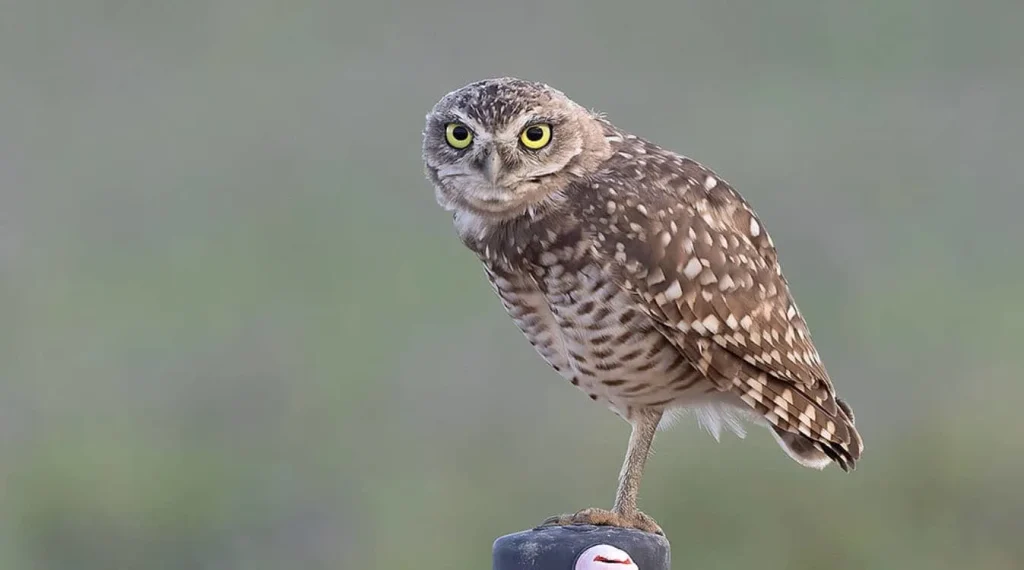
While most owls are associated with silent flights through dense forests, the Burrowing Owl (Athene cunicularia) defies expectations by making its home underground. This small, charismatic owl is known for its unique behavior of living in burrows rather than trees or cliffs. With its long legs, bright yellow eyes, and curious expression, the Burrowing Owl is a fascinating bird that has adapted to open grasslands and deserts across the Americas. Unlike the short eared owl, which also hunts in open country but nests on the ground, the Burrowing Owl takes shelter below the surface, capturing attention with both its looks and its lifestyle.
Natural Habitat and Distribution
Burrowing Owls are found throughout North and South America. Their preferred habitats include:
- Prairies and open grasslands
- Arid deserts and shrublands
- Agricultural fields and pastures
They often use abandoned burrows made by prairie dogs, ground squirrels, or tortoises. In areas without natural burrows, they may dig their own or use artificial nesting sites. This adaptability to different landscapes is a key reason they have survived across such a wide geographic range.
Physical Characteristics
These owls are easily recognizable and have several distinctive features:
- Size: 7.5–10 inches in length
- Wingspan: Around 20–24 inches
- Weight: 5–8 ounces
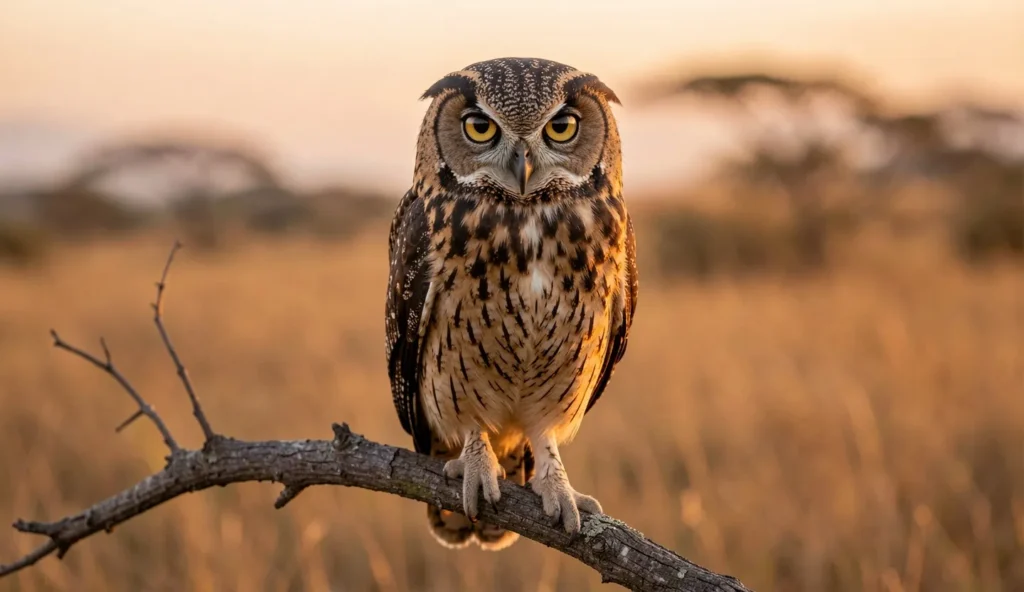
- Color: Brown with white spots on the back and a light-colored chest
- Legs: Long and unfeathered, ideal for walking and standing on the ground
Their upright posture and energetic body language give them a bold and alert appearance, setting them apart from more arboreal species like the long eared owl, which relies on dense woodland cover.
Diet and Hunting Behavior
Burrowing Owls are opportunistic feeders and adjust their diet based on seasonal availability. Their menu typically includes:
- Insects such as beetles, grasshoppers, and crickets
- Small mammals like mice and voles
- Small birds, amphibians, and reptiles
They hunt both day and night—unusual for owls—and often perch on low shrubs or fence posts to scan for prey. This diurnal activity makes them more visible than nocturnal species such as the barn owl, which is rarely seen during daylight hours.
Social Behavior and Communication
Burrowing Owls are often seen in pairs or small colonies, especially during the breeding season. Their behaviors include:
- Making a wide range of calls, including coos, chatters, and warning hisses
- Using dung at burrow entrances, possibly to attract insects for food
- Both parents actively care for the chicks, and juveniles may remain nearby after fledging
They are curious and interactive, often bobbing their heads and staring directly at observers with intense interest. This social nature is one reason they have become favorites among birdwatchers and wildlife photographers.
Nesting and Reproduction
The nesting season typically runs from March to August. Important aspects of their reproduction include:
- Laying 6–11 eggs in a safe, dark burrow
- Incubation by the female while the male provides food
- Chicks fledge in about 4–6 weeks and begin exploring outside
Burrows offer protection from predators and temperature extremes, providing a secure environment for raising young. Unlike the great horned owl, which takes over nests built by other birds, the Burrowing Owl relies entirely on ground-level shelters.
Adaptability and Urban Presence
Though naturally found in wild grasslands, Burrowing Owls have adapted to:
- Suburban developments with open landscaping
- Golf courses and sports fields
- Roadside embankments and construction zones
This adaptability helps them survive habitat loss, but also exposes them to new risks like vehicles and human interference. Conservationists have found that installing artificial burrows in urban green spaces can significantly boost local populations.
Conservation and Threats
While not globally endangered, the Burrowing Owl faces regional population declines due to:
- Habitat destruction and land conversion
- Loss of burrowing animals they rely on for shelter
- Pesticide use reduces food availability
- Road hazards and urban encroachment
Conservation efforts include habitat restoration, burrow protection, and community education to support coexistence. Recent studies have shown that protecting prairie dog colonies is one of the most effective ways to maintain healthy Burrowing Owl populations.
Human Connection and Awareness
Burrowing Owls are often used as ambassadors for grassland conservation. Their visibility and approachable behavior make them ideal for:
- Environmental education programs
- Wildlife photography and observation
- Urban conservation initiatives
Promoting appreciation and understanding of these owls helps ensure their continued survival and coexistence with people. For those interested in comparing owl behaviors, the eastern screech owl offers another example of how different species adapt to human presence in their own unique ways.
Fun Facts About Burrowing Owls
- They walk and run more often than most owls!
- Known to mimic rattlesnake sounds to scare off predators
- Some dig their burrows when others are not available
- One of the few owl species regularly active during the day
Frequently Asked Questions
Q1: Are Burrowing Owls endangered?
A: Globally, they are listed as “Least Concern,” but some local populations are declining and need conservation support.
Q2: Can Burrowing Owls live near people?
A: Yes, they can adapt to human-altered environments if there is open land, safety, and minimal disturbance.
Q3: Why do they use animal dung near their burrows?
A: It’s believed to mask scent, signal territory, and attract insects for food.
Q4: Do both parents care for the chicks?
A: Yes, both male and female contribute—males bring food while females stay to protect and warm the eggs and chicks.
Q5: What can I do to help Burrowing Owls?
A: Support native grassland conservation, report sightings to local wildlife agencies, and participate in community conservation efforts.
Conclusion
The Burrowing Owl is a unique and endearing bird that defies the typical owl stereotype. From living underground to being active in daylight, it demonstrates adaptability, intelligence, and charm. By understanding and respecting its needs, we can help preserve this incredible species and the ecosystems it represents for generations to come. Whether you spot one on a prairie hike or near a suburban park, take a moment to appreciate this ground-dwelling guardian of the grasslands.