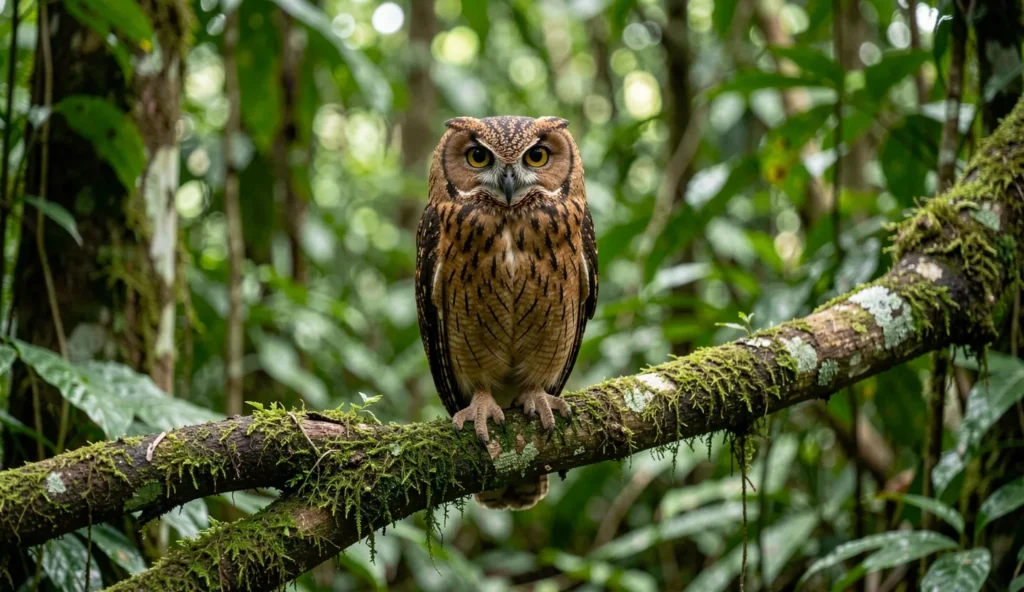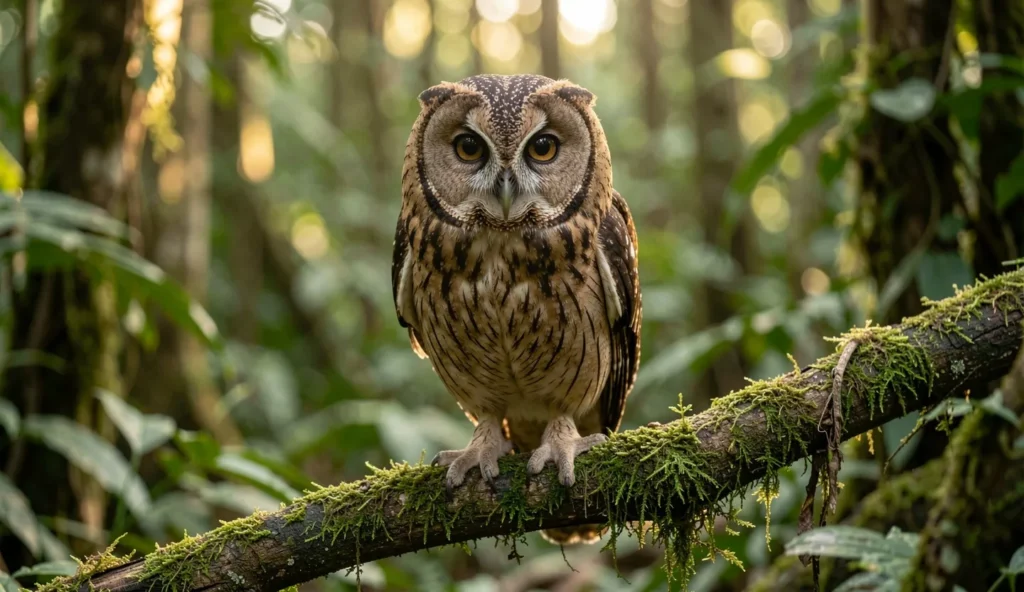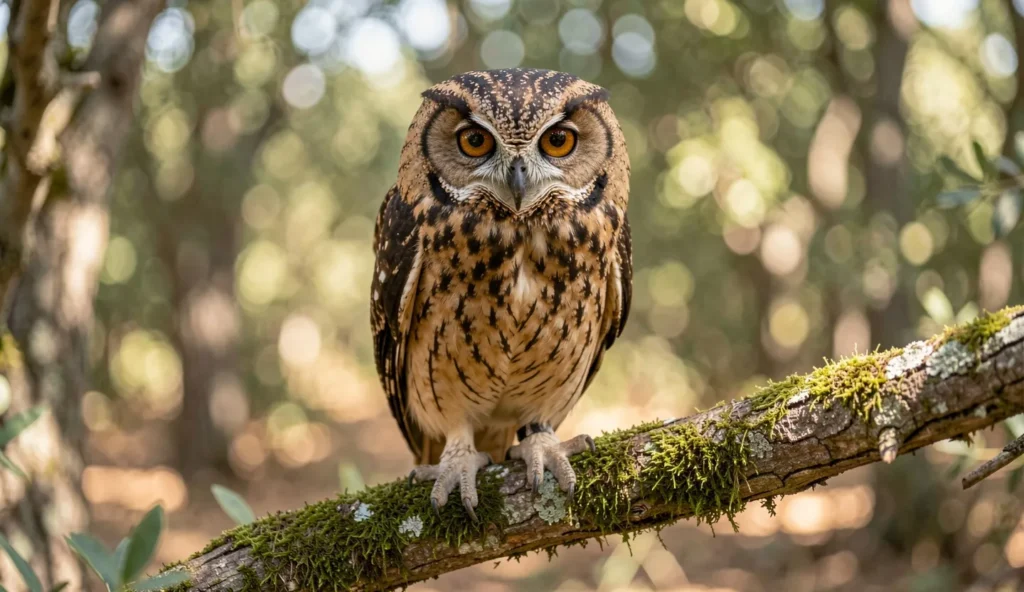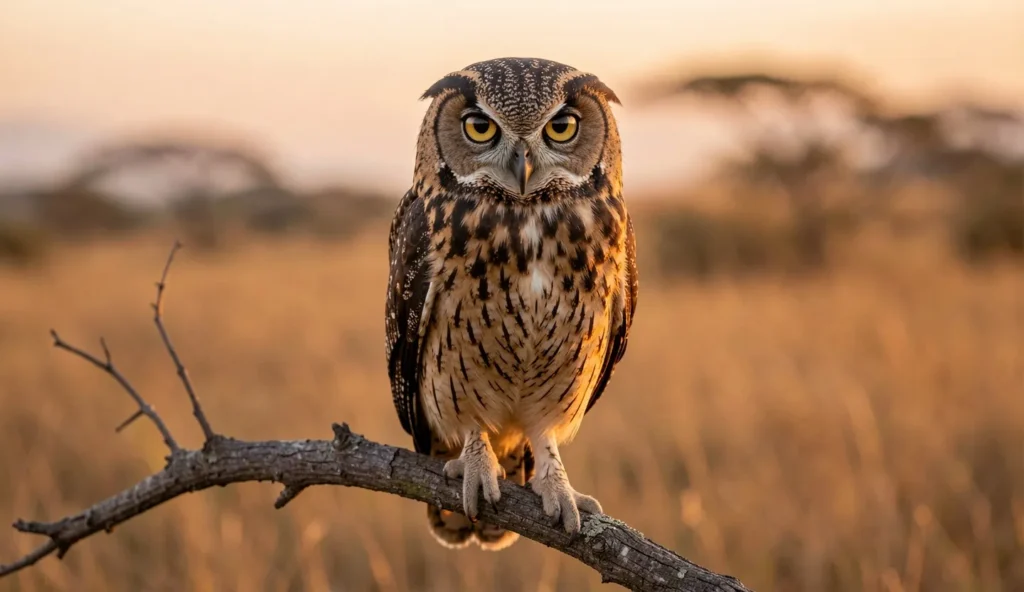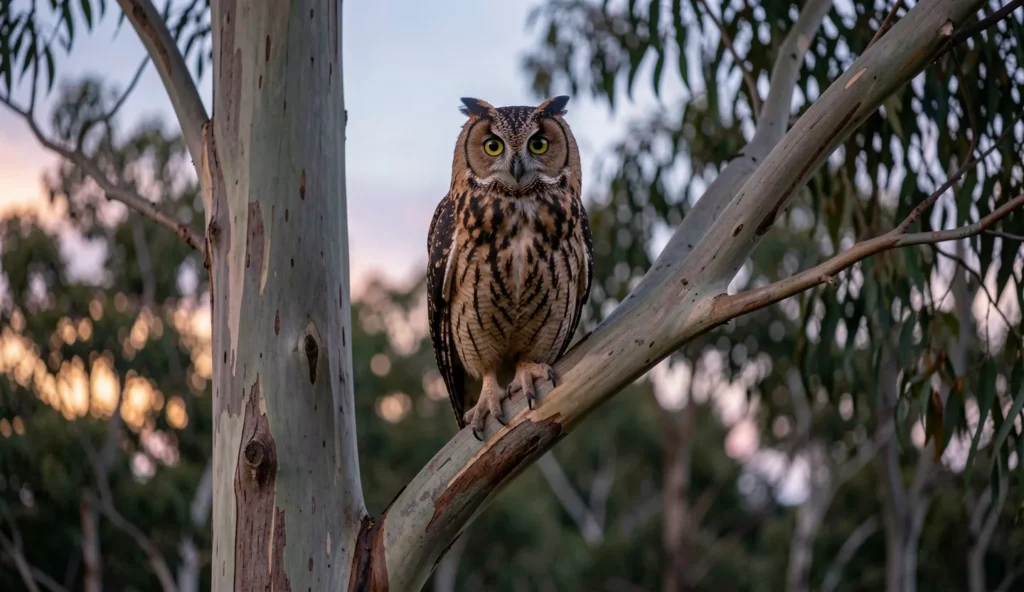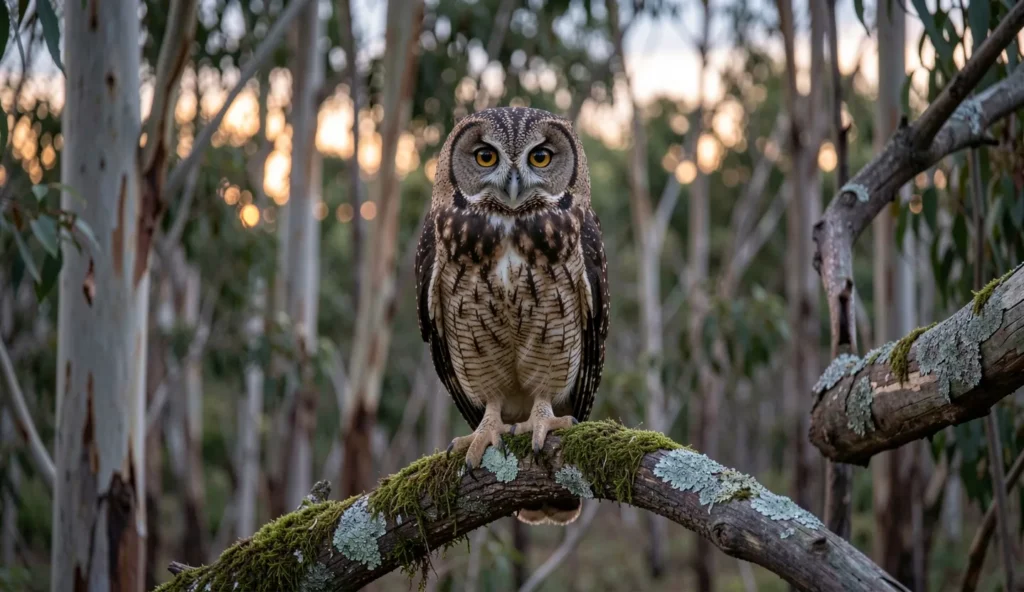
The Barking Owl is a medium-sized nocturnal bird native to Australia, renowned for its dog-like barking call. This distinctive vocalization echoes through woodlands and bush at night, making it one of the bush’s most recognizable nocturnal residents. For hikers and campers, observing this species respectfully enhances night-time wildlife experiences.
What Is a Barking Owl
Quick Facts
- Medium sized nocturnal owl with a rounded silhouette.
- Also known as the Winking Owl and recognized for its dog-like barking call.
- Scientific name Ninox connivens.
- Found across varied Australian habitats, including woodlands and shrublands, sometimes alongside the Barn Owl.
- Barking owl facts emphasize a distinctive vocalization and stealthy hunting style.
How It Got Its Name
The name comes from a call that resembles a quick bark, which is easy to hear at night. Local names and field guides helped popularize Barking Owl as the standard term among observers.
Appearance and Physical Features
Size and Plumage
- Medium sized owl with brownish plumage that ranges from reddish brown to gray brown.
- Feather patterns vary by region, providing camouflage in dappled light.
- The circular facial disk and pale shading create a distinct profile, and the facial features bear similarities to the Eastern Screech Owl.
Distinctive Facial Disk
- The circular facial disk enhances hearing and helps locate prey.
- A dark eye line emphasizes focus on movement.
- The overall round silhouette helps identify the bird in low light, much like the Eastern Screech Owl.
Natural Habitat and Range
Australian Distribution
- Widespread across eastern and northern Australia.
- The barking owl range extends from tropical coasts to inland woodlands.
- Nearby habitats include woodlands and forests where nocturnal predators hunt.
Preferred Environments
- Roosts in tree hollows and dense foliage.
- Adaptable to rural and semi-suburban areas.
- Requires reliable water sources nearby.
Diet and Feeding Habits
Typical Diet
- Primarily small mammals like rodents.
- Also small birds and insects are part of the diet.
- Opportunistic hunter when prey is available.
Hunting Techniques
- Perch and ambush strategy is common.
- Silent flight helps surprise prey.
- Talons secure captured animals efficiently.
Vocalizations and Behavior
Barking Call Description
- The barking call resembles a quick dog-like yelp.
- Calls are most frequent at night and during the breeding season.
Roosting and Social Behavior
- Typically solitary outside the breeding season.
- Roosts in sheltered trees and dense foliage.
- Territorial vocalizations mark borders between individuals.
Is Barking Owl Right For You
Watching in the Wild
- Observe from a distance to avoid disturbance.
- Use binoculars and keep quiet during sightings, a practice also recommended for nocturnal observers of the Snowy Owl.
- Respect nesting sites and local regulations, especially during breeding season.
Conservation Considerations
- As a native predator, the Barking Owl plays a key role in ecosystems.
- Threats include habitat loss and persecution.
- Supporting conservation helps sustain healthy populations.
FAQs: Barking Owl
What is the Barking Owl and where is it found?
It is a medium sized owl native to Australia known for a dog like barking call.
How loud is the Barking Owl call and when does it typically vocalize?
Calls are loud at night during breeding season and territorial displays.
What distinguishes the Barking Owl from other Australian owls?
Its distinctive barking call and facial features set it apart.
Can hikers reliably observe Barking Owls in the wild?
Yes, from a respectful distance during night hikes with permits where required.
What is the conservation status of the Barking Owl?
Protected in many areas due to habitat loss and small populations.
What steps can observers take to watch Barking Owls responsibly?
Keep quiet, stay on trails, and avoid nesting areas during breeding season.
Final Note
Respectful observing supports healthy bush ecosystems and the continued presence of this charismatic night bird.