Powerful Owl – Largest Owl In Australia & Complete Care Guide
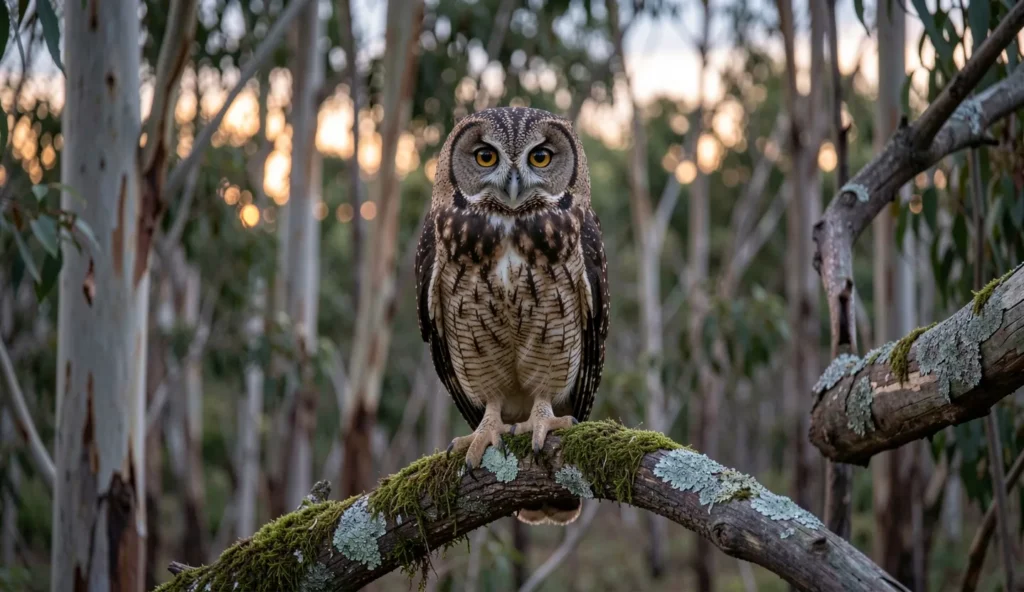
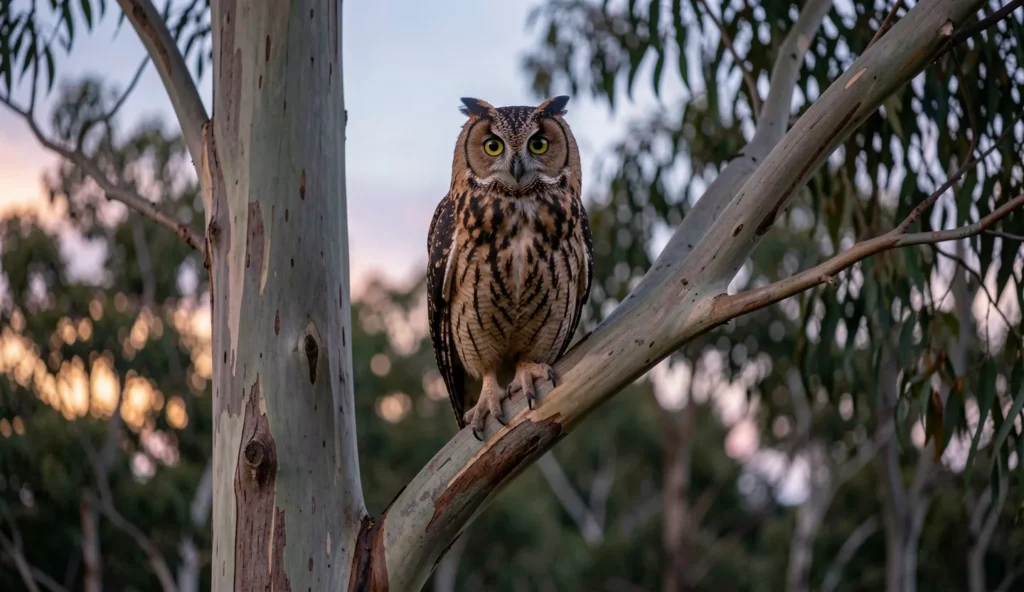
Powerful Owl is Australia’s largest owl, a nocturnal raptor native to the eastern forests and woodlands. Its imposing size and perch hunting method distinguish it from smaller species, making it a focal subject for conservationists and nature lovers. For a broader perspective, the Eurasian Eagle-Owl provides a useful global comparison.
What Is A Powerful Owl
Key Facts About The Powerful Owl
- Scientific name Ninox strenua
- Largest owl native to Australia
- Nocturnal raptor that hunts from perches
Geographic Distribution And Habitat
- Found along eastern and southeastern Australia
- Prefers forested and woodland habitats with tall trees
- Requires mature forest for nesting and hunting
Like many woodland birds, the Barn Owl occupies different landscapes in other regions, illustrating how habitat shapes owl behavior across continents. This relative contrast helps researchers understand the Powerful Owl within a broader avian context.
Appearance And Distinctive Features
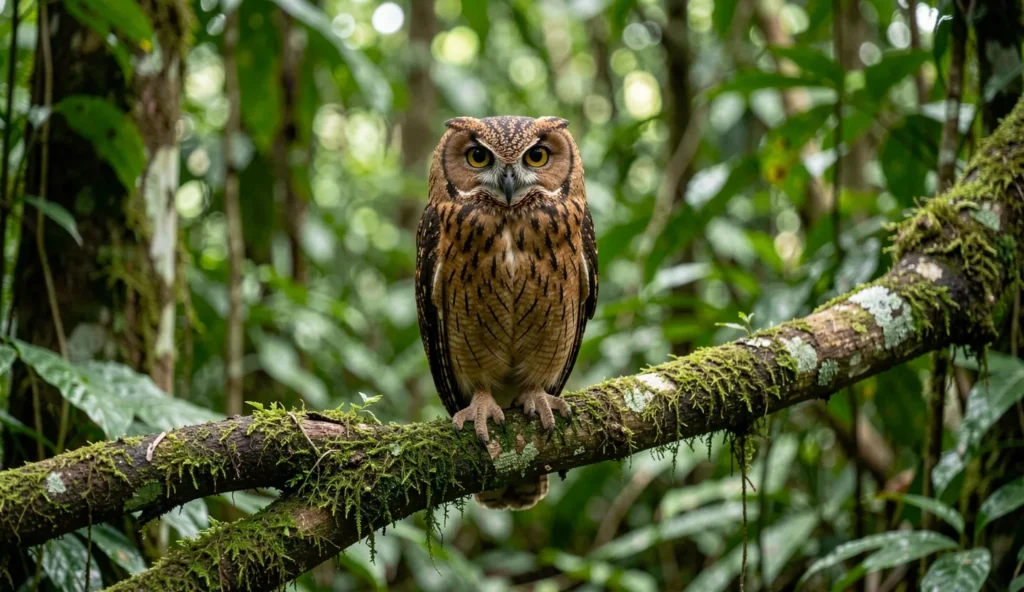
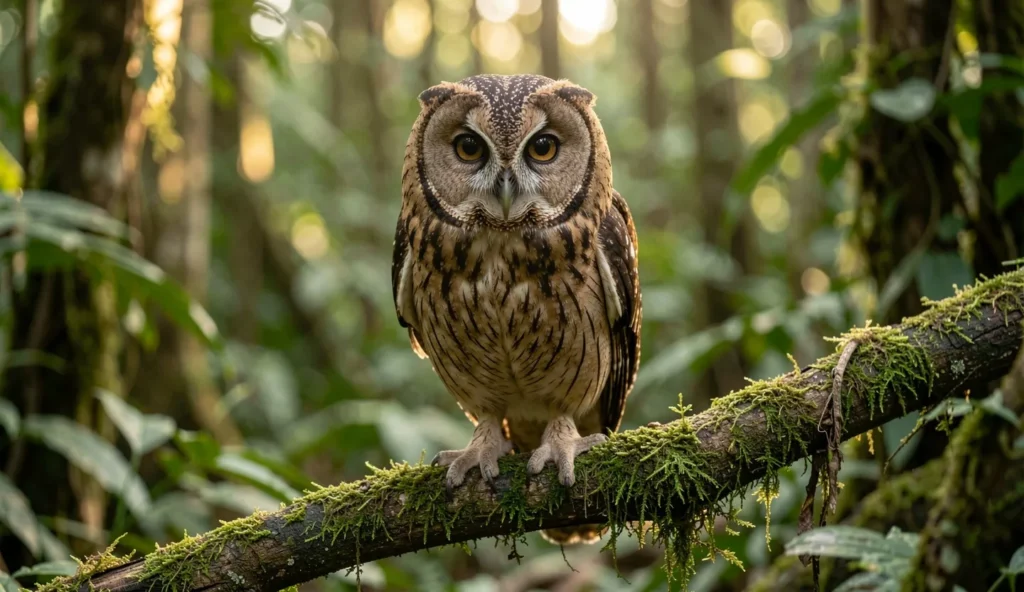
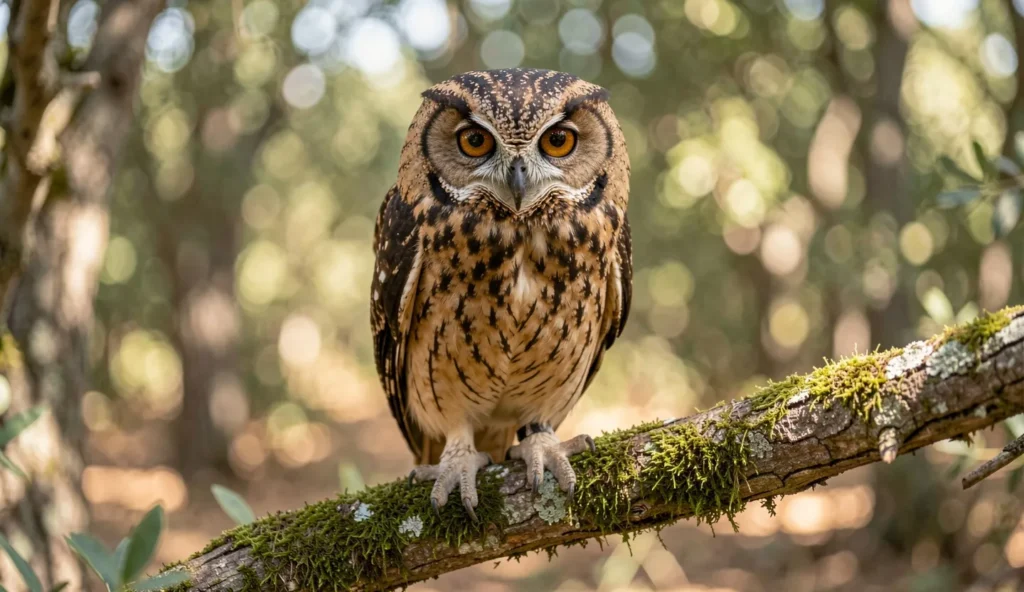
The Powerful Owl has a medium to large body with a broad head and a pronounced facial disk. Its plumage ranges from rufous to brownish gray with pale spotting, providing effective camouflage in dense canopies.
Size And Plumage
- Medium to large owl body
- Broad head with a distinctive facial disc
- Rufous or brown gray plumage with pale spots
Compared with the Great Horned Owl, the Powerful Owl shares a robust build but differs in facial patterning and color tones, reflecting distinct regional adaptations.
Wingspan And Flight
- Wingspan roughly 1 to 1.4 meters
- Powerful silent flight suited for hunting
- Camouflaged plumage blends with forest backdrop
Habitat And Range
Preferred Habitats In Australia
- Mature forests with tall trees and hollows
- Woodlands near water sources
- Availability of prey and nesting sites
In many areas, the Snowy Owl offers a distant example of how habitat influences raptor behavior, though its range and ecology differ markedly from the Powerful Owl.
Current Range And Population Trends
- Occupied areas along eastern coasts and ranges
- Population pressures from habitat loss and fragmentation
- Conservational monitoring essential for trends
Ongoing monitoring is critical, and scientists closely track changes using standardized surveys similar to those used for the Wedge-tailed Eagle, another apex predator in Australia.
Conservation Status And Threats
- Listed as a species of concern in parts of range
- Threats include habitat loss and human disturbances
- Protection of old-growth forest is critical
Diet And Feeding Habits
Main Prey Species
- Primarily possums and gliders
- Other small mammals are opportunistic prey
- Prey selection influenced by forest density
Diet comparisons with the Barn Owl or Snowy Owl highlight how prey availability shapes hunting strategies across regions.
Hunting Techniques And Feeding Frequency
- Nocturnal hunter that ambushes from perches
- Seasonal variation in prey availability
- Feeds every few nights depending on prey
Behavior And Reproduction
Vocalizations And Territorial Behavior
- Distinct hoots for territory defense
- Vocal displays support pair bonding
- Active year-round in breeding areas
Vocal patterns in the Powerful Owl are a key tool for researchers, and observers should treat such sounds with care to avoid disturbance; for broader context on large owls, see the Great Horned Owl.
Breeding Habits And Nesting
- Nests in hollow trees or natural cavities
- Seasonal breeding with variable timing
- Both parents share incubation and feeding duties
Lifespan And Threats
- Lifespan extends over several years in the wild
- Threats include habitat loss and predation pressure
- Conservation actions improve survival rates
Is A Powerful Owl Right For You
Considerations For Observers And Conservationists
- Respect space and minimize disturbance
- Support habitat restoration projects
- Participate in citizen science and reporting efforts
Observers are encouraged to coordinate with local groups and reference official guidelines, much like best practices used when monitoring the Snowy Owl in other regions.
Ethical Observations And Safety
- Observe from a distance with binoculars
- Avoid flash photography and loud noises
- Follows local wildlife protection guidelines
When in proximity to other apex predators such as the Wedge-tailed Eagle, maintain wide margins to minimize stress and avoid interference with family groups.
Conservation Actions You Can Take
- Protect native forests and nesting hollows
- Support organizations monitoring owl populations
- Educate others about habitat preservation
Final Note
Closing Statement
Ongoing habitat protection and respectful observation support Powerful Owl conservation.
FAQs: Powerful Owl
How big is the Powerful Owl?
They are Australia’s largest owl, with a wingspan around 1 to 1.4 meters.
What does the Powerful Owl eat in the wild?
Mainly possums and gliders, with other small mammals as opportunistic prey.
Where in Australia can Powerful Owls be found?
They inhabit eastern and southeastern forests and woodlands with tall trees.
Why are Powerful Owls declining in some areas?
Habitat loss and fragmentation, along with human disturbances, contribute to declines.