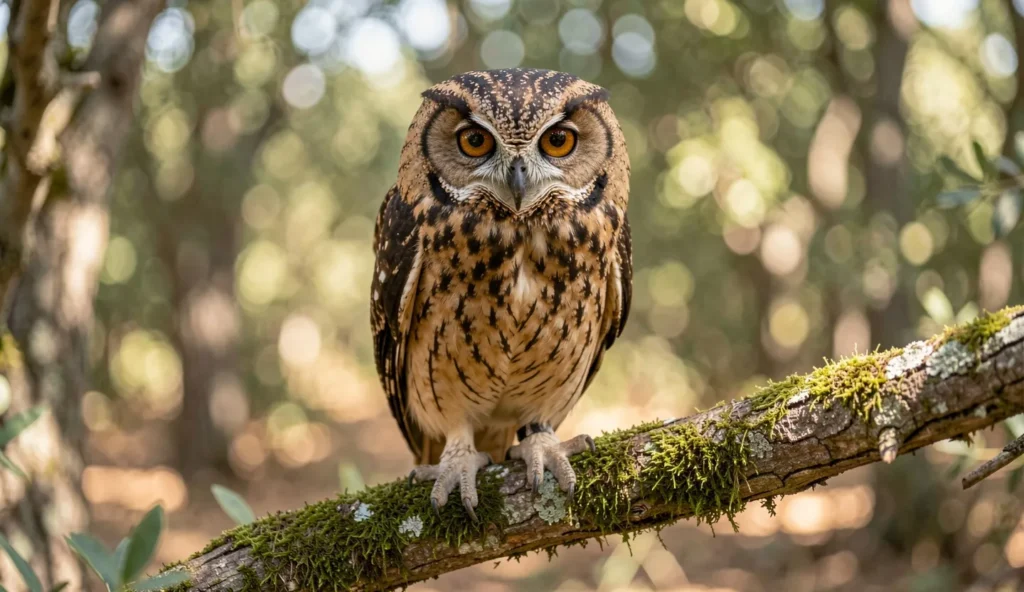
What Is A Eurasian Scops Owl
The Eurasian Scops Owl is one of Europe’s smallest owls, widely found across southern Europe and migrating to Africa in winter. This tiny nocturnal bird is known for its unobtrusive presence and subtle plumage, making it a favorite of Mediterranean birdwatchers.
Basic Facts About The Eurasian Scops Owl
The Eurasian Scops Owl belongs to the true owl family and is a skilled nocturnal hunter. Its small size and forest adapted lifestyle help it blend into olive groves and woodlands across southern Europe, which is why observers often notice its presence only by subtle cues.
Appearance And Physical Features
Size And Body
The Eurasian Scops Owl ranks among Europe’s smallest owls, typically measuring 16 to 18 cm in length. This bird has a compact body with a round head and a short tail.
Its compact form is one reason it can maneuver through dense foliage with ease, a trait shared by the nearby Barn Owl in close habitats.
Plumage And Color Variation
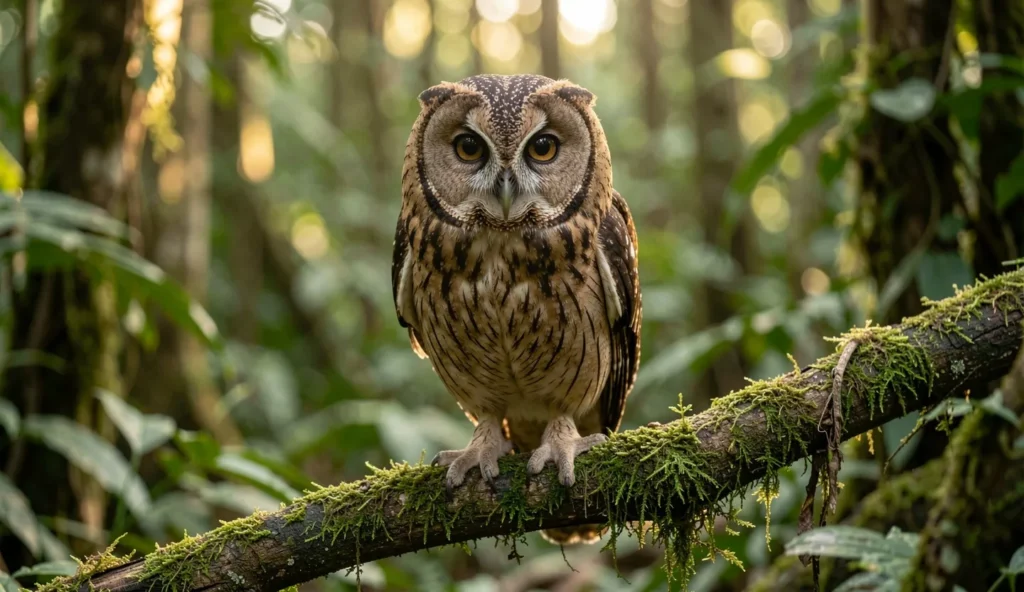
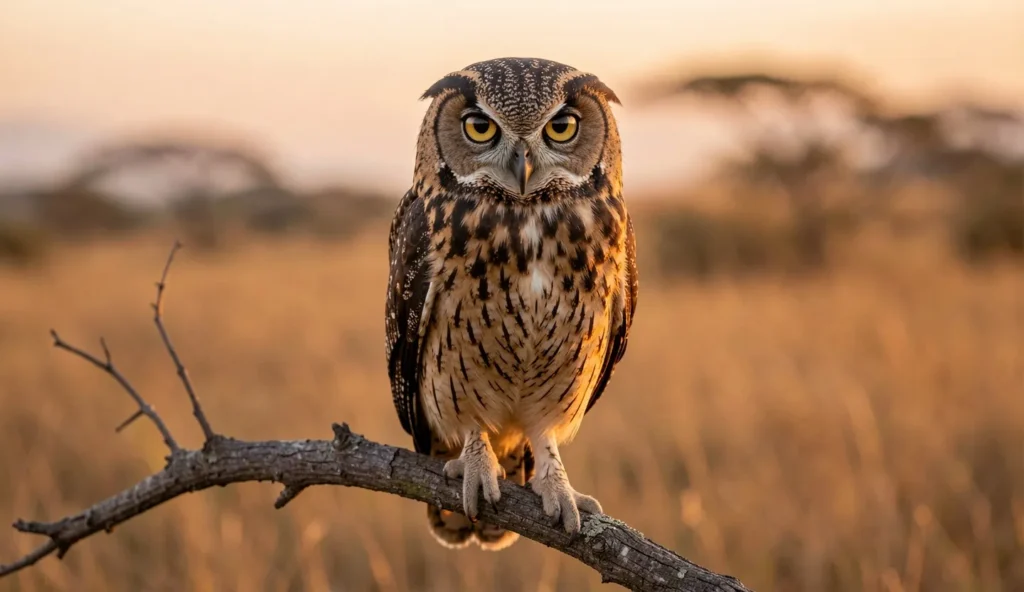
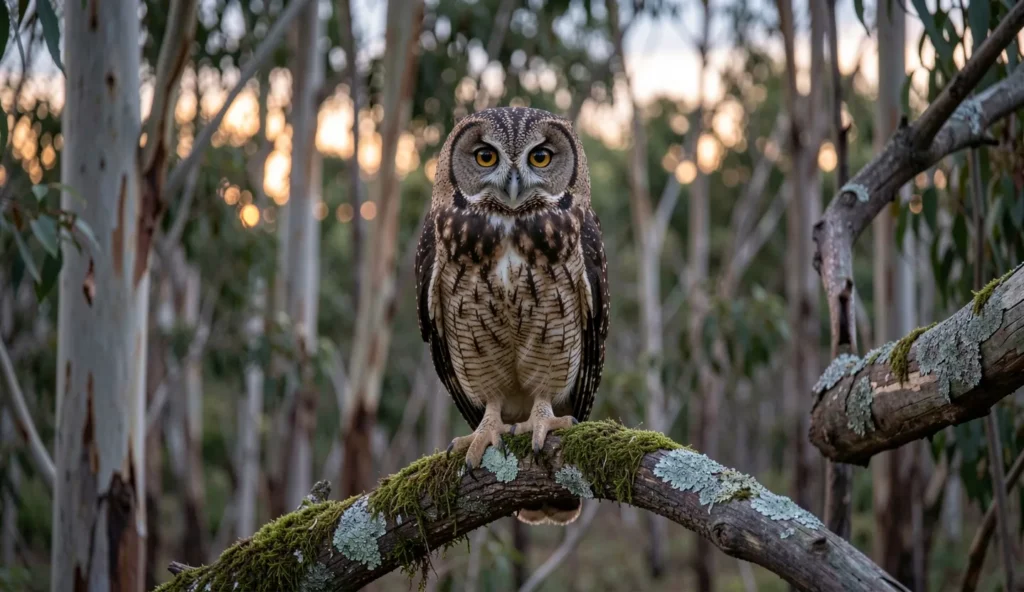
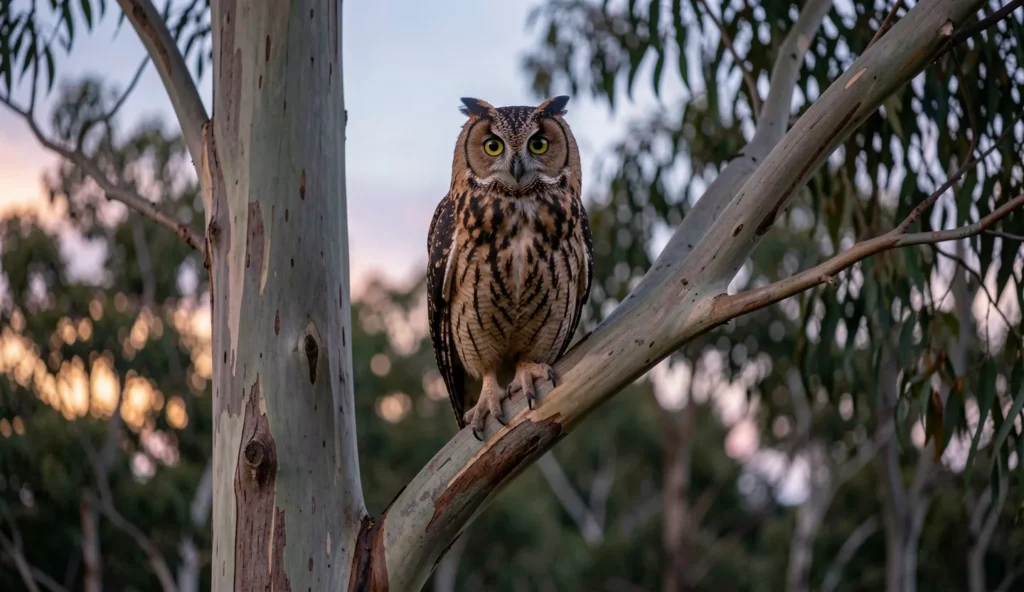
Plumage ranges from mottled brown to grayish tones, providing camouflage against bark and leaves. Subtle streaks and a pale eyebrow line help with concealment, a pattern also seen in some related species such as the Eastern Screech Owl.
Temperament And Personality
The Eurasian Scops Owl is primarily nocturnal and tends to be shy around humans. It favors quiet sites like vineyards, olive groves, and forest edges, where perch selection aids stalking prey.
Behavior Around Humans
Typically shy and elusive around people, the owl avoids close contact and may require dedicated listening to locate. Observers often encounter it during calm, low-light windows at dawn or dusk, when activity rises briefly.
Vocalizations And Communication
Vocalizations include a soft monotone call and short trills, often described as the eurasian scops owl call, used for establishing territory and attracting mates.
Diet And Nutrition
The typical diet consists mainly of insects such as beetles, moths, and crickets. Occasionally small vertebrates are taken when obtainable, especially in richer habitats.
Foraging occurs mainly at night, from dusk through late night, and prey availability directly shapes daily activity and feeding pressure.
Common Health Issues
Common conditions include parasites in dense habitats and occasional respiratory infections in stressed populations. In healthy wild populations, these issues are relatively infrequent.
Habitat preservation supports overall health and resilience, and in captivity, adherent veterinary guidance from avian specialists is essential.
Is The Eurasian Scops Owl Right For You
This species suits observers who value patient, quiet wildlife encounters over rapid sightings. Best viewing habitats include open woodlands, olive groves, and forest edges in southern Europe, with seasonal movement along migration routes toward Africa providing occasional viewing opportunities.
Best Habitat For Owl Watching
Open woodlands, olive groves, and forest edges in southern Europe offer ideal watching opportunities, especially during migration toward Africa. Additionally, observers should remain mindful of local regulations and maintain a respectful distance, similar to other nocturnal species such as the Long-eared Owl.
Considerations For Birdwatchers And Travelers
Sightings require patience and respectful distance from wildlife, and viewing should comply with local wildlife protection regulations. For those traveling through the Mediterranean, this owl rewards quiet, night-time listening and careful listening for its distinctive call.
Final Note
For Mediterranean travelers, spotting the Eurasian Scops Owl can be a memorable highlight of a dusk walk; always observe responsibly and enjoy the subtle night-time theater. Additionally, exploring nearby habitats may expose observers to other regional nocturnal species such as the Snowy Owl in appropriate regions.
FAQs: Eurasian Scops Owl
Where can you commonly find the Eurasian Scops Owl?
They occur across southern Europe and migrate to Africa during winter.
How big is the Eurasian Scops Owl?
It measures about 16 to 18 centimeters in length.
What does the Eurasian Scops Owl sound like?
It has a soft monotone trill or hoot typical of Scops Owls.
What is the diet of the Eurasian Scops Owl?
Primarily insects and small invertebrates, with occasional small vertebrates.
When does the Eurasian Scops Owl migrate?
It migrates from southern Europe to sub-Saharan Africa in autumn and returns in spring.
Is the Eurasian Scops Owl protected by law?
Yes, protected under wildlife laws in many countries.