Short-eared Owl – The Open Country Nomad
Introduction
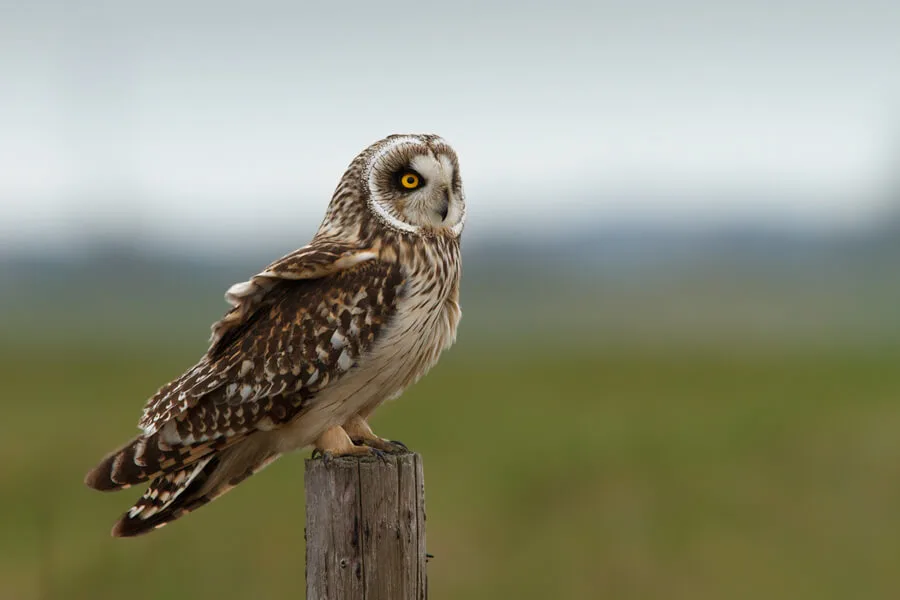
The Short-eared Owl (Asio flammeus) is one of the most widely distributed owl species on the planet, found across grasslands, marshes, and tundra on six continents. Unlike most owls that hide in dense forests, this species thrives in open country where it hunts during daylight hours. With its golden eyes, mottled brown and buff feathers, and buoyant, moth-like flight, the Short-eared Owl is a captivating sight for birdwatchers and a vital predator in grassland ecosystems.
Natural Habitat and Global Range
Short-eared Owls are one of the most widespread owl species in the world. They inhabit:
- Open grasslands and prairies
- Marshes and tundra
- Agricultural fields and coastal dunes
Their distribution spans North and South America, Europe, Asia, Africa, and some Pacific islands. They migrate based on food availability rather than fixed seasons, making them highly adaptable nomads. This nomadic lifestyle sets them apart from more sedentary species like the Long-eared Owl, which prefers dense woodlands and thickets.
Physical Characteristics
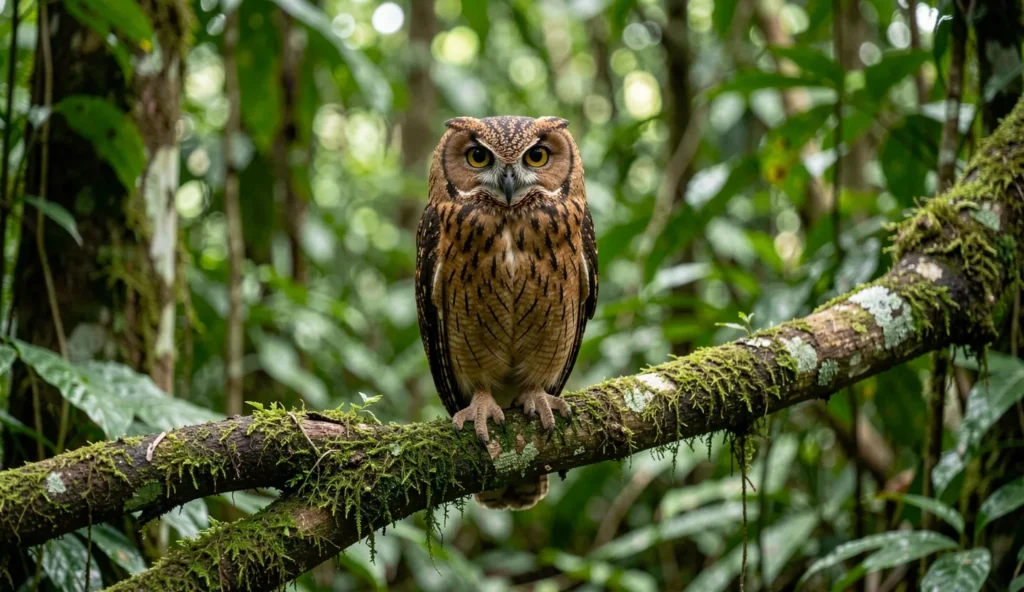
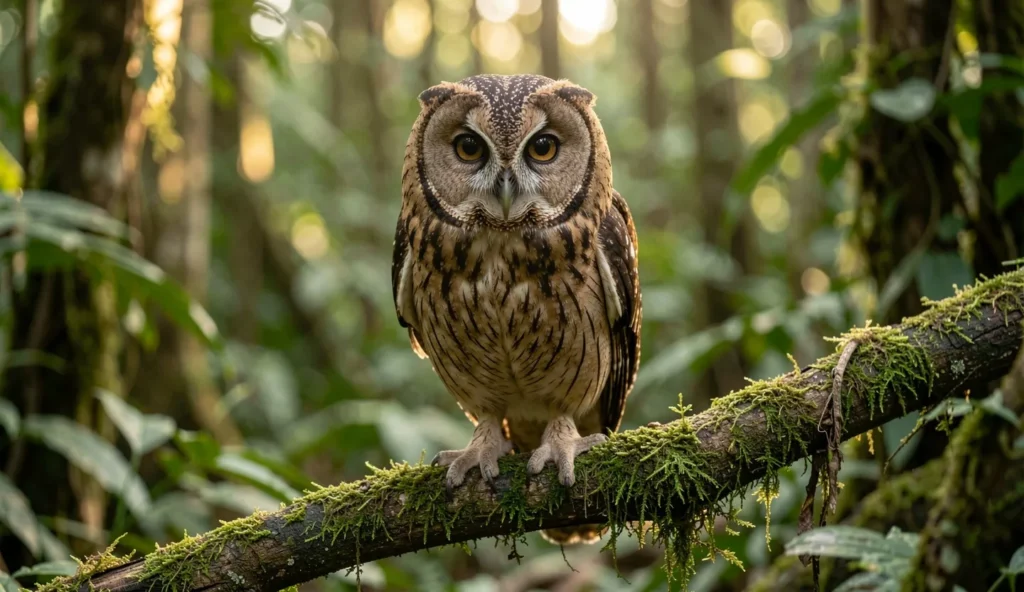
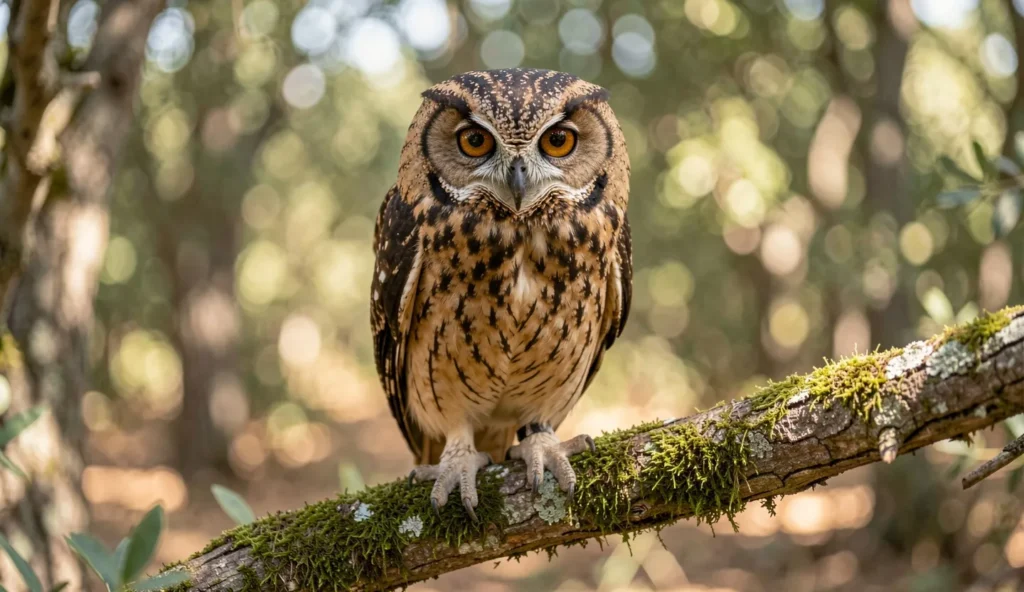
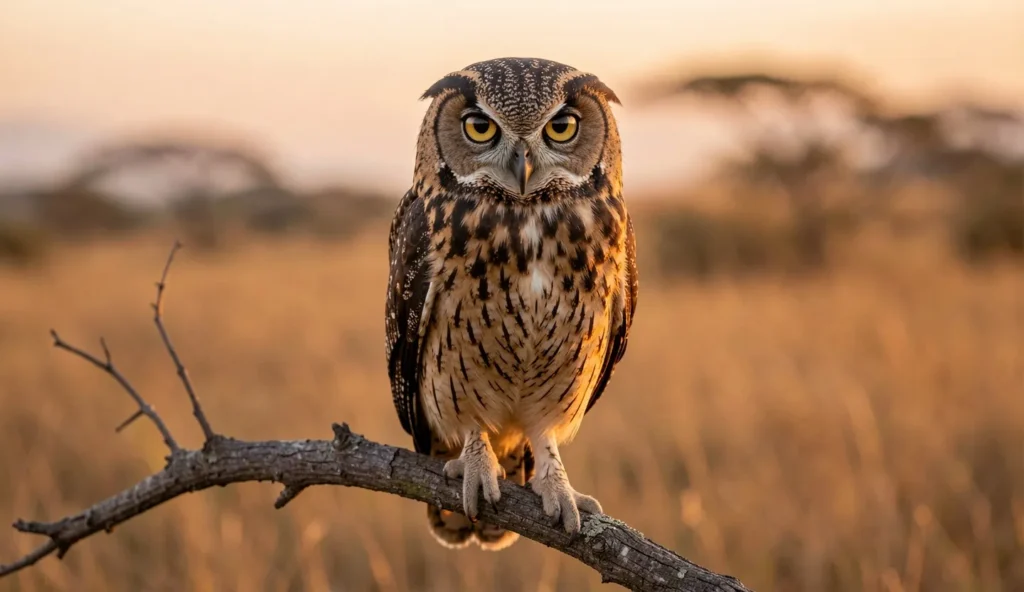
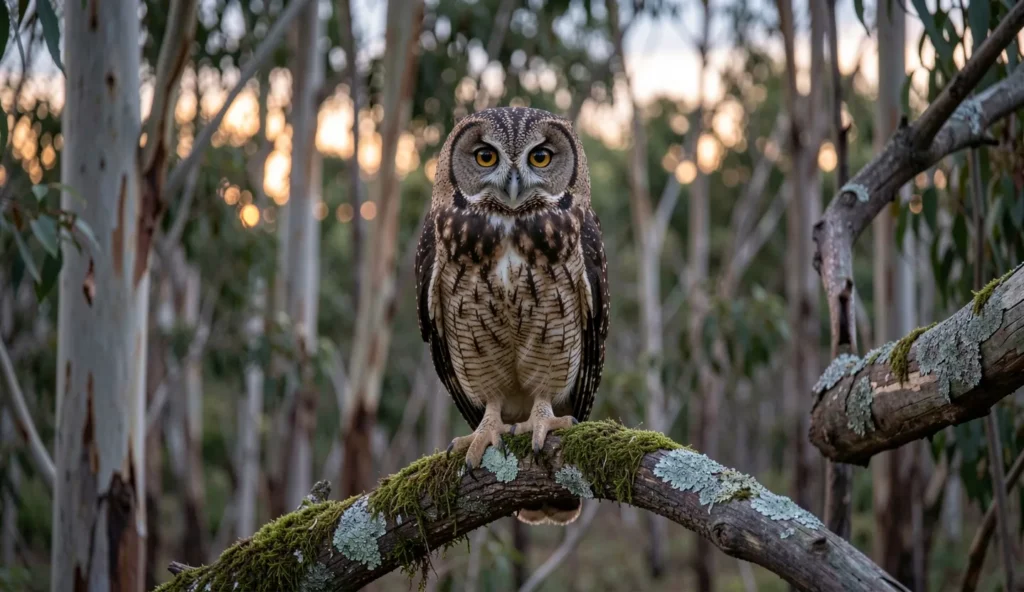
Despite their name, Short-eared Owls have tiny, often invisible, ear tufts. Other features include:
- Length: 13–17 inches
- Wingspan: 38–44 inches
- Color: Brown and buff with streaking on the chest
- Eyes: Bright yellow with black outlines, giving an intense expression
Their flight is buoyant and moth-like, allowing for efficient gliding while hunting. This distinctive flight style is quite different from the powerful, direct flight of the Great Horned Owl, which is built for ambushing prey in forested environments.
Diet and Hunting Habits
These owls are primarily crepuscular (active during dawn and dusk) but often hunt in full daylight. Their diet consists mainly of:
- Voles, mice, and small rodents
- Occasionally, small birds and insects
They hunt by flying low over fields, using sharp eyesight and keen hearing to locate prey, even under snow or thick grass. This daytime hunting behavior makes them more visible than strictly nocturnal species such as the Barn Owl, which relies on complete darkness to hunt.
Behavior and Social Nature
Unlike many owl species, Short-eared Owls can be seen in loose flocks during winter months, especially where prey is abundant.
- They nest on the ground, typically in tall grasses or marsh vegetation
- Their vocalizations include barks, hoots, and wing claps during courtship
- They are fiercely protective parents, often feigning injury to distract predators
These traits highlight their resilience and adaptability to various environments. Their ground-nesting behavior is shared by the Burrowing Owl, another species that has adapted to life on the ground rather than in trees.
Breeding and Nesting
Short-eared Owls typically nest in open, grassy areas. Key breeding behaviors include:
- Females lay 4–7 eggs in a shallow ground scrape, lined with feathers and grass
- The female incubates while the male hunts and provides food
- Chicks fledge after about 2–4 weeks, but stay close to the nest while they learn to fly and hunt
The number of eggs often depends on prey availability, a smart adaptation to unpredictable ecosystems. In years when vole populations boom, these owls may produce larger clutches, demonstrating their direct connection to the health of their environment.
Environmental Importance
Short-eared Owls play a crucial role in controlling small mammal populations, especially voles and mice, which can otherwise cause ecological imbalances in agricultural and natural landscapes. A single family of Short-eared Owls can consume hundreds of rodents during the breeding season, providing natural pest control that benefits farmers and landowners.
Conservation Status and Threats
Although globally listed as “Least Concern,” Short-eared Owl populations are declining in some regions due to:
- Habitat loss from development and agriculture
- Disturbance during breeding season
- Pesticide use impacting prey abundance
Conservation strategies include preserving grasslands, regulating land development, and encouraging wildlife-friendly farming practices. Unlike the Snowy Owl, which faces threats from climate change in the Arctic, the Short-eared Owl’s primary challenge is the loss of open habitats to human development.
Human Connection and Coexistence
Because of their daytime activity, Short-eared Owls are more visible than many owl species, offering birdwatchers incredible viewing opportunities. Ethical birding practices and habitat restoration can ensure peaceful coexistence and support their long-term survival. Observing these owls from a distance during winter months, when they gather in loose flocks, is one of the most rewarding experiences for wildlife enthusiasts.
Fun Facts About Short-eared Owls
- Found on every continent except Australia and Antarctica
- One of the few owls that nests on the ground
- They can rotate their heads up to 270 degrees
- Males perform aerial courtship displays with wing claps
Frequently Asked Questions
Q1: Why are they called Short-eared Owls if their ears are hard to see?
A: The name refers to tiny feather tufts that resemble ears, though they’re often not visible and have no hearing function.
Q2: Do Short-eared Owls migrate?
A: Yes, they are considered partial migrants, moving based on prey availability rather than fixed seasons.
Q3: Are they active during the day?
A: Often, yes! Unlike many other owls, Short-eared Owls frequently hunt in daylight, especially around dawn and dusk.
Q4: Can they be found near cities?
A: They are typically found in open, rural areas but may occasionally be seen near suburban fields or airfields during migration.
Q5: How can I help protect Short-eared Owls?
A: Support conservation groups, avoid disturbing grassland nesting areas, and advocate for wildlife-friendly land use practices.
Conclusion
The Short-eared Owl is a stunning, adaptable bird that brings life and beauty to open landscapes across the globe. With their graceful flight, valuable ecological role, and increasingly rare presence in some regions, they serve as both a marvel of nature and a gentle reminder of our responsibility to protect wild habitats. By learning more about and advocating for this extraordinary species, we contribute to the future of open country ecosystems everywhere.