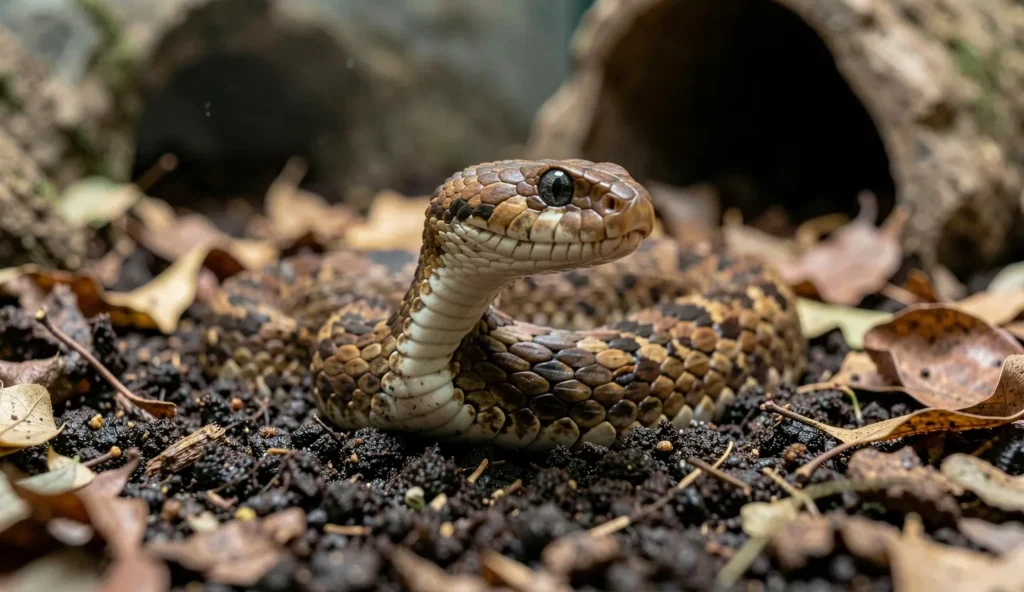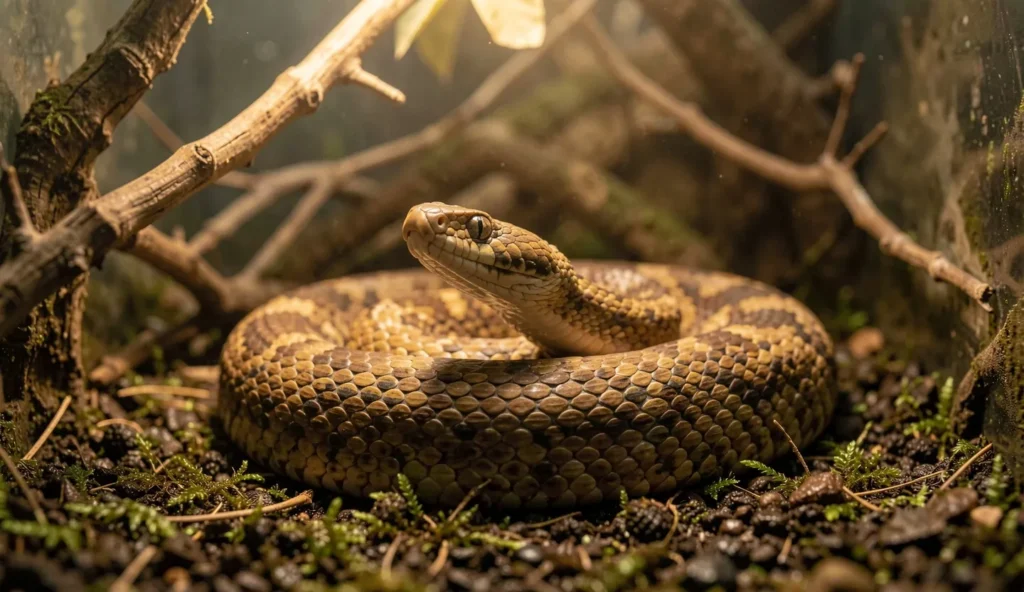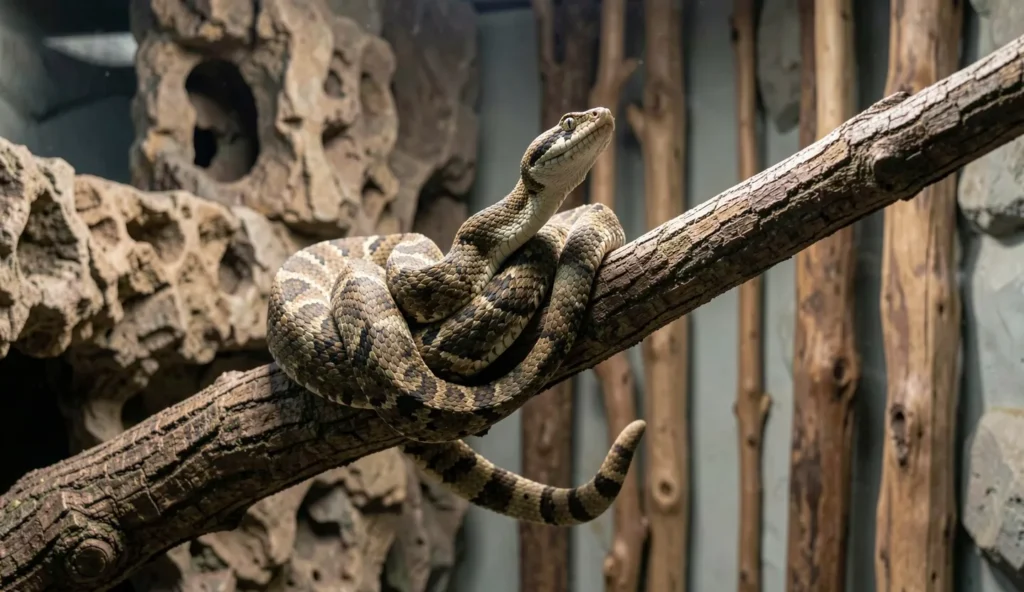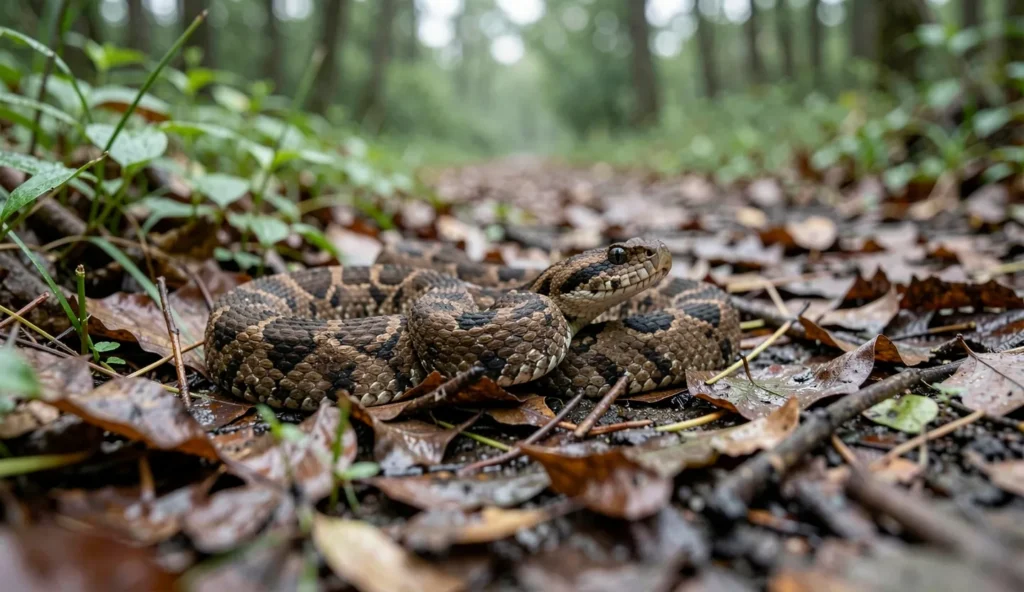
What Is A Copperhead Snake
The Copperhead Snake is a venomous pit viper found across parts of the Eastern and central United States. It stands out for its camouflaged look, which helps it blend into leaf litter and low cover. Understanding the Copperhead Snake basics matters for homeowners and hikers who share the same outdoor spaces.
Where Copperheads Live In The Eastern US
Copperheads range through many areas of the Eastern US, with populations extending into parts of the Midwest and South. They often appear where cover and prey overlap, including woods, rocky edges, creek banks, and brushy fields. Copperhead habitat also commonly overlaps with yards when edges of grass meet leaf litter or low plants.
Seasonal movement can bring copperheads closer to homes, especially during warm months when activity rises. In many areas, yard corners, stacked firewood, and thick ground cover create reliable shelter. For that reason, copperhead encounters may occur on trails and near residential properties.
Common Copperhead Traits That Matter For Safety
Copperheads typically have a stout body and a patterned appearance that can look gray, tan, or reddish-brown. The pattern often forms hourglass-like bands along the body, but lighting and distance can change what a person sees. That makes accurate identification difficult in the field.
Most importantly, handling attempts raise risk. Even when the Copperhead Snake is suspected but not confirmed, the safest choice stays the same, which is to keep distance and avoid contact. Taking photos from far away can help some people report sightings without putting themselves in danger.
How Copperhead Bites Usually Occur
Copperhead bites often happen during accidental contact, such as stepping near a hidden snake or reaching where a snake has tucked itself. Mowing, yard work, and moving objects can also trigger bites when a person surprises a resting snake. People may assume the snake will move, but defensive reactions can happen quickly.
Risk increases around tall grass, leaf litter, rocks, and woodpiles. Copperhead habitat places the snake close to walking paths, so a misstep can bring the head within striking distance. Bites also occur without aggressive behavior, since the snake may respond to a perceived threat rather than seek conflict.
Copperhead Bite Symptoms To Watch For
Recognizing copperhead bite symptoms improves safety because it supports faster medical decisions. With venomous bites, effects can vary by bite depth, injected venom amount, and the person’s health. For that reason, every suspected Copperhead Snake bite should be treated as urgent.
Early Signs After A Copperhead Bite
Early signs often include pain, swelling, and noticeable skin changes near the bite site. Symptoms can start within minutes, though timing may differ from person to person. Regional numbness or tingling can also appear, particularly as local tissue response develops.
Swelling often becomes more obvious as time passes, and the area may look tense or bruised. Some people notice discoloration that spreads outward from the bite. These early local effects matter because they can signal copperhead venom is actively affecting tissue.
Other Symptoms That Increase Concern
In addition to local changes, some people develop systemic symptoms. These can include nausea, dizziness, weakness, or trouble breathing. Changes in heart rate and overall alertness can also signal a more serious reaction.
Systemic symptoms can progress even when the bite looks small at first. This is why copperhead bite symptoms should be treated as potentially dangerous when anything beyond mild irritation occurs. Emergency care supports monitoring for blood and breathing changes that require rapid treatment.
How Long Symptoms Can Worsen
Symptoms may worsen over the first several hours, especially swelling that spreads beyond the immediate bite point. Blistering or deeper bruising may develop as local effects continue. Delayed medical evaluation can allow progression and can make complications harder to manage.
Even when pain seems manageable at first, worsening tissue injury can still occur. A person may also develop delayed systemic signs later. Because outcomes depend on timely assessment, waiting for major symptoms is unsafe.
When Symptoms Are Not Enough To Decide
The safest rule treats any possible venomous bite as an emergency, even when symptoms seem mild. Early presentations do not always match expectations, and the absence of dramatic symptoms does not prove a bite was nonvenomous. Treating the situation as urgent protects the victim and reduces uncertainty.
People should avoid making identification decisions after the fact. Instead, focus should go to time, symptom changes, and rapid transport to care. That approach reduces risk and improves the chance that copperhead venom effects get addressed early.
Copperhead First Aid Steps While Waiting For Emergency Help
Copperhead first aid aims to reduce harm while emergency services get the victim to medical care. The priority stays the same, which is to limit movement, keep the person stable, and avoid actions that worsen venom spread or tissue injury. These steps apply to homeowners and hikers who need clear actions immediately.
Call Emergency Services Right Away
Call 911 or the local emergency number immediately after a suspected Copperhead Snake bite. Note the time of the bite and the exact location, such as yard corner, trail segment, or coordinate if available. If another person saw the snake, share that information too, including general appearance without attempting a capture.
While help is on the way, keep communication open and follow dispatcher instructions. If emergency services ask for symptom updates, report changes in pain, swelling, and breathing. Time matters because clinicians may need to evaluate swelling progression and systemic effects quickly.
Keep The Person Still And The Bite Area Lowered
Movement can increase spread of venom through circulation, so keeping the person still helps reduce risk. The bitten limb should stay at rest and positioned lower than the heart when possible. This positioning supports slower spread while waiting for help.
Remove rings, watches, and tight clothing near the bite because swelling can become significant. Also avoid walking the victim to a car unless it is unavoidable. If movement is required, it should stay limited and controlled.
Clean Gently And Cover With A Clean Dressing
If clean water is available, gently rinse the area to remove visible debris. Then cover the bite with a loose, clean dressing to protect the skin. Aggressive cleansing can damage tissue and should be avoided.
Do not scrub, squeeze, or rub the bite site. Covering reduces contamination without adding trauma. If clinicians later advise removing dressings, that guidance should be followed.
Remove Constricting Clothing And Keep Warm
Constricting items can worsen circulation problems when swelling increases, so remove tight clothing near the bite. Keep the person comfortable and warm, since chills and stress can add to distress. Strive for rest rather than activity while waiting for emergency care.
Overheating should also be avoided, especially in hot outdoor settings. A calm environment and minimal movement reduce strain. In many cases, the victim can sit or lie down while monitoring breathing and alertness.
Do Not Use Harmful Old Practices
Several older first aid practices can worsen outcomes and are not recommended. Tourniquets can cut off circulation and increase tissue injury, so they should never be applied. Cutting into the wound increases damage and can raise the risk of infection.
Suction devices and electric shock methods also lack safe benefit and can cause harm. Instead, focus stays on stabilization, gentle cleaning, clean dressing, and timely emergency evaluation. These do not replace medical care, and they should not delay transport.
What To Track Until Medical Care Starts
Tracking symptoms helps clinicians evaluate severity and progression. Watch for swelling size changes, pain changes, and any new skin discoloration such as bruising or blistering. Also note breathing status and alertness, since systemic effects can appear without warning.
If a bandage was applied, leave it in place unless medical professionals instruct otherwise. Record the time of bite, the time first aid began, and when emergency services arrived. These details support faster clinical decisions.
Copperhead Venom And Medical Treatment Basics
Medical treatment focuses on reducing venom effects and supporting the body through inflammation and potential blood-related changes. Copperhead venom often causes local tissue injury, but severity can differ. Clinicians evaluate both local damage and overall stability when deciding next steps.
What Copperhead Venom Can Affect
Copperhead venom can cause local swelling, pain, and bruising at the bite site. In some cases, blood effects can occur, which may require closer monitoring. The amount of venom injected and the victim’s response both influence how severe the effects become.
Because copperhead venom effects vary, clinicians treat each case as a unique presentation rather than a fixed pattern. Even when symptoms seem limited, monitoring can still detect changes that require supportive care. That is why early evaluation helps reduce risk of complications.
Why Doctors Monitor Swelling And Vital Signs
Doctors monitor symptom progression by checking swelling, pain, and skin changes over time. Vital signs also guide safety decisions, since systemic involvement can affect heart rate and breathing. Observation supports early detection of worsening tissue injury or clotting-related issues.
Pain control also matters, since discomfort can limit mobility and recovery. Clinicians may track how the victim responds to supportive measures and whether swelling continues to expand. This monitoring helps determine whether antivenom or additional treatment is needed.
Antivenom And Supportive Care May Be Needed
Clinicians decide whether antivenom is appropriate based on symptom severity and progression. Not every bite requires antivenom, but delayed care can make treatment decisions harder. Supportive care often includes pain management, wound care, and monitoring for complications.
In a practical sense, time spent waiting at home can affect outcomes by allowing swelling to spread. Early emergency assessment gives clinicians the information they need, including the rate of change in copperhead bite symptoms. For additional context on venomous snake care risks, some keepers also review species like King Snake to understand how nonvenomous species differ in behavior and risk.
Copperhead Vs Corn Snake How To Reduce Confusion From A Distance
Many people mix up copperhead and corn snake patterns, especially when both appear in the same regions. This section explains why identification confusion happens and how to reduce it without relying on field accuracy. The Copperhead Snake should remain the safety assumption when uncertain.
Why Field Identification Is Difficult
Both species can show patterned bodies that look similar at a glance. Individual variation and partial views make pattern interpretation unreliable, especially in low light or fast moving encounters. Lighting and distance change the perceived contrast of bands and colors.
Because field identification errors happen, safe behavior should not depend on perfect recognition. Treating any snake in a risky area as potentially venomous prevents unsafe close inspection. If identification questions come up, distance remains the best answer.
Visual Differences People Notice Most Often
Some people notice that copperheads often hold a heavier, more triangular head shape, while corn snakes tend to look more slender and bright. However, these impressions can shift depending on angle and how the snake moves. These differences do not guarantee correct ID and should not encourage closer viewing.
Also, copperheads can flatten and hold still, while other snakes may move differently. That behavior affects how a person interprets shape and pattern. Since the goal is prevention, not certainty, the safe rule stays to avoid close viewing altogether.
Best Safety Rule For Unknown Snakes
When a snake is seen on a yard path or trail, the best safety practice is to back away slowly and keep distance. Keep pets and children behind a barrier such as a door, fence line, or raised distance on the trail. If removal becomes necessary, contact local animal control rather than trying to handle the animal.
This approach reduces risk even when the snake might be nonvenomous. For comparison on common pet snake looks, some readers also research Corn Snake patterns, but that learning should never replace safe distance in the field.
How To Prevent Copperhead Bites Around Home And Trails
Prevention reduces copperhead encounters by lowering hiding spots and limiting surprise contact. Copperhead habitat often includes ground cover, leaf litter, and predictable shelter near prey sources. With consistent habits, homeowners and hikers can significantly reduce accidental exposure.
Yard Management Steps That Reduce Risk
Start with grass and vegetation control around high-traffic areas. Keep grass trimmed, remove tall weeds, and reduce dense growth near patios, steps, and fences. That lowers cover where snakes may rest.
Then manage leaf litter and brush piles, especially along property edges. Store firewood off the ground and away from doors and walkways. Seal gaps and keep crawl spaces secure so snakes do not find easy shelter.
Finally, reduce rodent attractants because rodents draw snakes. Use safe pest control methods and keep trash contained to avoid feeding prey. For those also caring for other species, learning safe handling patterns can help reduce overall risk, even if it does not apply directly to outdoor encounters.
- Keep grass trimmed near paths and doorways
- Remove leaf litter and brush piles near structures
- Store firewood off the ground and away from entries
- Seal gaps and secure crawl spaces
- Reduce rodents using safe, approved methods
Hiking And Outdoor Habits That Prevent Accidents
When walking outdoors, staying on marked trails reduces how often people enter thick ground cover. Wear sturdy boots and long pants so the feet and legs have more protection. Watch where hands and feet land near rocks, logs, and uneven ground.
Avoid reaching under debris or into tall grass, even if the item seems harmless. Use a careful pace and keep awareness on where footing changes occur. This helps prevent the most common contact situations, such as stepping unexpectedly close to a resting snake.
What To Do If A Copperhead Is Nearby
If a Copperhead Snake appears nearby, give the snake space immediately and avoid trying to move it. People should shift backward and guide children and pets away in a calm, controlled way. A wide detour prevents accidental stepping into striking range.
Do not attempt to trap or capture the animal, since close handling greatly increases risk. If the snake blocks a route, wait for it to move or use a safer path around it. In many yards, simply creating distance ends the encounter safely.
Seasonal And Activity Timing That Changes Risk
Encounters often increase during warm months when snakes and prey are more active. Yard work and mowing also raise contact risk because they disturb resting animals. Early morning and evening can affect sightings, since temperature and activity cycles change when people are outside.
During peak seasons, take extra care when moving through leaf litter, carrying items, or stepping near tall grass. Wearing boots and using a light to check the ground can also help in dim areas. Consistent timing awareness strengthens prevention.
First Aid Readiness For Outdoor Trips
Carry a basic first aid kit and plan for limited coverage when hiking. Know local emergency numbers and phone coverage expectations for the area. A small preparation step, such as saving local contact details, speeds response if an incident occurs.
Also keep a simple record practice, like noting time of incident and symptom changes. This helps emergency responders when they arrive and reduces the victim’s confusion. For people who also keep reptiles indoors, review safe handling basics for non-risk species, such as learning husbandry for Pine Snake to reinforce the principle of distance and restraint in general.
Taking Action With Caution Protects People And Pets
Copperhead bite emergencies require immediate action and careful prevention habits. Treat uncertain encounters as venomous, keep distance, and seek emergency help right away when a bite is suspected.
Frequently Asked Questions
What Should Be Done Immediately After A Suspected Copperhead Bite?
Call emergency services right away and keep the person still while removing tight items.
How Can Copperhead Bite Symptoms Change Over The First Few Hours?
Swelling and pain can increase over time, and skin bruising or blistering may develop.
What Are Unsafe First Aid Steps For Copperhead Bites?
Do not cut the wound and do not use a tourniquet or suction.
How Can Homeowners Reduce Copperhead Habitat Around A Yard?
Keep grass trimmed and remove leaf litter, store wood off the ground, and reduce rodents.
How Should Hikers React If A Snake Is Seen On The Trail?
Back away to keep distance and detour to avoid passing near thick cover.
Is It Safe To Handle A Snake After A Copperhead Vs Corn Snake Identification Attempt?
No, do not handle any snake in the field and treat unknown snakes as potentially venomous.
A Clear Plan Helps Reduce Risk
Prepared prevention and fast first aid actions can reduce harm when copperhead habitat overlaps with daily life and outdoor routes.