What Is A Rainbow Boa
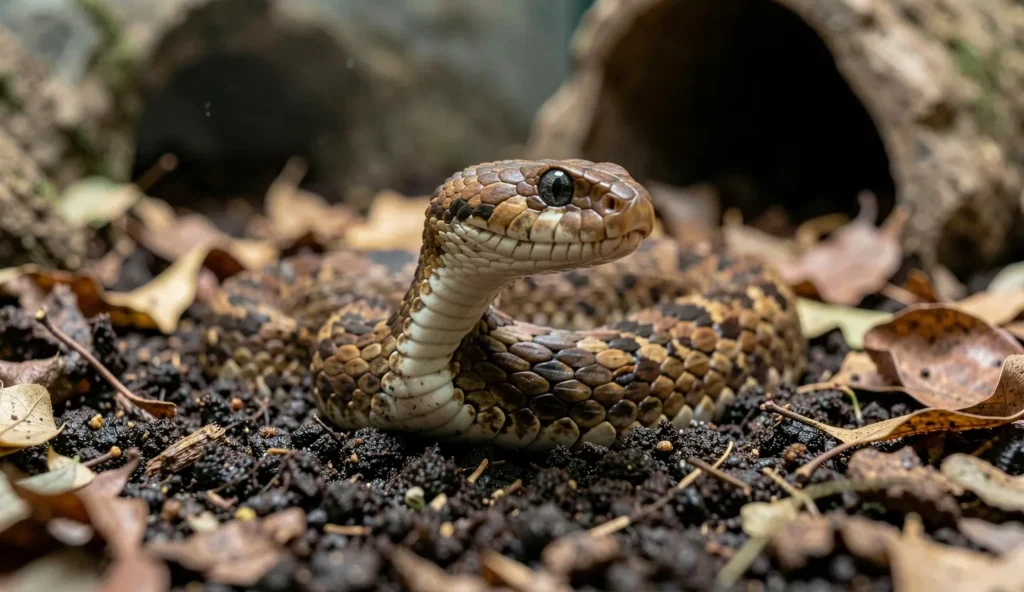
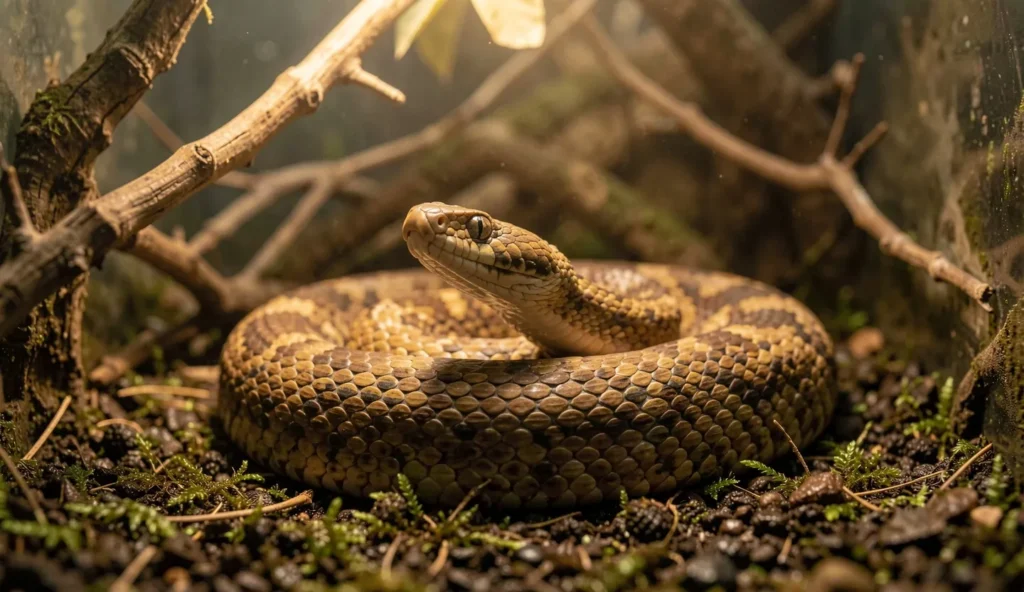
The Rainbow Boa is a South American boa species kept by experienced reptile keepers who manage humidity closely. It stands out for its iridescent scales and its clear need for stable moisture and proper warmth. When conditions shift too fast, skin problems and shedding trouble can follow. Many owners want a Rainbow Boa because it offers striking coloration paired with predictable husbandry when humidity stays controlled.
Origin And Natural Habitat
Native range includes tropical and subtropical forest regions where air stays moist for much of the year. Natural humidity supports healthy skin layers and consistent shed cycles. Even in the wild, moisture patterns matter more than brief spikes. This background helps explain why a Rainbow Boa enclosure needs steady control rather than frequent changes.
Seasonal weather can still cause variation in daily humidity, but major drops are less common than in typical indoor setups. As a result, keepers benefit from monitoring trends over time. Stable readings usually lead to smoother shedding and fewer skin issues.
Key Physical Traits And Iridescent Scales
The Rainbow Boa’s iridescent scale sheen becomes most obvious under appropriate lighting and correct enclosure conditions. A well-managed humidity level also supports a complete shed, which keeps the coat looking clean and even. Body shape suits climbing behavior and secure grip on branches or textured surfaces. For that reason, a rainbow boa enclosure should include safe climbing options and controlled microclimates.
Because the surface layer of skin changes during ecdysis, humidity must support the process without leaving the animal soaked. This balance also affects how the skin separates and how easily retained shed can be removed. Owners should treat humidity as a core part of Rainbow Boa care rather than a secondary setting.
Rainbow Boa Enclosure Essentials For Stable Humidity
A rainbow boa enclosure must maintain strict humidity with minimal swings and low risk of pooling water. Stable moisture supports skin health, helps reduce friction during shedding, and lowers the chance of retained shed. However, excess wetting can raise mold and bacterial risks, so airflow and substrate choice matter. When humidity and temperature work together, Rainbow Boa care becomes more consistent.
Enclosure Size And Layout For Adults
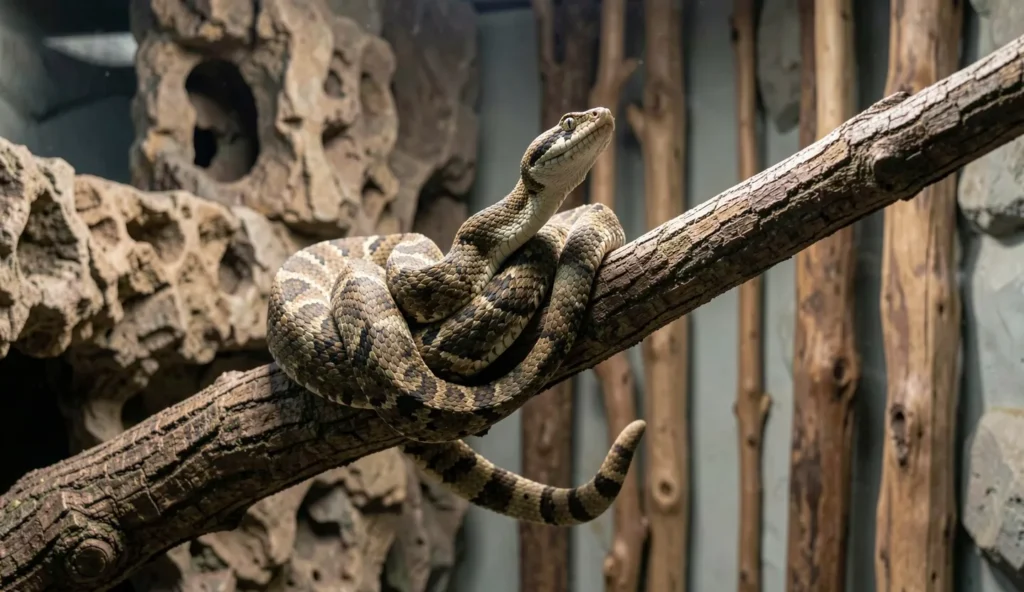
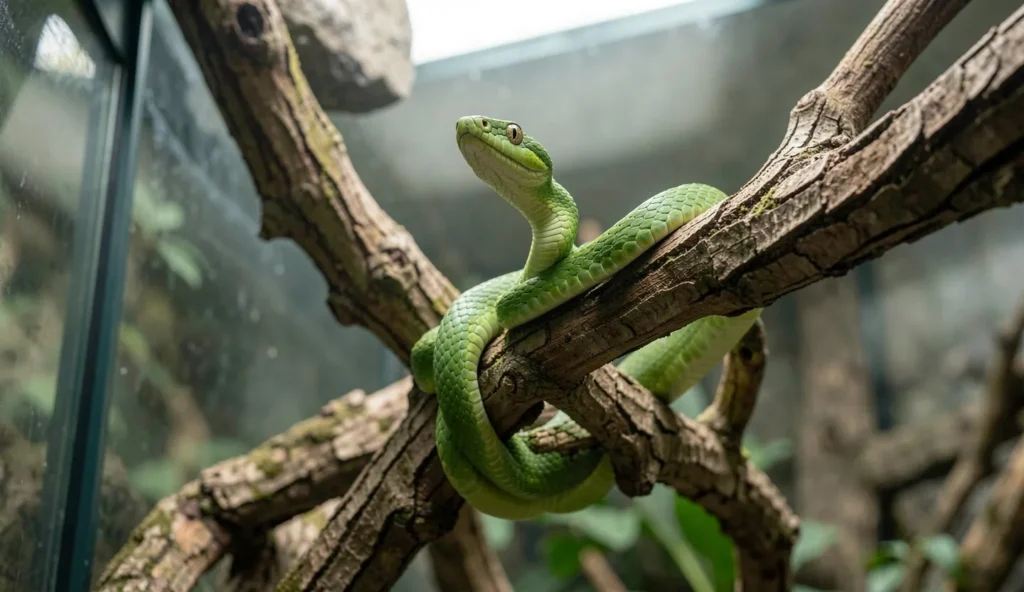
Use a ventilated enclosure sized for active movement and safe climbing. Adult Rainbow Boas benefit from secure branches placed at multiple heights so the animal can choose warm or cool areas naturally. A humid hide also needs dedicated space so the surrounding bedding stays less wet. With this layout, humidity concentrates where it should, not across the full enclosure.
It helps to plan the hot side and cool side as separate zones. Then the humid hide can sit on the warmer half without flooding the cooler area. This design reduces uneven humidity while still supporting shedding.
Humidity Targets And Measurement Method
Humidity should stay consistently high rather than dropping and then being raised repeatedly. Most keepers aim for stable control by using calibrated probes and placing them where they reflect real conditions. Put hygrometers at both warm and cool zones, because a single reading can hide uneven moisture. Digital probes rated for high humidity environments usually offer better accuracy than basic analog tools.
Measurement placement matters as much as the number. Probe locations should not sit directly in mist fallout or inside the water dish splash zone. When readings are reliable, the rainbow boa temperature and humidity plan can be adjusted with less guesswork.
Hot Spot And Thermal Gradient Planning
Rainbow Boa temperature planning must create a clear warm zone for digestion and a cooler zone for thermoregulation. Humidity must be managed alongside the warm zone heat because warm air increases evaporation. If the warm side stays too wet, the enclosure can shift into a damp pattern that encourages respiratory risk. Surface temperatures that are safe for skin contact reduce stress during rest periods.
A practical goal is a thermal gradient that the snake can use daily. Then humidity support can be focused into the humid hide. This approach keeps the overall rainbow boa enclosure from becoming consistently wet.
Substrate Choices That Support Humidity Control
Choose moisture-retentive substrates that do not collapse into slurry. Some materials hold water well but still shed surface moisture gradually, which makes humidity management easier. At the same time, substrates that stay saturated can encourage mold growth. A consistent substrate depth helps stabilize evaporation rate, which reduces humidity swings.
For many keepers, textured substrates with moderate moisture retention perform better than fully waterlogged options. Spot cleaning should remove soiled areas without stripping the enclosure into dryness. This balance supports stable microclimates inside the humid hide.
Ventilation And Airflow Without Drying
Fresh air exchange must balance humidity retention to avoid stale corners. Stagnant air pockets can develop in hide areas and along back corners, especially in enclosures with limited airflow. At the same time, heavy ventilation can dry surfaces too fast and disrupt shedding. A seasonal approach works best because ambient room humidity changes throughout the year.
Adjust ventilation seasonally rather than forcing one setting year-round. Use airflow to prevent wet air from lingering, not to dry everything out. This method supports healthier skin and a lower risk of respiratory problems tied to excessive moisture.
Humid Hide Setup And Hide Placement
A dedicated humid hide creates a controlled microclimate where humidity can stay high without soaking the full enclosure. Line the hide with a moisture-safe material that holds humidity but does not drip. Place the hide where humidity is high but not wet, and avoid direct mist impact that could pool water. Many owners find the humid hide becomes the main tool for shed support.
The hide should also stay easy to clean and replace. If the lining becomes contaminated, humidity may stay high while health risks rise. Regular inspection supports both humidity control and hygiene.
Misting Versus Automatic Systems
Manual misting can work if monitoring stays frequent and adjustments follow real readings. It also helps to mist with timing that avoids persistent pooling on substrate. Automated misting may reduce human variability, especially for keepers with busy schedules. Still, an automated system can overshoot targets if sensors are poorly placed or poorly calibrated.
To reduce risk, set cycles to support humidity without creating standing water. Also verify that misting does not wet hides and bedding in a way that encourages mold. Owners can compare approach and results across weeks to see which method keeps Rainbow Boa humidity stable.
Rainbow Boa Temperature Requirements And How Humidity Interacts
Rainbow boa temperature and humidity interact because heat drives evaporation and affects skin changes. The right warm and cool areas help the snake regulate body function, including digestion and shedding readiness. If temperature falls too low, shedding can stall even when humidity readings appear high. If the warm side runs too hot while also staying wet, skin and respiratory stress can increase.
Rainbow Boa Temperature Targets By Zone
Provide a clear warm zone for digestion and daily activity, and keep a cooler zone for thermoregulation. Use a thermometer to verify readings rather than relying on room temperature assumptions. Surface contact areas should stay safe, because snakes rest against logs and branches. With accurate numbers, rainbow boa temperature planning becomes repeatable and less stressful.
Place thermometers at levels the snake actually uses. Avoid hiding sensors behind bedding, because readings can lag behind real conditions. When the gradient works, humidity control becomes more predictable.
How Incorrect Temperature Affects Shedding
Low temperatures can slow shed progress and increase the chance of stuck shed. High temperatures combined with excess moisture can stress the animal and worsen skin condition. Stable warmth supports normal shedding behavior during ecdysis. This is why humidity adjustments should never remove the need for proper heat.
During shed, skin layers separate and the animal often depends on a stable microclimate. If temperature and humidity move in opposite directions, the shed window can become harder to manage. Consistency usually reduces skin damage and retained pieces.
Monitoring Schedule For Humidity And Temperature
Check humidity and temperature multiple times daily, especially during weather changes. For owners who track results, readings can be reviewed over several days to spot patterns. That approach helps prevent overcorrection, which can cause humidity swings. Recalibrate probes regularly so sensor drift does not create false confidence.
It also helps to check after any husbandry change like new substrate, moved vents, or altered misting. Temperature and humidity can shift within hours, not just days. Accurate monitoring reduces the guesswork behind Rainbow Boa enclosure adjustments.
For keepers comparing methods across species with similar husbandry demands, comfort planning can be easier when other high moisture setups are reviewed. A keeper who already manages humidity for a King Snake may find that stable measurement habits transfer well. Even though the species differ, monitoring discipline can improve results for Rainbow Boa humidity control.
Rainbow Boa Feeding For Healthy Body Condition
Rainbow boa feeding supports health only when digestion conditions stay correct. In high humidity setups, poor heat management can delay digestion and increase the risk of regurgitation. Feeding plans should align with the warm zone so the snake processes food reliably. When food timing also matches stable humidity, the animal maintains better skin condition and body weight.
Diet Basics And Prey Size Guidance
Offer appropriately sized rodent prey based on age and body size. Prey selection should match the snake’s girth, with gradual adjustments as the animal grows. Overfeeding can reduce long term health even if the snake remains active. Instead, refine prey size step by step so digestion stays predictable.
Keeping prey consistent also helps track body condition. If weight trends rise too fast, feeding intervals or prey size usually need revision. This approach supports a healthy metabolism and reduces stress during shedding periods.
Feeding Schedule By Age And Growth Stage
Younger Rainbow Boas typically need more frequent meals, while adults often eat less often depending on body condition. A feeding schedule should reflect growth rate and weight trends rather than strict calendar dates. Keepers can review weight after each meal cycle to decide whether the interval needs adjustment. This helps avoid long fasting periods followed by heavy meals.
During shed preparation, appetite may decrease, which usually shows up as reduced feeding response. It can help to avoid forcing feed attempts during early shedding phases. Stable environmental conditions reduce stress and support normal feeding behavior.
Feeding Safety In A High Humidity Setup
Feeding areas should stay clean, because warm humid conditions can encourage bacterial growth if prey handling areas get messy. Avoid disturbing the enclosure right after feeding, since the snake needs calm conditions to digest. Ensure the warm zone temperature stays within target ranges so digestion can proceed safely. After feeding, routine checks should remain gentle and predictable.
If the enclosure is heavily misted, keep water away from the feeding area to prevent soggy substrate. A clean separation between feeding and humid hide zones can reduce mess and keep humidity more stable. For keepers who also manage other species, the California Kingsnake care habits highlight how cleanliness and feeding planning overlap across colubrids and boas.
Water Availability And Hydration Practices
Provide a water dish large enough for comfortable soaking, since some Rainbow Boas soak during humidity management. Place the dish so it does not soak the substrate deeply or cause constant wet surfaces. Replace water regularly, especially in hot conditions where evaporation changes humidity patterns quickly. Water management also supports stable humidity readings because a changing evaporation surface can shift the enclosure climate.
If soaking increases dramatically, it may signal that humidity is either too low in general or too high in a way that pushes soaking behavior. Monitoring trends in both humidity probes and shed outcomes helps keep hydration balanced. This creates a more controlled rainbow boa enclosure overall.
Grooming And Shedding Support Without Over Wetting
Skin care depends on humidity stability, not on heavy misting. The Rainbow Boa’s iridescent scales look best when shed completes fully and the skin separates evenly. During shedding, the goal is to maintain consistent high humidity without turning the entire enclosure into a wet environment. Over wetting can raise contamination risk and can worsen retained shed problems.
Recognizing Shed Readiness
A bluish eye phase often signals that shed preparation has begun. The snake may also reduce feeding response around the early stage of ecdysis. Instead of increasing humidity suddenly, keep environmental targets steady. Stable conditions usually support normal shed timing and reduce skin injury during the separation process.
Track shed readiness with observation and humidity logs. If humidity has been stable before the shed begins, the humid hide usually handles the rest. If conditions were fluctuating, shed support may require more careful adjustment in small increments.
Humidity Adjustments For The Shed Window
Maintain consistent high humidity during early shed stages to help the skin layers loosen properly. Rapid swings can dry the skin and interfere with full shedding. The humid hide should act as the primary shed support tool so humidity concentrates in the right place. Keep overall bedding from becoming soaked, since that pattern increases mold and bacterial risk.
Many keepers find it effective to keep misting modest and focused on the humid hide lining rather than the whole enclosure. Also, confirm that rainbow boa temperature stays stable during the shed window so the animal can process normal behaviors. This combination supports smoother ecdysis.
Handling Stuck Shed Safely
When shed remains stuck, the first step is to remove the cause by adjusting enclosure conditions. If humidity and temperature have drifted, restoring targets often improves shed separation over time. Use minimal intervention when retained shed persists, because aggressive handling can damage new skin. For persistent retained shed, reptile vet help should be sought to reduce complications.
Owners should also inspect the humid hide lining, because poor moisture retention can leave parts of the body drying faster. After any intervention, monitoring should continue because stuck shed can repeat if humidity remains uneven.
For keepers expanding their understanding of humidity-driven skin care, other species comparisons can clarify what problems look like. A Milk Snake example can help highlight that shedding outcomes often track enclosure stability across colubrid care as well. The main takeaway stays the same, humidity should support healthy skin, not create soaked conditions.
Common Health Issues From Humidity And Enclosure Errors
Humidity problems usually show up when moisture levels run too low, too high, or uneven across the enclosure. When humidity is low, sheds can become incomplete and skin can retain pieces. When humidity is too high with poor ventilation, respiratory risk increases. Stable measurements help catch issues early before they become emergencies.
Respiratory Problems Linked To Wet Air And Poor Ventilation
Excess moisture with insufficient airflow can increase respiratory risk. Stale air can also contribute to skin problems and discomfort during normal behaviors. Watch for open mouth breathing and unusual lethargy, since these signs often point to stress. Keep the warm side from becoming permanently wet, especially near hides.
Good ventilation reduces stagnant moisture while still preserving humidity targets in the humid hide. If symptoms appear, reduce moisture across the enclosure while maintaining necessary humidity in the hide. Veterinary evaluation may be required if breathing changes persist.
Skin Issues And Retained Shed From Low Humidity
Low humidity periods can lead to incomplete sheds and retained skin at the toes or tail. Frequent stuck shed often indicates unstable humidity rather than a single misting miss. Consistent measurements in both warm and cool zones help diagnose whether one area stays too dry. When readings are uneven, the snake may shed only partially in response to microclimate gaps.
Address the underlying cause by improving hide placement, lining moisture retention, and overall stability. Then monitor shed outcomes over the next cycle to confirm improvement. This method supports healthy skin without requiring heavy wetting.
Mold And Bacterial Growth Prevention
Mold and bacteria often follow persistent pooling and saturated substrate layers. Avoid letting water sit on bedding or keeping substrate damp for days beyond normal evaporation cycles. Spot clean regularly, but do not fully dry the enclosure so quickly that humidity swings reappear. Remove heavily soiled materials promptly and replace with fresh substrate when needed.
Also inspect the humid hide because it stays moist by design. If the lining remains contaminated, it can keep humidity high while creating health risk. Routine replacement of humid hide materials supports both humidity control and hygiene.
Health Checks During Routine Care
Routine checks should include body weight, muscle condition, and shed quality after each cycle. Weight trends help refine rainbow boa feeding schedules and reduce risk from overfeeding or underfeeding. Inspect the water dish and humid hide for contamination so humidity remains supportive rather than harmful. A quick look after feeding also helps verify warm zone stability.
Keepers who already track humidity for other reptile species may find a similar checklist approach helpful. For example, a keeper transitioning experience from Boa Constrictor housing can apply the idea of monitoring microclimates and ventilation patterns. Even when the species differ, the husbandry logic around moisture management remains useful.
Is A Rainbow Boa Right For You
A Rainbow Boa can fit experienced keepers who can measure humidity daily and adjust settings gradually. Strict humidity control supports healthy sheds and stable skin, so consistent monitoring matters more than occasional corrections. The best fit includes reliable heating, accurate probes, and a dedicated humid hide plan. Keepers who already manage high humidity setups usually handle these demands without added stress.
Best Fit For Keepers Who Can Monitor Daily
This species benefits from frequent checks and dependable thermometers. Humidity readings should be verified in both warm and cool zones so adjustments target the real problem. A dedicated humid hide typically makes shed support more controlled. When monitoring stays consistent, the rainbow boa enclosure becomes predictable and easier to maintain.
Common Challenges With High Humidity Species
Uneven airflow can create hot wet pockets that raise contamination risks. Seasonal changes can also affect humidity stability, requiring ventilation and misting adjustments. Rapid substrate wetting increases mold risk, especially if the substrate depth stays too deep or remains saturated. Keep these challenges in mind when planning the setup.
Owners who want a calm, stable routine usually manage humidity by design rather than by constant intervention. This mindset supports the Rainbow Boa’s need for strict humidity levels without creating soaked conditions everywhere.
FAQs: Rainbow Boa Humidity Control
What Humidity Level Does A Rainbow Boa Need?
Target consistently high humidity rather than frequent drops, and verify with probes placed in warm and cool zones.
How Often Should Rainbow Boa Humidity Be Checked?
Check multiple times daily for stable control, especially during weather and seasonal transitions.
What Is A Safe Rainbow Boa Temperature Range?
Provide a warm zone and cooler zone for thermoregulation, and confirm temperatures with a reliable thermometer.
Why Does A Rainbow Boa Have Trouble Shedding?
Low or uneven humidity commonly delays shed completion, and cool temperatures can slow shed progress.
How Should Rainbow Boa Feeding Be Scheduled For Best Condition?
Use age and body condition to set feeding intervals, and size prey correctly while supporting digestion with proper warmth.
Final Care Notes For Humidity Driven Success
Strict humidity control paired with a stable rainbow boa temperature plan supports healthy skin, cleaner sheds, and steady long term wellness. With consistent monitoring and careful enclosure design, the humid hide becomes a predictable part of daily care.