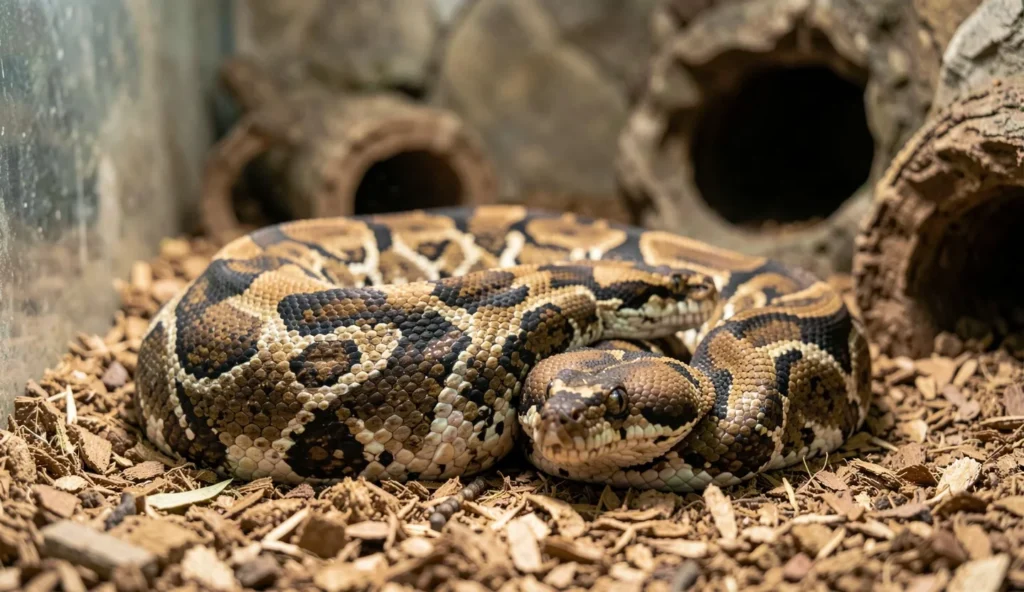
What Is A Woma Python
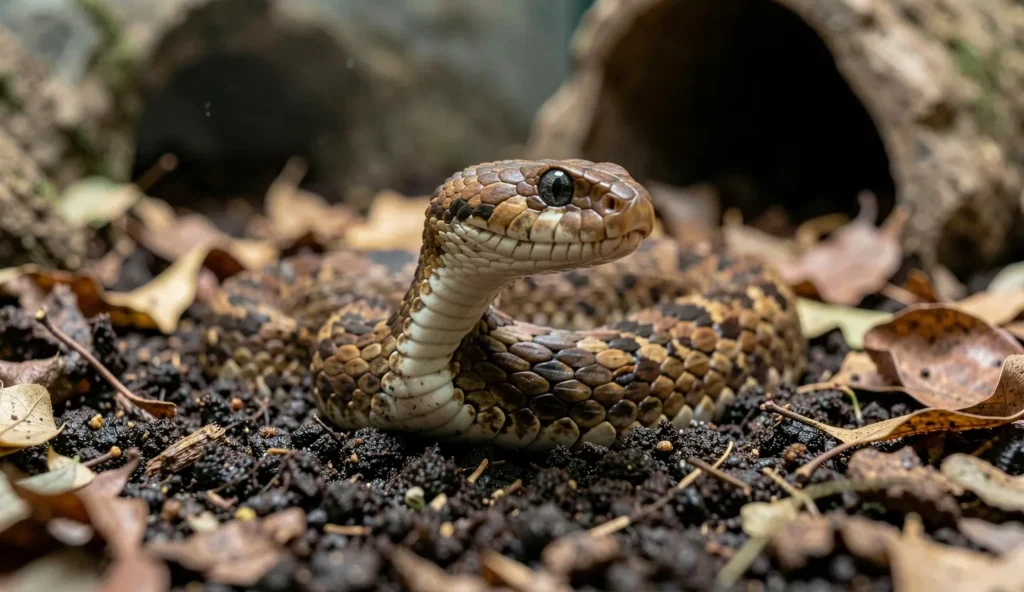
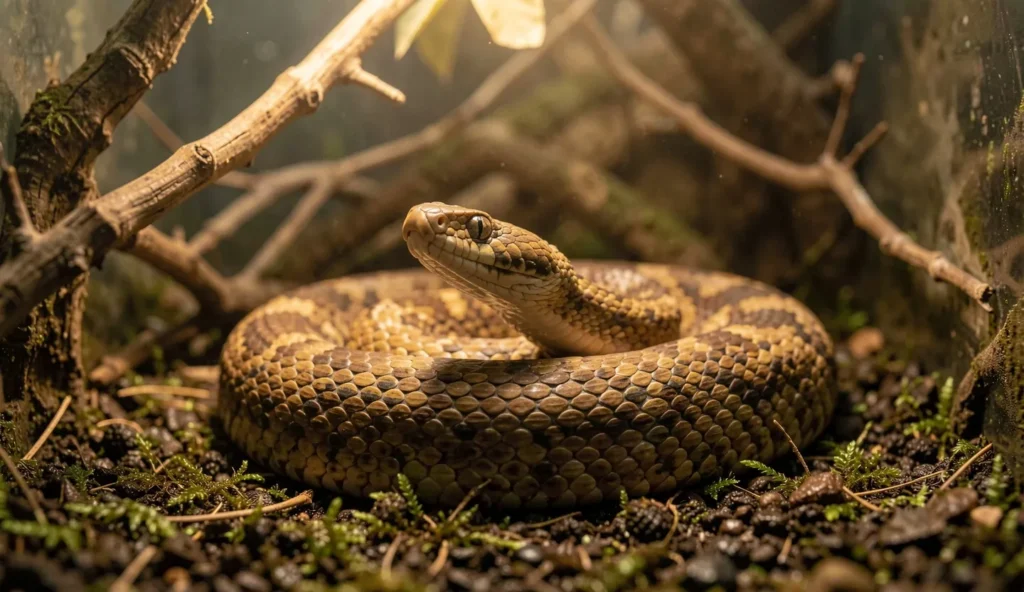
The Woma Python is a burrowing python native to parts of Australia, valued in captivity for its often steady demeanor. It stands out as a heavier-bodied snake that commonly uses hides and substrate rather than roaming. Because this species remains vulnerable in the wild, captive breeding plays a key role in responsible ownership and availability for keepers. Those factors make woma python care focused on stability, security, and long-term husbandry.
Temperament and enrichment matter because pythons do not simply react to handling in isolation. Stress from setup problems can build over time, showing up as refusal to eat, excessive hiding, or defensive postures. When care and environment align, the Woma Python often settles into predictable behavior patterns that many enthusiasts prefer.
Natural Range And Why Captive Breeding Matters
The species comes from Australian regions where habitat pressure and environmental changes can affect wild populations. Because the Woma Python faces vulnerability, wild collection is discouraged and ethically limited in practice. Captive breeding supports a reliable supply for owners who want to keep the animal long term.
In addition, captive breeding helps keep husbandry knowledge in the keeper community. That knowledge improves welfare by guiding consistent feeding, safe enclosure design, and better monitoring during shedding. Responsible sources also reduce the risk of acquiring animals with unknown stress history.
Species Traits That Shape Behavior
Woma pythons have a relatively heavy build, and many individuals look calm when they feel secure. Their burrowing tendency also influences how they behave during daytime, since they often choose lower, enclosed spaces. As a result, expected activity can be limited, which should not automatically signal illness.
Feeding response and stress sensitivity also shape temperament. If prey timing, temperature, or handling routine creates discomfort, the python may respond by tightening defensively or retreating quickly. Care that supports natural thermoregulation often reduces those triggers and supports calmer daily behavior.
Woma Python Size And Physical Features
Understanding woma python size helps predict how much space and how much enclosure depth the animal will use. It also helps select a feeding approach that matches body proportions, which supports steadier feeding behavior. Most keepers plan enrichment around a snake that stays low, hides often, and uses substrate for burrowing.
Size expectations should guide the entire setup, from hide measurements to the depth of the burrowing section. When the physical environment matches the animal’s needs, stress decreases and calm behavior tends to increase.
Typical Size Range In Captivity
Adults usually reach a moderate length for python keeping, not the giant scale of some other species. Exact growth depends on genetics, feeding consistency, and the steadiness of enclosure warmth. Over the first years, the snake’s growth rate typically slows once body condition stabilizes.
Space planning works best when it accounts for gradual length increases. Planning woma python enclosure depth and hide size from the start prevents repeated upgrades later, which can disrupt feeding routines and increase stress.
Body Build And Movement Style
The body build supports stable, deliberate movement rather than quick bursts of travel. Many individuals remain coiled within hides or low cover, which matches their natural burrowing and concealment habits. Because movement often concentrates near the hide area, the enclosure layout should prioritize safe access paths.
Also, burrowing limits visible activity. Keepers may see less out-of-hide behavior even when the python feels well, so activity levels alone should not determine whether care is adequate.
Sex Differences That Owners May Notice
Males and females can differ slightly in size and mass, but the overlap is common. Clear differences often show only after long-term observation and consistent records of body growth. For breeding decisions, professional confirmation and careful pairing planning matter.
Temperament can vary by individual regardless of sex. Even when two pythons share similar size, enclosure warmth, feeding history, and prior handling can produce different stress responses.
Temperament And What Calm Behavior Looks Like
Many enthusiasts choose the Woma Python for its reputation for steadiness, and healthy adults often show a calm baseline. Calm behavior usually includes staying in the same hide for long periods and moving slowly when environmental checks occur. Defensive behavior often appears mainly when stress rises or when the python feels forced to cope with change.
Temperament-friendly care means the enclosure supports reliable thermoregulation, stable humidity, and predictable feeding. When those elements stay consistent, the python usually demonstrates fewer sudden reactions.
Common Temperament Traits In Healthy Adults
A healthy woma python temperament often looks steady rather than frantic. Many individuals appear less defensive than some other python species, especially when keepers minimize sudden changes. When the python feels secure, it may remain partially coiled and relaxed inside its hides rather than repeatedly testing escape routes.
Feeding and shedding also influence how the animal behaves day to day. Some pythons tolerate brief handling well, but most still prefer low disturbance during feeding windows and when skin changes begin.
How Stress Changes Behavior
Stress can change behavior quickly, even if physical conditions look acceptable at first glance. Increased hiding that does not resemble normal routine, refusal to settle, or a sudden drop in appetite often points to mismatch in temperature, humidity, or routine. If tight coiling, repeated striking, or fast retreat increases during regular care, the situation deserves review.
Temperature-related stress can look like reduced feeding interest. Handling too close to feeding or after shedding begins can also create a defensive pattern that keepers then misinterpret as personality.
Handling Approach That Supports Docility
Handling should support the body and reduce sudden tension, especially during the first weeks after arrival. For a new owner, the goal is calm interaction, not frequent contact. Minimizing handling often prevents the snake from associating human access with stress.
Handling near feeding increases risk and can raise defensive responses. It also helps to avoid handling right as shedding begins, since a python may feel sensitive even when it appears otherwise calm.
Woma Python Enclosure Setup For Security And Comfort
A secure woma python enclosure supports calm behavior by reducing escape risk and giving reliable temperature choices. Since many individuals burrow or hide, the enclosure must provide safe cover on both warm and cooler areas. The design should also help owners manage humidity without creating wet, unstable spots that can harm skin.
Because temperament changes with environment, enclosure setup becomes a daily part of care. Small inconsistencies, such as poor heat control or unreliable hides, can show up as stress signals.
Enclosure Size And Layout Basics
The enclosure should stay escape proof with stable ventilation so the animal feels contained. It should also provide enough room for the python to move between hiding areas and thermoregulation zones. If the enclosure feels too open, some pythons respond by staying deeper in hides more often.
Layout should include clear hide placement and predictable access paths for routine checks. That approach reduces sudden disturbance, which matters for a burrowing python that relies on security.
For keepers comparing enclosure priorities across species, a similar focus on stable setup exists in other burrowing or semi-burrowing snakes like a King Snake, where secure hides and temperature stability influence daily behavior.
Temperature And Humidity Targets
A warm side and a cooler side let the python thermoregulate while resting where it feels best. The warm zone supports digestion and active comfort, while the cooler zone supports rest and shedding preparation. Reliable thermometers and a hygrometer improve accuracy and prevent hidden problems.
Humidity should support normal shedding without causing constant wet substrate. If shedding cycles fail or skin comes off in pieces, humidity and hydration patterns often need adjustment. Monitoring prevents guesswork.
Hides, Substrate, And Burrowing Options
At least two hides support the animal’s choice and reduce stress from being forced into one spot. One hide should sit on the warm side and another on the cooler side. When hide entrance sizes match the python’s body width, the animal can settle without feeling trapped.
Substrate should hold humidity but avoid pooling and foul buildup. Adding a deeper burrowing area can match natural behavior, and a stable tunnel structure can provide a private retreat. If tunnels are used, they should remain secure so collapse does not injure the snake.
Owners who also keep other burrowing snakes may find helpful parallels in Kenyan Sand Boa enclosure fundamentals, since both species benefit from humidity management and safe digging options.
Lighting And Day Night Rhythm
Most keepers rely on room ambient light and consistent photoperiod rather than bright direct illumination. A predictable day night rhythm supports calmer rest cycles and reduces unnecessary agitation. Bright light or frequent disruptions near the enclosure can increase defensive behavior.
Routine matters more than complex lighting schedules. Enclosure checks should happen at consistent times, and handling should follow the same low disturbance pattern day to day.
Woma Python Diet And Feeding Schedule
Diet affects both health and temperament, especially for a snake chosen for calm captive care. A consistent woma python diet and a stable feeding schedule help maintain body condition and reduce feeding stress. When prey size matches the python, feeding usually feels predictable, and that predictability can support calmer responses.
Feeding should also respect the animal’s sensitivity around environmental changes. Owners who adjust too many factors at once often create stress that can lower appetite.
What Woma Pythons Eat In Captivity
Woma pythons commonly eat appropriately sized rodents in captivity. Prey size should stay smaller than the widest part of the body to reduce strain during swallowing. Many keepers maintain a consistent prey type so the python associates feeding with a familiar cue.
Feeding tools matter, too. Feeding with tongs helps the python strike at the target rather than at fingers, which reduces accidental startle responses.
For owners who compare python feeding approaches to other constrictors, reviewing general feeding patterns for a Ball Python can help reinforce the value of prey consistency and careful size selection, even though specific frequency differs.
How Often To Feed
Frequency usually depends on age and growth stage, with juveniles often needing more frequent meals than adults. Body condition guides adjustments better than guessing based on calendar time alone. If the python becomes too heavy, meal frequency often decreases, while thin body condition may require more regular feeding.
It helps to avoid feeding immediately after moving to a new enclosure. A short settling period supports stability, since handling and setup changes can temporarily lower appetite.
How To Feed Safely Without Stress
Prey should thaw fully and warm to an appropriate temperature before offering. That step helps digestion and supports a smoother feeding response. Feeding should also happen with the enclosure closed and the keeper positioned calmly to avoid lingering above the snake.
Uneaten prey should be removed promptly. Leaving prey in the enclosure longer than needed can raise stress and may lead to substrate contamination depending on the enclosure setup.
After Feeding Care And Handling Timing
Handling should remain minimal for a period after meals. Disturbing a python during early digestion can trigger stress and occasionally regurgitation. Instead, the enclosure should be checked quickly and left to rest.
During digestion, observe from a distance and focus on overall behavior. If regurgitation signs appear or feeding becomes unreliable, enclosure warmth, prey temperature, and handling timing require review.
Enrichment Ideas That Keep A Woma Python Calm
Woma python enrichment aims to support natural behavior without adding constant changes that create stress. For this species, calm enrichment usually means secure choices, burrowing access, and low disturbance routines. Because many individuals prefer hiding and digging, enrichment should reinforce those patterns rather than forcing activity.
Enrichment also protects temperament by giving the snake ways to settle instead of reacting defensively. A well-designed routine helps the python feel safe during spot checks and feeding preparation.
Safe Ways To Add Variety Without Disturbing Them
Variety should happen gradually and infrequently. Moving hides often can remove the feeling of safety, especially during feeding days or when the python is preparing to shed. If change is needed, owners can add new items near existing cover rather than replacing everything at once.
Multiple hides reduce the impact of any enclosure adjustment. When the python has other safe options, it can choose a familiar retreat and calm down faster. This approach supports a consistent routine and reduces defensive postures.
For owners also interested in non-burrowing options, a calmer handling and enrichment approach can be compared with Rosy Boa care, where stable hiding and minimal disturbance help many keepers maintain steady temperament.
Burrowing Enrichment Options
Substrate depth supports natural burrowing and gives the python a place to rest below the surface. A deeper section in one part of the enclosure can encourage digging without changing the rest of the layout. Keep tunnels stable and secure so the python can enter without risk of collapse.
When burrowing enrichment is added, owners should confirm that tunnels do not restrict movement as the python grows. Recheck the setup during routine maintenance, since shifting substrate can alter access over time.
Scent And Exploration Enrichment
Exploration enrichment should remain low risk. Safe natural materials can sometimes stay in place if they do not create sharp edges or pose ingestion risk. Scent cues should also be used sparingly, since too many changes can confuse or stress the python.
New items can increase investigation behavior, but not all enrichment improves temperament. If an introduced scent or item increases hiding or defensive responses, the item should be removed and replaced with the familiar setup.
Enrichment Timing For Docile Results
Timing affects outcomes, so enrichment works best when it aligns with the python’s stable routine. Enclosure spot checks should stay brief and predictable so the python learns that contact ends quickly. After changes, observe feeding and shedding cycles to confirm the new setup supports health.
If a new enrichment item triggers negative behavior, owners can revert and keep changes limited. Calm results usually come from consistent care rather than frequent decoration swaps.
Common Enrichment Mistakes To Avoid
Overhandling to force activity often increases defensive behavior. The python then learns that humans create interruption, which can reduce calm interaction over time. Overcrowding with objects can also reduce rest space, especially when hides become harder to use comfortably.
Unstable décor increases risk of injury. If structures wobble, collapse, or create narrow gaps, the python may feel trapped, which leads to stress responses rather than calm exploration.
When owners compare enclosure behaviors across snake types, it helps to remember that enclosure stress varies by species. Even for other colubrids like a Rat Snake, secure layout and predictable access reduce defensive reactions, which parallels the calm-focused goals used for Woma Python husbandry.
Starter Checklist For Calm Woma Python Care
A short checklist helps keep woma python care consistent. Consistency supports calm behavior more reliably than occasional intense adjustments. Preparing the essentials before bringing the snake home reduces stress during the first weeks.
- Escape proof woma python enclosure with stable ventilation
- Warm side and cooler side for thermoregulation
- At least two secure hides, one per temperature zone
- Substrate that supports humidity without constant pooling
- Burrowing option with deep substrate or secure tunnels
- Reliable thermometers and a hygrometer for monitoring
- Appropriately sized rodents warmed before offering
- Feeding schedule adjusted to age and body condition
- Minimal handling after feeding and during early digestion
- Predictable routine for spot checks and enclosure maintenance
New keepers should expect that calm behavior builds over time. In many cases, the first month focuses on stability, observation, and avoiding unnecessary changes. That approach supports the temperament many owners seek in a rare, docile python.
FAQs: Woma Python Temperament And Enrichment
How docile is a Woma Python compared to other pythons?
Healthy Woma Python individuals are often steady and less reactive, though temperament still depends on stress and enclosure quality.
What size enclosure does a Woma Python need?
A suitable setup provides enough room to thermoregulate and full hiding coverage, with a layout scaled to the woma python size over time.
How often should a Woma Python be fed?
Feeding frequency varies by age and body condition, with adults usually fed less often than juveniles for stable growth.
What temperature and humidity levels support good health and shedding?
Good husbandry uses a warm to cooler gradient for thermoregulation and humidity high enough to support normal shedding cycles.
Can a Woma Python be enriched with climbing or does it prefer burrowing?
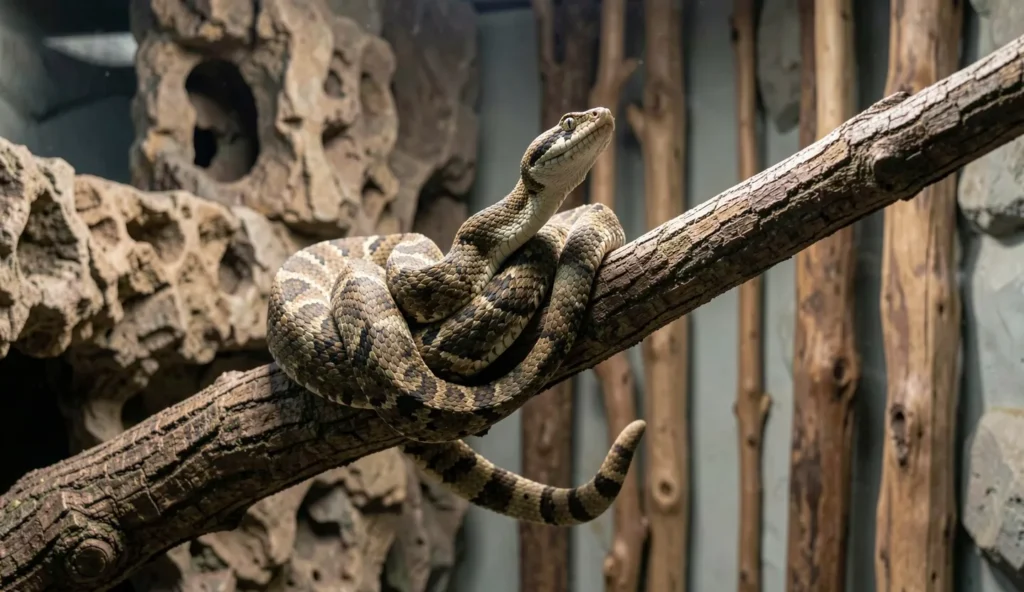
Many keepers find that burrowing and hide-focused enrichment works better than climbing décor for this species.
A Quiet Setup Supports Better Long Term Behavior
A calm environment, reliable temperatures, and predictable feeding help the Woma Python show steady behavior more consistently. With careful husbandry and ongoing captive breeding support, keepers can support responsible care for a vulnerable species.