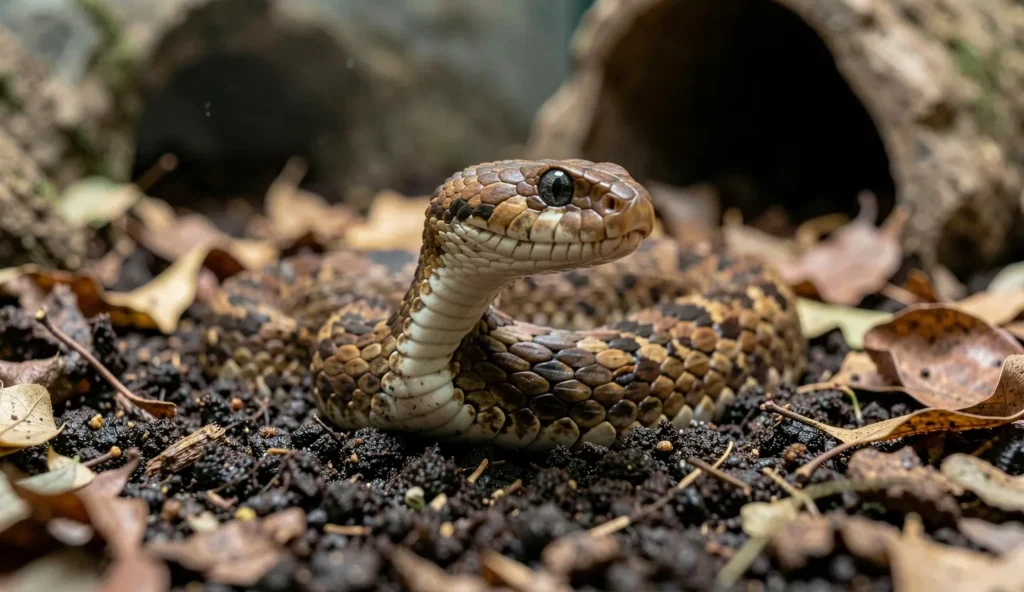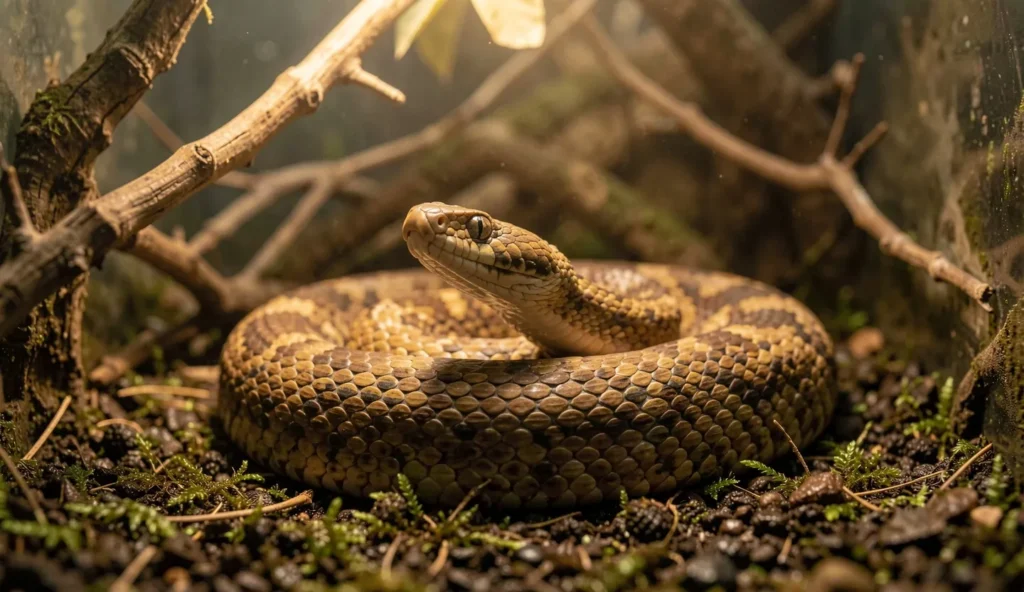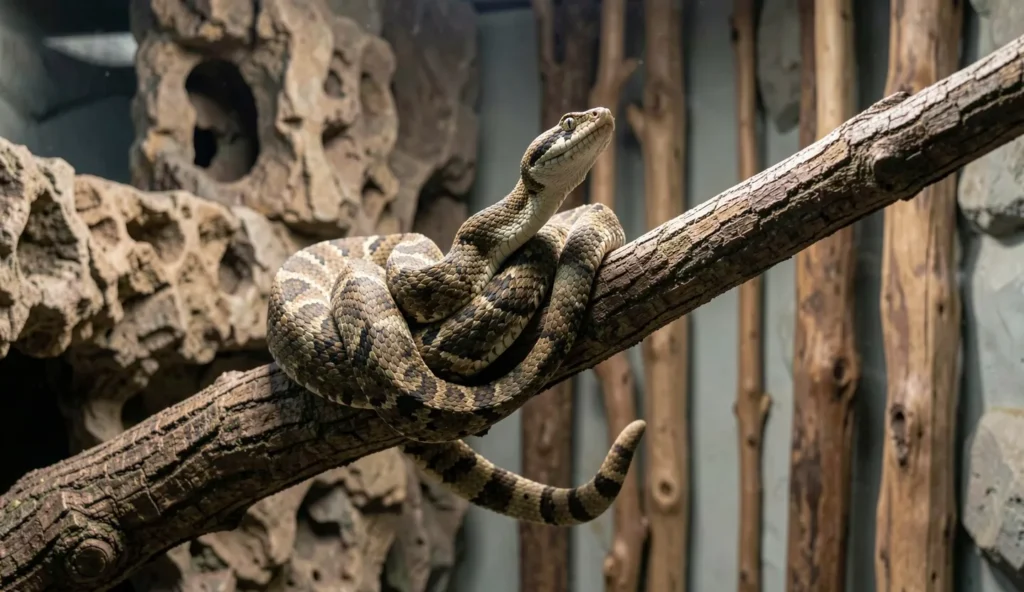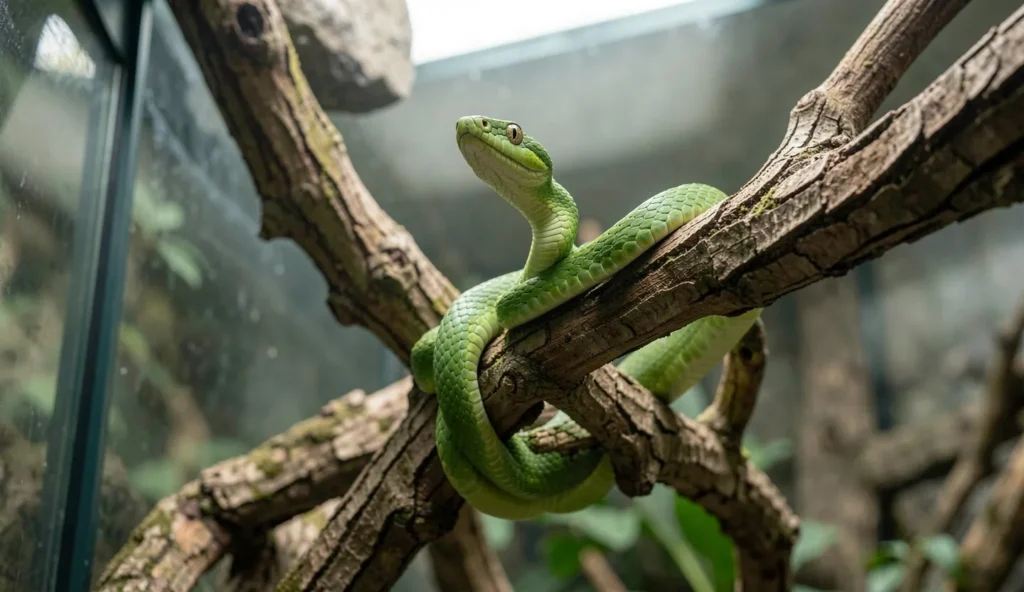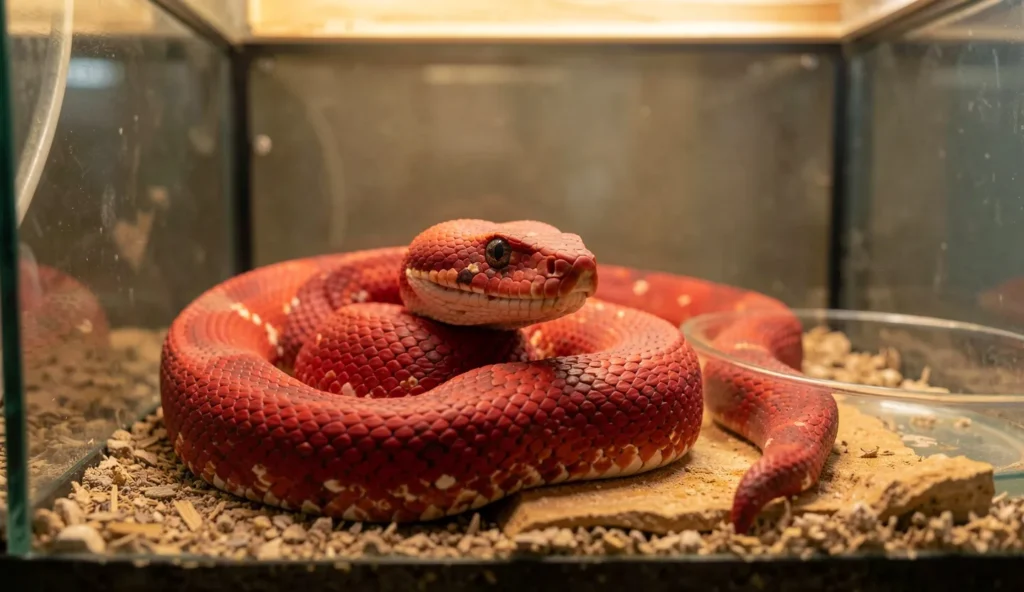
What Is a Red Tail Boa
The Red Tail Boa is a common hobby name used for certain boa constrictor lines that show a warm reddish tail region as they mature. In the pet trade, this name often functions as a label for appearance, not a strict scientific locality ID. For many keepers comparing options, red tail boa care and red tail boa size expectations get tied to that label, even when genetics vary.
Common Hobby Name And What It Refers To
“Red Tail Boa” appears in breeder and seller listings as a practical way to describe a look that many buyers want. Sellers may use the term for animals that develop reddish or coppery coloration around the tail and back half of the body. Because lines can come from different localities and breeding strategies, the same label may show up on multiple genetic backgrounds.
For that reason, the label can shift across regions and even across sellers who describe similar-looking animals. Two snakes advertised as Red Tail Boa can share a general appearance goal while still differ in lineage. When this happens, buyers often focus on red tail boa enclosure planning and adult size expectations, then discover the details do not always match the listing wording.
Natural Range And Why Local Variation Matters
Boas in this group originate from a wide range in South and nearby regions, and captive lines often reflect that variety. Locality-related differences influence typical coloration and pattern traits, though captive breeding can blur averages. Over generations, selective breeding for certain looks can move animals away from wild averages.
As a result, “Red Tail Boa” can describe a set of traits rather than a single fixed biological identity. Lighting, shed stage, and diet can also change how red tones appear in photos. Therefore, adults may look more consistent than juveniles, and juveniles may look less distinct from what buyers expect.
What Is BCI And How It Gets Confused With Red Tail Boa
BCI is another hobby shorthand that often enters conversations during subspecies debates. People mix it up with Red Tail Boa because both terms show up in listings alongside similar visual cues. The overlap creates confusion about locality claims, phenotype expectations, and what buyers should verify before purchase.
BCI Meaning In The Hobby
BCI commonly stands for Boa Constrictor imperator in keeper language. The term imperator connects to a locality concept used in classification discussions. Sellers may market animals using tail coloration as a shorthand, which can make the BCI label seem interchangeable with Red Tail Boa.
Even when a seller uses the “imperator” concept, the actual animal can come from a mix of sources or breeding approaches. Therefore, BCI vs BCC debates should focus on what the seller can document, not just what the tail looks like in an advertisement.
Why People Expect Red Tail Boa And BCI To Match Exactly
Many buyers expect the same label to imply the same underlying locality and look, especially if multiple listings repeat similar wording. Common sources of confusion include photo-based marketing, inconsistent naming habits, and sellers who prioritize the red tail cue over lineage details. Phenotype and locality do not always line up one to one in captive breeding.
Another factor involves maturation, since reddish tail tones can develop more strongly as the snake ages. A juvenile can look “not there yet,” then later show the trait that motivated the Red Tail Boa label. When this happens, buyers may assume the original identification was wrong, even though the look just takes time.
How BCI vs BCC Confusion Shows Up In Ads
BCI vs BCC confusion often appears when listings use “red tail” broadly for multiple boa types. BCC commonly refers to Boa Constrictor constrictor in hobby shorthand, and some sellers may not treat BCI vs BCC as a strict separation. Instead, listings may blend terms to reach buyers who search for “red tail” visuals.
Genetics and breeding lines can also create unexpected outcomes, where patterns and tones do not match what people assume from label-only expectations. When buyers rely on a single cue, such as tail redness, they risk misreading the animal’s actual background. For more on how similar patterns and expectations can shift between line types, it helps to compare related projects like a Rosy Boa listing where temperament and size planning depend more on the individual line than on a single color phrase.
Red Tail Boa vs BCI Key Differences You Can Actually See
Visual differences can help, but they work best as probabilities rather than guarantees. Red tail boa size and pattern expectations usually become clearer at maturity, while juveniles can look muted. For subspecies-focused buyers, the key goal is to verify multiple traits and ask for lineage details.
Color And Pattern Expectations At Different Ages
Juveniles often show sharper contrasts, but sometimes the “red tail” region looks less developed. As the snake matures, the back half can shift toward warmer tones, which can make the tail cue more obvious. Pattern details can also change through shed cycles and time spent under consistent lighting and heat.
Enthusiasts typically look for repeatable traits like overall banding, dorsal pattern shape, and the warmth of the tail area. However, a shed nearing completion can make colors look dull, and fresh shed can make them look brighter. Therefore, photos taken during different shed stages can mislead about how “red tail” the animal will become.
Red Tail Development And Why It Is Not An Instant ID
Tail coloration often becomes more noticeable as the boa matures, especially when growth proceeds with stable husbandry. Feeding and shedding cycles influence body condition, which can affect how the skin reflects light. Heat stability and consistent humidity support skin health, which also changes perceived color clarity.
Because of this, red tail coloration alone should not serve as a final ID for BCI or Red Tail Boa. Instead, keepers should evaluate the animal as a whole, including dorsal patterns and body proportions. If a seller also describes behavior and feeding history, those details can help separate a true line match from a marketing shortcut.
Size And Growth Rate Expectations
Adult length and mass vary widely across boa lines because genetics and husbandry both matter. Some animals sold under Red Tail Boa labels can reach solid adult size, while others may grow slower depending on conditions. Instead of assuming a fixed red tail boa size range, ask about mature size targets from known parents.
Growth rate also depends on feeding schedule, prey size, and overall health. A well-managed enclosure can support steady growth, while unstable temperatures can slow metabolism and appetite. Individual genetics can shift outcomes even when two snakes appear similar at a young age.
Red Tail Boa Care Essentials
Red tail boa care stays the same regardless of whether the animal is described as BCI-like, BCC-like, or something in between. The priority remains secure housing, stable heat, good humidity, and an appropriate diet. Even so, buyers who plan around the wrong label often end up with enclosure choices that do not fit the adult target.
Red Tail Boa Enclosure Layout And Temperature Gradients
A red tail boa enclosure should provide enough space for full-body movement while still offering thermal control across the tank. The best setups create a warm basking zone and a cooler retreat, usually achieved through a heat source and safe thermostat control. Reliable heat matters more than the size alone because boas rely on temperature to digest and regulate activity.
Enclosure layout should include at least one secure hide on the warm side and one on the cool side. Heat elements must stay safe, and the setup should reduce risks of burns or overheating. For keepers who also consider other large constrictors, reviewing general enclosure thinking in a Boa Constrictor care guide can help clarify why gradients and hides support stable behavior.
Humidity And Shedding Support
Humidity targets should support comfortable shedding without creating soaked conditions that invite respiratory issues. A moderate humidity range usually works, but the right level depends on the room climate and ventilation. Instead of chasing one number, observe shed quality and skin condition over time.
If shedding trouble appears, the first adjustments usually involve boosting humidity briefly, adding a humid hide, and verifying that ventilation still stays appropriate. Signs of shedding trouble include retained eye caps, dull skin, and stuck patches along the belly. With careful changes, most issues resolve, especially when the snake stays healthy and temperatures stay stable.
Diet And Feeding Schedule
Feeding frequency typically follows age and body condition, with juveniles fed more often than adults. Prey choice usually focuses on rodents that match the boa’s size and ability to swallow safely. Feeding schedule should aim for steady growth without excessive overfeeding that can strain digestion.
Common prey types include appropriately sized rats or mice depending on the snake’s size. Prey sizing matters, because prey that is too large can cause regurgitation and stress. Safe prey sizing and schedule planning overlap with other boa-type keepers, so comparing feeding structure in Ball Python care articles can help highlight safe routines even when the species differs.
Water, Hygiene, And Enrichment
A clean water dish that fits the snake comfortably supports drinking and soaking when the boa needs it. Dishes should stay stable and not tip easily, since spills can reduce humidity control. Spot cleaning should remove waste promptly, while deeper cleans should happen on a regular schedule based on buildup.
Simple enrichment improves comfort without complicating husbandry. Secure hides, stable climbing surfaces, and background cover help reduce stress and give the snake choices. These items also allow the snake to thermoregulate, which supports steady feeding and healthy shedding patterns.
Temperament And Handling Differences To Expect
Temperament in captive boas often reflects handling history and husbandry quality. Most well cared-for boas become calmer with predictable routines, but individual variation remains normal. In subspecies debates, temperament differences should not be used as the main proof of whether an animal is truly Red Tail Boa or BCI.
Typical Temperament In Captive Boas
Captive boas can show a range from alert and defensive to calm and investigative. Stress signs include repeated striking, tight coiling that feels unusually tense, and refusal to settle near hides. When stress appears, handling should pause until the animal stabilizes.
Handling should also consider shed and post-feeding timing, since both periods can increase sensitivity. If a boa seems more reactive during these times, that does not automatically indicate temperament issues. Instead, it often indicates that the body feels off-cycle or uncomfortable with conditions.
Handling Safety Basics
Basic handling safety includes supporting the body fully and avoiding sudden movements near the head. Timing also matters, so handling should not occur right after feeding when digestion needs uninterrupted rest. Using a calm routine reduces stress and lowers the chance of accidental bites or falls.
For keepers comparing care approaches across snake types, the logic of secure handling still applies. Guidance similar to Bull Snake Behavior and Handling Tips can help reinforce how to read tension and respond gently, even though care details differ between species.
How To Choose The Right Snake For The Long Term
Choosing based on name alone often leads to disappointment, because BCI vs BCC confusion frequently affects how sellers describe the same visual goal. Long-term fit comes from verifying documentation, planning adult enclosure capacity, and matching the care setup to the animal. When the label gets treated as flexible marketing language, buying decisions become more reliable.
Questions To Ask Breeders And Sellers
When asking about a Red Tail Boa, request locality claims and any line information available. Feeding history, shed history, and maturity estimates from known parents help clarify what “red tail development” might look like for that specific animal. If possible, ask how the seller tracks red tail boa size as the snake grows, since growth varies even within similar-looking groups.
Another useful question involves whether the animal shows consistent dorsal pattern traits across sheds. Sellers who can explain these details usually provide better context than listings that only state “red tail” and share a single photo. If a seller also discusses breeding work, the buyer can better understand why BCI vs BCC labels may blur in marketing.
Health And Husbandry Fit
New arrival checks should include body condition, feeding response, and skin quality, including eyes and shed completeness. Basic observation during the quarantine window helps detect early issues without stressing the animal. If a quarantine plan already exists, it also improves readiness for enclosure adjustments once the snake settles.
The enclosure should match the adult target capacity, especially for safe hides and proper thermal space. If the enclosure starts too small, stress can increase and heat regulation can fail. In practice, matching enclosure capacity with King Snake style planning logic can help keep focus on temperature, hides, and steady routines even when species needs differ.
Is BCI vs BCC The Only Difference That Matters
BCI vs BCC labels can guide expectations, but the actual genetics and the care history matter just as much. Captive lines may show phenotype variation due to selective breeding, founder stock differences, and generational outcomes. That means two snakes with the same name label can look different even under similar husbandry.
At the same time, correct care works regardless of label, which is why red tail boa care fundamentals remain the best safety net. If an animal receives proper temperatures, humidity, and feeding practices, health outcomes improve and handling often becomes easier over time. Therefore, the best approach treats labels as starting points, then verifies through observable traits and documented lineage.
Frequently Asked Questions
Is a Red Tail Boa the Same as BCI?
No, Red Tail Boa is a hobby naming label for traits, while BCI refers to Boa Constrictor imperator in shorthand and does not always match locality exactly.
What Does BCI Mean in Boa Keeping?
BCI means Boa Constrictor imperator as used in keeper language.
How Can BCI vs BCC Confusion Affect Buying Decisions?
It can cause listings to use “red tail” broadly, which may mislead buyers about locality and expected phenotype.
How Big Do Red Tail Boas Get in Captivity?
Adult size varies by genetics and husbandry, so mature length and mass should be confirmed from line history, not label assumptions.
What Enclosure Size Is Needed for a Red Tail Boa?
Use a secure enclosure scaled to the snake’s length while ensuring stable thermal gradients, safe hides, and room for full movement.
When Does a Red Tail Usually Start Showing?
Red tail coloration typically becomes more noticeable as the boa matures, so juveniles may not show the trait clearly at first.
Final Note on Red Tail Boa and BCI Labels
Clear verification beats name matching when comparing Red Tail Boa and BCI or BCC. With stable husbandry and careful questions, most keepers can choose an animal that fits long-term care needs.