What Is a Nuns Pigeon
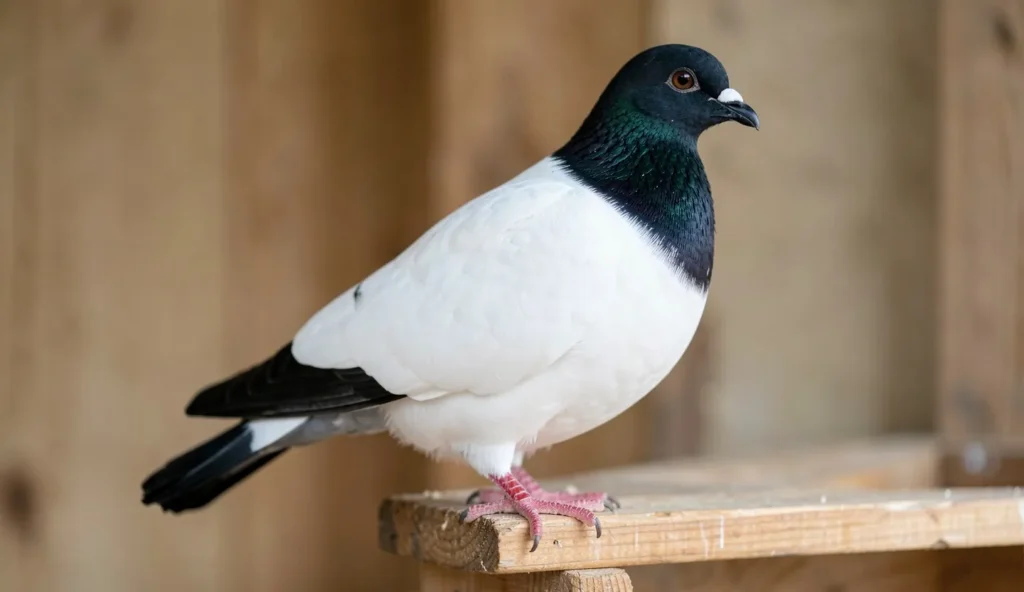
The Nuns pigeon is a fancy breed defined by a pure white body combined with a colored head and tail. This distinct color pattern gives the bird its name, as the white body resembles the habit of a nun. Originating in Europe, likely in Germany or the Netherlands, this breed has been developed for exhibition and companionship for centuries.
Fanciers prize the Nuns pigeon for its striking appearance and calm temperament. The breed stands out in any loft because of the sharp contrast between the white body and the colored head and tail. For color pigeon fanciers, the Nuns pigeon offers a rewarding challenge in selective breeding and pattern maintenance.
Understanding nuns pigeon history helps appreciate the breed’s long-standing place in the fancy pigeon world. Like the Saddleback pigeon, the Nuns pigeon relies on specific color placement that breeders have refined over generations.
What Is a Nuns Pigeon
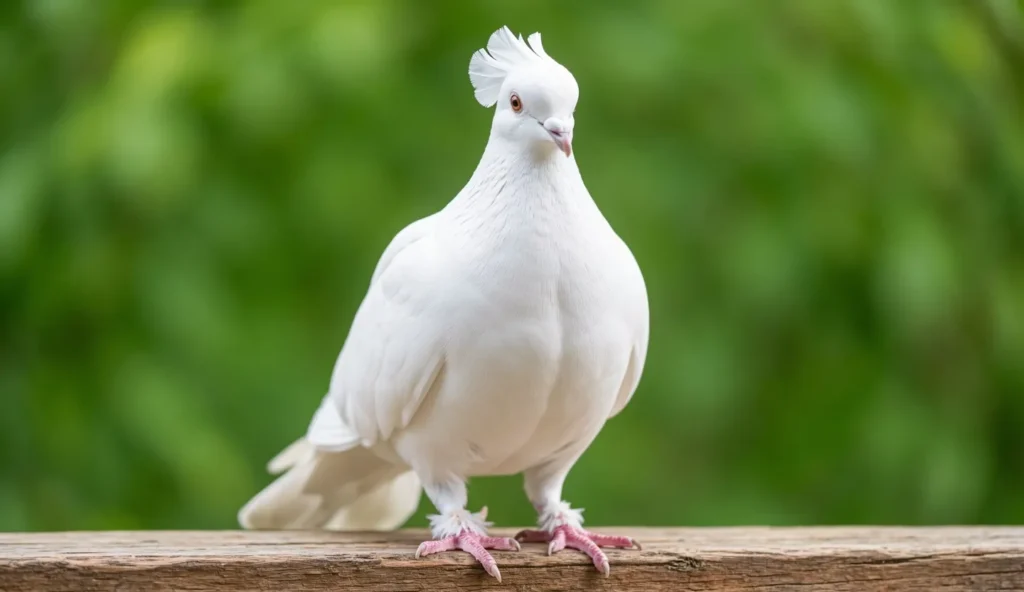
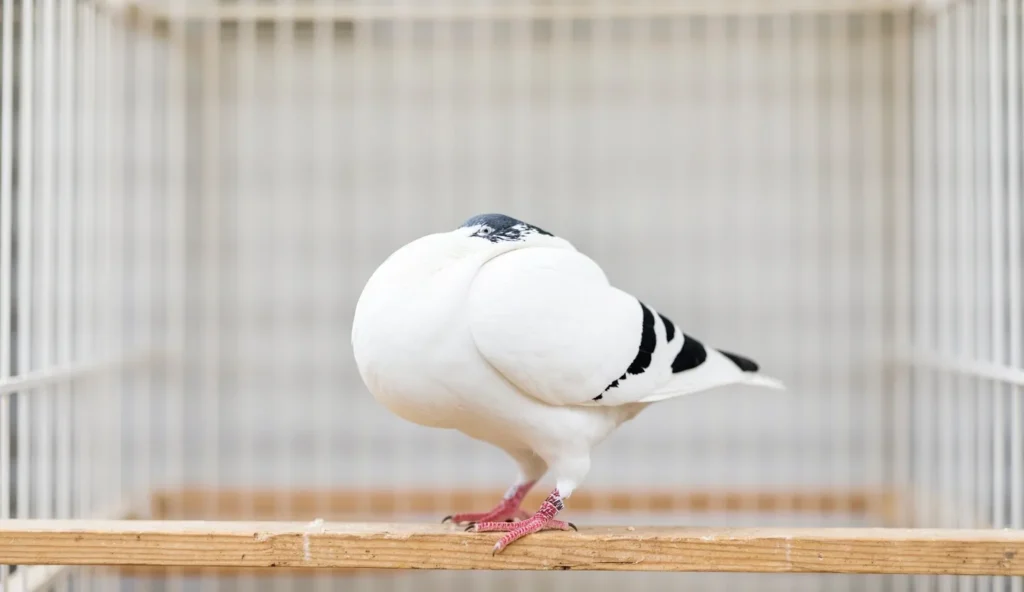
This breed falls under the fancy pigeon category, kept primarily for show and ornamental purposes. It is neither a racing nor a utility bird. The defining trait is a white body from the neck down to the vent, with the head and tail in a solid, often glossy color.
The Nuns pigeon is a medium-sized breed with a short beak and a compact, balanced body. Its small cere and bright eyes add to the refined appearance. Breeders work to maintain clean, sharp color boundaries to meet exhibition standards.
Appearance and Physical Features
The Nuns pigeon presents a neat, symmetrical silhouette that appeals to fancy pigeon judges and hobbyists alike. Physical features include smooth, tight feathering, a short beak, and a lively expression. The body length is proportional, giving the bird a well-rounded look.
Fanciers value the breed for its consistent color pattern. The white areas must be completely free of colored feathers, and the head and tail must show solid, even pigmentation. Any stray colored feathers on the body reduce the bird’s show quality.
Body Structure and Size
Key aspects of the body structure include:
- Compact medium-sized body
- Smooth, tight feathering
- Short beak and small cere
- Bright eye color typical in fancy pigeons
The bird stands about 10 to 12 inches tall and weighs around 300 to 400 grams. The wings are carried closely to the body, and the tail is medium length and slightly pointed.
Color Patterns of Nuns Pigeons
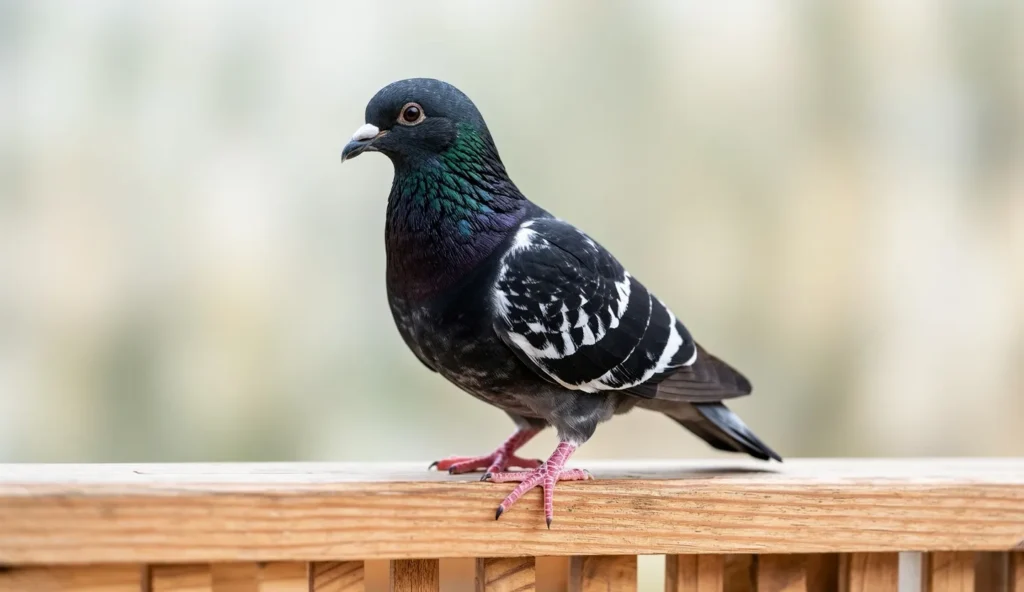
The color pattern is the breed’s most important feature. The body remains pure white from the neck to the vent, while the head and tail display a solid color. Common colors for the head and tail include black, red, yellow, blue, and silver.
Less common nuns pigeon colors include dun, cream, and lavender, though these are rarer and more difficult to breed consistently. The feathers on the head and tail should be glossy and uniform in shade. Some fanciers also breed Nuns pigeons with white crests, but the classic pattern remains the most popular.
This color arrangement resembles that of the Modena pigeon, another breed where color placement is critical. However, the Nuns pigeon is unique because the white body is recessive, making it harder to achieve consistently.
Temperament and Personality
The Nuns pigeon is known for its gentle, calm, and show-oriented nature. These birds are not aggressive toward each other or humans, making them suitable for mixed lofts. They adapt well to handling and exhibitors often find them easy to present at shows.
Their quiet temperament makes them good pets for fanciers who want a bird that can be handled regularly. They do not panic easily and can be trained to accept human presence. This breed thrives in a stable environment with routine care and minimal stress.
Temperament and Personality
Birds that are hand-fed from a young age become particularly tame. They respond well to calm voices and gentle movements. Exhibitors appreciate that Nuns pigeons maintain their composure on the judging table, displaying their color pattern with confidence.
Housing and Exercise Needs
Proper housing is essential for maintaining the health and appearance of Nuns pigeons. The breed requires a clean, dry, and well-ventilated loft with enough space to move freely. Overcrowding leads to stress and feather damage.
Daily exercise is important for muscle tone and overall vigor. A secure aviary or flight pen allows the birds to stretch their wings and maintain good condition. Without adequate exercise, Nuns pigeons may become overweight and less active.
Loft Requirements
Essential loft requirements include:
- Dry, draft-free loft with perches
- Minimum 2 square feet per bird
- Nesting boxes for breeding pairs
- Good ventilation and natural light
The loft should be predator-proof and easy to clean. Droppings trays and regular disinfecting prevent disease. Perches should be smooth and wide enough for the bird’s feet. Nesting boxes, if used, should be placed in quiet corners.
Flight and Exercise
Nuns pigeons need daily free-flight time in a safe aviary. They can be trained to fly in and out of a loft, but the area must be enclosed to prevent escapes. Regular exercise maintains muscle tone and supports overall health.
If free flight is not possible, a large flight cage is a suitable alternative. The cage should be at least 6 feet long, 4 feet wide, and 6 feet tall. Perches and shelves inside encourage climbing and flapping.
Diet and Nutrition
A balanced diet keeps Nuns pigeons in peak condition for showing and breeding. The base of the diet is a high-quality pigeon grain mix. Fresh water must be available at all times, changed daily.
During breeding and molting, additional nutrients support feather growth and chick development. Supplements and grit are necessary for digestion and calcium intake.
Staple Feed Mix
The staple feed mix should include:
- High-quality pigeon grain mix (corn, wheat, peas)
- Small seeds like millet and canary seed
- Fresh water always available
Feed twice a day in small amounts to prevent waste and obesity. Remove uneaten food after 20 minutes. Adjust portions based on activity level and season.
Supplements and Grit
Supplements support health during demanding periods:
- Oyster shell grit for calcium
- Pigeon vitamins added during breeding or molt
- Clean mineral block in the loft
Grit aids digestion by breaking down grains in the gizzard. Oyster shell is particularly important for hens laying eggs. Vitamins should be given in the water once a week, following label instructions.
Breeding Nuns Pigeons
Breeding Nuns pigeons requires understanding of color genetics and careful selection. The white body is recessive to solid color, meaning both parents must carry the white gene to produce white-bodied offspring. The colored head and tail come from specific pattern genes that breeders have stabilized over time.
Pair selection is crucial for achieving the clean color contrast demanded by show standards. Fanciers often line-breed to reinforce desired traits while avoiding genetic issues.
Color Inheritance Basics
Key genetic points for breeders:
- White body is recessive to solid color
- Colored head and tail come from specific pattern genes
- Mating two white-bodied birds often produces white offspring
- Breeders select for clean color contrast
Mating a Nuns pigeon to a solid-colored pigeon will produce predominantly solid-colored offspring with some white spotting. To maintain the breed standard, both parents should be pure Nuns pigeons. The color of the head and tail is inherited separately from the body color, so selecting for intensity and evenness is important.
Breeding Tips
Practical breeding advice includes:
- Use healthy, mature birds at least 1 year old
- Provide a nesting bowl and soft material
- Eggs hatch in 17–18 days
- Feed extra protein during chick rearing
Breeding season for Nuns pigeons is typically spring and summer. Hens lay two eggs per clutch and may raise two to three clutches per year if allowed to rest between. Chicks fledge at about 4 weeks old and can be weaned after another week.
Color pattern often becomes apparent after the first molt. Young birds may show less contrast, but the pattern stabilizes as they mature. Patience is needed to evaluate breeding results over multiple generations.
Common Health Issues in Nuns Pigeons
Nuns pigeons are generally hardy, but they can experience common pigeon ailments. Prevention through good husbandry is the most effective approach. Regular health checks and clean living conditions reduce disease risk.
Health issues to watch for include respiratory infections, parasites, and nutritional deficiencies. Quarantine new birds before introducing them to the loft. Annual veterinary checkups are recommended for valuable breeding stock.
Common Health Issues in Nuns Pigeons
Frequent health problems include:
- Respiratory infections from drafts or poor ventilation
- External parasites such as mites and lice
- Internal worms from contaminated feed or water
- Egg binding in hens due to calcium deficiency
Signs of illness include lethargy, fluffed feathers, sneezing, and reduced appetite. Isolate sick birds immediately and seek veterinary advice. Routine deworming and mite treatment every three months helps prevent infestations.
The breed is also prone to feather plucking if stressed or overcrowded. Provide enough space and enrichment to avoid this behavior. Grooming needs are minimal, but regular inspection of feathers and skin keeps the bird in show condition.
For more on pigeon health and care, the Old German Owl guide offers similar preventive advice that applies to many fancy breeds.
Is a Nuns Pigeon Right for You
The Nuns pigeon is an excellent choice for fanciers who enjoy color breeding and exhibition. Its calm temperament makes it suitable for beginners, but the genetic challenge of maintaining the white body with colored head and tail adds interest for advanced breeders.
Prospective owners should have a secure loft, time for daily care, and a willingness to learn about pigeon genetics. The breed requires regular interaction to remain tame and comfortable with handling.
If you are looking for a bird that combines beauty, history, and a manageable personality, the Nuns pigeon is a rewarding addition to any loft. Its unique appearance will draw compliments and its gentle nature makes it a pleasure to keep.
For comparison, the Ice pigeon also offers a distinctive color pattern, though with a different genetic basis. Each breed has unique requirements, so research carefully before choosing.
Frequently Asked Questions
What is the origin of Nuns pigeons?
Nuns pigeons are an old fancy breed believed to have originated in Europe, possibly Germany or the Netherlands. They were developed for their striking white body and colored head and tail pattern.
What colors are available in Nuns pigeons?
Common colors for the head and tail include black, red, yellow, blue, and silver. The body remains pure white in all color varieties.
How long do Nuns pigeons live?
With proper care, Nuns pigeons can live 10 to 15 years. Good diet, clean housing, and regular health checks extend lifespan.
Are Nuns pigeons easy to breed?
Yes, they are considered a moderately easy breed to breed. Success depends on understanding color genetics and providing a stable environment.
Do Nuns pigeons require special grooming?
Routine grooming includes clean water for bathing and inspecting feathers for mites. No clipping or trimming is needed; they maintain their own feather condition.
Can Nuns pigeons be kept as pets?
Yes, they are calm and handleable, making them good pets for fanciers. They thrive in a quiet loft with regular interaction and free flight.
Final Note
Breeding and caring for Nuns pigeons offers a satisfying blend of art and science. With dedication to clean lofts, proper nutrition, and selective pairing, this elegant breed will reward its keeper for many years.