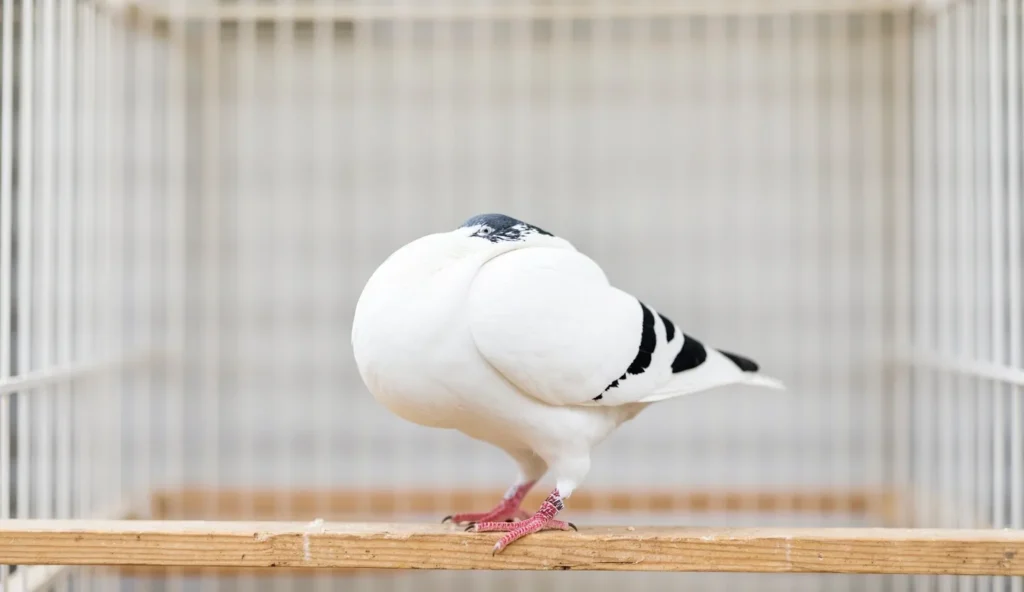
What Is a Thuringer Pouter
Origin and Development of the Thuringer Pouter
The Thuringer Pouter is a medium-sized fancy pigeon breed that originated in the Thuringia region of central Germany. Breeders developed this bird for its exaggerated, globe-shaped crop and calm, manageable temperament. As a German Pouter variety, it belongs to the larger pouter group known for inflating the crop to impressive sizes.
This breed emerged during the 19th century when German fanciers crossed local pigeons with imported pouter strains. The goal was to create a bird with a stately upright posture and a pronounced crop that remains inflated for extended periods. Today, the Thuringer Pouter remains a prized exhibition breed and a docile companion for loft keepers.
For those interested in other German fancy breeds, the Old German Owl shares a similar regional origin but offers a completely different head and feather structure. Compared to the Strasser pigeon, which was bred for utility, the Thuringer Pouter is strictly a show and hobby bird.
Appearance and Physical Features
Body Shape and Crop Characteristics
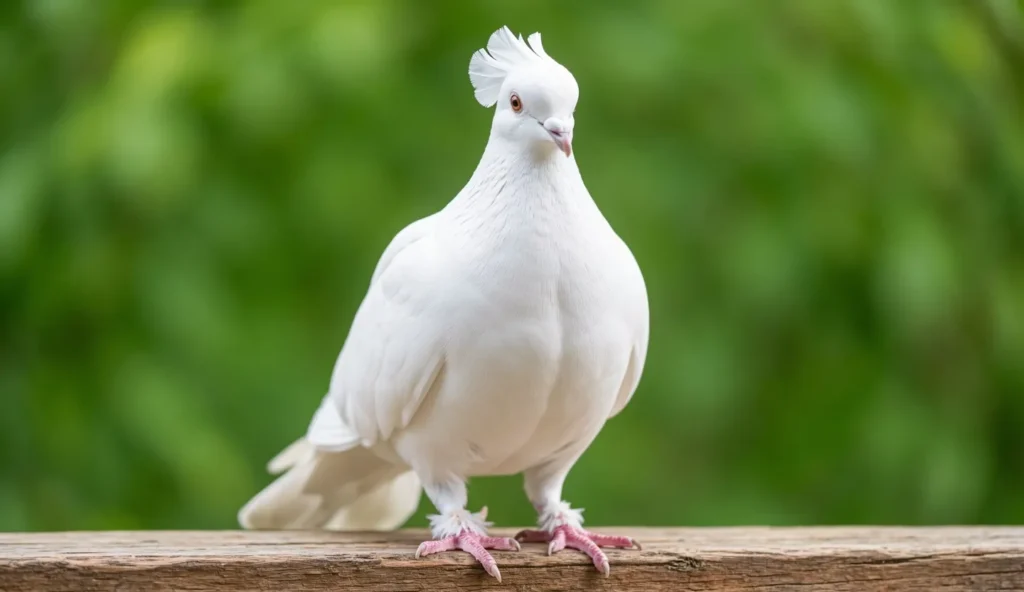
The Thuringer Pouter has a tall, upright stance with a broad chest and a long neck that supports its signature inflated crop. When fully expanded, the crop forms a large, near-spherical balloon that extends well above the breastline. This feature is the breed’s most defining trait and requires careful conditioning to develop properly.
Birds typically weigh between 500 and 600 grams, placing them in the medium-to-large category for fancy pigeons. The legs are medium-length and clean of feathers, giving the bird a sleek appearance below the body. The tail is carried horizontally and blends smoothly with the back.
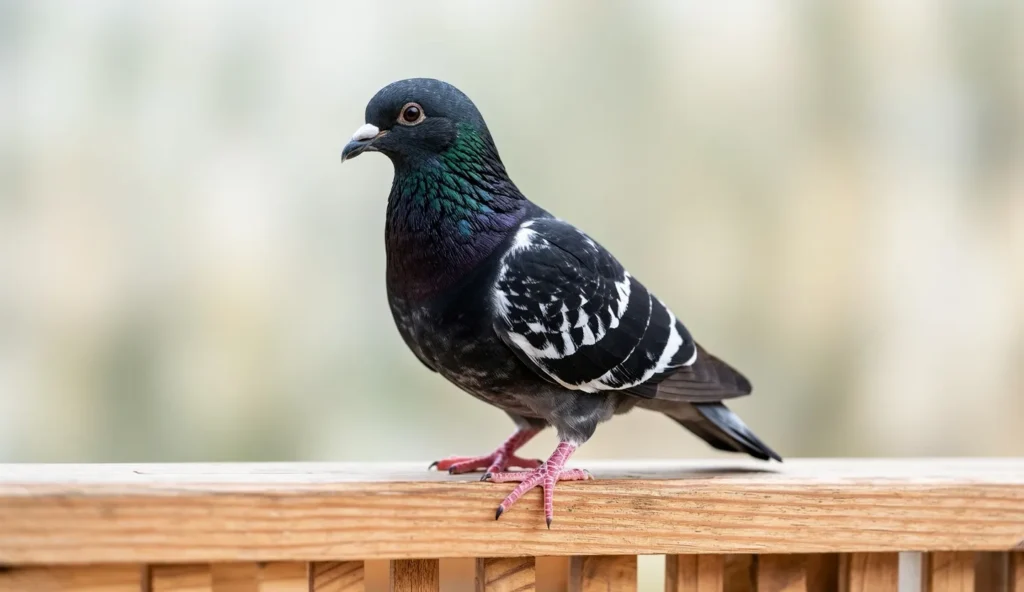
Feather colors vary widely. Common color patterns include solid white, black, blue, and red, as well as pied versions with a white body and colored markings on the head, tail, and wing tips. The beak is short and stout, matching the color of the cere, which is usually light or dark depending on the plumage.
Temperament and Personality
Behavior Around Humans and Other Birds
The Thuringer Pouter is known for its calm, steady disposition. These pigeons handle human interaction well and rarely show aggression toward their keepers. Their gentle nature makes them suitable for beginners, though they do require consistent, patient handling to remain tame.
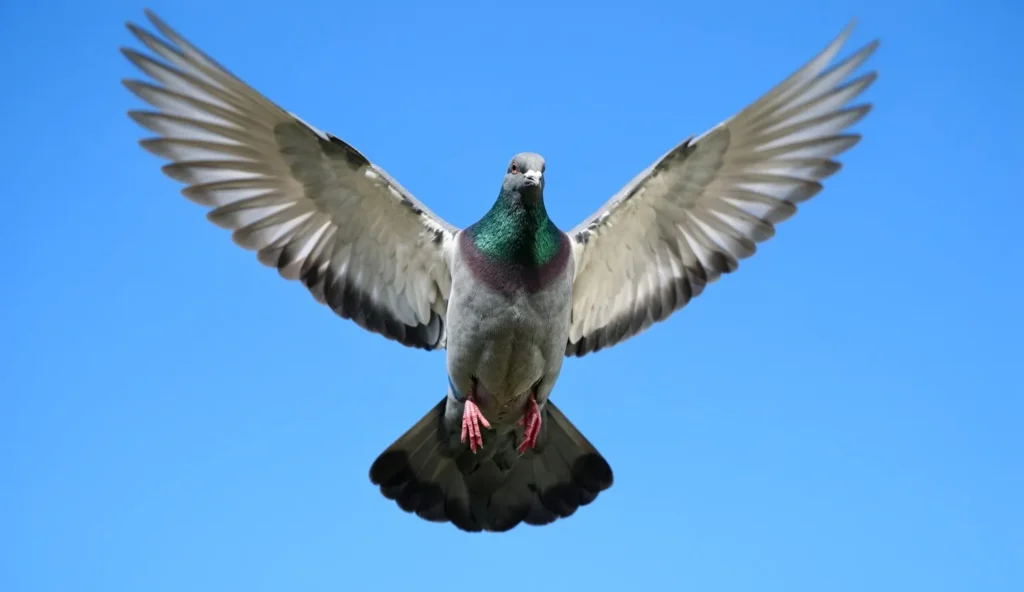
In the loft, they coexist peacefully with other docile breeds. Males may display mild territorial behavior during breeding season, but serious fights are uncommon. They are not overly active fliers; instead, they prefer to strut and display their crop on perches or the ground.
Breeders often describe them as “gentle giants” of the pigeon world. Their low-stress temperament reduces the risk of feather plucking or self-harm, provided their environment remains stable and clean.
Housing and Enclosure Needs
Loft Size and Ventilation
Thuringer Pouters need a spacious loft with good airflow to prevent respiratory issues. A minimum of 2 cubic feet per bird is recommended, but more space is better given their large crop and need to move freely. Windows or vents should provide cross-ventilation without creating drafts at roosting height.
The floor should be easy to clean—tile or sealed wood surfaces work well. Regular removal of droppings and used bedding is essential to keep ammonia levels low. A dry, draft-free environment supports crop health and overall vitality.
Nesting Boxes and Perches
Provide one nesting box per breeding pair. Boxes should be at least 12 inches square and 8 inches tall, with a slight lip to keep eggs and chicks secure. Place them in a quiet, dimly lit area of the loft to encourage successful breeding.
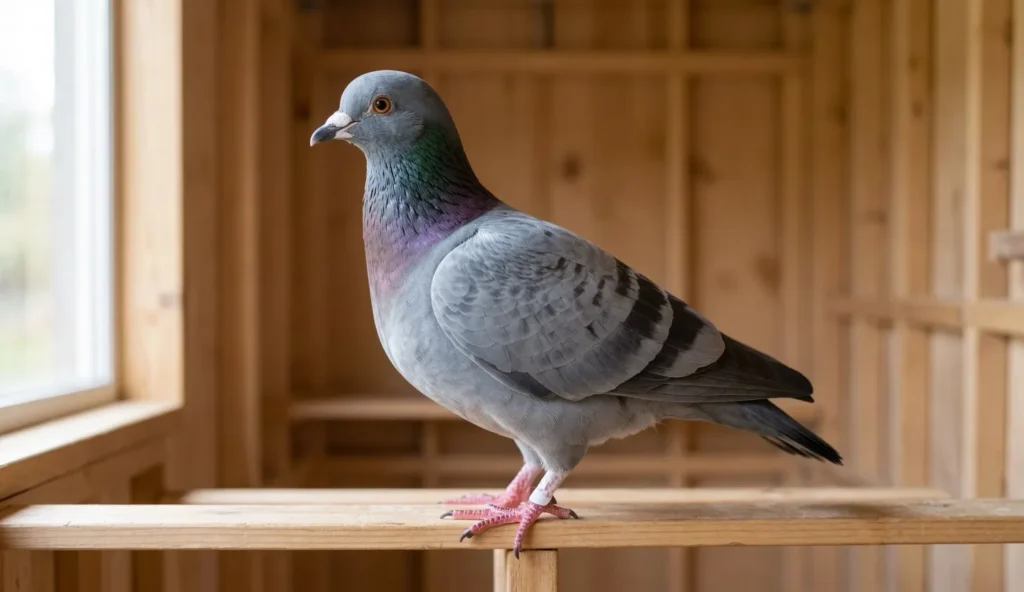
Perches set at varying heights allow birds to exercise their legs and wings. Use flat wooden perches rather than round dowels, as they support the bird’s full foot. Avoid overcrowding—each bird needs its own perch space to rest without competition.
An outdoor flight aviary, at least 6 feet long, 4 feet wide, and 6 feet tall, provides valuable exercise and sunlight. This area helps maintain muscle tone and feather condition. For breeders accustomed to similar enclosures, the Turbit pigeon has comparable housing requirements due to its compact body and need for flight space.
Diet and Feeding Requirements
Grains and Seeds
A balanced diet for Thuringer Pouters consists of a grain mix containing wheat, barley, peas, corn, and smaller seeds like millet. Commercial pigeon pellets can serve as the base, providing consistent nutrition. Feed twice daily—about 30 grams per bird per meal during maintenance, slightly more during breeding.
Fresh, clean water must be available at all times. Change water daily and scrub waterers weekly to prevent bacterial growth. During hot weather, add a poultry electrolyte supplement to reduce heat stress.
Supplements and Grit
Oyster shell grit provides necessary calcium for eggshell formation and strong bones. Offer it free-choice in a separate dish. During breeding, supplement with a vitamin and mineral powder mixed into the soft feed or water three times per week.
Grit also aids digestion by helping grind whole grains in the gizzard. Avoid giving grit that contains salt or artificial colors. A small handful per bird per week is sufficient.
Breeding Basics
Pairing, Incubation, and Chick Rearing
Thuringer Pouters typically breed from early spring through late summer. Select pairs based on crop size, body shape, and color pattern to improve exhibition quality. Introduce pairs in a dedicated breeding loft with minimal disturbance.
Females lay two eggs per clutch, with incubation lasting about 18 days. Both parents share sitting duties. After hatching, the chicks (squeakers) are fed crop milk for the first three days, then gradually introduced to softened grains.
Weaning occurs at around 4 weeks of age. At this point, move juveniles to a separate grow-out pen to reduce stress on the parents. Proper nutrition during the first 8 weeks is critical for crop development and overall health. Breeders of other German varieties, such as the Gimpel pigeon, follow similar protocols for rearing youngsters with specific head shape traits.
Common Health Issues
Respiratory Infections and Crop Problems
Thuringer Pouters are susceptible to respiratory infections, especially in poorly ventilated lofts. Symptoms include sneezing, nasal discharge, and labored breathing. Prevent these by maintaining excellent air quality and avoiding sudden temperature changes.
Crop-related issues, such as sour crop or impacted crop, can occur if the bird overeats or consumes spoiled feed. Signs include a pendulous crop that fails to empty overnight. Treatment involves isolating the bird, withholding food for 12 hours, and gently massaging the crop to release gas or fluid.
Internal parasites like roundworms and external parasites like mites also affect this breed. Implement a regular deworming schedule every three months and inspect birds weekly for signs of lice or mites. Dust baths with poultry-grade diatomaceous earth help control external pests.
Is the Thuringer Pouter Right for You
Ideal Owner Profile and Commitment Level
The Thuringer Pouter suits hobbyists who have time for daily loft cleaning, feeding, and health checks. Its calm nature makes it a good choice for families with older children, but it requires secure housing to protect against predators. Breeders who enjoy exhibiting pigeons will appreciate its dramatic crop and even temperament.
This breed is not ideal for those seeking high-performance flyers or low-maintenance pets. The need for specialized diet, regular grooming of the crop area, and consistent breeding management demands dedication. However, for enthusiasts willing to invest effort, the Thuringer Pouter offers a rewarding experience.
If you appreciate ornamental pigeon breeds, consider also the Chinese Owl for its unique frilled feather pattern or the Italian Owl for a smaller, charming alternative. Each breed brings distinct visual appeal and care needs.
A Final Note on the Thuringer Pouter
The Thuringer Pouter stands as a testament to the art of selective pigeon breeding, combining an exaggerated crop with a serene disposition. With proper housing, nutrition, and health care, this German Pouter can live 10 to 15 years and become a highlight of any fancy pigeon collection. New breeders should start with a small group and learn the nuances of crop conditioning and exhibition preparation over time.
Frequently Asked Questions
What is the origin of the Thuringer Pouter pigeon?
This breed was developed in the Thuringia region of Germany during the 19th century by crossing local pigeons with imported pouter strains to emphasize crop size and calm temperament.
How big do Thuringer Pouters get?
They are medium-to-large pigeons, typically weighing between 500 and 600 grams with an upright height of about 10 to 12 inches.
What colors are Thuringer Pouters?
Common colors include white, black, blue, and red, often with a white body and colored markings on the head, tail, and wing tips.
What is the lifespan of a Thuringer Pouter?
With proper care, they live 10 to 15 years, though individual longevity depends on diet, housing, and genetic health.
Do Thuringer Pouters require special housing?
Yes, they need a spacious, well-ventilated loft with perches at varying heights and an outdoor flight area for exercise.
Are Thuringer Pouters good for beginners?
Yes, their calm and gentle nature makes them suitable for novice pigeon keepers, but success depends on learning proper diet and loft hygiene.