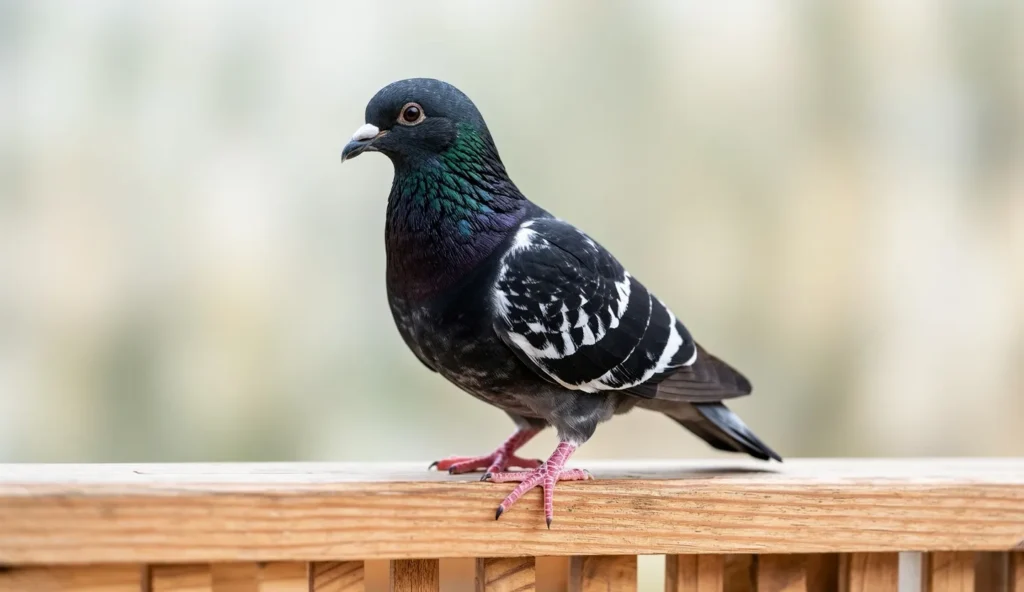
What Is a Danish Tumbler
The Danish Tumbler is a small, energetic pigeon breed developed in Denmark for its acrobatic tumbling flight. This breed belongs to the larger tumbler pigeon family, which includes other flying performance breeds like the Longface Tumbler and the English Shortface Tumbler. Its compact size and lively aerial displays make it a favorite among Scandinavian pigeon fanciers.
Origin and History
Breeders in Denmark developed the Danish Tumbler over centuries, selecting birds that could perform backward somersaults during flight. The breed shares ancestry with other European tumblers but was refined for a smaller frame and more consistent tumbling action. Today, it remains a popular choice for enthusiasts who value flying ability over exhibition appearance.
Why It Stands Out
Compared to other tumbler breeds, the Danish Tumbler is notably compact and lightweight. Its energetic, acrobatic flight style sets it apart from heavier show-oriented pigeons like the Scandaroon pigeon. This breed is also known for its willingness to fly in open spaces, making it an excellent choice for keepers with access to outdoor flying areas.
Appearance and Physical Features
The Danish Tumbler presents a neat, balanced silhouette with a broad chest and short legs. Its small size and clean feathering give it a refined look that appeals to both breeders and casual keepers.
Size and Build
These pigeons weigh between 200 and 300 grams, with a body length of about 25 to 28 centimeters. They have a compact, muscular frame, a relatively short beak, and legs that are notably short for a pigeon. The overall impression is one of agility and strength.
Color and Markings
Danish Tumblers come in several solid colors and patterns. Common colors include black, red, yellow, and blue. Many birds display white flight feathers or a white bib. The feathering is tight and glossy, giving the plumage a healthy sheen.
| Color Variety | Description |
|---|---|
| Black | Solid black with possible white flights |
| Red | Rich reddish-brown body, often with white bib |
| Yellow | Pale yellow to deep gold, white markings common |
| Blue | Slate blue with darker wing bars |
Head and Eyes
The head is round with a short, broad forehead. Eyes are large and bright, often pearl or bull-eyed depending on color. The cere (the fleshy area around the nostril) is small and white.
Temperament and Personality
The Danish Tumbler is an active, alert bird that thrives on movement and social interaction. Proper handling from a young age helps the bird become calm around people.
Energy and Activity
This breed is highly active and playful, especially during flight sessions. Daily exercise is essential to maintain its tumbling skills and overall health. When confined to a small loft without flying space, Danish Tumblers can become restless or nervous.
Social Behavior
Danish Tumblers do best when kept in pairs or small flocks. They are generally gentle and non-aggressive toward other pigeons, though males may squabble during breeding season. Regular handling can strengthen the bond between bird and owner, though they are not typically cuddly.
Noise Level
These pigeons produce a moderate cooing sound, quieter than many larger breeds. Vocalizations increase during breeding season or when the birds are excited.
Housing and Care Tips
Proper housing is critical for the health and performance of a Danish Tumbler. A secure, well-ventilated loft with access to a safe outdoor flight area meets the breed’s needs.
Loft Requirements
Provide at least 2 square feet of interior space per bird. Install perches at varying heights and nest boxes for breeding pairs. The loft must be predator-proof and sheltered from drafts, with good ventilation to prevent respiratory issues.
Cleaning and Hygiene
Remove droppings and leftover food daily. Perform a deep clean weekly using a poultry-safe disinfectant. Always provide fresh water and a shallow bath for bathing, which helps maintain feather quality.
Exercise and Flight
Allow the birds daily free flight in a secure outdoor area. Tumbling behavior develops naturally with regular flying practice. Train young birds to return to the loft using a consistent feeding schedule.
Diet and Nutrition
A balanced diet supports the high energy demands of this active breed. Use a high-quality pigeon grain mix designed for small tumblers.
Staple Feed
Select a mix containing millet, canary seed, and small peas. Avoid high-fat mixes intended for larger meat or show pigeons. The small seed size matches the bird’s short beak.
Supplements
Provide grit and oyster shell separately for digestion and calcium. Add a vitamin and mineral supplement during molting or breeding. Offer fresh greens such as spinach or dandelion leaves twice per week.
Water and Treats
Fresh, clean water must be available at all times. Occasional treats like safflower seeds or unsalted nuts can be given. Avoid bread or processed human food.
Training and Tumbling
Tumbling is an instinctive behavior in Danish Tumblers, but regular practice improves performance. A structured training regimen helps the bird develop its skills safely.
Teaching the Tumble
Encourage tumbling by flying the birds in an open area with light wind. Using a training loft with small openings can stimulate looping behavior. Most birds begin tumbling within a few weeks of consistent flying.
Flight Training Schedule
Start with short flights of 5 to 10 minutes. Gradually increase the duration and height as the bird builds stamina. Avoid overtraining, as tumbling is physically demanding and can lead to fatigue or injury.
Common Training Challenges
Some individual birds may never tumble, which is not considered a defect. Fearful birds can be calmed through gentle handling and a consistent routine. Monitor landings for injuries, as rough tumbling can cause wing or leg strains.
Common Health Issues
Like all pigeons, Danish Tumblers are susceptible to certain health problems. Good husbandry prevents most issues.
Respiratory Infections
Drafts, poor ventilation, or damp bedding can cause sneezing, wheezing, and nasal discharge. Prevent these problems by keeping the loft clean, dry, and well-ventilated.
Crop Problems
Sour crop or impacted crop may result from a poor diet or parasite load. Signs include an enlarged crop, regurgitation, and lethargy. Adjust feeding and add probiotics to treat mild cases.
Parasites
External mites and lice irritate the skin and feathers, while internal worms affect digestion. Inspect birds regularly and treat with pigeon-safe products. Quarantine new arrivals before introducing them to the flock.
Is the Danish Tumbler Right for You
This breed suits owners who can provide ample flying space and enjoy watching aerial performance. The Danish Tumbler is not a low-maintenance pet; it requires daily attention and a commitment to training.
Ideal Owner Profile
The best owners are pigeon enthusiasts with a secure outdoor flight area. They appreciate watching acrobatic displays and are willing to invest time in daily care and training.
Considerations Before Buying
This breed is not recommended for complete beginners due to its flight needs. A predator-safe flying space is essential, and small urban lofts without outdoor access are unsuitable.
FAQs: Danish Tumbler Pigeon
How big does a Danish Tumbler pigeon get?
These pigeons weigh between 200 and 300 grams and measure about 25 to 28 centimeters in body length.
Do Danish Tumbler pigeons tumble naturally?
Yes, tumbling is an instinctive behavior in this breed, though regular flying practice helps develop the skill.
What should I feed a Danish Tumbler pigeon?
Feed a small seed mix with millet, canary seed, and small peas, supplemented with grit, calcium, and fresh greens.
How much space does a Danish Tumbler need?
Provide at least 2 square feet per bird inside the loft and access to a safe outdoor flying area.
Are Danish Tumbler pigeons good for beginners?
They are not ideal for complete beginners due to flight requirements, but experienced owners find them manageable.
What colors are Danish Tumbler pigeons available in?
Common colors include black, red, yellow, and blue, often with white flight feathers or a white bib.
A Final Note on the Danish Tumbler
The Danish Tumbler is a rewarding breed for dedicated pigeon keepers who can meet its need for flight and social companionship. With proper care and training, these small acrobats provide endless enjoyment through their aerial displays.