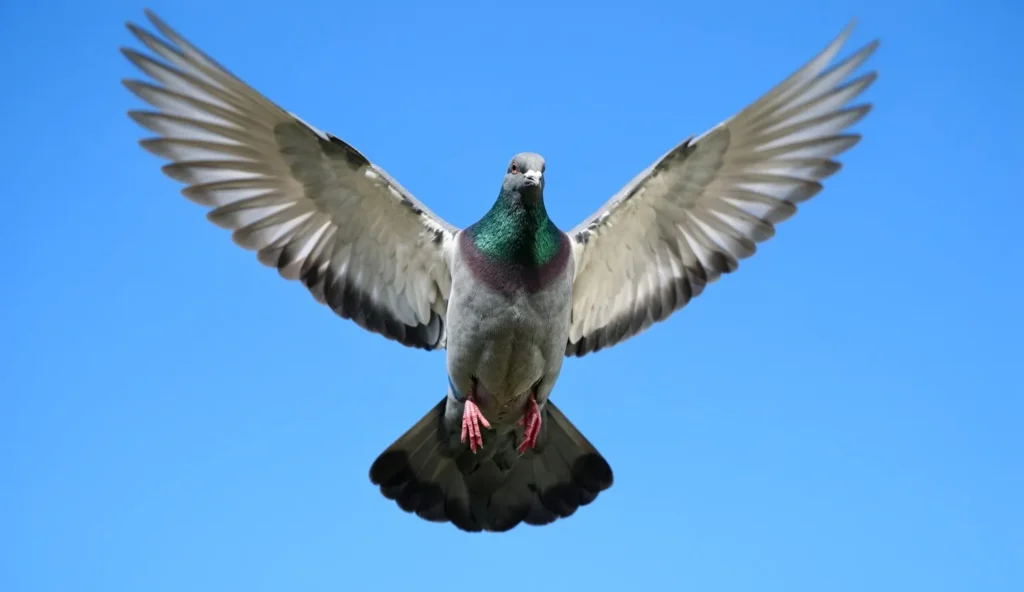
What Is a Show Racer Pigeon
The Show Racer is a dual-purpose pigeon breed developed for both competitive racing and exhibition standards. Originating from crosses between homing pigeons and show stock in the late 1800s, this breed combines athletic endurance with striking conformation. Enthusiasts value the Show Racer for its ability to excel in both performance and appearance.
Origin and History
The Show Racer was first bred in the United Kingdom by fanciers who wanted a pigeon that could race long distances and also win show prizes. Breeders crossed strong homing pigeons with exhibition birds to create a balanced bird. Later, American breeders refined the strain further, emphasizing uniform feather quality and robust body structure.
Modern Show Racers trace their lineage to these early crosses. The breed shares ancestry with the Racing Homer, which provided the homing instinct and stamina. Over decades, selective breeding fixed the characteristic round head, short beak, and tight feathering that judges now expect.
Dual Purpose Racing and Exhibition
Show Racer pigeons must meet strict breed standards for conformation, feather quality, and overall condition to succeed in shows. At the same time, they require rigorous English Pouter-like conditioning for distance racing. Competition events often evaluate both flying performance and physical traits, so birds need balanced preparation.
Owning a Show Racer means committing to two separate training tracks. Race season demands endurance work and homing drills, while show season requires careful grooming and diet adjustments. Many fanciers enjoy the challenge of mastering both disciplines.
Show Racer Pigeon Appearance and Physical Traits
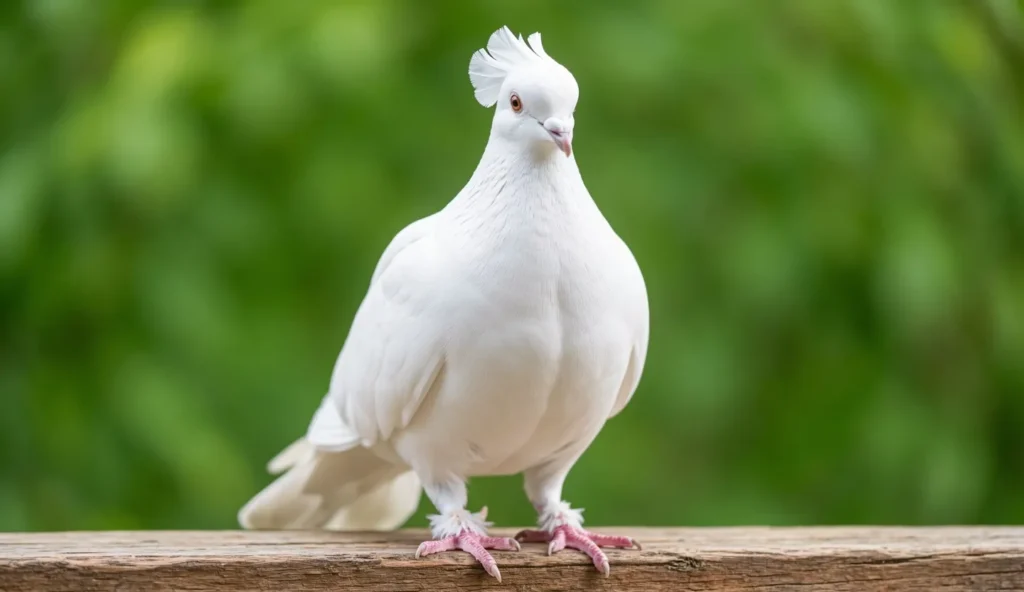
The Show Racer has a distinctive look that sets it apart from other pigeon breeds. Its body is compact, muscular, and held in a horizontal stance. These features support powerful flight and a confident show presence.
Size and Body Structure
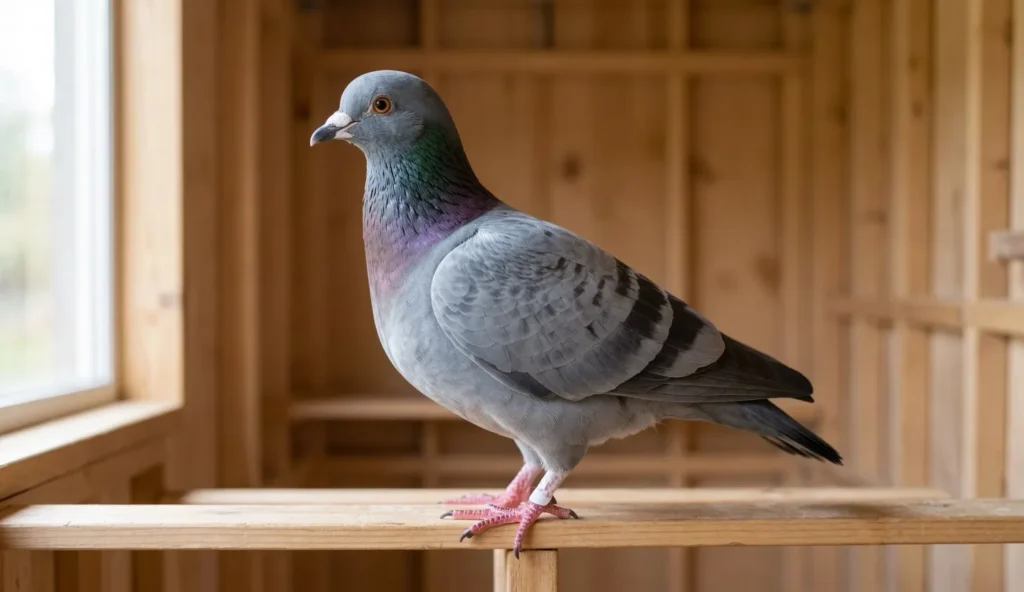
This is a medium-sized pigeon with a broad chest and strong shoulders. The back is short and slightly sloping, and the tail is carried in line with the body. A well-proportioned Show Racer appears balanced and agile from every angle.
Feather Color and Pattern
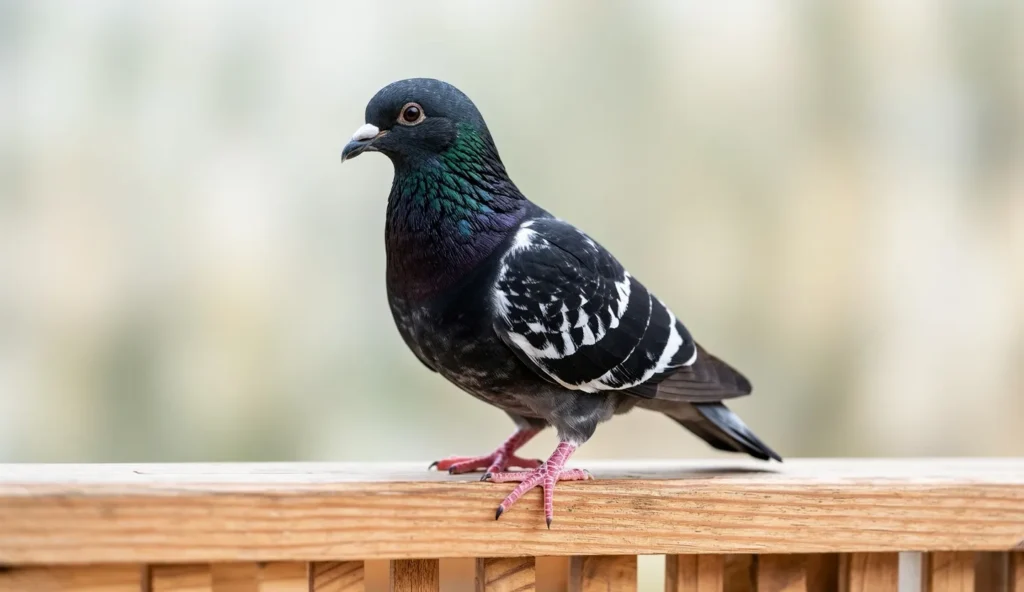
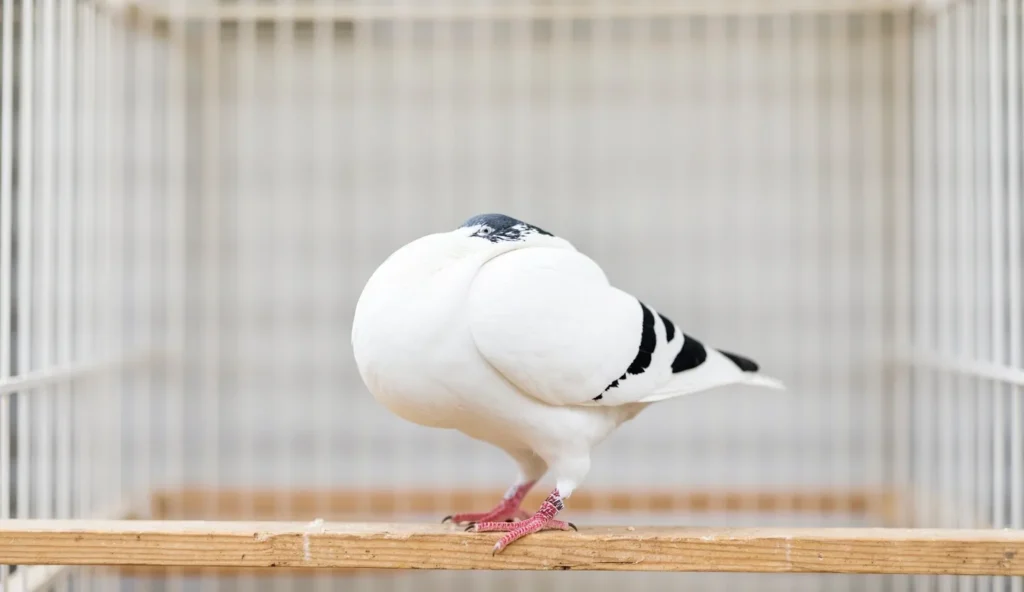
Solid colors such as blue, black, red, yellow, and white are common. Grizzle, mottle, and pied patterns are also accepted in most show standards. Feathers must be tight, glossy, and lie flat to give a smooth silhouette.
Head, Beak, and Eye Features
The head is round and full, with a short, thick beak that gives a bold expression. The cere (white area at the base of the beak) is prominent and well-formed. Eye color ranges from pearl to orange to bull (dark), depending on the feather color.
Temperament and Disposition of Show Racer Pigeons
Show Racers are intelligent, alert birds that respond well to consistent handling. They form strong bonds with their owners and mates, which makes them easier to train. A calm, confident temperament is essential for both racing and show success.
Intelligence and Trainability
These pigeons learn homing routes and commands quickly. Gentle handling from a young age builds trust and reduces stress during training. Harsh treatment can cause fearfulness and poor performance, so patience is key.
Social Behavior and Flock Dynamics
Show Racers are gregarious and thrive in a flock. They establish pair bonds and become stressed if isolated for extended periods. A spacious loft with enough perches and nesting boxes helps maintain harmony.
Training Fundamentals for Show Racer Pigeons
Training a Show Racer begins with young birds and progresses through structured steps. Consistency and positive reinforcement are the cornerstones of success. The goal is to build a reliable homing instinct and confident trap entry.
Starting Training with Young Squabs
Begin training at 4 to 6 weeks after weaning. House squabs in a training loft with trap doors and perches. Introduce them to short flights inside a closed aviary before moving outdoors.
Early exposure to the loft environment helps young birds learn their home location. This foundation makes later toss training more effective. Always supervise first flights to prevent escapes.
Step by Step Homing Training
Release birds at increasing distances from the loft, starting at 1 mile. Increase to 5, 10, then 20 miles as the birds gain experience. Always release in clear weather and from familiar directions to build confidence.
This progressive approach mirrors the methods used for Oriental Roller performance training. Show Racers need the same careful distance buildup to avoid losing young birds.
Teaching Trap Entry and Loft Recall
Use food rewards to encourage immediate entry into the loft after a flight. Train with a whistle or call signal before each feeding. Practice trap entry daily until it becomes automatic for every bird.
Exercise and Conditioning for Racing Performance
A structured exercise program builds the stamina Show Racers need for competition. Two daily flights combined with road tosses prepare birds for race day. Rest periods are equally important to prevent overtraining.
Daily Flying Routine
Fly the birds twice each day, once in the morning and once in the late afternoon. Each session should last 45 to 60 minutes. Over weeks, gradually increase the duration and intensity of the flights.
Structured Road Work and Tosses
Schedule training tosses from different compass points around the loft. Increase toss distance weekly up to 100 miles for experienced birds. Give the birds a full day of rest after a long toss to recover.
Diet and Nutrition for Show Racer Pigeons
Proper nutrition fuels training and maintains show condition. Show Racers need a high-protein grain mix during racing season and balanced minerals year-round. Adjust portions based on activity level.
Best Grains and Seeds
A quality mix includes peas, corn, wheat, and milo for protein and energy. Add small seeds like hemp, safflower, and flax to provide healthy fats. Avoid heavy barley or oats during racing season, as they can slow birds down.
Supplements for Feather and Muscle
Provide grit and oyster shell for calcium, which supports egg production and bone health. Use vitamin and mineral supplements during molt to ensure strong new feathers. Add electrolytes to drinking water after long flights to replace lost salts.
Feeding Schedule and Portions
Feed twice daily: a light meal in the morning and a larger main meal in the evening. Adjust portions based on training intensity; birds working harder need more calories. Fresh water must always be available and changed daily.
Similar feeding principles apply to the Carrier pigeon, which also requires high energy for long flights. Watch each bird’s condition and tweak portions as needed.
Grooming and Show Preparation
Show Racers must look flawless to impress judges. Regular bathing, nail trimming, and feather care keep birds show-ready. Preparation starts weeks before a competition.
Bathing and Feather Care
Provide a shallow bath 2 to 3 times per week. Use lukewarm water with a splash of pigeon shampoo to remove dirt and oil. Let birds dry naturally in a warm, draft-free area to preserve feather alignment.
Nail, Beak, and Leg Maintenance
Trim overgrown nails with a small clipper to prevent discomfort. Clean the beak and cere gently with a damp cloth. Remove leg band rings carefully to avoid injury during grooming.
Final Show Day Prep
Give a bath the day before the show. Check for loose feathers and preen any misaligned ones. Transport the bird in a clean crate with proper ventilation and bedding.
Common Health Issues in Show Racer Pigeons
Show Racers face the same diseases as other domestic pigeons. Good loft hygiene and regular health checks prevent most problems. Early detection is critical for keeping birds in peak condition.
Respiratory Infections
Bacterial or viral infections cause sneezing, nasal discharge, and wheezing. Stress from travel or overtraining often triggers these issues. Treatment requires antibiotics from a veterinarian.
Parasites External and Internal
External mites and lice damage feathers and cause itching. Internal worms reduce stamina and nutrient absorption. Use approved antiparasitic treatments seasonally and keep the loft clean.
Regular parasite control is also important for breeds like the Helmet pigeon, which share similar housing conditions.
Canker and Cocidiosis
Canker, or trichomoniasis, produces yellow plaques in the throat and affects feeding. Coccidiosis causes diarrhea and weight loss. Both are preventable through clean water, dry bedding, and timely medication.
Is a Show Racer Pigeon Right for You
Keeping Show Racers requires time, space, and dedication. A well-maintained loft, daily training routine, and budget for feed and vet care are non-negotiable. Beginners should start with a small flock and learn from experienced fanciers.
Requirements for Ownership
A secure loft with good ventilation and predator protection is essential. Owners must commit to at least an hour of daily care and training. Participating in shows and races adds travel and entry costs.
Those who enjoy both competition and the satisfaction of perfecting a breed will find the Show Racer rewarding. The dual-purpose nature keeps the hobby engaging throughout the year.
Frequently Asked Questions
How long does it take to train a show racer pigeon for competition?
Basic training takes 3 to 6 months, while full race conditioning can require up to a year. Consistent daily work is essential to build endurance and homing reliability.
What age should I start training a show racer pigeon?
Start training at 4 to 6 weeks after weaning with short flights and gentle handling. Avoid long tosses until the bird is physically mature at around 6 months.
Can a show racer pigeon compete in both shows and races?
Yes, the breed was developed for dual purpose. Birds need separate conditioning for each discipline, and careful scheduling is required to avoid fatigue.
What is the ideal diet for a show racer pigeon during race season?
A high-protein grain mix with peas and corn is ideal. Supplement with vitamins and electrolytes, and adjust fat content using seeds like hemp or flax.
How often should I bathe a show racer pigeon?
Bathe 2 to 3 times per week during training season. Always bathe the day before a show, using lukewarm water and a gentle shampoo.
What are the most common health problems in show racer pigeons?
Respiratory infections from stress, external parasites like mites and lice, and canker or coccidiosis are frequent issues. Good hygiene and regular vet checks minimize risks.
Final Note
Training and caring for Show Racer pigeons demands consistent effort, but the rewards of winning in the race loft and show hall are significant. With the right plan and dedication, any fancier can succeed with this remarkable breed.