What Is a Racing Homer
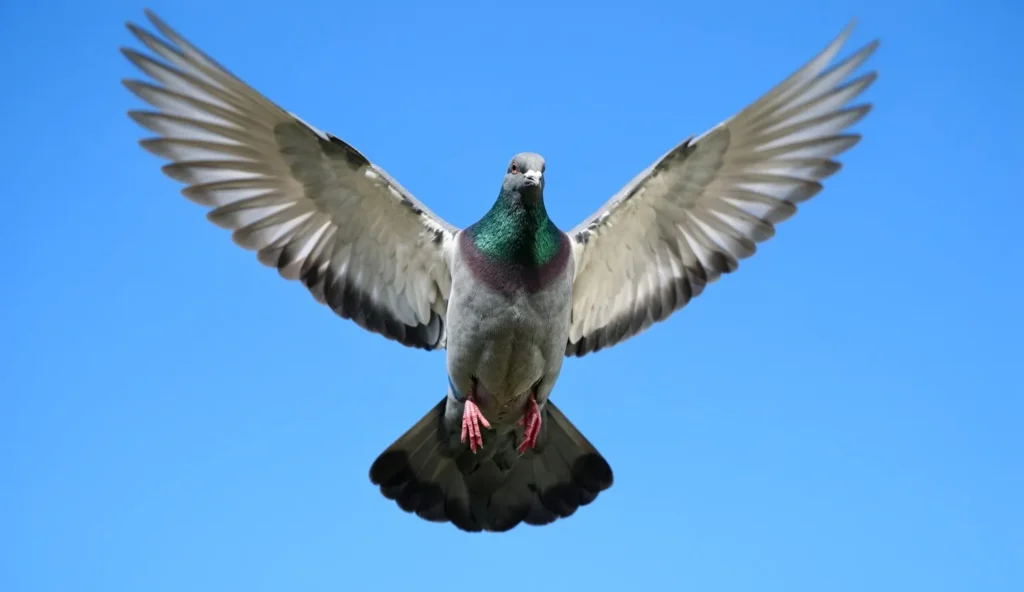
The Racing Homer is a specialized breed of domestic pigeon developed exclusively for long-distance racing and homing ability. Originating from selective breeding of Belgian and English carrier pigeons, this breed became the standard for competitive pigeon racing worldwide. A Racing Homer possesses an exceptional drive to return home, combined with remarkable endurance and speed.
Origins of the Racing Homer
The breed traces its roots to 19th-century Europe, where fanciers crossed various homing pigeons to enhance speed and navigational instinct. Unlike show breeds such as the jacobin pigeon or the fantail pigeon, the Racing Homer was refined purely for performance. Today it dominates pigeon racing competitions across Europe, Asia, and North America.
Appearance and Physical Features
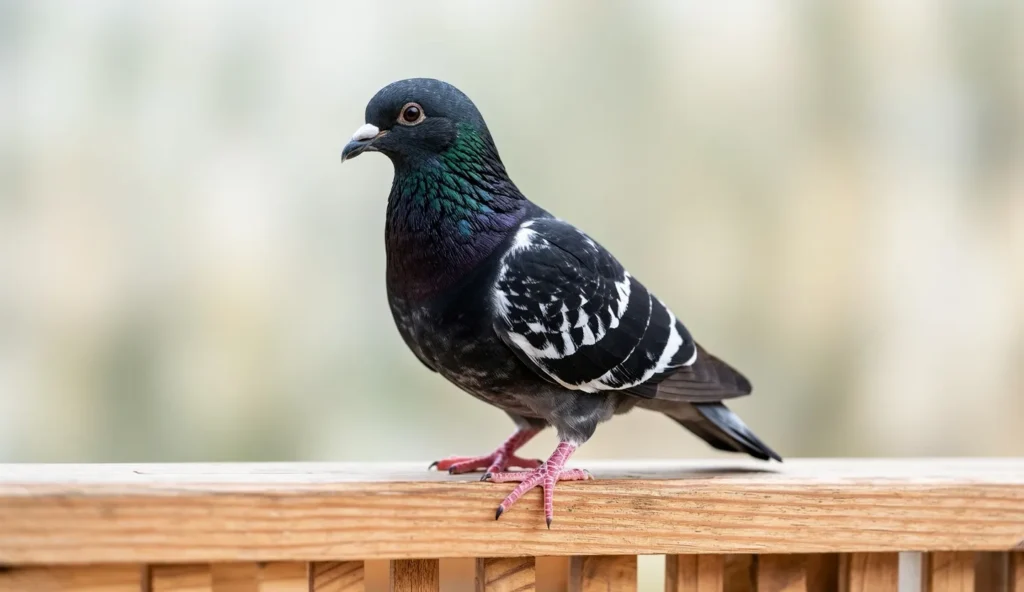
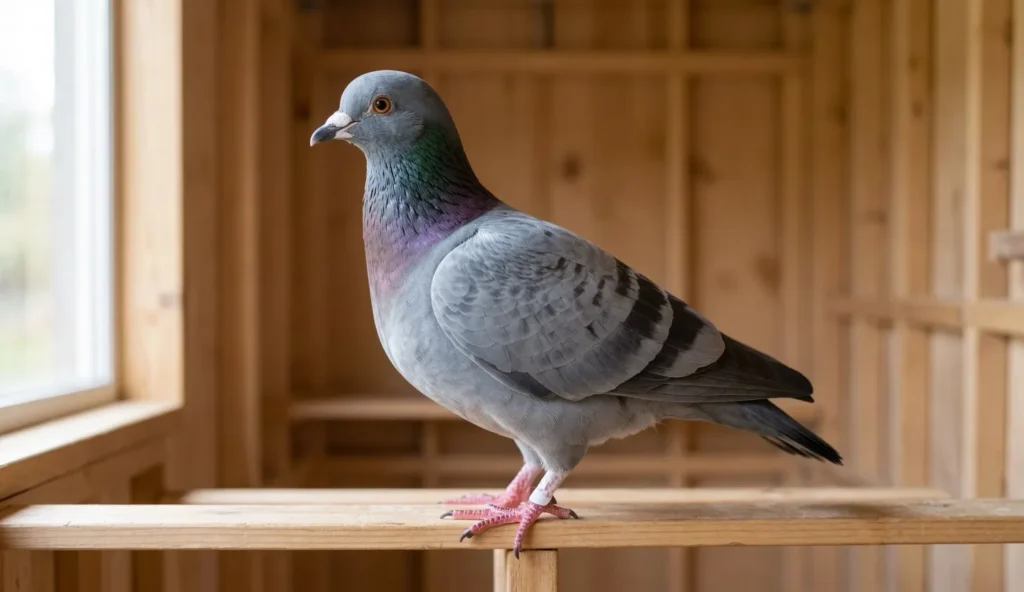
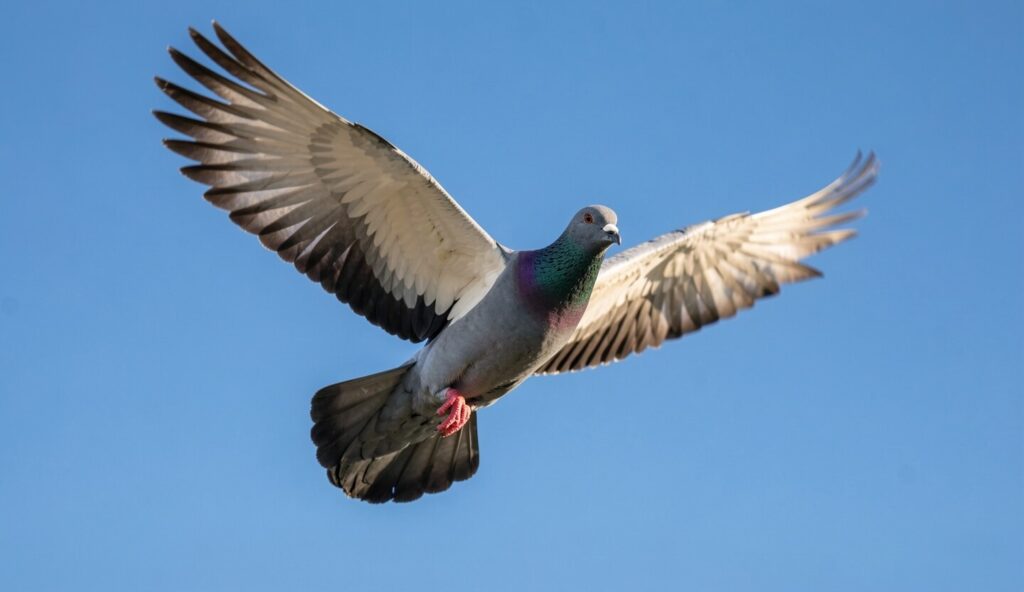
Every Racing Homer displays a compact, aerodynamic body built for sustained flight. The breed has a slender neck, broad chest, and tightly packed feathers that reduce drag.
Size and Weight
- Average weight between 350 and 500 grams
- Compact, aerodynamic body for speed
- Slender neck and broad chest
Color Variations
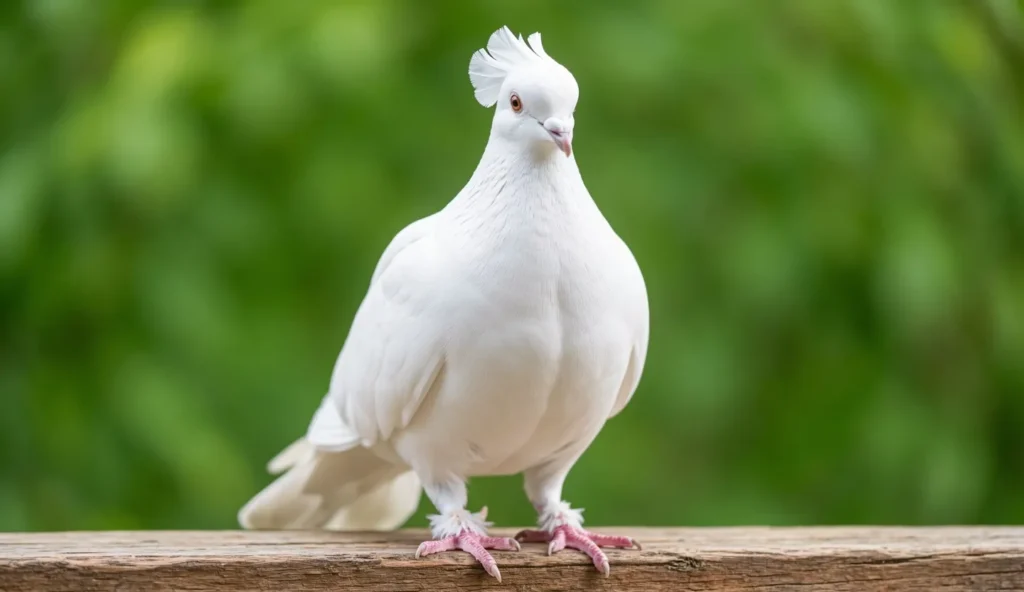
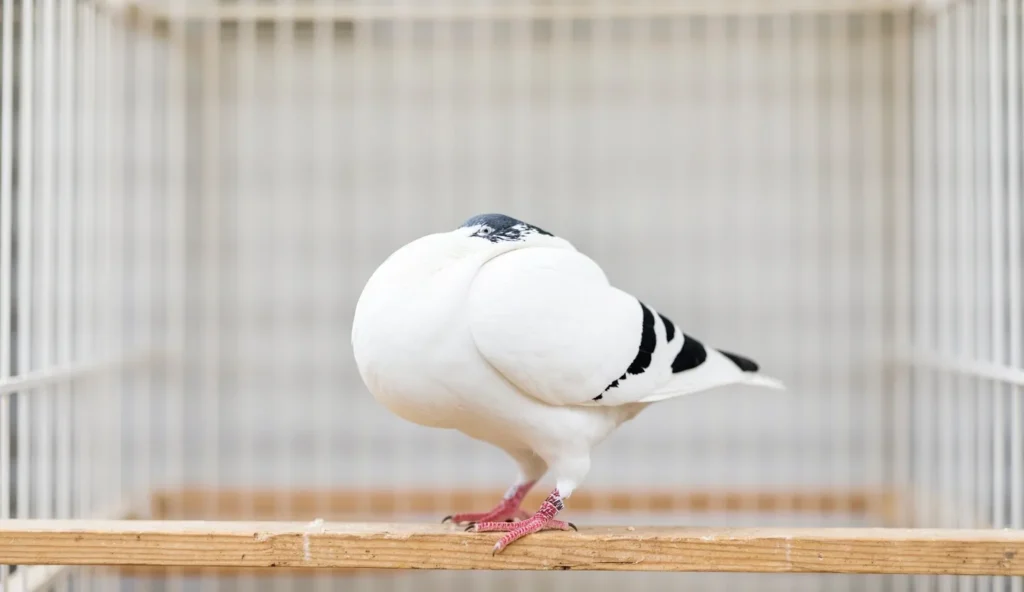
- Common colors include blue, black, red, and white
- Patterns such as grizzle, splash, and pied
- Eye color ranges from orange to pearl
Temperament and Intelligence
Racing Homers are highly intelligent and possess a fierce loyalty to their home loft. Their strong homing instinct makes them reliable racers, though they can be skittish with strangers. These birds respond well to routine and form deep bonds with their handlers.
Personality Traits
The breed is calm inside the loft but becomes intensely focused during training and racing. A well-socialized Racing Homer exhibits confidence and a strong desire to return after each release. This temperament is essential for competitive racing pigeon care.
Racing Homer Training Fundamentals
Training a Racing Homer requires patience, consistency, and a clear plan. The goal is to build the bird’s confidence, navigational skills, and physical stamina step by step.
Starting Young Birds
- Begin training at 6 to 8 weeks old
- Establish a strong bond through regular feeding
- Use a training loft for first flights
Building Trust and Trap Training
Teach the bird to enter and exit the loft trap using positive reinforcement with small treats. Practice this daily until the pigeon responds instantly. Reliable trap training is critical for timing in races.
Short Distance Flights
- Release birds at 1 to 5 kilometers initially
- Gradually increase distance over weeks
- Monitor return times and body condition
These early flights form the foundation of racing homer pigeon training. Always release birds in clear weather to avoid disorientation.
Building Endurance for Long Distance Flights
Endurance is the defining trait of a champion Racing Homer. Preparing a bird for races of 500 kilometers or more requires structured distance work and careful recovery management.
Gradual Distance Increases
- Extend flight distances by 10 to 20 percent each week
- Alternate between east and west release points
- Use rest days to prevent overtraining
Conditioning Lofts and Flight Pens
Provide open flight pens so birds can exercise freely. Many top fanciers use darkening systems to control molting and maintain peak condition throughout the racing season. A consistent daily routine reinforces homing pigeon speed and endurance.
Rest and Recovery Protocols
- Allow at least 48 hours rest after long flights
- Check for muscle fatigue and dehydration
- Offer electrolyte solutions and light feed
Ignoring recovery can lead to injuries or loss of form. Observing the bird’s droppings and attitude helps gauge readiness for the next race.
Diet and Nutrition for Peak Performance
A Racing Homer’s diet directly affects its speed, stamina, and overall health. Proper racing pigeon care includes a balanced feeding program tailored to training phases.
Balanced Feed Mix
- High energy feed with corn, barley, and peas
- Protein content around 14 to 16 percent
- Fat sources like sunflower seeds for endurance
Key Supplements
- Add vitamins A, D3, and E to boost immunity
- Calcium and grit for bone and egg health
- Probiotics for digestive efficiency
Hydration Strategies
- Provide fresh water daily
- Electrolyte drinks before and after races
- Avoid sugary additives that cause energy drops
Some fanciers also incorporate small amounts of hemp seed to improve feather quality. Adjust feed portions based on the bird’s workload.
Common Health Issues in Racing Homers
Even well-trained Racing Homers face health challenges. Recognizing symptoms early prevents lost race days and keeps the loft productive.
Respiratory Infections
- Symptoms include sneezing and nasal discharge
- Caused by bacteria or poor ventilation
- Treat with antibiotics and clean loft conditions
Parasite Infestations
- Internal worms and external mites
- Regular deworming and loft hygiene
- Inspect droppings and feathers weekly
Muscle Fatigue and Injuries
- Overtraining can lead to flight muscle tears
- Provide adequate rest and protein intake
- Use massage or gentle exercise during recovery
Breeders often compare health management across varieties, such as the lahore pigeon, to learn different preventive strategies.
Is a Racing Homer Right for You
The Racing Homer demands significant time, space, and financial commitment. A dedicated loft, regular training schedule, and willingness to handle losses are prerequisites.
Suitability for Owners
This breed thrives in setups where the owner can provide daily interaction and precise care. Those who enjoy competition and detailed record keeping will find the Racing Homer rewarding. Beginners may want to start with a few birds and learn from experienced fanciers.
For comparison, breeds like the saxon shield pigeon are more ornamental and require less training, while the Racing Homer is purpose-built for sport.
Frequently Asked Questions
How fast can a Racing Homer pigeon fly?
Racing Homers can sustain speeds of 60 to 100 kilometers per hour, with maximum recorded speeds around 180 kilometers per hour during short sprints.
What is the best diet for a racing pigeon?
A mix of high-energy grains like corn, barley, and peas, plus supplements such as vitamins and calcium, provides the necessary fuel for endurance racing.
How do you train a homing pigeon to race?
Start with short distance releases and gradually increase the range. Build trust through trap training and consistent feeding routines.
What are common health issues in Racing Homers?
Respiratory infections, parasites, and muscle fatigue are frequent problems. They can be prevented with clean loft conditions and regular health checks.
How long does a Racing Homer pigeon live?
Average lifespan is 10 to 15 years, but with excellent care and diet, some birds live up to 20 years.
What is the difference between a Racing Homer and a homing pigeon?
The Racing Homer is a specific breed refined for speed and competition, while general homing pigeons include various breeds used for their homing ability.
Final Note
Parting Advice
Owning a Racing Homer is a deeply engaging pursuit that combines science, art, and passion. With dedicated training and proper racing pigeon care, these birds can achieve remarkable feats.