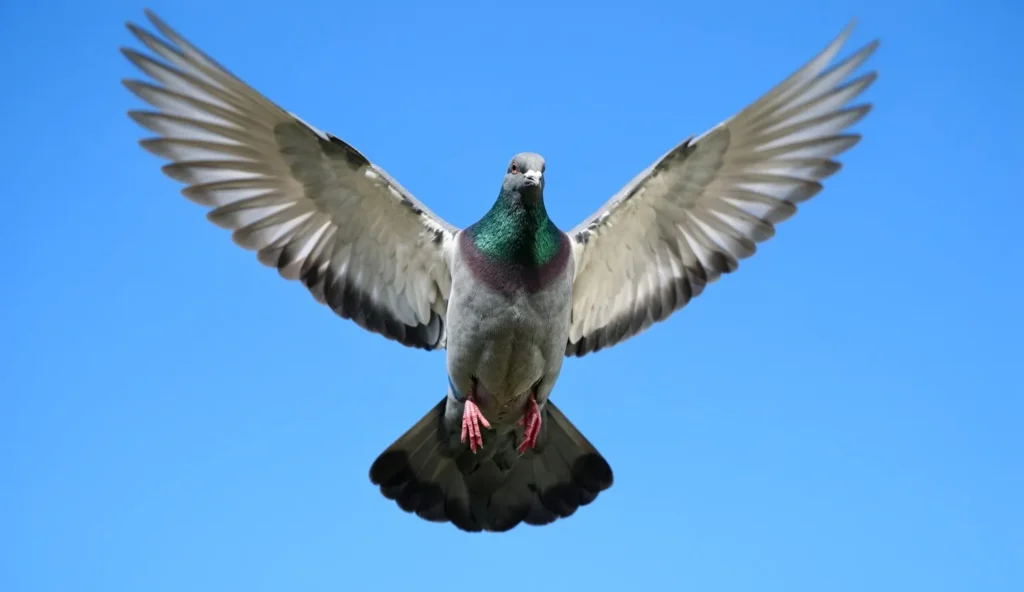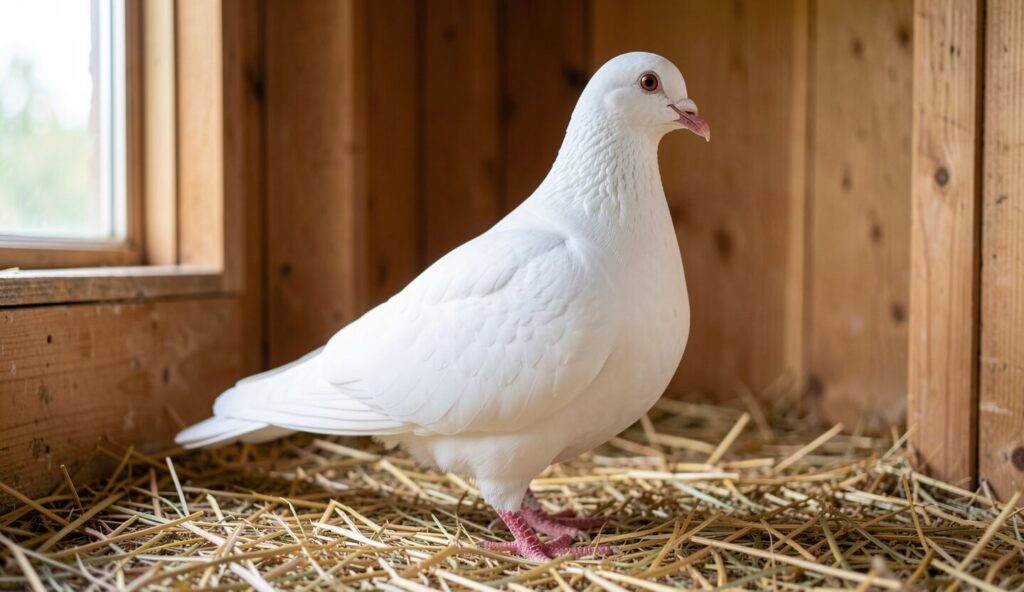
What Is a King Pigeon
Defining the King Pigeon Breed
The King pigeon is a large, dual-purpose breed developed in the United States during the late 19th century. Breeders crossed several utility varieties to create a bird with a heavy body, rapid growth, and calm disposition. This breed became a favorite among pigeon farmers for meat production and show breeders for its impressive conformation.
Unlike ornamental breeds such as the Jacobin pigeon, the King pigeon was selected primarily for size and meat yield. Its broad chest, short beak, and deep keel give it a distinct silhouette that sets it apart from lighter pigeon varieties. Today it remains the premier choice for squab production in North America and Europe.
Appearance and Size
Size and Weight
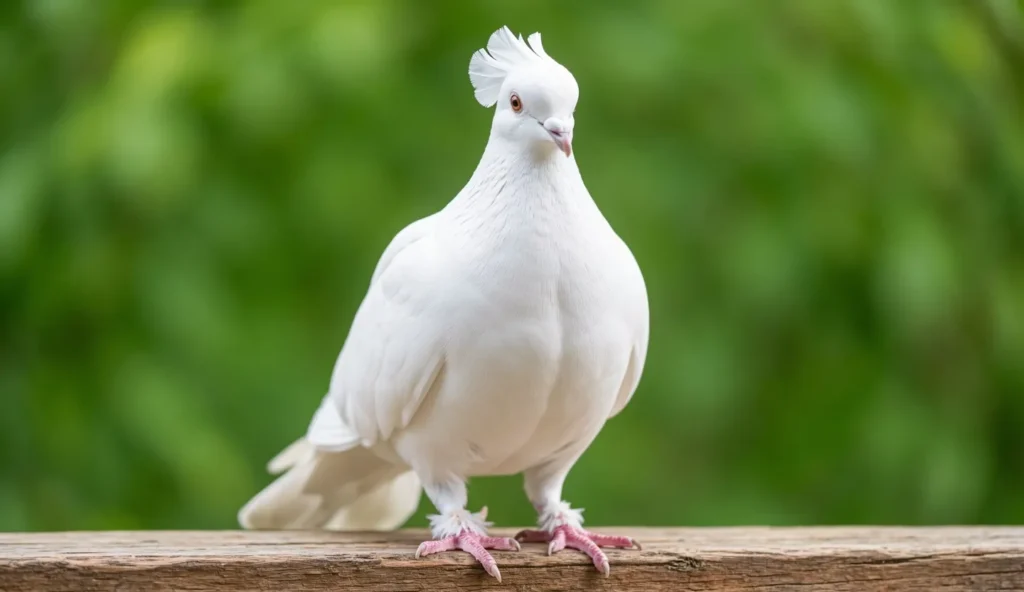
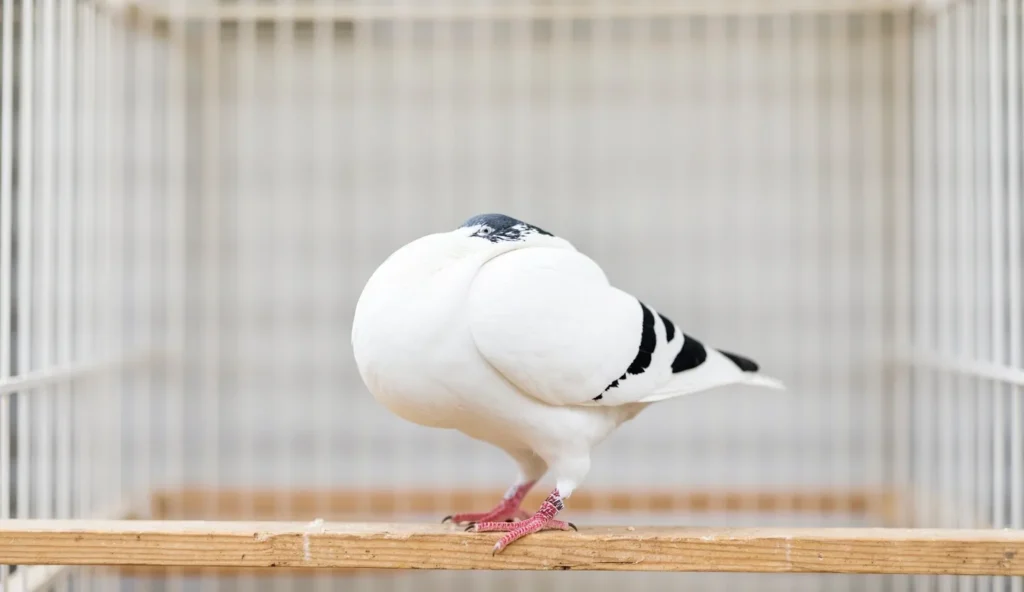
Male King pigeons weigh 34 to 40 ounces, while females typically range from 30 to 36 ounces. Body length measures 14 to 16 inches from beak to tail. The breed possesses a broad chest, a short stout beak, and a deep keel that extends well below the legs.
These dimensions make the King pigeon the heaviest of the utility pigeon breeds. While the Frillback pigeon is known for its curled feathers, the King pigeon has smooth, tight, and glossy plumage that highlights its muscular frame. Show standards prioritize size and body shape over feather ornamentation.
Color Varieties
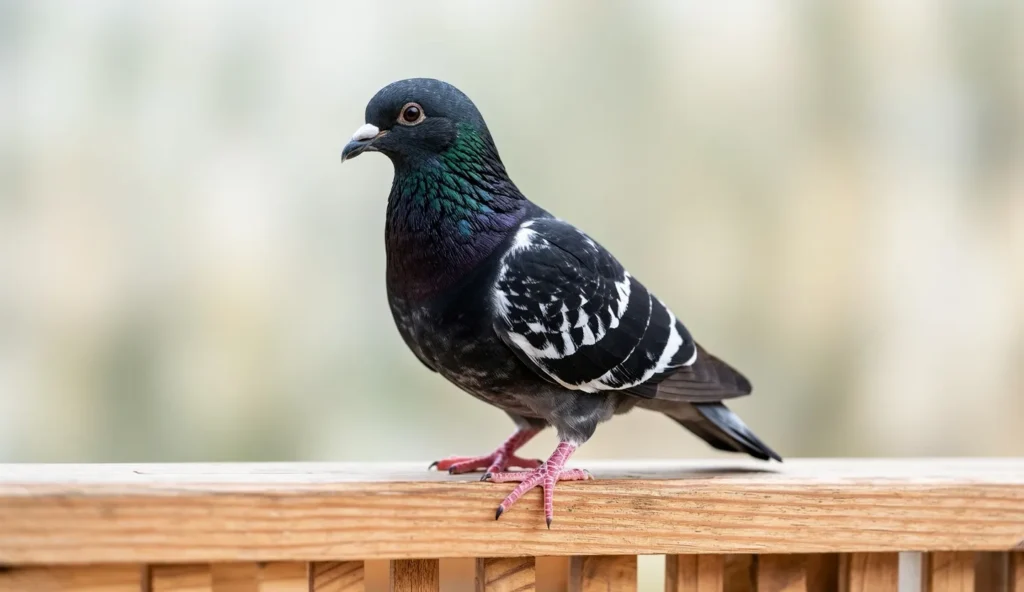
The American King pigeon standard accepts several colors including white, red, yellow, black, blue, and dun. White is the most common color for both meat production and exhibition, as white carcasses look cleaner in market displays. All color varieties should have uniform, glossy feathers free of barring or lacing.
Color does not affect meat quality or growth rate. Breeders often select for specific hues based on personal preference or show ring trends. A well-proportioned body always outweighs color in competitive judging.
Temperament and Behavior
Typical Personality Traits
King pigeons are calm, docile, and easy to handle. They tolerate human interaction well, making them suitable for beginners and experienced handlers alike. Unlike some racing or fancy breeds, they rarely startle or panic when approached.
Males can become protective during breeding season but rarely show aggression toward keepers. Their quiet nature allows them to thrive in mixed aviaries with other calm pigeon breeds. A steady temperament also simplifies routine health checks and show preparation.
Housing and Care
Housing Essentials
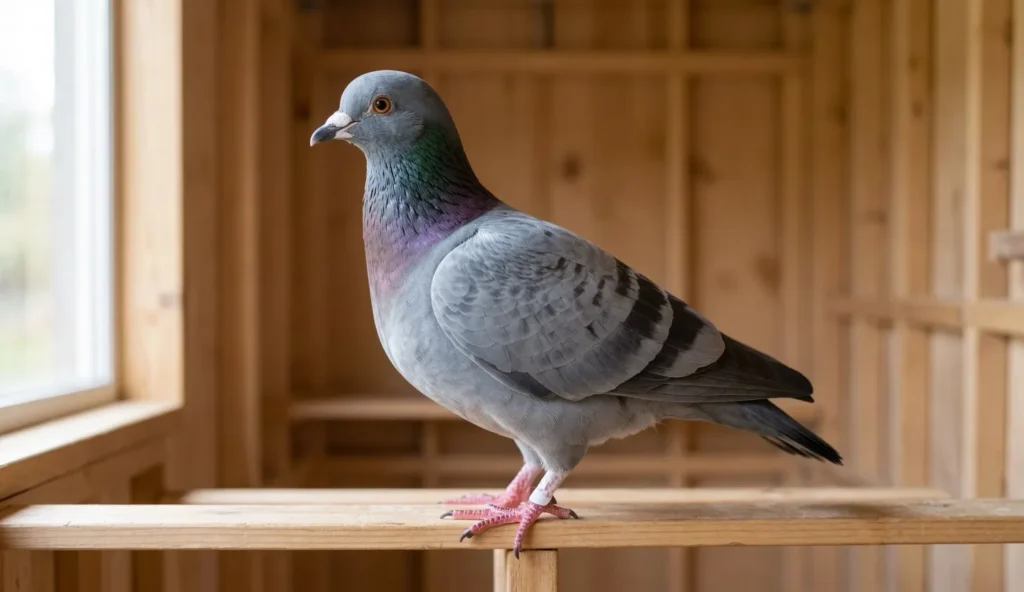
A King pigeon loft requires at least 2 square feet of floor space per bird. Outdoor aviaries or covered runs with dry bedding such as pine shavings or straw work well. Provide strong perches 1 to 2 inches in diameter and nesting boxes measuring 12 by 12 inches for breeding pairs.
Spacious housing similar to that required for the Saxon Shield pigeon helps prevent stress and disease. Ventilation is critical but drafts must be avoided. A clean, dry environment reduces respiratory issues and parasite infestations.
Daily Care Routine
Fresh water must be provided every day and changed twice daily during hot weather. Droppings should be removed from perches and floors at least three times per week. Grit and calcium supplements need constant access in separate feeders.
A weekly inspection of feather condition, weight, and droppings helps catch health problems early. Bathing water offered once a week encourages feather maintenance. Keep feed storage containers sealed to prevent mold and rodent contamination.
Diet and Nutrition
Basic Feed
Commercial pigeon feed containing corn, wheat, peas, and milo forms the base of a healthy diet. Protein levels should range from 14 to 18 percent for adult maintenance. Starter feed with 18 to 20 percent protein supports the rapid growth of squabs.
Breeding pairs and show birds may benefit from additional protein sources such as soybean meal or sprouted grains. Feed intake increases during molting and cold weather. Measure feed daily and adjust portions to avoid waste and obesity.
Supplements
Oyster shell or crushed eggshell provides necessary calcium for egg production and bone health. Grit aids digestion by grinding grains in the gizzard. A vitamin and mineral mix added to water during molting or breeding seasons supports feather quality and fertility.
Fresh greens such as lettuce, spinach, or kale can be offered weekly as a treat. Avoid high-fat seeds like sunflower in large amounts. Consistent supplement access is especially important for breeding hens to prevent egg binding.
Breeding for Meat and Show
Selecting Breeding Stock
Choose birds with broad chests, short beaks, and deep bodies that meet the breed standard weight. For meat production, select pairs with consistent weight gain and feed efficiency. For show, prioritize overall conformation, feather quality, and temperament alongside size.
In comparison, the Fantail pigeon is bred primarily for ornamental display, not meat yield. King pigeon breeders must balance both qualities to maintain the dual-purpose nature of the breed. Keep detailed records of each bird’s weight and show results over several generations.
Breeding Process
Pairs bond naturally when placed together in a breeding loft. Provide nesting bowls filled with soft straw or hay. The hen usually lays two eggs per clutch. Incubation lasts 17 to 19 days, with both parents sharing duties.
Squabs hatch covered in yellow down and grow rapidly. They rely entirely on crop milk for the first week. Parents feed them regurgitated grain after day seven. Ensure pellets or supplemental nutrition is available if a parent is not feeding adequately.
Meat Production
Squabs reach market weight in 28 to 30 days. Dressed weight per squab ranges from 14 to 20 ounces depending on genetics and feed quality. King pigeons are widely considered the best meat breed because of their heavy, fast-growing young and high feed conversion ratio.
A single pair can produce 8 to 12 squabs per year under optimal conditions. For commercial operations, record keeping of hatch dates and weights allows culling of underperforming lines. Proper lighting schedules encourage winter breeding for year-round production.
Common Health Issues
Respiratory Infections
Symptoms include sneezing, nasal discharge, and lethargy. Poor ventilation, drafts, and damp bedding are common causes. Isolate affected birds and treat with antibiotics under veterinary guidance. Improve airflow without creating direct drafts to prevent recurrence.
Regular loft cleaning and disinfection reduce pathogen loads. Quarantine new birds for at least two weeks before introducing them to the flock. Proper loft management similar to that used for the Damascene pigeon can prevent many respiratory issues.
Parasites
External mites and lice cause feather damage, restlessness, and skin irritation. Internal worms lead to poor growth, weight loss, and diarrhea. Routine application of mite sprays and periodic deworming keep infestations under control.
Keep nesting material fresh and treat lofts with approved insecticides between breeding cycles. A clean, dry environment with good ventilation is the best prevention. Monitor droppings regularly for signs of worm eggs.
Is a King Pigeon Right for You
Assessing Your Suitability
King pigeons require moderate space, consistent feeding schedules, and regular cleaning. They are ideal for hobbyists who want a productive flock that also performs well in the show ring. Farmers seeking a heavy squab breed will find the King pigeon unmatched in growth rate and dressed weight.
Beginners appreciate the breed’s calm nature and straightforward care requirements. Those with limited time should consider that daily feeding and weekly loft cleaning are mandatory. If you can provide at least 2 square feet per bird and commit to daily water changes, this breed offers rewarding results in both meat and exhibition.
Frequently Asked Questions
How big does a King Pigeon get?
Males weigh 34 to 40 ounces, females 30 to 36 ounces. Body length ranges from 14 to 16 inches with a broad chest and deep keel.
What is the best diet for King Pigeons?
A commercial grain mix with 14 to 18 percent protein forms the staple diet. Supplement with oyster shell for calcium, grit for digestion, and occasional fresh greens.
How long does it take to breed King Pigeons?
Pairing and nest building takes about one to two weeks. Incubation lasts 17 to 19 days, and squabs fledge at 28 to 30 days.
Are King Pigeons good for meat production?
Yes, they are the premier meat breed with heavy, fast-growing squabs. Dressed weight per squab ranges from 14 to 20 ounces at 4 weeks of age.
What are common health problems in King Pigeons?
Respiratory infections from poor ventilation and external mites or internal worms are frequent issues. Regular cleaning and quarantine prevent most problems.
How much space do King Pigeons need?
At least 2 square feet per bird inside a loft. An outdoor aviary with dry bedding and sturdy perches is recommended for optimal health.
A Note on King Pigeon Ownership
King pigeons reward attentive care with excellent meat yields and strong show performance. This breed continues to be a top choice for pigeon enthusiasts worldwide due to its versatility and calm temperament.