What Is a Birmingham Roller Pigeon
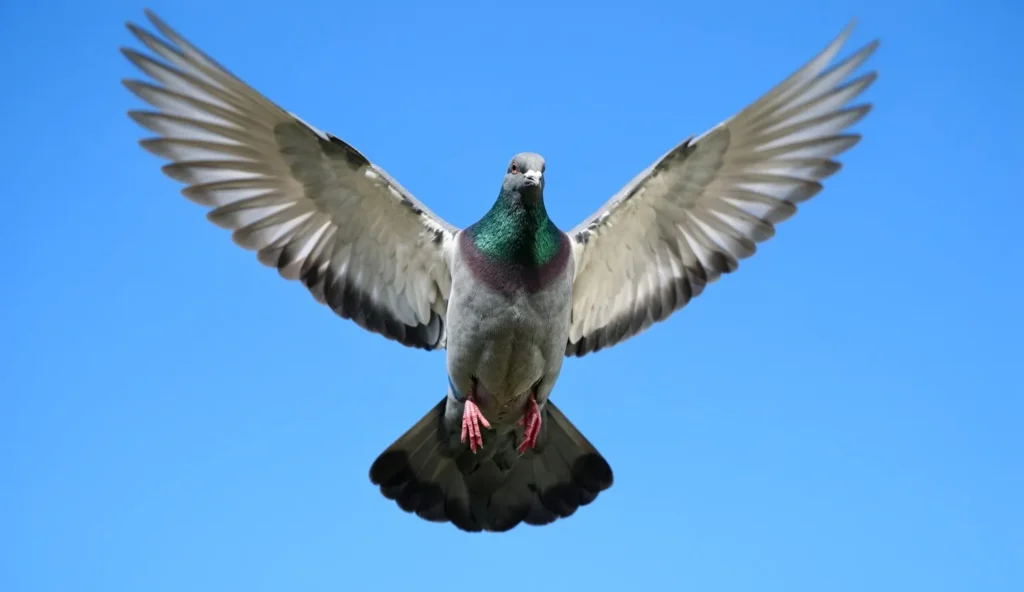
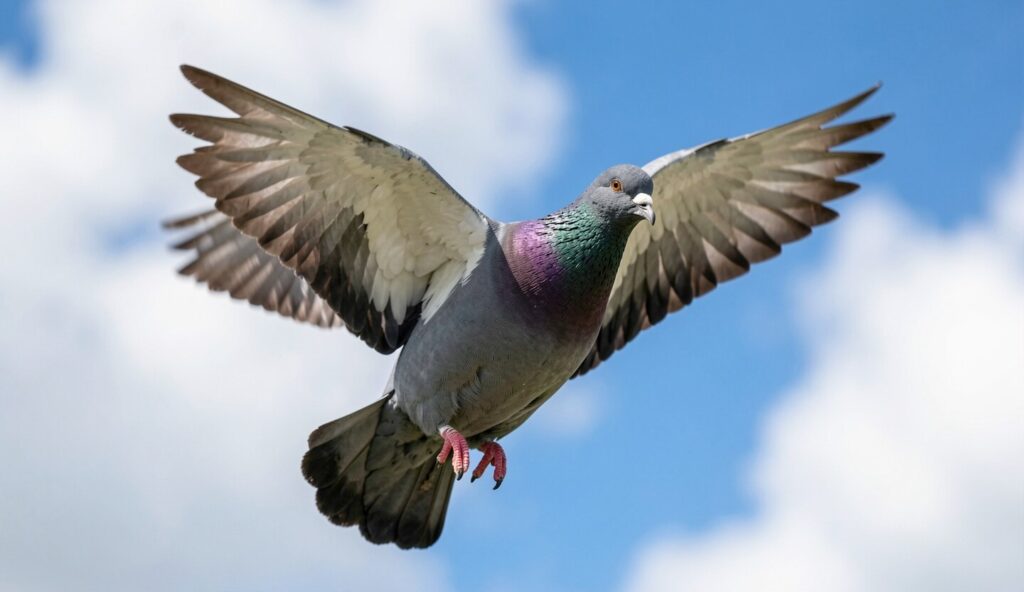
The Birmingham Roller is a small to medium-sized fancy pigeon breed that originated in England, specifically in and around Birmingham. This breed is famous for its extraordinary ability to perform rapid backward somersaults during flight, a behavior known as tumbling. Enthusiasts worldwide value the Birmingham Roller for its unique aerial performance and calm disposition, making it a popular choice for loft owners who enjoy watching birds fly.
Breed Origins and History
Birmingham Rollers were developed in the 19th century by crossing various tumbler and roller pigeon strains. Breeders selected birds that showed a strong instinct to tumble backward in midair. Over generations, the tumbling trait became more consistent and dramatic. Today, the breed is recognized by fanciers globally and appears in many color varieties.
The Birmingham Roller belongs to a group of fancy pigeons known for acrobatic flight. Similar breeds include the frillback pigeon, which is prized for its curled feathers rather than tumbling ability. Understanding the unique behavior of the Birmingham Roller helps owners provide the right environment for this specialized pigeon.
Appearance and Physical Features
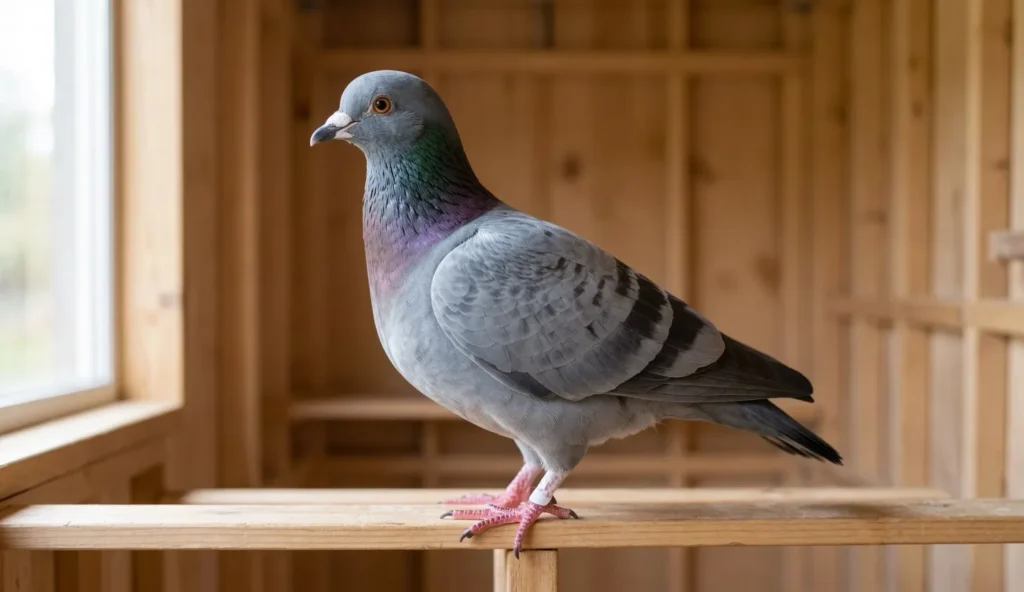
The Birmingham Roller has a sleek, compact body with a low stance and broad chest. Its head is small and rounded, with a short beak and bright eyes. The bird carries itself with a horizontal posture, which aids in its tumbling motion.
Size and Build
Mature Birmingham Rollers weigh between 250 and 350 grams. They are slightly smaller than common city pigeons. Their wings are strong but not overly long, allowing quick flips. The legs are short and clean of feathers.
Color Variations
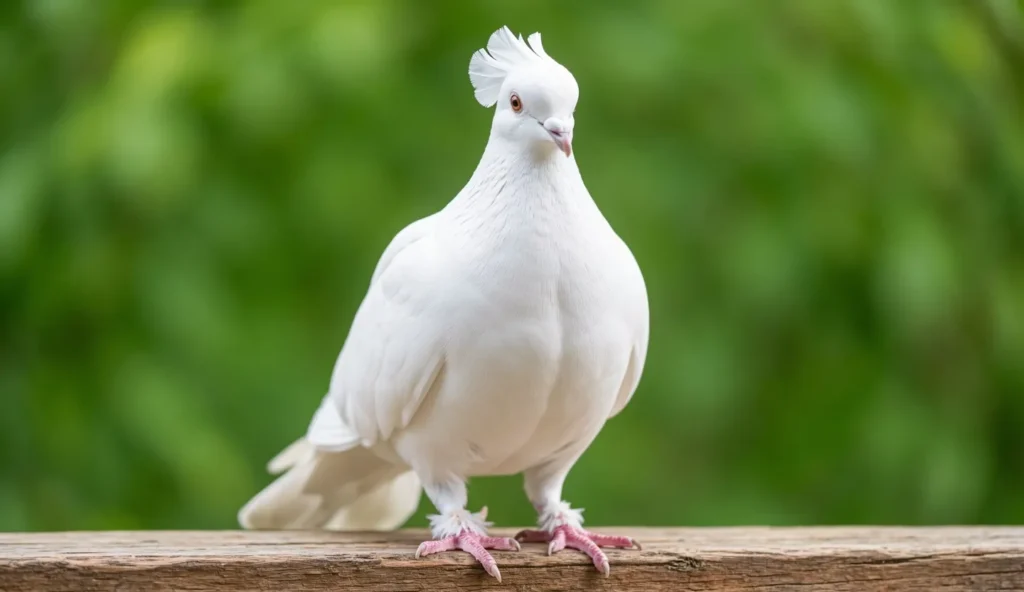
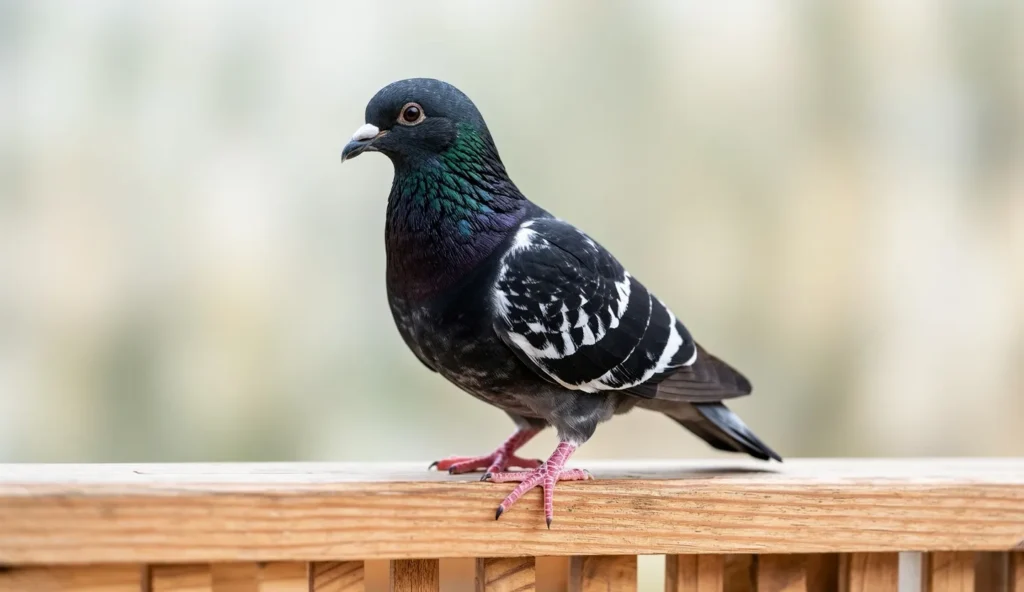
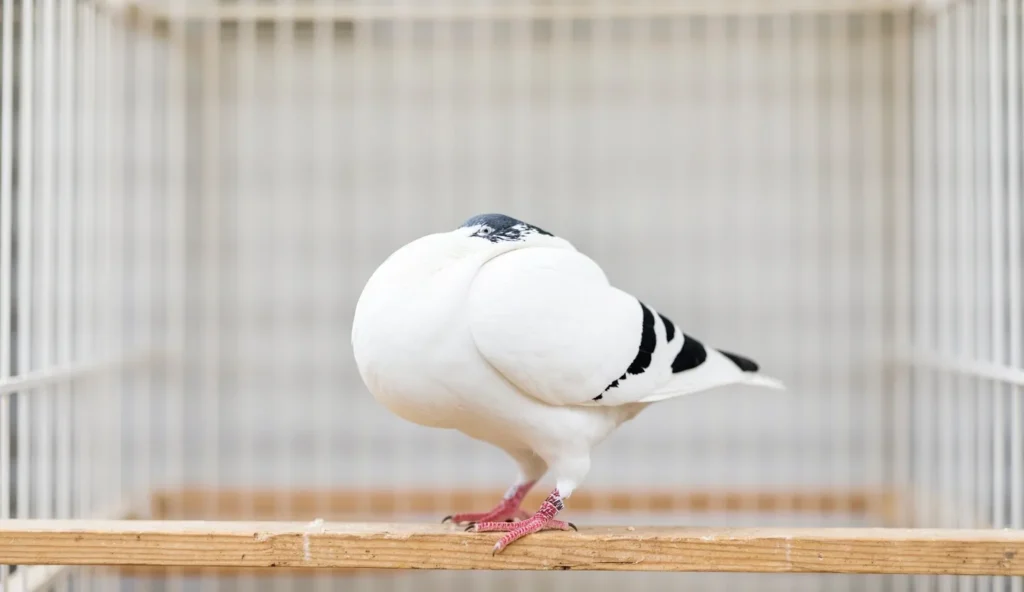
Birmingham Rollers come in many colors and patterns. Common self colors include black, red, yellow, and white. Patterned varieties include grizzle, mottle, saddle, and pied. Eye color varies depending on feather color; dark-eyed birds are typical for black and blue strains, while bull or pearl eyes appear in whites.
These color variations make the bird visually striking against the sky. Another attractive fancy pigeon is the lahore pigeon, known for its elegant feathered feet and calm temperament. Both breeds add diversity to a loft.
Temperament and Personality
Birmingham Rollers are generally calm, docile, and easy to handle. They do not show aggression toward other pigeons or humans. Their gentle nature makes them suitable for family lofts and beginner pigeon keepers.
These birds thrive in flocks and enjoy social interaction. They are not noisy or destructive. Their primary focus is flying and tumbling, so they require space to express this natural instinct.
Exercise and Flying Needs
Daily flying is essential for the Birmingham Roller to maintain health and encourage tumbling behavior. Without regular exercise, the bird may become overweight and lose its tumbling ability. A spacious loft with an attached flight pen or an open aviary works best.
Birds should be allowed to fly for at least 30 to 60 minutes each day, preferably in the morning or late afternoon. Avoid flying during extreme heat or heavy wind. Consistent flight sessions help strengthen the chest muscles needed for tumbling.
Training the Birmingham Roller for Tumbling
Training a Birmingham Roller to tumble requires patience and consistency. The tumbling instinct is genetic, but it can be refined through structured practice. Young birds respond well to training when introduced at the right age.
Starting with Young Birds
Begin training at 4 to 6 weeks of age. Use a kit of experienced tumbling pigeons to lead the young birds. Short sessions, repeated several times a day, encourage the natural tumble. Keep sessions positive and avoid forcing the birds.
Reinforcing the Tumble
Reward successful tumbles with a small food treat. Gradually increase flying height as the bird gains confidence. Monitor for over-tumbling, which can cause injury. If a bird appears tired or disoriented, let it rest for a day.
Some breeders use a training loft with adjustable perches to simulate flight height. Others prefer open-field flying. The key is to build trust and repetition. For comparison, the ice pigeon is another fancy breed that benefits from structured flight training, though it does not tumble.
Grooming and Care
Basic grooming keeps the Birmingham Roller healthy and comfortable. Regular bathing, nail trimming, and loft maintenance prevent common problems. Clean birds tumble better because feathers remain aerodynamic.
Bathing and Feather Care
Offer a shallow bath 2 to 3 times per week. Use plain water only; no soap or additives. Keep the loft dry to prevent feather mites and bacterial growth. Replace bath water daily to avoid contamination.
Loft Hygiene
Remove droppings daily from perches and floor. Disinfect nesting boxes and perches weekly with a pigeon-safe cleaner. Provide fresh grit and mineral supplements to aid digestion. A clean loft reduces the risk of respiratory infections and parasites.
Diet and Nutrition
A balanced diet supports the high energy demands of tumbling. Birmingham Rollers need a mix of grains, seeds, and supplements. Fresh water must be available at all times.
Recommended Feed Mix
Base the diet on a quality pigeon mix containing corn, peas, wheat, and barley. Add pigeon-specific pellets to ensure complete nutrition. During molting or training periods, supplement with safflower seed or hemp seed for extra energy.
Vitamins and Minerals
Provide oyster shell and grit freely to supply calcium for egg production and bone health. Place mineral blocks in the loft for constant access. Offer fresh greens such as lettuce or spinach twice a week to add natural vitamins.
A proper diet also benefits other pigeon breeds kept in the same loft, such as the king pigeon, which is larger and has different nutritional needs. Adjust portions accordingly.
Common Health Issues
Birmingham Rollers are generally hardy, but they can develop specific health problems. Early detection and prevention are key to keeping them healthy. Regular observation helps identify issues before they worsen.
Respiratory Infections
Mycoplasma or bacterial infections cause sneezing, nasal discharge, and lethargy. Treat with antibiotics prescribed by a veterinarian. Good ventilation and clean bedding reduce the risk.
Parasites
External parasites include mites, lice, and fleas. Internal parasites such as roundworms and coccidia affect digestion. Implement a regular deworming schedule and maintain loft hygiene. Inspect birds monthly for signs of infestation.
Tumbling Injuries
Over-tumbling can lead to head trauma or wing strain. Limit flying sessions if a bird shows fatigue or disorientation. Ensure soft landing surfaces like straw or sand in the loft. Allow rest days between intense training flights.
Another pigeon breed that requires careful management of physical stress is the jacobin pigeon, whose heavy head feathers can hinder vision. Both breeds benefit from regular health checks.
Is a Birmingham Roller Pigeon Right for You
Birmingham Rollers suit owners who have time for daily exercise and basic loft care. They thrive in environments with space for flying and a clean, dry loft. The breed is hardy and forgiving, making it a good choice for beginners.
Potential keepers should consider local regulations regarding pigeon keeping and noise levels. Birmingham Rollers are quiet birds, but their tumbling flights can attract attention. If you enjoy watching birds perform aerial acrobatics, this breed offers endless entertainment.
Frequently Asked Questions
Why do Birmingham Rollers tumble backward in the air?
The tumbling is a genetic trait that causes the bird to briefly lose control of flight and perform backward somersaults. Breeders select for this behavior, and it is not a sign of illness or distress in healthy birds.
How can I encourage my Birmingham Roller to tumble more often?
Provide regular daily exercise flights in an open loft or aviary. Use a kit of experienced tumbling pigeons to stimulate the behavior in younger birds.
What is the best diet for a Birmingham Roller pigeon?
A balanced seed mix of corn, peas, wheat, and barley with added pigeon pellets. Supplement with grit, oyster shell, and fresh greens to support feather and bone health.
How long do Birmingham Roller pigeons live?
With proper care, they typically live 10 to 15 years. Good diet, clean housing, and regular veterinary checkups extend lifespan.
Can Birmingham Rollers be kept with other pigeon breeds?
Yes, they are generally docile and can cohabitate with other small to medium pigeon breeds. Ensure enough space per bird to reduce competition for food and perches.
Are Birmingham Roller pigeons good for beginners?
They are suitable for beginners who have time for daily exercise and basic loft maintenance. The tumbling behavior requires patience to train, but the breed is hardy and easy to care for.
A Final Note on the Birmingham Roller Pigeon
The Birmingham Roller remains one of the most fascinating fancy pigeon breeds due to its unique tumbling flight. With the right care, training, and environment, this bird will reward its keeper with years of mesmerizing aerial displays.