What Is an English Pouter Pigeon
Breed Origin and Purpose
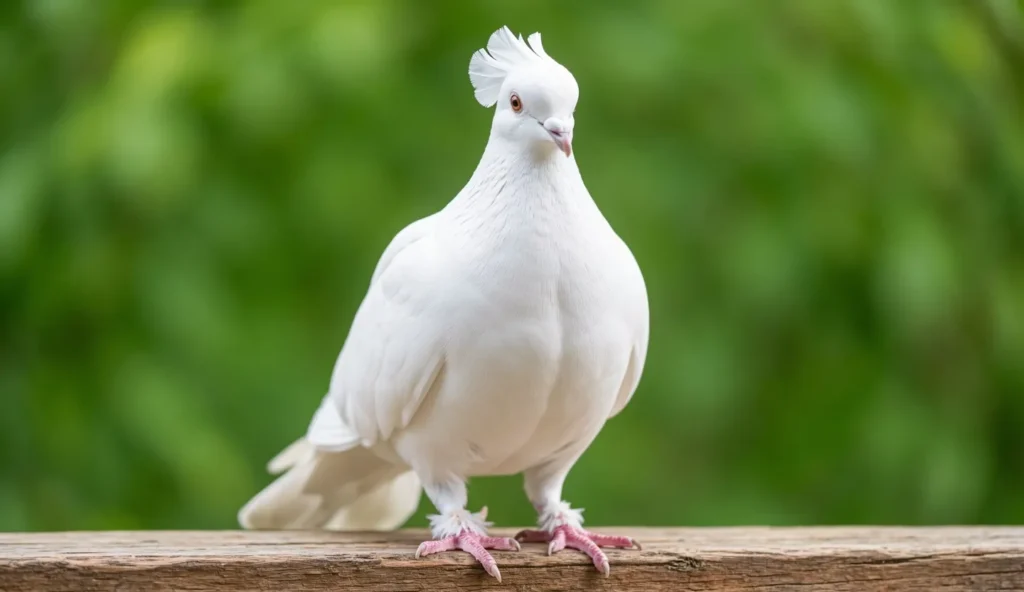
The English Pouter is a fancy pigeon breed renowned for its ability to inflate its crop into a large, rounded globe. This breed originated in England and was refined through generations of selective breeding for exhibition purposes. The English Pouter pigeon stands nearly vertical, with long legs and a straight back that support its striking pose.
Breeders prize this bird for its calm demeanor and distinctive silhouette. The breed belongs to the pouter group, which includes several related varieties. For those interested in other fancy breeds, the Ice pigeon offers a different but equally fascinating appearance with its blue-gray plumage.
Appearance and Physical Features
Inflatable Crop and Upright Posture
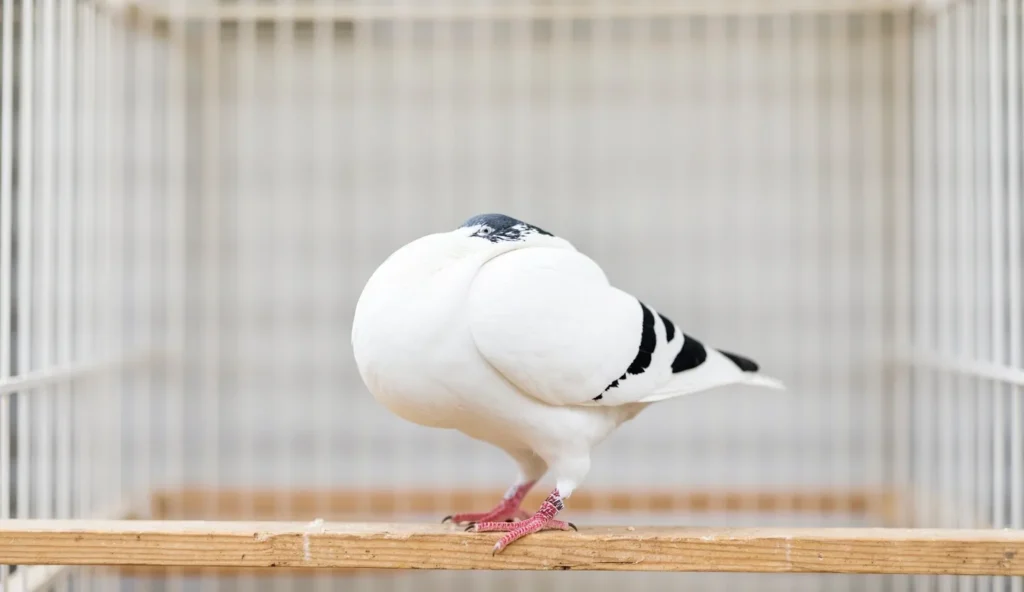
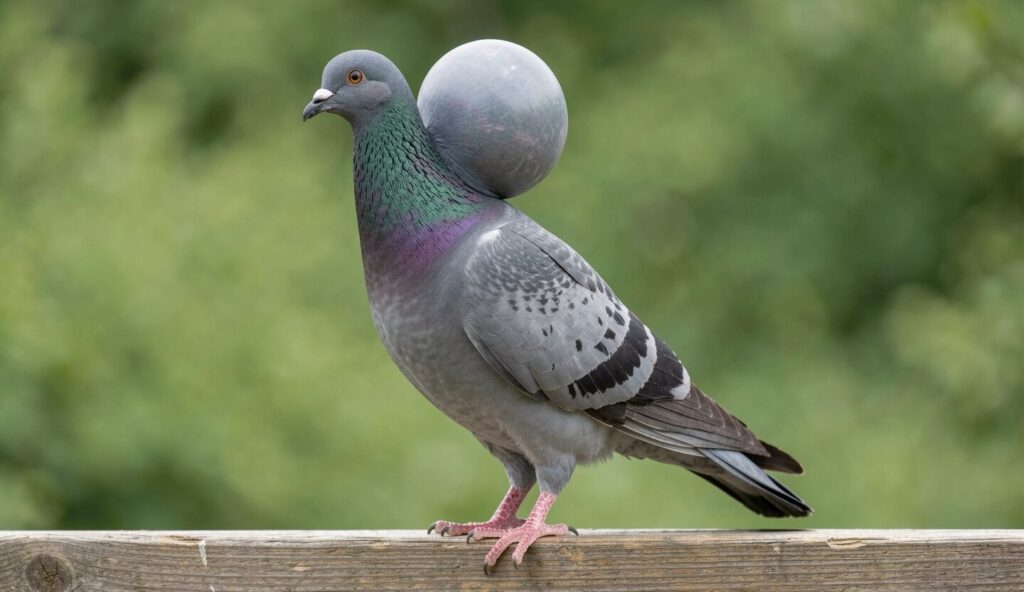
The most defining feature of the English Pouter is its inflatable crop. When fully expanded, the crop forms a large globe that sits prominently at the bird’s chest. This trait is central to the breed’s appeal in pouter pigeon show competitions.
The bird’s posture is equally remarkable. The English Pouter stands almost upright, with its head held high and tail pointing downward. Long legs and a straight back are essential to achieve this pose. Judges evaluate these features carefully during exhibitions.
Color Varieties and Markings
English Pouters come in multiple recognized colors. Standard shades include blue, silver, red, yellow, white, and black. Some birds display lacing or mottling patterns, though show standards prefer even color distribution across the body.
Breeders often select for clean, uniform feathers without patches. The beak is usually pale, and the eyes range from orange to pearl depending on the variety. The overall effect is a sleek, refined bird that commands attention.
Temperament and Personality
Gentle and Docile Nature
The English Pouter is known for its calm and gentle personality. These birds rarely show aggression toward humans or other pigeons. Their docile nature makes them suitable for breeders who handle birds frequently.
They adapt well to loft life and coexist peacefully with other fancy breeds. Unlike some energetic pigeon varieties, the English Pouter moves slowly and deliberately. This temperament is a major reason why breeders choose them for exhibition and companionship alike. For a comparison of tranquil breeds, the fantail pigeon also exhibits a serene disposition.
Housing Requirements
Loft Size and Setup
English Pouters need spacious lofts with adequate headroom. Their upright posture requires tall enclosures to prevent feather damage. Good ventilation is essential to keep the air fresh and reduce moisture.
Perches should be wide and stable to accommodate the bird’s size. Separate areas for breeding and showing help reduce stress. A clean loft environment prevents many common health problems.
Nesting Boxes
Nesting boxes must be large enough to accommodate the inflated crop. Soft nesting material protects eggs from cracking. Breeders should clean boxes regularly to prevent disease buildup.
Provide one box per pair during breeding season. The boxes should have a low lip so the bird can enter easily. Proper spacing between boxes reduces territorial disputes.
Diet and Nutrition
Basic Diet
A high-quality grain mix forms the foundation of the English Pouter diet. Corn, wheat, and peas provide essential energy and protein. Grit and oyster shell should always be available to aid digestion and calcium absorption.
Fresh water must be provided daily. Pigeons drink more than many bird species, so waterers should be checked twice per day. Clean feeding stations prevent spoilage and contamination.
Supplements for Show Birds
During show season, breeders often add vitamin and mineral supplements. Probiotics support crop health, which is critical for a bird that inflates its crop frequently. Avoid overfeeding to prevent obesity and crop strain.
Feather condition can benefit from added oils or specialized pellets. Always introduce supplements gradually. Consulting an avian veterinarian helps tailor the diet to individual bird needs. The King pigeon, though bred for different purposes, follows similar nutritional guidelines for optimal health.
Grooming and Maintenance
Bathing Routine
English Pouters benefit from shallow water baths weekly. Bathing keeps feathers clean and helps maintain their show-ready appearance. Dry feathers thoroughly afterward to prevent chilling.
Use gentle soap only if the feathers are heavily soiled. Most birds enjoy bathing and will splash eagerly. A regular schedule keeps plumage in top condition.
Nail and Beak Trimming
Trim nails when they become overgrown to avoid perching problems. Beak trimming is rarely needed if the diet includes hard grains that naturally file the beak. When in doubt, consult a veterinarian for guidance.
Handling birds gently during grooming builds trust. Regular inspections also help catch early signs of disease. Consistent maintenance is part of responsible pouter pigeon care.
Common Health Issues
Crop Impaction and Sour Crop
The English Pouter’s large crop is prone to impaction if the bird eats too quickly or consumes coarse material. Sour crop results from yeast overgrowth and causes bad breath and lethargy. Monitor diet and provide clean water to minimize risks.
Prompt veterinary care is essential if symptoms appear. Breeders should learn to palpate the crop gently to check for fullness. Preventive feeding practices reduce the likelihood of these conditions.
Respiratory Infections
Damp lofts trigger respiratory infections in English Pouters. Symptoms include sneezing, nasal discharge, and labored breathing. Keep the loft dry and well-ventilated to prevent outbreaks.
Isolate sick birds immediately and sanitize the enclosure. Good airflow and proper hygiene are the best defenses. The Jacobin pigeon, with its elaborate hood, also benefits from similar loft management practices.
Is an English Pouter Pigeon Right for You
Considerations for Potential Breeders
English Pouters suit breeders who enjoy exhibition and calm birds. They require more space than smaller pigeon breeds due to their height and crop. Beginners can manage this breed with proper research and preparation.
Time commitment for grooming, feeding, and loft cleaning is moderate. Those looking for a unique show bird with a gentle nature will find the English Pouter rewarding. For a hardier alternative with similar posture, the old dutch capuchine pigeon offers a different feather arrangement.
Final Note
Breeding for Show and Enjoyment
English Pouters offer breeders a distinctive and elegant addition to any loft. Their calm temperament and striking appearance make them a pleasure to raise. With consistent care and attention, this breed thrives in a dedicated environment.
Patience in training and handling yields excellent results in the show ring. The English Pouter remains a classic choice among fancy pigeon enthusiasts.
Frequently Asked Questions
What makes the English Pouter different from other pigeon breeds?
The English Pouter can inflate its crop into a large globe, stands in an extremely upright posture, and possesses a calm, docile temperament ideal for showing.
How do you train an English Pouter to show its crop?
Handle the bird gently from a young age. Encourage puffing by offering treats or using a decoy. Practice posing on a flat surface in short sessions.
What is the best diet for an English Pouter pigeon?
A grain mix with corn, wheat, and peas, plus grit and oyster shell for digestion. Provide supplements during show season for feather quality.
How long do English Pouter pigeons live?
Average lifespan is 7 to 10 years. Good care and nutrition can extend life. Regular health checks prevent early death.
Do English Pouter pigeons need a special loft?
They need spacious lofts with high ceilings. Perches must be wide to support their posture. Good ventilation is critical to prevent respiratory issues.