What Is an Ice Pigeon
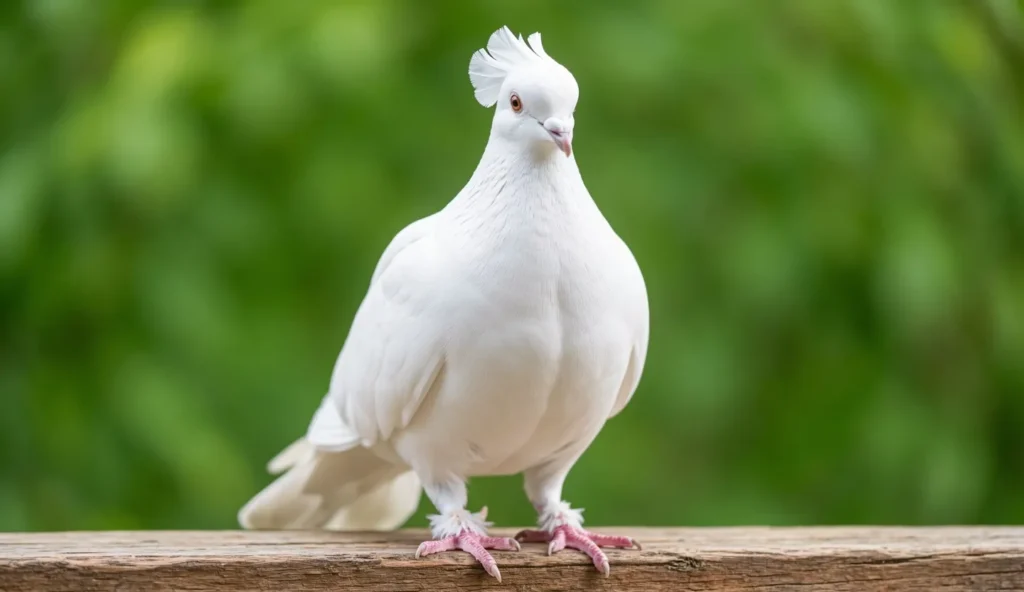
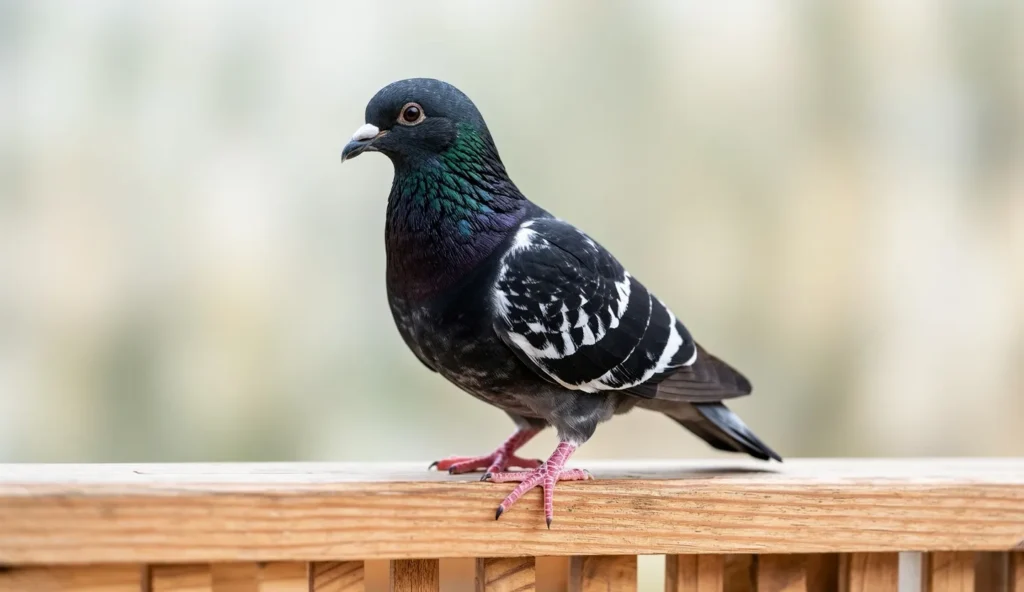
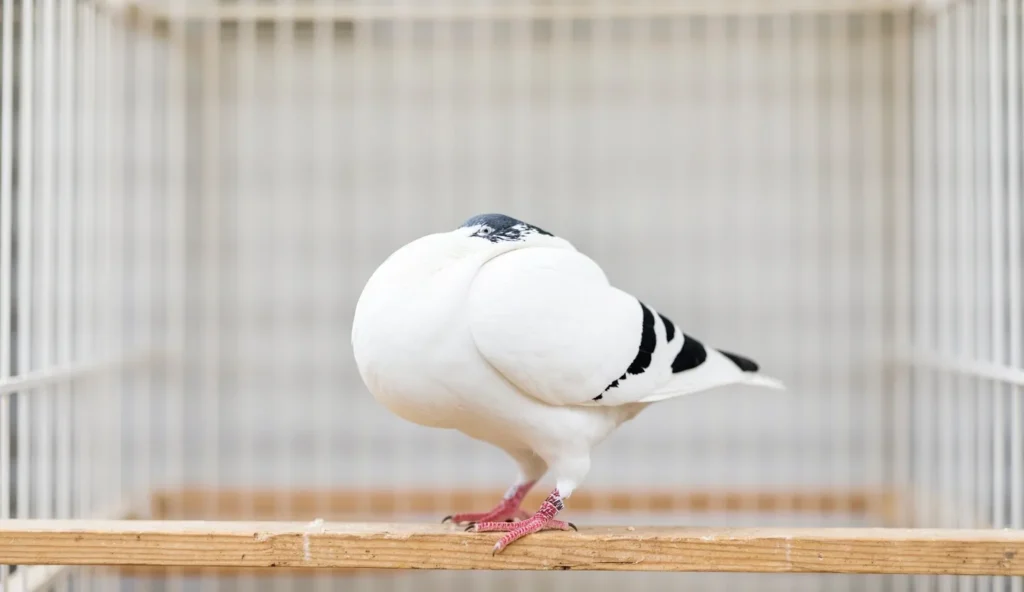
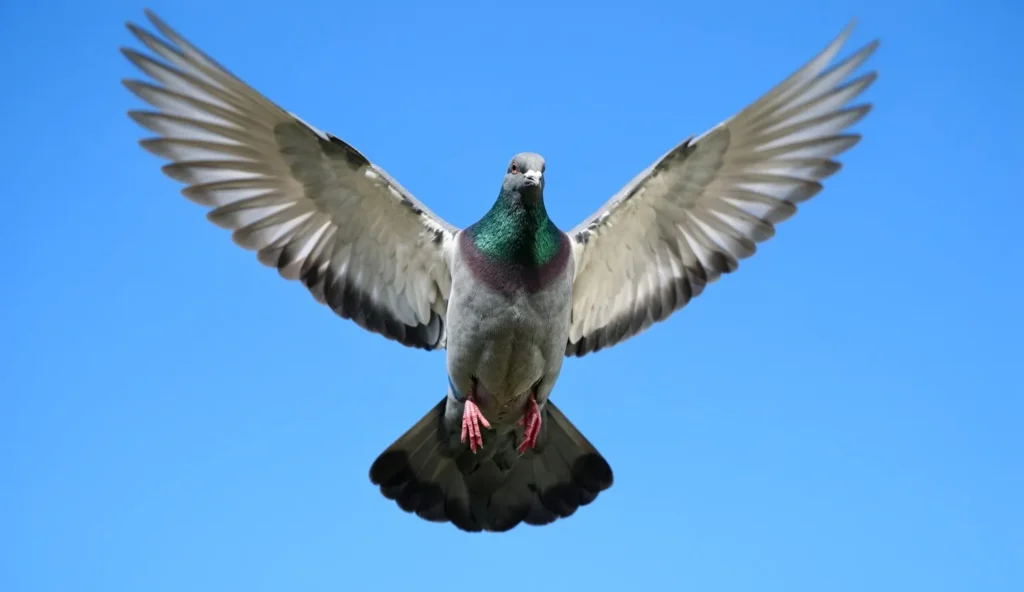
The Ice Pigeon is a distinctive fancy pigeon breed that originated in Germany. Its most remarkable feature is the blue-gray plumage that gives the bird a frosty, ice-like sheen on the neck and chest. This unique coloration has captivated pigeon fanciers for more than a century.
Breeders developed the Ice Pigeon specifically for its striking appearance rather than for utility. The breed remains relatively rare today, valued mainly by dedicated hobbyists who appreciate its calm demeanor and show-quality traits.
Understanding the ice pigeon history helps explain why this breed looks the way it does. The bird belongs to the group of color pigeons that were refined in the late 1800s in central Europe.
Ice Pigeon History and Origin
The Ice Pigeon traces its roots to Saxony, a region in eastern Germany. Fanciers there began selecting pigeons with unusually pale blue feathers during the late nineteenth century.
By the 1900s, the breed had become established as a distinct variety. It was first exhibited at poultry shows in Germany, where judges praised its clean, even coloration and compact body shape.
The breed gradually spread to other European countries and later to North America. Today it holds recognition from major pigeon standards such as the National Pigeon Association in the United States.
Interestingly, the Ice Pigeon shares some ancestral lines with other fancy breeds like the frillback pigeon, though breeders focused on color rather than feather structure.
Ice Pigeon Appearance and Physical Features
Plumage Color and Sheen
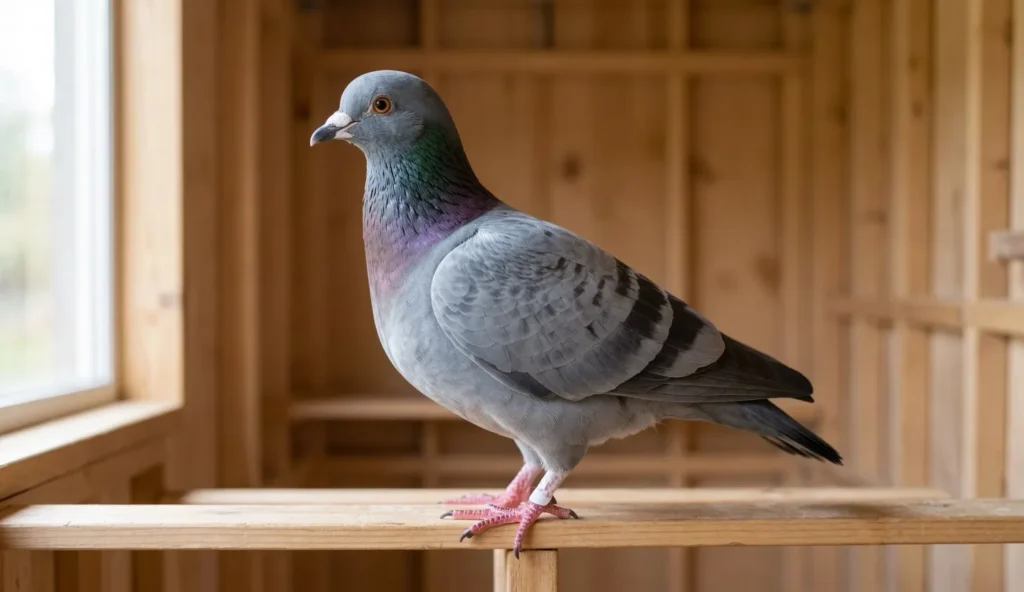
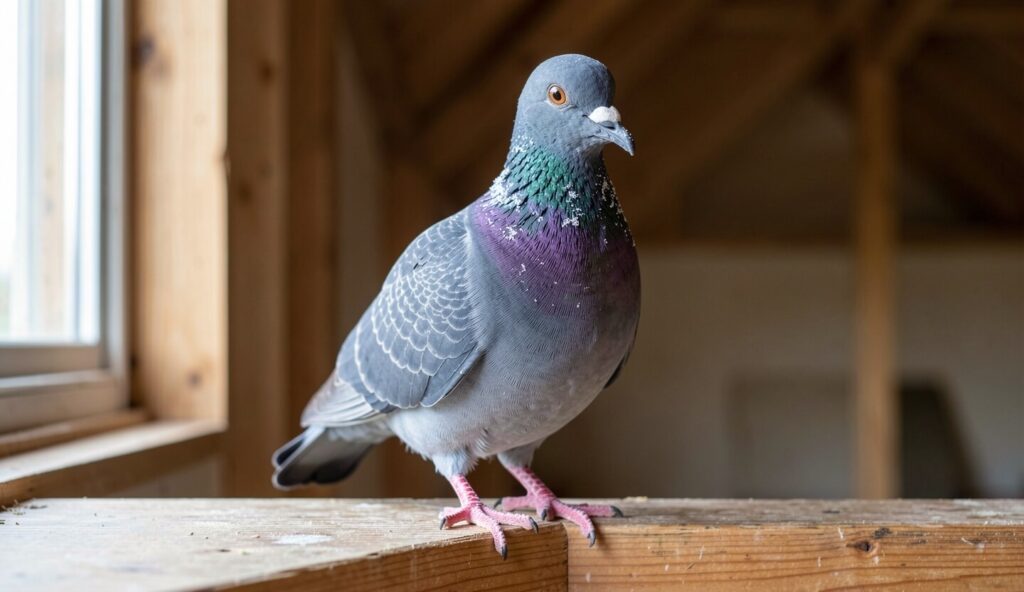
The most defining trait of an Ice Pigeon is its blue-gray base color. The feathers appear almost powder-blue on the body, while the neck and chest display a frosty, silver-white iridescence.
This shimmering effect resembles ice catching morning light, which is how the breed earned its name. The sheen results from the microscopic structure of the feather barbules that reflect certain wavelengths.
Feathers lie flat against the body, creating a sleek, tidy silhouette. The wings and tail are typically a slightly deeper blue-gray than the body.
Body Structure and Size
The Ice Pigeon is a medium-sized pigeon with a compact, well-balanced body. Adults typically weigh between 350 and 450 grams.
Key physical traits include:
- Round, broad head with a short, stout beak
- Medium-length neck that blends smoothly into the chest
- Strong, well-muscled wings that fold snugly
- Tail of moderate length, carried slightly above the horizontal
- Clean legs with no feathering
The overall impression is that of a sturdy, alert bird with an elegant posture. Both sexes appear similar, though males often have a slightly larger head and more robust body.
Ice Pigeon Temperament and Personality
Ice Pigeons are known for their calm and gentle nature. They are not overly skittish and adapt well to handling by their owners.
These pigeons get along peacefully with other breeds in a mixed loft. They rarely show aggression toward flockmates or humans, making them suitable for beginners and families with older children.
Birds that receive regular interaction from a young age become quite tame. They will often eat from the hand and perch quietly on a handler’s arm. Their quiet cooing and steady disposition add to their appeal as pet pigeons.
When comparing temperament with other fancy breeds such as the jacobin pigeon, the Ice Pigeon is less nervous and easier to manage.
Ice Pigeon Care Tips
Housing Requirements
Ice Pigeons need a spacious, well-ventilated loft or aviary. A minimum of 2 square meters (about 21 square feet) per pair allows them to stretch wings and exercise.
Essential housing features include:
- Solid perches placed at different heights
- Secure nesting boxes with soft bedding
- Draft-free construction with good airflow
- Protection from rain, snow, and extreme heat
- Predator-proof mesh on windows and doors
Clean the loft weekly to prevent ammonia buildup from droppings. Replace bedding as needed and disinfect waterers and feeders regularly.
Diet and Nutrition
A high-quality pigeon seed mix forms the base of a healthy diet. Look for blends containing millet, wheat, barley, peas, and corn.
Supplemental items for ice pigeon care include:
- Grit for digestion (crushed oyster shell or granite chips)
- Calcium blocks or cuttlebone for egg-laying hens
- Fresh greens like spinach or lettuce two to three times a week
- Clean water changed daily
Do not overfeed. An adult Ice Pigeon needs about 30 grams of feed per day. Monitor body condition to adjust portions.
Grooming and Hygiene
Ice Pigeons are naturally clean birds. They maintain their feathers through regular preening and bathing.
Provide a shallow water bath at least twice a week. Misting with a spray bottle also helps keep feathers in top condition. Check the vent area monthly for signs of matting or parasites.
Inspect the loft for feather mites or lice. If an infestation occurs, treat with a pigeon-safe powder and clean all surfaces thoroughly. Quarantine new birds before introducing them to an existing flock to prevent disease spread.
Common Health Issues
Like all domestic pigeons, Ice Pigeons can develop certain health problems. The most common issues include:
- Respiratory infections – often caused by drafts or poor ventilation
- Coccidiosis – a parasitic infection from contaminated droppings
- Feather plucking – usually linked to stress, boredom, or nutritional deficiency
- Worm infestations – preventable with regular fecal checks
Early signs of illness include lethargy, ruffled feathers, loss of appetite, and abnormal droppings. Consult a veterinarian experienced with birds if symptoms appear. A bi-annual health check is recommended for breeding stock.
Is an Ice Pigeon Right for You
Ice Pigeons suit enthusiasts who value appearance and temperament over high-flying ability. They are excellent show birds and make satisfying pets for those willing to provide proper housing and regular care.
Beginners may find this breed easier to manage than some high-energy tumbler pigeons. The calm personality and moderate activity level mean a standard loft with daily cleaning and feeding is sufficient.
However, anyone considering an Ice Pigeon should have a secure outdoor aviary and time for daily interaction. These birds do not tolerate confinement in small cages well.
If you appreciate the unique aesthetics of rare pigeon breeds such as the fantail pigeon or the lahore pigeon, the Ice Pigeon offers something visually distinct without the demanding care requirements.
Final Note on Ice Pigeons
The Ice Pigeon remains a treasured breed among pigeon fanciers because of its beautiful blue-gray plumage and frosty sheen. It combines striking looks with a gentle, easygoing personality that suits most keepers.
With proper care and a safe loft, an Ice Pigeon can be a long-lived, rewarding companion for many years.
Frequently Asked Questions
How rare is the Ice Pigeon breed?
It is considered a rare breed and is primarily kept by dedicated fanciers rather than common backyard flocks.
What is the average lifespan of an Ice Pigeon?
With proper care, an Ice Pigeon typically lives 10 to 15 years.
Do Ice Pigeons get along with other pigeons?
Yes, they are generally social and non-aggressive toward other pigeon breeds.
What is the best diet for an Ice Pigeon?
A high-quality seed mix with added grit and minerals forms the best diet for an Ice Pigeon.
Can Ice Pigeons fly freely outdoors?
They are good fliers but need a secure loft for safety from predators and weather.