What Is a Sahiwal Cattle
The Sahiwal cattle is a premier dairy zebu breed that originated in the Punjab region of Pakistan and India. These animals are among the most heat-tolerant and productive dairy breeds in tropical climates. Smallholder farmers and dairy enthusiasts value Sahiwal cattle for their high-butterfat milk and gentle temperament.
Origins in Pakistan and India
The breed developed in the Sahiwal district of Punjab, Pakistan, and across the border in Indian Punjab. It is considered the best dairy breed among zebu cattle due to centuries of selective breeding for milk production in hot, dry environments. Other Pakistani cattle breeds, such as the Dajal Cow, are known for endurance, but Sahiwal excels in milk yield.
Why Sahiwal Cattle Are Valued
Sahiwal cows produce high-butterfat milk, typically 4.5% to 5.5%, which is ideal for ghee and cheese. They are extremely heat-tolerant and resistant to many tropical diseases. This makes them a popular choice among smallholder farmers in South Asia and increasingly in other warm regions.
Physical Appearance and Characteristics
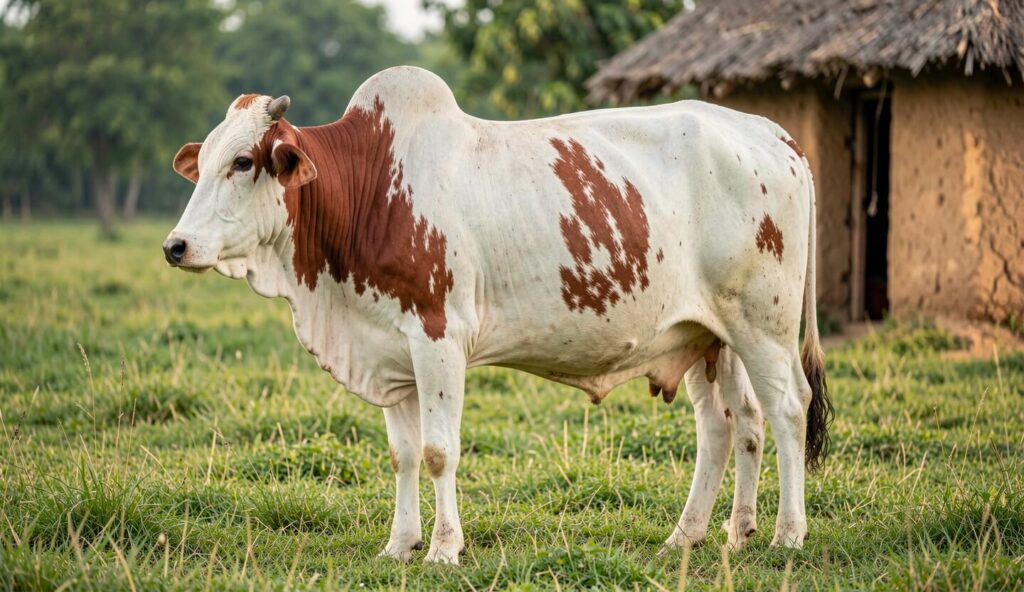
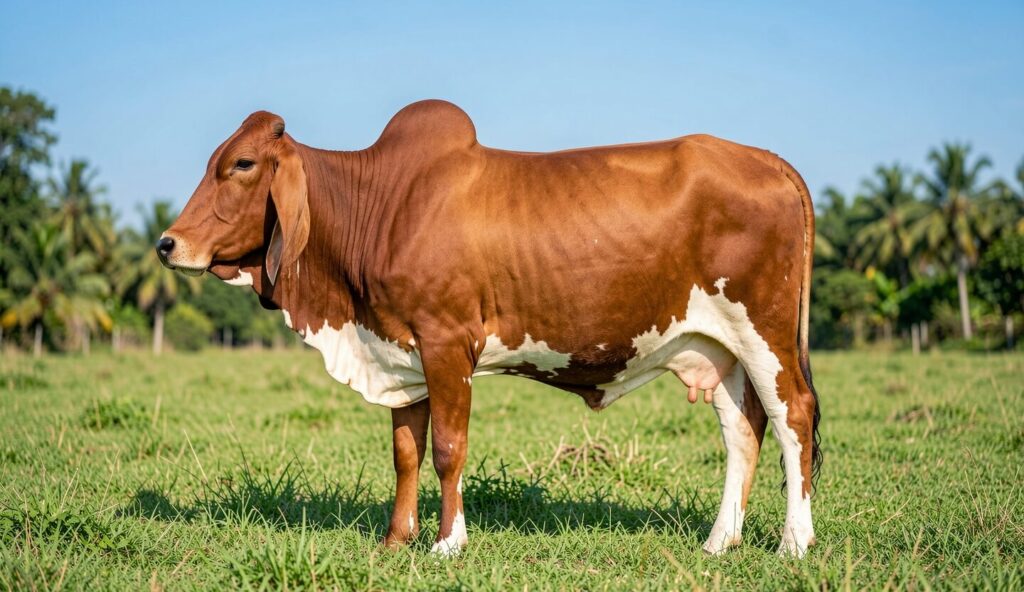
Sahiwal cattle have a distinctive look that sets them apart from other zebu breeds. Their coat is short, sleek, and shiny, helping to reflect sunlight. The body is compact but well-muscled, with a prominent hump and long drooping ears.
Coat Color and Markings
The color ranges from reddish brown to dark red, often with white patches on the forehead, dewlap, or legs. Females are generally lighter in color than males. This coloration provides natural camouflage in their native scrublands.
Body Size and Conformation
Mature cows weigh 400 to 500 kg, while bulls range from 500 to 600 kg. They have a deep, broad chest and well-developed udders in females. A loose, pendulous dewlap and a prominent hump over the shoulders are classic zebu traits.
Distinctive Zebu Features
Long, drooping ears help regulate body temperature by increasing surface area. Males carry large, forward-curving horns, while females have smaller horns. The hump on the back of the neck is a fat reserve that supports survival during dry seasons.
Milk Production and Quality
The Sahiwal cow is the top dairy performer among zebu breeds. Its milk is prized for both quantity and richness. The breed offers a sustainable option for tropical dairy farming.
Average Milk Yield
Lactation yield ranges from 1,500 to 3,000 kg per year. Peak production occurs after the third or fourth calving. Yield is lower than Holstein but far superior in fat content.
Butterfat and Protein Content
Butterfat averages 4.5% to 5.5%, and protein content is around 3.5%. This makes the milk excellent for ghee, butter, and high-quality yogurt. Compared to buffalo breeds like the Murrah Buffalo, Sahiwal milk has a slightly lower fat percentage but is still highly valued.
Lactation Duration and Calving Interval
The lactation period lasts 250 to 300 days. Calving interval is typically 12 to 14 months. A Sahiwal cow can remain productive for 10 to 12 lactations, offering long-term value.
Temperament and Handling
Sahiwal cattle are known for a calm, gentle temperament, especially females. Bulls can be more aggressive, particularly during breeding season. With proper training and consistent routines, they are easy to handle.
General Disposition
Females are docile and rarely show aggression. Bulls require experienced handlers due to potential aggression. This breed responds well to low-stress techniques similar to those used with the Brahman Cow.
Bonding and Social Behavior
Cows form strong maternal bonds with calves. They are herd animals that prefer to live in groups. Sahiwal cattle recognize individual handlers and respond to calm voices.
Tips for Stress-Free Handling
Use slow movements and quiet voices to avoid startling the animals. Provide a familiar environment with shade and water. Avoid sudden changes in routine to reduce anxiety.
Housing and Management
Proper housing is essential for maintaining health and productivity. Sahiwal cattle tolerate heat well but still need protection from extreme sun and rain. A well-ventilated shed with dry flooring is the minimum requirement.
Shelter and Space Requirements
Provide a shed with good ventilation and shade to protect from direct sun. Flooring should be dry and non-slip, with proper drainage. Allow at least 5 to 6 square meters per adult animal in a confined area.
Pasture and Grazing
These cattle thrive on native grasses and crop residues. Rotational grazing helps maintain pasture quality. During dry seasons, supplement with hay or silage.
Heat Stress Management
Even though Sahiwal are heat-tolerant, they still need access to shade and cool water. Provide wallows or sprinklers in extreme heat. Feed during cooler hours to maintain appetite.
Diet and Nutrition
A balanced diet supports milk production and overall health. Sahiwal cattle efficiently convert low-quality forage into milk. Their nutritional needs are similar to other tropical dairy breeds.
Forage and Roughage
Good quality hay, silage, or fresh grass forms the base of the diet. Alfalfa and berseem clover are excellent legume options. Feed 2% to 3% of body weight in dry matter per day.
Concentrates and Supplements
Grains like corn, barley, or wheat bran provide energy. Protein supplements such as cottonseed cake or soybean meal support milk production. Mineral licks with salt, calcium, and phosphorus are essential.
Water Requirements
Daily water intake ranges from 30 to 50 liters per cow. Increase during hot weather and lactation. Clean, fresh water must be available at all times.
Common Health Issues
Sahiwal cattle are hardy but still face health challenges. Preventive care and regular monitoring keep them healthy. Common issues include parasites, respiratory conditions, and reproductive problems.
Parasitic Infections
Internal parasites like roundworms can reduce growth and milk yield. External parasites include ticks and mites that cause skin irritation. Regular deworming and tick control programs are necessary.
Respiratory and Digestive Conditions
Pneumonia may occur in damp, poorly ventilated shelters. Bloat and diarrhea result from sudden diet changes or poor-quality feed. Vaccinate against common diseases like foot-and-mouth and blackleg.
Reproductive Issues
Mastitis is a concern in high-producing cows, requiring clean milking practices. Dystocia (difficult calving) is rare but can occur in first-time heifers. Maintain proper nutrition to support normal reproduction, similar to management practices for the Jafarabadi Buffalo.
Is Sahiwal Cattle Right for You
This breed suits dairy enthusiasts and farmers in warm climates. They offer a rare combination of heat tolerance, high-butterfat milk, and manageable temperament. However, potential owners should consider the breed’s moderate milk yield and specific care needs.
Ideal for Tropical Climates
Sahiwal cattle excel in regions with hot summers and limited cooling systems. They thrive on low-quality forage and require less grain than European breeds. This makes them ideal for smallholder farms in South Asia, Africa, and Latin America.
Challenges to Consider
Milk yield per lactation is moderate compared to Holsteins. Bulls can be aggressive and need secure fencing. The breed is rare outside its native range, so availability of purebred stock is limited.
Best Uses and Final Recommendation
Sahiwal cattle are perfect for sustainable dairy production with high-butterfat milk. They are also excellent for crossbreeding to improve heat tolerance in other dairy lines. For dedicated dairy enthusiasts in warm climates, this breed offers a rewarding experience, much like the Cholistani Cattle which are similarly adapted to harsh environments.
Frequently Asked Questions
What makes Sahiwal cattle different from other zebu breeds?
Sahiwal cattle produce the highest milk yield among zebu breeds. They have exceptional heat tolerance and resistance to tropical diseases.
How much milk does a Sahiwal cow produce per day?
A Sahiwal cow typically gives 6 to 10 liters of milk per day. Milk yield varies with lactation number and feeding quality.
Are Sahiwal cattle easy to handle for beginners?
Females are generally calm and easy to handle with routine training. Bulls require experienced handling due to potential aggression.
What is the lifespan of a Sahiwal cow?
Sahiwal cows can live 15 to 20 years under good management. They remain productive for 10 to 12 lactations.
Can Sahiwal cattle survive in cold climates?
Sahiwal cattle are adapted to hot, dry climates and may struggle in cold, wet conditions. They need shelter and extra feed if kept in cooler regions.
Where can I buy purebred Sahiwal cattle?
Purebred Sahiwal cattle are primarily available in Pakistan and India. Look for registered breeders from agricultural universities or livestock departments.
Final Note
Keeping Sahiwal cattle requires commitment to their unique needs, but the rewards of rich milk and hardy nature make them a standout choice. With proper care, these animals can thrive and provide excellent dairy output for years.