What Is a Fleckvieh Cattle
Fleckvieh cattle are a German dual-purpose breed developed from the Simmental line through selective breeding for both milk and meat. Originating in Bavaria and surrounding regions, this breed has become one of the most popular German cattle for small farms and commercial operations alike. The name Fleckvieh translates to “spotted cattle,” referencing their distinctive red and white coat.
Unlike some Simmental strains that lean heavily toward dairy or beef, Fleckvieh cattle maintain a balanced production profile. German breeders standardized this population over the last century to excel in both milk yield and carcass quality. As a result, the breed now plays a central role in the livestock industry of southern Germany and neighboring countries.
For those seeking a calm, efficient, and adaptable bovine, Fleckvieh cattle offer a practical choice. Their gentle temperament and moderate size also make them suitable as a pet cow for homesteads with adequate pasture. Similar dual-purpose breeds exist in other regions, such as the French Montbéliarde cattle, but Fleckvieh has its own distinct breeding history.
Fleckvieh Cattle Appearance and Color Patterns
Coat Color and Markings
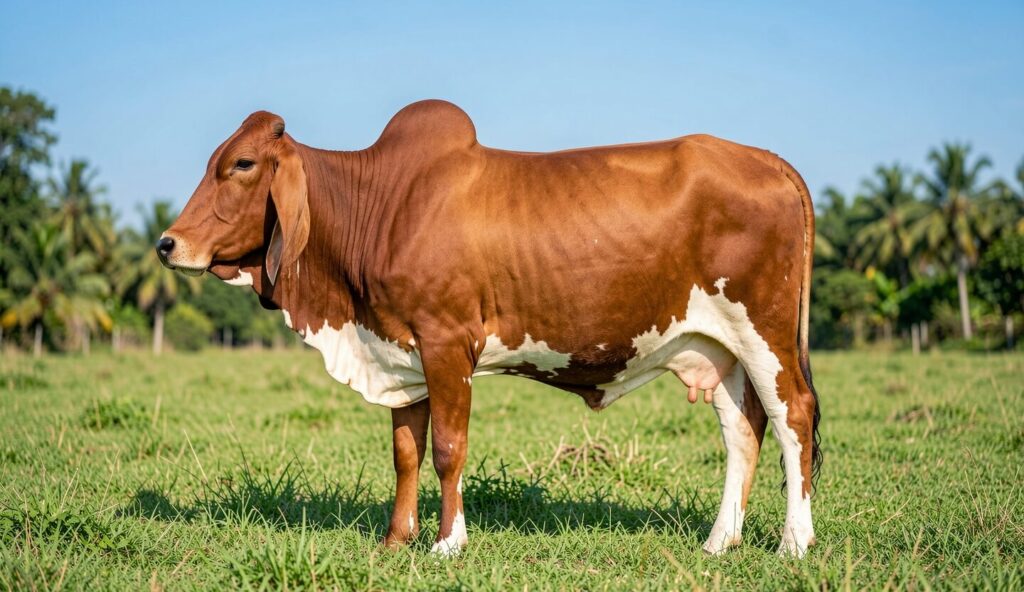
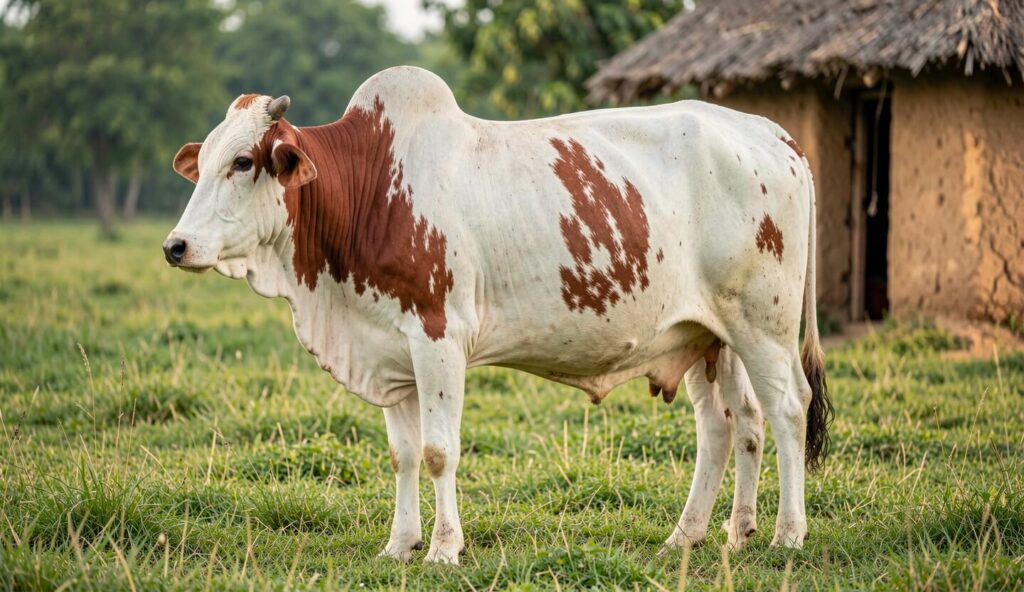
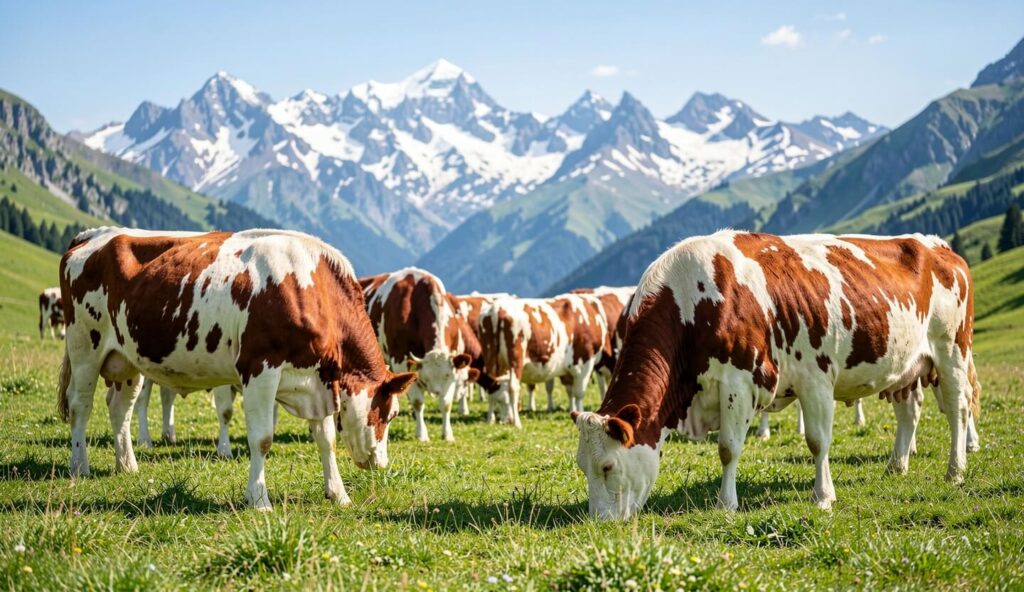
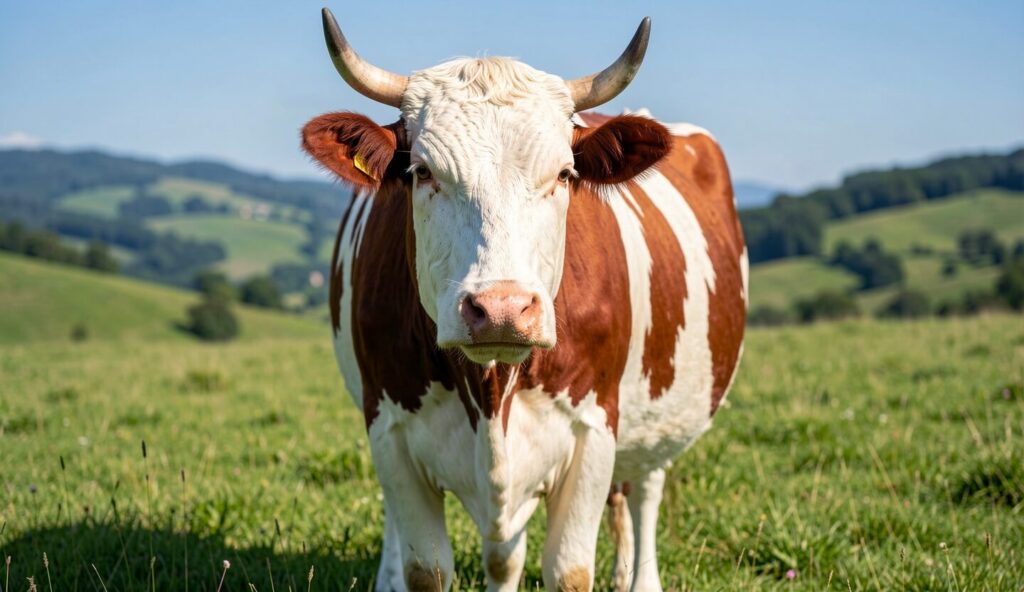
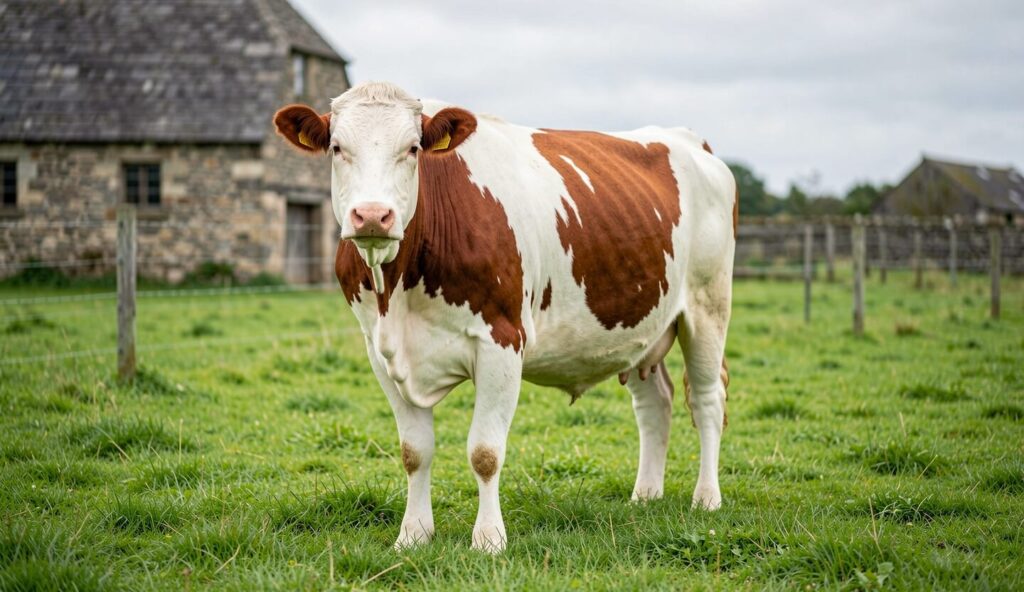
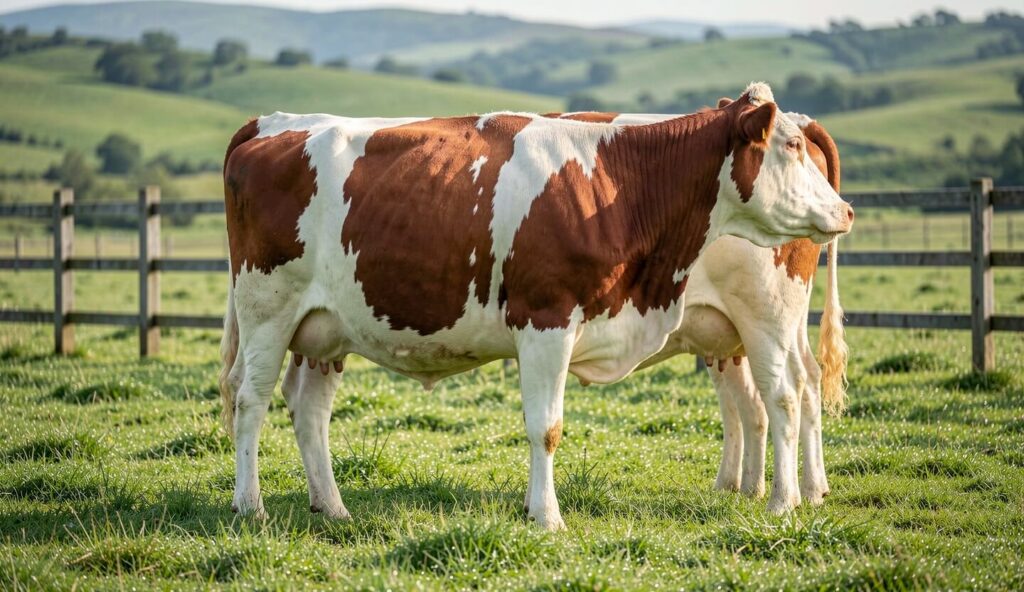
The most recognizable feature of Fleckvieh cattle is their striking red and white coat. Patches appear in irregular patterns across the body, with no two animals looking exactly alike. White faces and white legs are common, though some individuals display more red than white.
- Red and white patches with no set pattern
- White face and legs are frequent traits
- Thick, strong hide with dense hair in winter
The coat adapts well to cold climates, providing insulation during harsh winters. In summer, the lighter color helps reflect sunlight, reducing heat stress. This natural resilience is one reason Fleckvieh cattle thrive in temperate regions.
Body Structure and Size
Fleckvieh cattle possess a large, muscular frame built for both milk production and beef yield. Mature cows typically weigh between 650 and 750 kg, while bulls can reach 1000 to 1200 kg. The breed features a deep chest, a strong back, and well-developed hindquarters.
Females display a capacious udder with good attachment, essential for high milk output. The legs are sturdy and placed correctly, supporting the animal’s weight over many years. These physical traits make Fleckvieh cattle efficient converters of forage into valuable products.
Fleckvieh Temperament and Behavior
Fleckvieh cattle are known for their calm and docile nature, making them a favorite among farmers and pet owners. Unlike some excitable breeds, these animals handle routine handling with ease. Beginners often find them less intimidating than other large cattle.
Their intelligence allows them to learn routines quickly, whether for milking, grazing rotation, or veterinary checks. Social hierarchy within the herd remains stable, reducing stress-related health issues. As a dual-purpose breed, they balance productivity with a manageable demeanor.
For anyone considering a pet cow, Fleckvieh cattle rank high on the list of suitable candidates. Their gentle disposition resembles that of Red Poll cattle, another breed prized for its calm temperament. With consistent positive interaction, a Fleckvieh cow can become a trustworthy companion.
Dual-Purpose Milk and Meat Production
Milk Production and Butterfat Content
Fleckvieh cows produce an average of 7,000 to 8,000 kg of milk per lactation, with premium herds reaching higher figures. The milk is rich in butterfat (4.0-4.2%) and protein (3.4-3.6%), making it ideal for cheese and yogurt production. This composition gives farmers a premium market for their dairy output.
Lactation peaks at around 25 to 30 litres per day. The udder shape and teat placement support efficient milking, whether by hand or machine. Consistent feeding and proper health care sustain these yields over multiple lactations.
Meat Quality and Carcass Traits
Fleckvieh cattle also excel in beef production, with a high dressing percentage of 58-62%. The meat is well-marbled, tender, and flavorful, appealing to both butchers and consumers. Calves raised on grass can reach 350-400 kg at 18 months, demonstrating efficient growth.
The breed’s dual-purpose nature means farmers do not have to choose between milk and meat. Both outputs benefit from the same robust genetics. In comparison, Normande cattle in France offer similar versatility, but Fleckvieh cattle have been selected specifically for the balanced German market.
Caring for Fleckvieh Cattle
Housing and Fencing
Fleckvieh cattle require sturdy fencing at least 1.5 meters high, using barbed wire or electric strands. Shelter from wind and rain is essential year-round, especially during calving and winter months. A well-bedded area with dry straw allows the animals to rest comfortably.
Housing should provide adequate ventilation without drafts. Space per animal depends on the system, but minimum recommendations are 10-15 square meters indoors and at least one acre of pasture per cow. Good drainage prevents muddy conditions that lead to foot problems.
Feeding and Nutrition
High-quality grass hay or pasture forms the foundation of the diet. During lactation and winter, supplement with grain or silage to meet energy demands. A mineral block containing salt and trace elements is critical for overall health.
- Main forage: grass hay or rotated pasture
- Supplements: grain or corn silage as needed
- Minerals: free-choice block with selenium and copper
Fresh water must always be available. Overfeeding grain can lead to acidosis, so rations should be balanced by a nutritionist. Like other European dual-purpose breeds, Fleckvieh cattle convert forage efficiently when managed properly.
Health Care and Vaccinations
Routine vaccinations protect against bovine viral diarrhea (BVD), infectious bovine rhinotracheitis (IBR), blackleg, and clostridial diseases. Deworming every three to four months based on fecal testing keeps internal parasites under control. Hoof trimming twice a year prevents overgrowth and lameness.
A relationship with a veterinarian who understands German cattle breeds is advisable. Regular health checks catch issues early, reducing treatment costs. The hardiness of Fleckvieh cattle means they require less medical intervention than some specialized dairy breeds.
Common Health Issues in Fleckvieh Cattle
Like all cattle, Fleckvieh cattle can face mastitis, lameness, bloat, and metabolic disorders such as milk fever. Mastitis prevention relies on clean bedding and proper milking hygiene. Lameness often stems from poor hoof care or wet floors.
Bloat occurs when animals consume too much lush legume pasture too quickly. Provide gradual access and a buffer like grass hay to reduce risk. Metabolic disorders, especially around calving, can be managed with proper nutrition and calcium supplementation. Overall, Fleckvieh cattle are robust, but attentive management prevents most common ailments.
Is Fleckvieh Cattle Right for You
Fleckvieh cattle suit small homesteads, family farms, and commercial operations that value balanced production. Their calm temperament makes them a strong candidate for a pet cow, provided the owner has at least one to two acres of pasture per animal. They adapt to temperate climates and tolerate cold well, but require shade in hot weather.
Beginners will appreciate the breed’s forgiving nature. Experienced keepers will value the dual-purpose efficiency. If you have space for a medium-sized bovine and want milk and meat from one animal, Fleckvieh cattle deserve consideration. For those with very limited land, Dexter cattle might be a smaller alternative, but Fleckvieh offers more output.
Final Note
Fleckvieh cattle represent a practical and gentle option for anyone interested in owning a dual-purpose breed. Their red and white beauty, along with reliable production, make them a rewarding addition to the right farm or homestead.
Frequently Asked Questions
Are Fleckvieh cattle good for beginners?
Yes, they are calm and easy to handle, adapting well to both pasture and confined systems.
How much milk does a Fleckvieh cow produce per day?
Peak lactation yields average 25-30 litres per day, with milk rich in butterfat and protein.
What is the difference between Fleckvieh and Simmental cattle?
Fleckvieh is a German selection of Simmental bred specifically for balanced milk and meat, while Simmental can vary by strain.
Can Fleckvieh cattle be kept as pets?
Yes, their gentle temperament makes them suitable as pet cows, requiring at least 1-2 acres of pasture per animal.
How long do Fleckvieh cattle live?
Average lifespan is 15-20 years with proper care; some cows remain productive past age 12.
What climate do Fleckvieh cattle prefer?
They adapt to temperate climates, tolerate cold well due to thick coat, but need shade in hot weather.