What Is a Gyr Cattle
Gyr cattle are a sacred zebu breed from India, known for their distinctive hump, long dewlap, and excellent dairy qualities. Originating in the Gir forest region of Gujarat, this breed is one of the oldest and most revered humped cattle in the world. Many livestock keepers seek Gyr cattle for their heat tolerance and disease resistance.
Origin and History of Gyr Cattle
The breed developed in the Gir forest region of Gujarat, India, over centuries of natural selection. It is one of the oldest known zebu breeds and has influenced many tropical dairy breeds worldwide. The Gyr cattle also share ancestral roots with other Indian breeds like the Brahman Cow, which is widely used in crossbreeding programs.
Early records show that Gyr cattle were prized for their ability to thrive in hot, humid conditions. Their genetic resilience made them a cornerstone of traditional Indian dairy farming. Today, they remain an important genetic resource for improving tropical livestock.
Sacred Significance in Indian Culture
In Hinduism, the cow is considered sacred, and Gyr cattle are especially venerated due to their ancient lineage and gentle nature. Indian laws protect these animals, and they often appear in religious ceremonies and temple processions. Many rural families keep a Gyr cow as a symbol of prosperity and devotion.
The breed’s sacred status also means that owners treat them with great respect. They are never slaughtered in many regions, and old or unproductive cows are often cared for in dedicated shelters. This cultural reverence has helped preserve the purebred population in India.
Physical Characteristics of Gyr Cattle
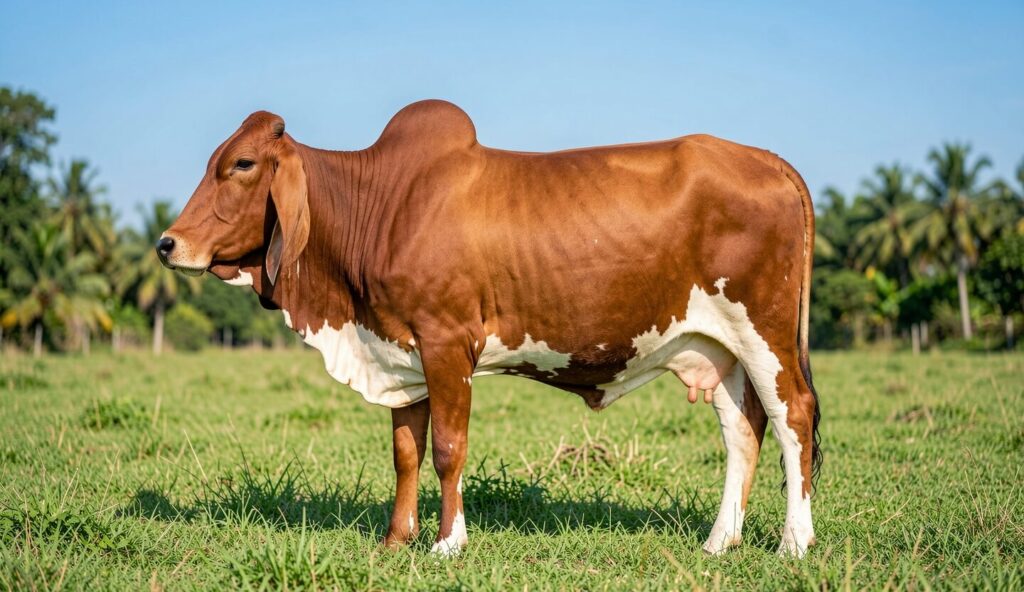
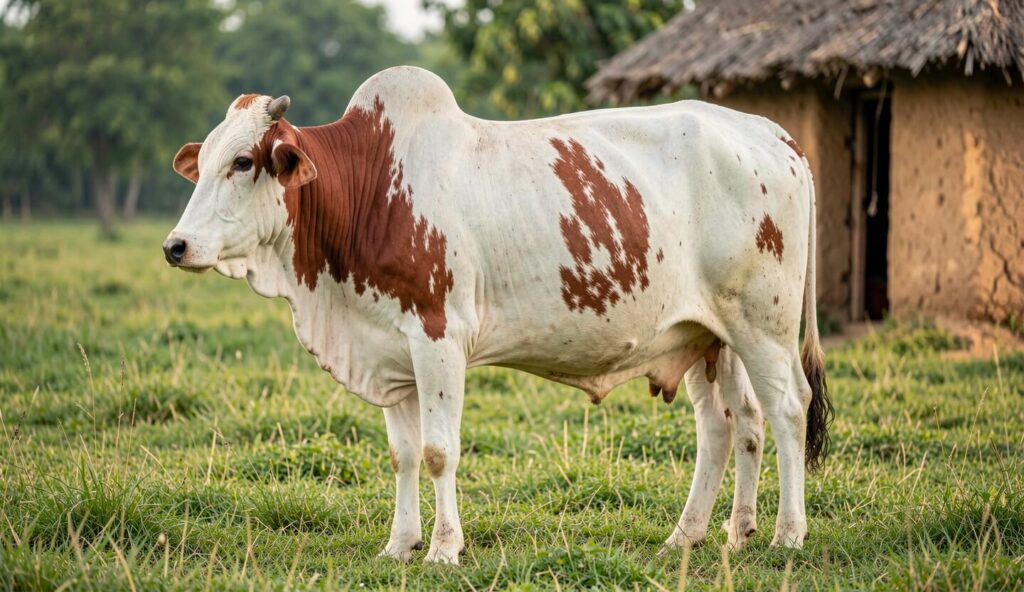
Gyr cattle have a striking appearance that sets them apart from other breeds. Their most notable features include a prominent thoracic hump, a long pendulous dewlap, and large drooping ears. These traits are adaptations to hot climates and are typical of Indian zebu cattle.
Body Shape and Size
Adult cows weigh between 400 and 550 kilograms, while bulls range from 600 to 800 kilograms. The body is medium to large, with a broad forehead and strong legs. The hump, composed of muscle and fat, sits over the shoulders and gives the breed its characteristic silhouette.
The dewlap hangs from the throat to the chest, and the ears are long and floppy, often reaching 30 centimeters. This loose skin helps with thermoregulation in high temperatures. Such physical traits make the Gyr cattle well-suited for tropical environments.
Coat Color and Patterns
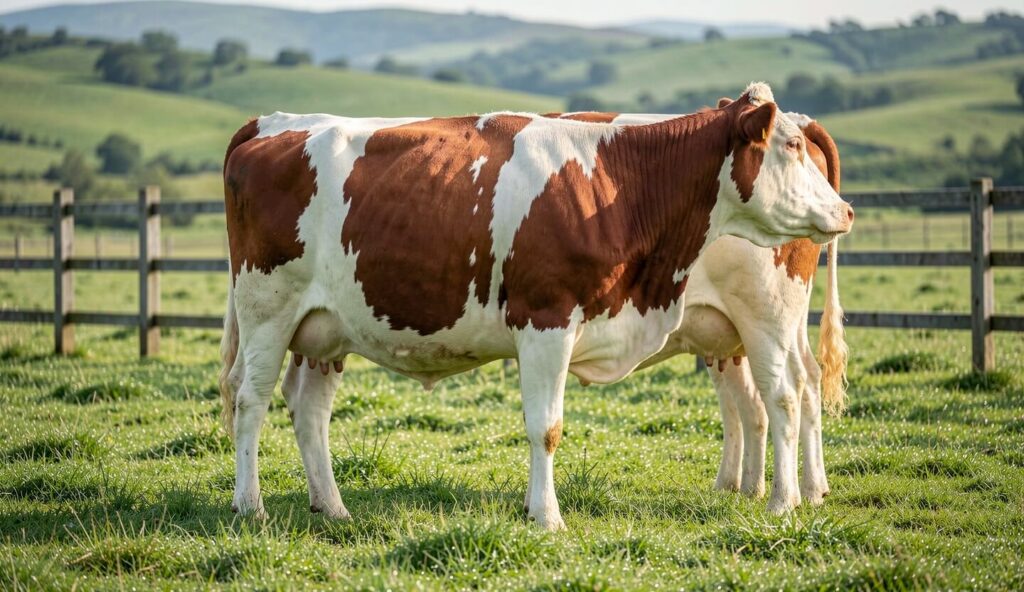
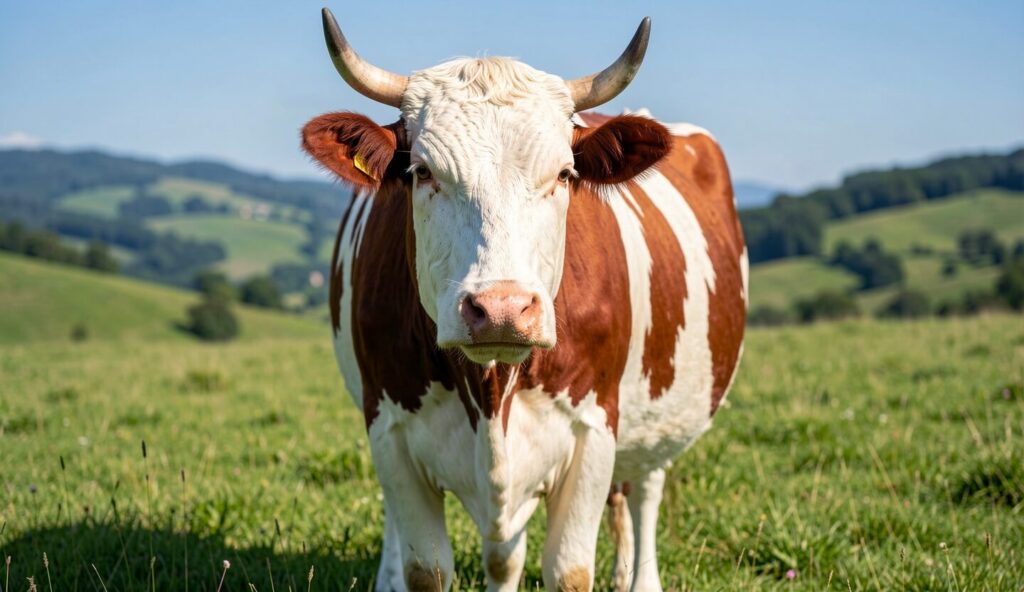
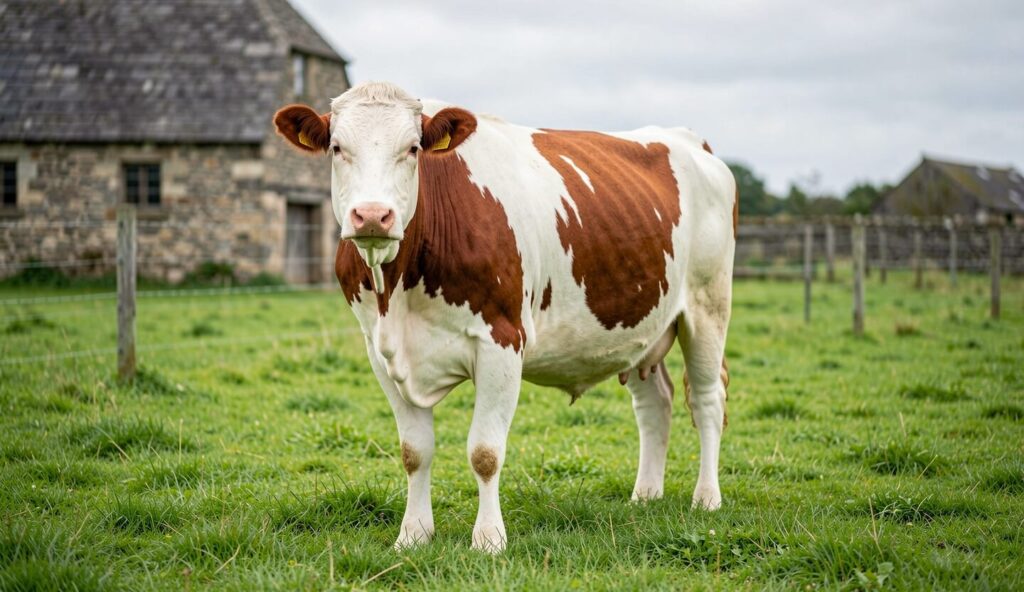
The coat can be white, red, black, or a mix of these colors. Many animals have white markings on the forehead and legs, giving a patchy appearance. The skin is pigmented and loose, which further aids heat tolerance and provides natural protection against sunburn.
Calves are often born with a lighter coat that darkens as they mature. Breeders appreciate the variety of patterns, though solid white or red-and-white are most common. The coat is short and smooth, requiring minimal grooming for show or management.
Temperament and Behavior
Gyr cattle are known for their calm and docile disposition when handled regularly. They form strong bonds with their caretakers and show protective instincts toward their calves. However, they are not aggressive toward humans and can be managed by experienced beginners.
General Disposition
These cattle are generally gentle and easy to work with if raised with consistent handling. They respond well to positive reinforcement and become accustomed to routines. Sudden movements or loud noises can startle them, so a quiet approach is recommended.
Mothers are attentive and will defend their young if necessary, but they rarely challenge handlers. This temperament makes Gyr cattle a good choice for small farms where family members interact closely with stock.
Social Structure in Herds
Gyr cattle live in stable social groups with a clear hierarchy. They establish rank through low-intensity interactions such as head pushing or occasional sparring. Familiar companions reduce stress, and removing an established animal can disrupt herd dynamics.
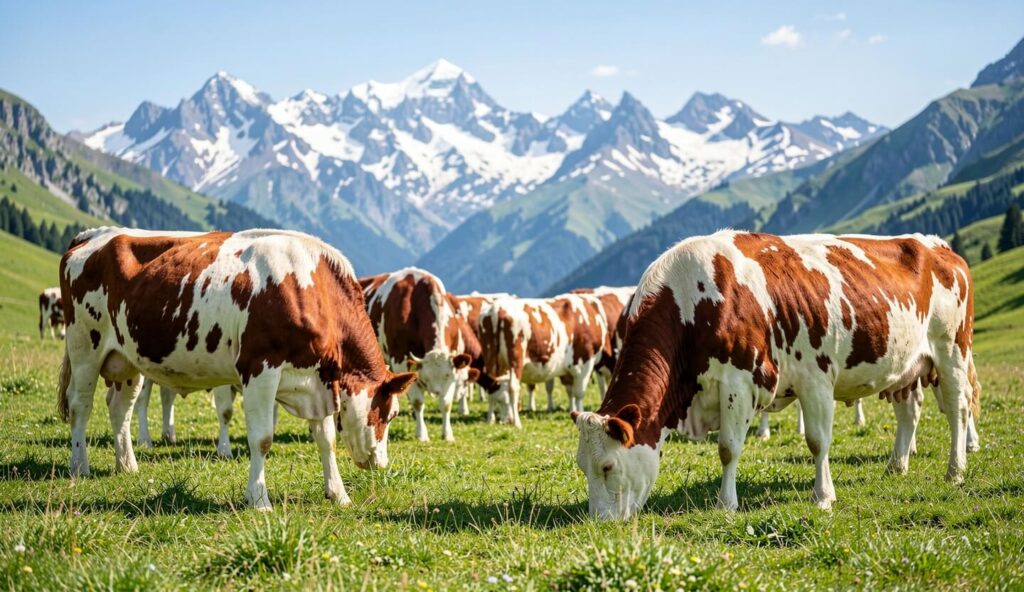
Pasture grazing in groups allows natural social behaviors and improves overall welfare. Owners should provide enough space to prevent competition for food and water. A calm herd is easier to manage and produces better milk yields.
Gyr Cattle as a Dairy Breed
Gyr cattle are primarily kept for their milk, which is rich in fat and protein. The average daily yield is 10 to 15 liters, with peak production reaching 20 liters in well-managed animals. This makes them a highly productive dairy breed in tropical conditions.
Milk Yield and Quality
The milk fat content ranges from 4.5% to 5.5%, which is excellent for butter and ghee production. Additionally, Gyr milk contains high levels of A2 beta-casein, a protein variant considered easier to digest for some people. The milk is also used in traditional Indian sweets and household products.
Lactation periods can last 250 to 300 days, with proper nutrition and health management. Farmers often supplement with concentrates to maintain peak yield. The breed’s efficiency in converting poor-quality forage into quality milk is well recognized.
Role in Tropical Dairy Breeding
Gyr cattle have been used extensively to improve heat tolerance and disease resistance in other dairy breeds. They are the foundation breed for the Girolando cow, a cross with Holstein that thrives in warm climates. Similarly, Brazilian breeders developed the Guzera from Gyr stock.
Their genetic contribution extends to breeds like the Madura cattle of Indonesia and the Dajal Cow of Pakistan. These crossbreeding programs aim to combine high milk yield with adaptability. The Gyr cattle remain a vital genetic resource for tropical dairy development.
Care and Management Needs
Proper care is essential to keep Gyr cattle healthy and productive. They require adequate shelter, regular handling, and attention to hygiene. Owners who provide these basics will find the breed relatively low-maintenance.
Housing Requirements
A well-ventilated shelter with shade from direct sun is crucial. The floor should be dry and bedded with straw or sand to prevent hoof rot. Each adult needs at least 15 to 20 square meters of covered space, plus an outdoor paddock for exercise.
Good drainage around the housing area reduces mud and parasite buildup. Fencing must be sturdy enough to contain a large animal. Social housing is recommended, as solitary confinement causes stress.
Handling and Taming Tips
Start gentle handling from calfhood to build trust. Use positive reinforcement, such as treats or scratches, during halter training. Avoid sudden movements or loud noises, and keep sessions short to prevent fatigue.
Consistency is key; the same person should handle the animal daily. Gyr cattle quickly learn to lead and stand for veterinary checks. Patience and calmness create a cooperative adult cow.
Grooming and Hygiene
Regular brushing removes dirt, loose hair, and external parasites. Check hooves monthly for overgrowth, cracks, or signs of infection. Clean water troughs daily to prevent algae and bacterial growth.
A clean environment reduces the risk of mastitis and skin diseases. Trim hooves every six to eight weeks if the cattle are not on abrasive surfaces. Good hygiene practices directly impact milk quality and overall health.
Diet and Nutrition for Gyr Cattle
A balanced diet supports growth, reproduction, and milk production. Gyr cattle are efficient foragers but need supplemental feed during lactation. Access to clean water at all times is non-negotiable.
Forage and Roughage
High-quality grasses, hay, or silage form the base of the diet. Legume forages like alfalfa provide extra protein for lactating cows. Each animal should consume 8 to 12 kilograms of dry matter per day, adjusted for body weight and production stage.
Pasture rotation helps maintain forage quality and reduces parasite load. Offer free-choice hay during dry seasons or when pasture growth is limited. Fiber is essential for rumen health and prevents acidosis.
Concentrates and Supplements
Lactating cows benefit from grain mixes at a rate of 1 kilogram per 2 to 3 liters of milk produced. Mineral blocks with salt and trace elements should be available at all times. Extra water is critical during hot weather to support milk synthesis.
Calves receive colostrum within the first six hours, then move to milk replacer or whole milk. Introduce starter grain slowly after two weeks of age. Proper nutrition from birth sets the foundation for a productive adult.
Common Health Issues in Gyr Cattle
Like all cattle, Gyr cattle are susceptible to certain health problems. Preventive care through vaccination, deworming, and nutrition reduces most risks. Timely veterinary intervention is essential when issues arise.
Parasitic Infections
Internal worms, including roundworms and flukes, are common in tropical climates. External parasites like ticks and lice cause irritation and transmit diseases. A regular deworming schedule every three months and seasonal dipping control these threats.
Keep pastures clean by rotating grazing areas and removing manure. Ticks can be managed with pour-on treatments or ear tags. Monitor the herd for weight loss, rough coat, or anemia as signs of parasitic burden.
Metabolic Disorders
Milk fever, or hypocalcemia, can occur in high-producing cows shortly after calving. Ketosis results from negative energy balance during peak lactation. Both conditions are prevented with balanced feeding, adequate calcium in the pre-calving diet, and gradual energy adjustments.
Provide a transition diet two weeks before calving to prepare the rumen. Monitor body condition scores and adjust feed accordingly. Early detection and treatment by a veterinarian improve recovery rates.
Is the Gyr Cattle Right for You
Deciding to keep Gyr cattle requires careful evaluation of resources and goals. They excel in warm climates and are ideal for small to medium farms. Their gentle nature makes them practical for families interested in dairy self-sufficiency.
Ideal Environments for Gyr Cattle
Gyr cattle thrive in tropical and subtropical regions with moderate rainfall. They need at least 0.5 hectare of pasture per adult cow for grazing and exercise. Owners must commit to daily care, including feeding, milking, and health checks.
Access to veterinary services and markets for milk or breeding stock is important. The breed adapts well to both intensive and extensive systems. Beginners with basic livestock handling knowledge can succeed with proper guidance.
Considerations for Rare Breed Keepers
Purebred Gyr cattle are scarce outside India, and importation may require legal permits. Enthusiasts interested in rare breeds can also explore the Miniature Zebu or the Selembu cattle of Bhutan. Joining breed societies supports conservation and provides networking opportunities.
Preserving the genetic diversity of Gyr cattle is important for future breeding programs. Owners who value tradition and biodiversity will find this breed especially rewarding. Follow local regulations and ensure adequate quarantine procedures for imported animals.
Frequently Asked Questions
What is the lifespan of Gyr cattle?
Gyr cattle typically live 15 to 20 years with good care and proper management.
Are Gyr cattle good for beginners?
Their docile temperament makes them suitable for beginners who have basic livestock handling knowledge.
How much land does one Gyr cow need?
At least 0.5 hectare of pasture per adult cow for grazing and exercise.
Can Gyr cattle be kept as pets?
Yes, they are gentle and can become companion animals, but require outdoor space and proper husbandry.
What is the difference between Gyr and Gir cattle?
Gyr and Gir are the same breed; Gyr is the international spelling while Gir is used locally in India.
Do Gyr cattle need special vaccines?
Standard cattle vaccines for foot-and-mouth disease, anthrax, and hemorrhagic septicemia are recommended.
A Final Note on Gyr Cattle
Gyr cattle offer a combination of cultural significance, hardiness, and dairy excellence that few breeds can match. With proper care, they reward their owners with rich milk and a calm presence. For those ready to commit to daily husbandry, this sacred zebu breed is a valuable addition to any tropical farm.