What Is a Selembu Cattle
Selembu cattle are a rare hybrid breed derived from the wild gayal, also known as mithun, and domestic zebu cattle. These animals originate from the eastern Himalayan foothills of India and Bhutan, where they have been used for generations as draft animals and milk producers. The breed stands out for its calm temperament, hardiness, and ability to thrive in mountainous terrain, making it an excellent choice for small farms in South Asia.
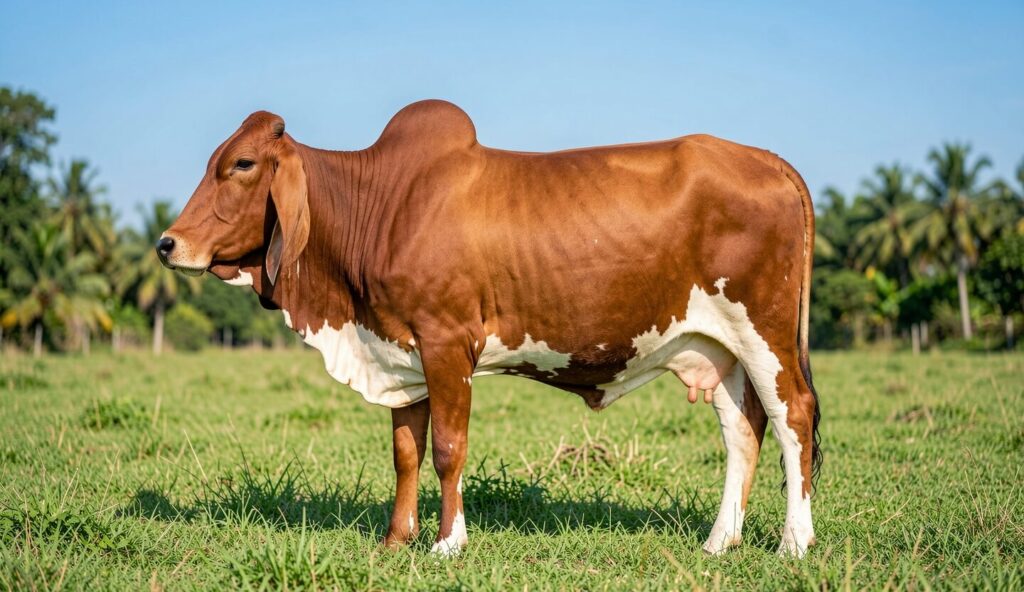
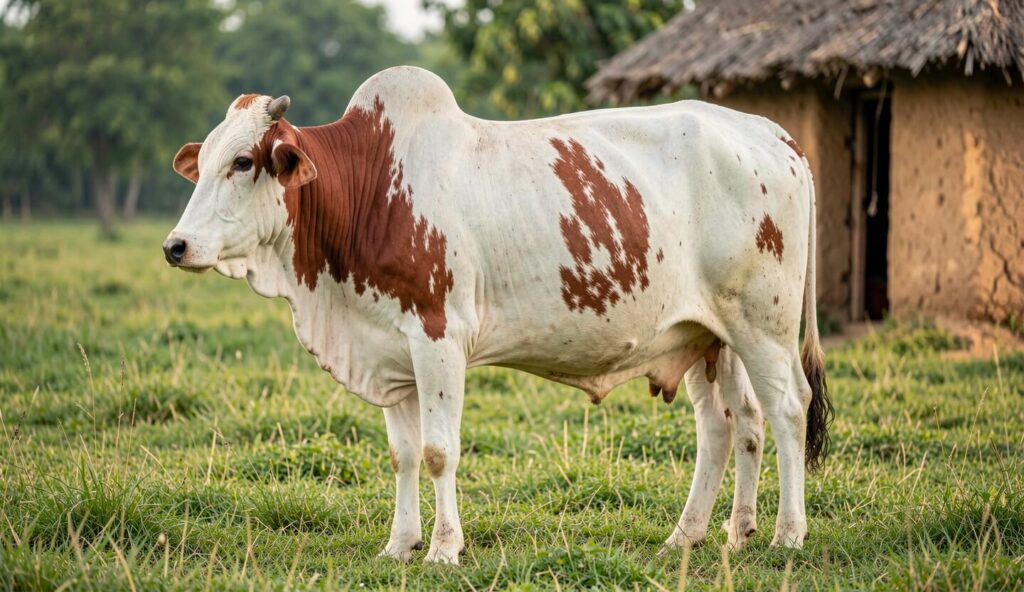
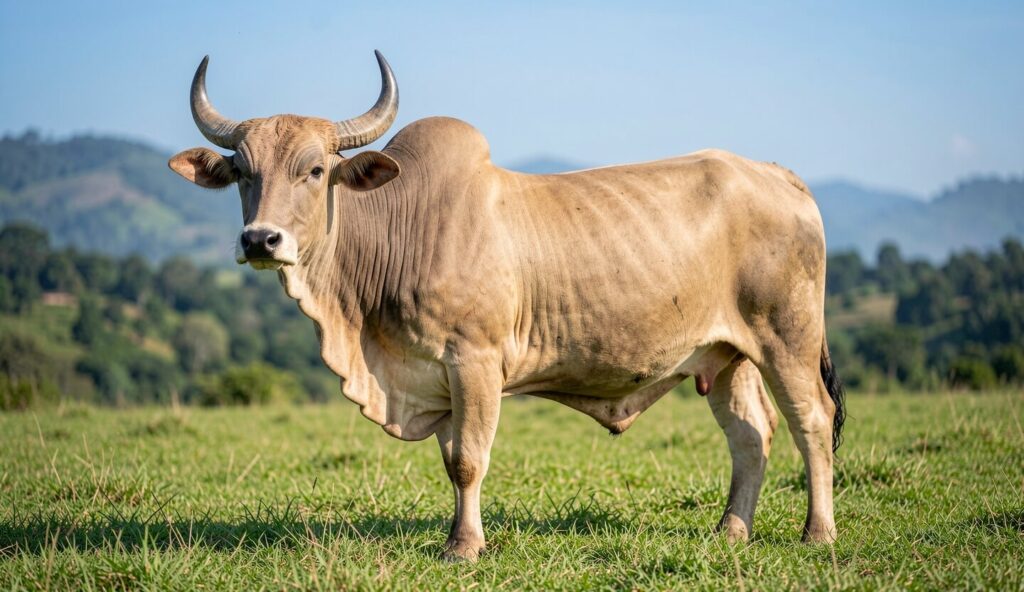
As a gayal hybrid, Selembu cattle carry a mix of traits that combine the strength of the wild mithun with the docility of domestic Indian cattle. This unique genetic background gives them a prominent hump, loose dewlap, and thick curved horns. Unlike pure zebu breeds, Selembu animals adapt well to steep slopes and humid conditions, which is why they remain popular among Bhutan livestock keepers.
Selembu cattle are considered one of the rare breeds of the region, with populations concentrated in Arunachal Pradesh, Assam, and eastern Bhutan. Their ability to produce rich milk and perform draft animal duties has sustained their presence for centuries. For those interested in preserving heritage livestock, this breed offers a practical and culturally significant option.
Appearance and Physical Features
Size and Weight
Mature bulls typically weigh 400 to 500 kilograms, while cows range from 300 to 400 kilograms. Shoulder height averages between 120 and 140 centimeters. These dimensions make Selembu cattle medium-sized compared to other Asian breeds.
Coat and Skin
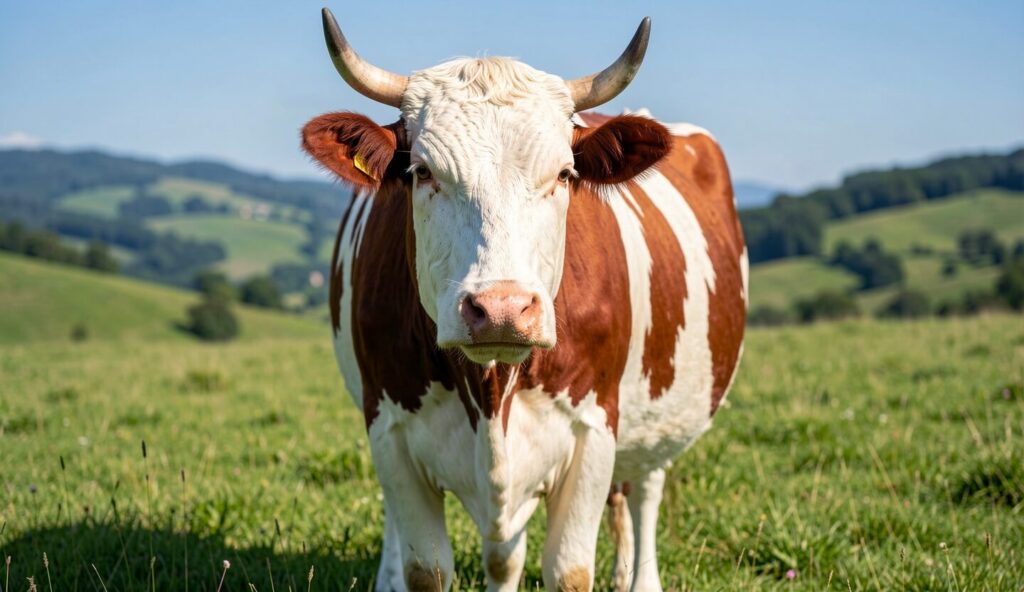
The coat is short and dense, providing protection against both sun and light rain. Common colors include black, brown, grey, and white patches. The breed features a loose dewlap and a prominent hump over the shoulders, a clear inheritance from the gayal ancestor.
Horns and Head
Selembu cattle possess thick, curved horns that sweep outward and upward. The forehead is broad, and the muzzle is often dark. These head characteristics help distinguish them from ordinary zebu cattle, along with a slightly heavier body frame.
Temperament and Personality
Selembu cattle are known for their calm and gentle disposition. Both cows and bulls show significantly less aggression than many other cattle breeds, which makes them easier to handle on a homestead. They respond well to regular human contact and tolerate confinement better than wild mithun.
This docile nature makes them suitable for families with children or novice livestock keepers. However, like all large animals, they require respectful handling and consistent routines. Their temperament is one of the main reasons rare breed enthusiasts seek out Selembu cattle for conservation and farming projects.
Exercise Requirements
Selembu cattle need ample space to roam and graze daily. A minimum of one to two acres of pasture per adult animal is recommended. Regular movement supports healthy digestion and prevents obesity, which is especially important for cows used in milk production.
Rotational grazing benefits both the herd and the land. Moving them to fresh pasture every few weeks reduces parasite loads and maintains forage quality. For draft work, light daily exercise through walking or pulling tasks keeps muscles toned without overexertion.
Training and Handling
Basic halter training should begin when the animal is young. Selembu calves learn to lead easily because of their naturally curious and calm temperament. Consistent, gentle handling builds trust and reduces stress during milking or veterinary procedures.
For draft work, training involves acclimating the animal to a yoke or harness and teaching verbal commands. The breed responds well to positive reinforcement methods. Most adult Selembu cattle can be trained for light plowing or cart pulling within a few weeks of consistent sessions.
Grooming and General Care
Hoof Care
Hooves require trimming every six to eight weeks to prevent cracks and infections. Wet or muddy conditions can soften hoof tissue, so keeping the housing area dry is essential. Inspect hooves regularly for signs of rot or overgrowth.
Vaccination and Health Checks
Annual veterinary inspections are necessary to monitor overall health. Vaccination against foot-and-mouth disease and brucellosis is standard in endemic regions. Deworming every three to four months helps control internal parasites, a common problem in humid climates where Selembu cattle are kept.
Diet and Nutrition
Pasture and Forage
Fresh grass or legumes form the main part of the diet. Adult animals need approximately 10 to 15 kilograms of green fodder daily. During dry seasons, supplement with hay or silage to maintain consistent nutrition.
Concentrates and Minerals
Grains such as maize or barley provide additional energy for lactating cows and working bulls. Mineral blocks with salt, calcium, and phosphorus should be available at all times. Clean drinking water must always be accessible, as Selembu cattle drink heavily, especially during hot weather.
Common Health Issues
Selembu cattle face several health challenges common to Indian cattle kept in humid regions. Parasitic infections, including liver flukes and intestinal worms, are prevalent. Tick-borne diseases like anaplasmosis also occur and require prompt treatment.
Laminitis can develop if the diet is too rich in concentrates or if the animal is confined on hard surfaces for long periods. Prevention relies on regular deworming, tick control, and providing a balanced forage-based diet. When kept under the same management as other rare breeds, Selembu cattle generally show strong resistance to local diseases.
Is Selembu Cattle Right for You
Selembu cattle are ideal for small-scale farmers who need a multipurpose animal for milk, draft work, and manure. Their calm nature suits novice owners, but space requirements mean they are not suitable for suburban backyards. A minimum of two acres of pasture and a sturdy shelter are essential.
For those interested in preserving heritage genetics, this breed offers a direct link to the wild gayal. However, for high-volume dairy production, more specialized breeds may be more efficient. Selembu cattle thrive in cooler, mountainous climates and may struggle in extreme heat without shade and ventilation.
Frequently Asked Questions
What is the origin of Selembu cattle?
Selembu cattle originate from the eastern Himalayan foothills of India and Bhutan. They are a hybrid between domestic zebu cattle and the wild gayal, also called mithun.
Are Selembu cattle good for milk production?
Yes, cows produce around five to eight liters of milk per day with a high fat content. The milk is commonly used for making butter and ghee in local communities.
How do Selembu cattle compare to regular cattle?
Selembu are hardier and more resistant to parasites than pure zebu breeds. They also have a calmer temperament and thrive in mountainous terrain.
Can Selembu cattle be kept as pets?
They can be kept as pets if given enough space and proper care. Their docile nature makes them suitable for small farms or homesteads.
What is the temperament of Selembu cattle?
They are known for being calm, gentle, and easy to handle. Both cows and bulls show less aggression than many other cattle breeds.
How much space do Selembu cattle need?
A minimum of one to two acres of pasture per adult animal is recommended. They require shelter from rain and strong sun but do well on hillsides.
Final Note
Selembu cattle represent a valuable piece of Himalayan livestock heritage, offering a rare combination of tractability, hardiness, and utility. With proper space and care, this hybrid breed can serve as a reliable partner on a small farm while helping preserve the genetic legacy of the gayal.