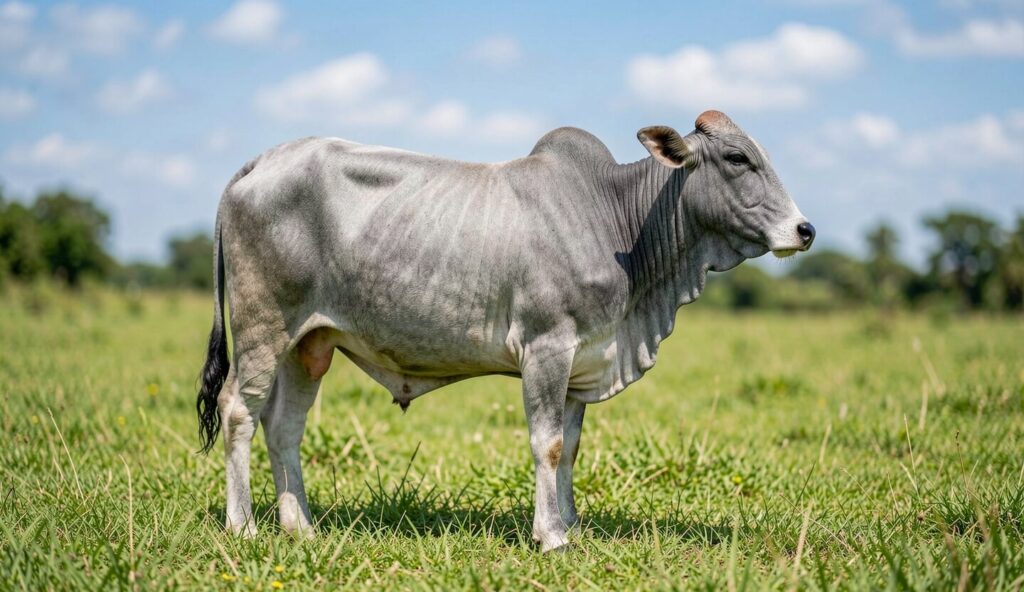
What Is a Miniature Zebu
The Miniature Zebu is a small, heat-tolerant breed of cattle that originated in South and Southeast Asia. As a member of the Bos indicus species, this miniature cattle thrives in tropical climates where other livestock struggle. Its compact size and gentle nature make it an increasingly popular choice for hobby farmers and pet owners.
Origin and History of the Breed
Miniature Zebu cattle descend from the larger Zebu cattle that have lived in India, Sri Lanka, and Southeast Asia for thousands of years. Selective breeding for smaller size produced the miniature version seen today. These animals were later exported to tropical regions around the world, including the Americas and Australia, where their heat tolerance was highly valued. Today, they are recognized as one of the smallest cattle breeds globally.
Why They Are Called a Tropical Breed
The Miniature Zebu is classified as a tropical breed because of its exceptional adaptation to hot and humid environments. Large ears and loose skin help dissipate body heat efficiently. They thrive in temperatures that would cause heat stress in other breeds, making them low-maintenance in warm weather. This trait is shared with other Bos indicus breeds like the Brahman Cow, which also handles heat well.
Appearance and Physical Features
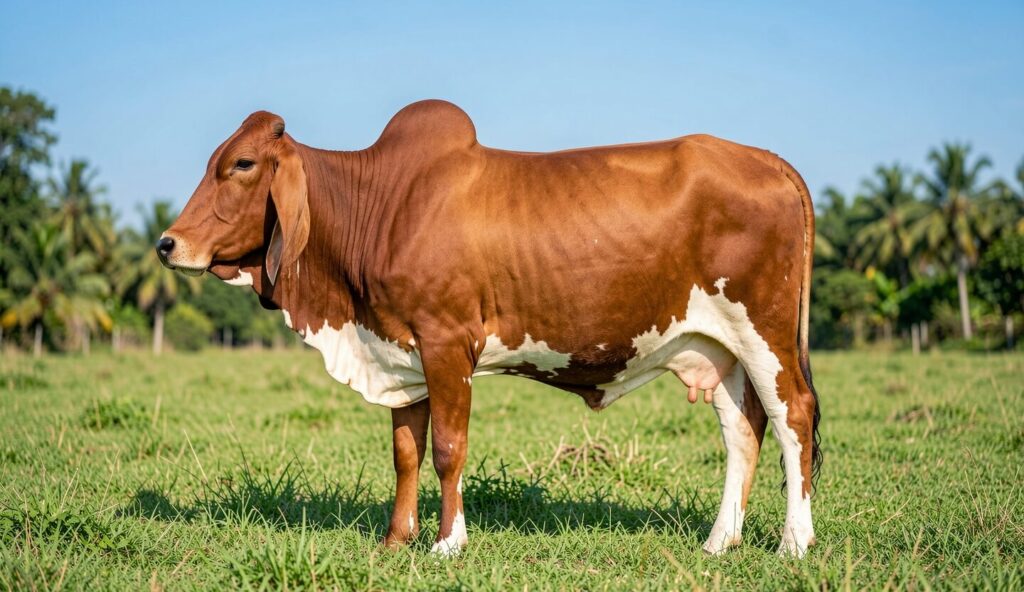
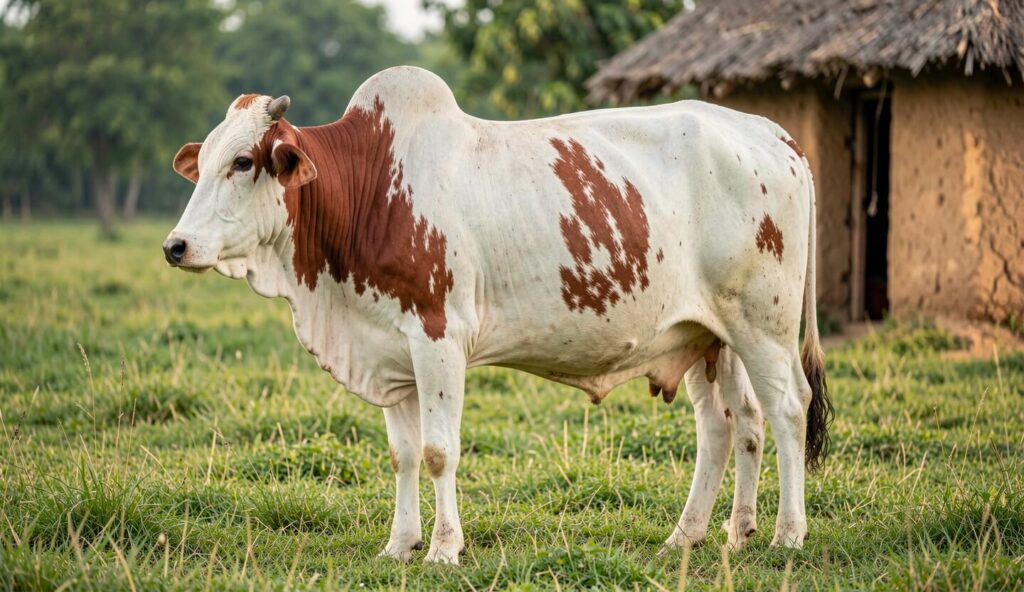
The Miniature Zebu has a distinct appearance that includes a prominent hump over the shoulders and a loose dewlap under the neck. Their small size and smooth coat make them appealing as pet cows.
How Big Does a Miniature Zebu Get
Adult Miniature Zebu stand 36 to 42 inches tall at the shoulder and weigh between 200 and 500 pounds. Females tend to be smaller than males. This small size places them among the tiniest cattle breeds, comparable to Dexter cattle in stature. Their compact frame requires less space and feed than standard cattle.
Coat Colors and Markings
Common coat colors include gray, red, black, and white, with some individuals showing solid or mixed patterns. The short, smooth hair sheds dirt easily and requires minimal grooming. A prominent dewlap and shoulder hump are characteristic features of the breed.
Temperament and Personality
The Miniature Zebu is known for its docile and curious personality. With proper handling from a young age, they become friendly and responsive to their owners.
Are Miniature Zebu Good Pets
Yes, Miniature Zebu make excellent pets for people with appropriate space. They are intelligent animals that can be trained to lead and respond to basic commands. Bonding occurs naturally when owners spend time feeding and handling them. Their calm demeanor makes them suitable for novice livestock keepers.
Interaction With Children and Other Animals
Miniature Zebu are safe around children when supervised, as they rarely show aggression. They get along well with other livestock and even household pets like dogs. Early socialization is important to ensure confident behavior. Like other miniature breeds such as the Dwarf Lulu cattle, they benefit from positive human interaction.
Housing and Space Requirements
Providing appropriate housing and fencing is essential for keeping Miniature Zebu healthy and secure. Their small size reduces space needs compared to standard cattle, but they still require dedicated outdoor areas.
What Kind of Shelter Do They Need
A simple three-sided shelter offers protection from rain, sun, and wind. Ample shade is critical in tropical climates to prevent overheating. Bedding such as straw or wood shavings keeps the shelter dry and comfortable. The enclosure must be well-ventilated to reduce humidity.
Fencing and Pasture Size
Sturdy fencing at least 4 feet high is recommended to contain Miniature Zebu. Each animal needs roughly half an acre of pasture for grazing and exercise. Rotating grazing areas prevents overgrazing and supports healthy grass regrowth. Secure fencing also keeps out predators and prevents escape.
Diet and Nutrition
A balanced diet is crucial for maintaining the health and longevity of Miniature Zebu. Their small size means they require less feed than full-sized cattle, but nutritional quality matters.
What Do Miniature Zebu Eat
Miniature Zebu primarily graze on grass and high-quality hay. Small amounts of grain or pelleted cattle feed can supplement their diet, especially in winter or during growth. Fresh water must be available at all times. Owners must avoid overfeeding, as obesity is a common problem in miniaturized breeds.
Vitamins and Minerals
A salt or mineral block formulated for cattle provides essential trace elements. During periods of lush grazing, supplementation with vitamins A and E may be necessary. Consult a veterinarian to tailor a mineral program. Never feed moldy or spoiled feed, as it can cause serious health issues.
Grooming and Routine Care
Regular grooming keeps the Miniature Zebu comfortable and helps owners spot potential health problems early. Their short coat requires minimal effort.
Hoof Trimming and Coat Care
Hooves should be trimmed every 6 to 8 weeks to prevent overgrowth and lameness. Weekly brushing removes loose hair and dirt. In warm weather, check for ticks and flies regularly. Use a cattle-safe fly repellent if insects become problematic.
Common Health Issues
Miniature Zebu are generally hardy, but they are susceptible to several health conditions that owners should monitor. Preventive care reduces the risk of serious illness.
What Health Problems Affect Miniature Zebu
Internal parasites are the most common issue, especially in animals on pasture. Obesity can develop from high-calorie diets and limited exercise. Foot rot occurs in wet, muddy conditions if hooves are not kept clean. Pinkeye, caused by flies and dust, is another concern in tropical environments.
Vaccination and Vet Visits
Yearly vaccinations against clostridial diseases are recommended for all cattle. Annual fecal exams help monitor parasite loads. Deworming schedules should be based on local risk and veterinary advice. Work with a large animal veterinarian who understands tropical breeds like the Madura cattle and other Bos indicus types.
Is a Miniature Zebu Right for You
Deciding to keep a Miniature Zebu requires honest assessment of your property, climate, and commitment. This breed fits specific lifestyles.
Pros and Cons of Keeping a Miniature Zebu
Pros include their small size, excellent heat tolerance, easy handling, and gentle nature. Cons include the need for pasture space, regular hoof care, and poor tolerance of cold climates. Ideal owners are hobby farmers or pet enthusiasts with at least half an acre of grazing land. Miniature Zebu are not suited for indoor living or tiny backyards without grass. For those seeking an even smaller companion animal, a Pygmy Goat may be an alternative, but for a true miniature cow, the Zebu is unmatched.
Final Note
Miniature Zebu offer a unique opportunity to keep a small, tropical cattle breed as a pet. With proper care, they reward owners with many years of gentle companionship.
Frequently Asked Questions
Do Miniature Zebu require a lot of space?
They need at least half an acre of pasture per animal, plus a shelter and sturdy fencing.
Can Miniature Zebu be kept in cold climates?
They are not well suited to freezing temperatures because they lack a thick winter coat and need protection from cold.
What is the lifespan of a Miniature Zebu?
They typically live 15 to 20 years, and good care can extend their lifespan.
Are Miniature Zebu easy to train?
Yes, they are intelligent and can be trained to lead using positive reinforcement methods.
Do Miniature Zebu need company of other cattle?
They are social animals and prefer to live in pairs or groups; a single animal may become lonely and stressed.
How much does a Miniature Zebu cost?
Prices range from $1,000 to $3,000 depending on age, quality, breeder reputation, and location.