What Is a Highland Cattle
Highland cattle are a hardy Scottish breed developed over centuries in the rugged Highlands of Scotland. Their long shaggy coats and sweeping horns make them instantly recognizable. These animals thrive in cold climates and are increasingly kept as ornamental cattle and pet cows by hobby farmers.
Origin and History
Highland cattle originated in the Scottish Highlands, where they evolved to survive harsh winters and sparse vegetation. The breed’s double-layered coat and efficient metabolism allowed it to forage on heather and coarse grasses. The Herd Book for Highland cattle was established in 1885, making it one of the oldest registered beef cattle breeds in the world.
Key Traits at a Glance
- Double-layered shaggy coat for insulation
- Long horns used for foraging and defense
- Docile temperament suitable for small farms
- Hardy nature requires minimal intervention
Appearance and Physical Features
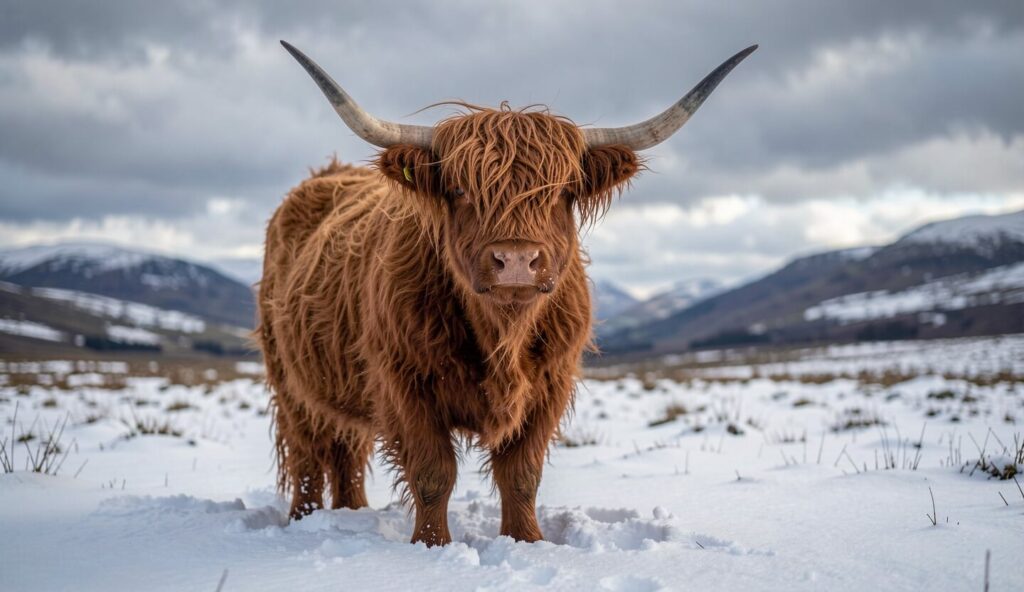
Highland cattle display a striking combination of size, coat, and horns. Their long hair, which can reach up to 13 inches, provides excellent protection in cold weather. The breed’s compact body and short legs give it a sturdy profile.
Coat Colors and Texture
Common coat colors include red, black, yellow, dun, white, and brindle. The outer coat is long, wavy, and oily, making it naturally waterproof. Beneath this lies a soft undercoat that provides warmth during winter months.
Horns and Head Shape
Both male and female Highland cattle grow horns that curve outward and upward. The horns are wide at the base and taper to a fine point. A distinctive fringe of hair hangs over the face, called the dossan, which adds to their shaggy appearance.
Size and Weight
Cows typically weigh 900 to 1,200 pounds, while bulls range from 1,500 to 2,000 pounds. Shoulder height measures 36–42 inches for cows and 42–48 inches for bulls. The body is compact with short legs and a deep chest, ideal for navigating steep, rocky terrain.
Temperament and Personality
Highland cattle are known for their gentle nature, which makes them popular as pet cows. Their calm demeanor and adaptability suit both experienced livestock keepers and dedicated beginners. Unlike many beef breeds, they form strong social bonds and respond well to consistent handling.
Docile and Easygoing Nature
These cattle exhibit calm behavior around people, especially when raised with regular human contact. Cows are particularly gentle with handlers, making them easy to work with. Bulls can be protective but remain manageable with proper training.
Intelligence and Trainability
Highland cattle learn quickly when halter training or learning basic commands. They respond well to food rewards and a patient approach. Their curiosity and sociability make them engaging animals for hobby farms.
Social Herd Dynamics
Highland cattle form strong bonds within the herd and should not be kept alone. Cows display excellent maternal instincts and are attentive mothers. Keeping at least two animals satisfies their need for companionship.
Exercise and Grazing Requirements
Highland cattle require ample space to roam and graze. Their natural foraging behavior keeps them active without needing a structured exercise routine. Providing varied terrain and shelter is essential for their well-being.
Pasture Needs
Each cow needs at least 1–2 acres of pasture for grazing. These Scottish breed animals thrive on rough forage, including heather, coarse grasses, and brush. Rotational grazing helps maintain pasture health and reduces parasite loads.
Natural Exercise
Walking across uneven terrain and browsing keeps Highland cattle fit. No formal exercise routine is required, but access to shelter and shade becomes important during hot weather. In cold climates, they remain active outdoors year-round.
Training and Handling
Training a Highland cow begins early for best results. Their intelligence and docile nature make them receptive to gentle guidance. Consistent handling reduces stress during routine care and veterinary visits.
Halter Training
Start halter training at the calf stage, using short sessions with food rewards. Approach the animal calmly and avoid sudden movements. This training makes leading and transport easier as the animal grows.
Vet and Hoof Care Handling
Teach Highland cattle to stand still for examinations and hoof trimming. Desensitize them early to touch on the legs and hooves. Regular handling ensures they remain cooperative during treatments and reduces the need for sedation.
Grooming and Care Tips
Highland cattle require moderate grooming to maintain their long hair and overall health. Their thick coat sheds dirt naturally, but occasional brushing helps remove debris and loose hair. Hoof care and horn maintenance are also important.
Coat Care
Brush the shaggy coat weekly with a stiff brush to remove dirt and tangles. In spring, use a shedding blade to help remove the winter undercoat. Avoid washing the coat unless absolutely necessary, as natural oils provide waterproofing and insulation.
Hoof Trimming
Trim hooves every 6–12 months to prevent overgrowth and lameness. Check for cracks, infections, or abnormal wear. Many owners hire a professional farrier for this task, especially if they lack experience.
Horn Maintenance
Horns grow continuously and may need tipping if kept in confined spaces. Keep horns clean and inspect them regularly for injuries. Debudding calves is an option for owners who prefer polled animals, though horns are a breed characteristic.
Parasite Control
Use pour-on or injectable dewormers as recommended by a veterinarian. Rotate pastures to reduce the parasite load in the environment. Monitor for lice and mites, especially during winter months when animals are in closer quarters.
Diet and Nutrition
Highland cattle are efficient foragers that thrive on low-quality forage. Their dietary needs change with the seasons, but the foundation remains good-quality hay and pasture. Providing mineral supplements ensures balanced nutrition.
Forage and Hay
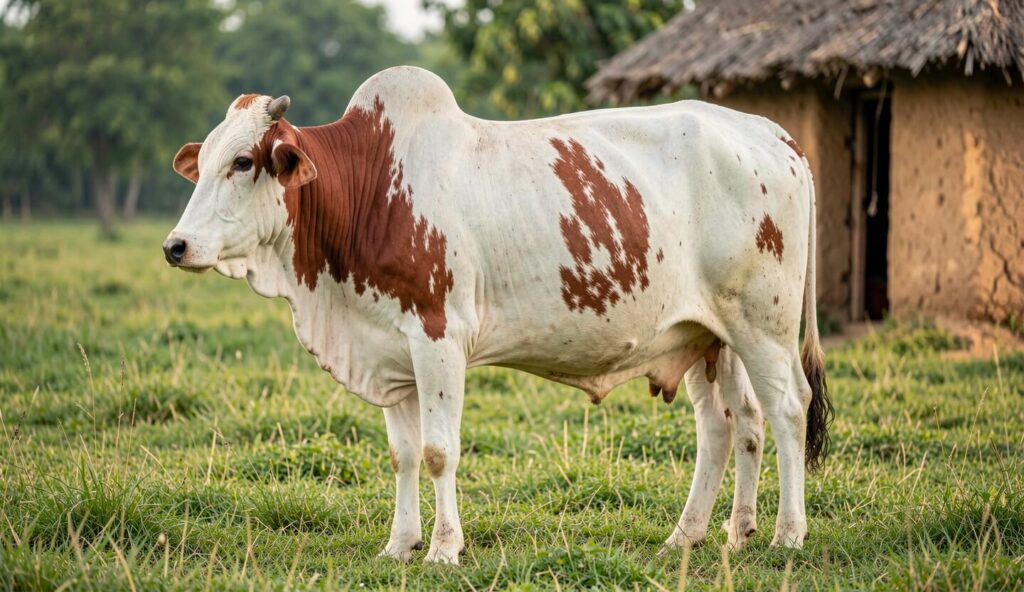
Grass hay or haylage forms the primary winter feed for Highland cattle. These animals efficiently convert rough forage into energy, making them cost-effective to feed. Supplement with mineral licks containing copper and selenium if local soil is deficient. Similar efficiency is seen in breeds like the Dwarf Lulu cattle, which also thrive on sparse vegetation in high-altitude regions.
Grain and Concentrates
Mature Highland cattle on good pasture rarely need grain. Growing calves and lactating cows may benefit from small amounts of concentrates. Overfeeding must be avoided to prevent obesity and related metabolic issues.
Water Requirements
Clean, fresh water must be available at all times. In winter, use heated waterers or break ice twice daily to ensure access. An adult cow drinks 10–20 gallons per day, depending on temperature and feed intake.
Common Health Issues
Highland cattle are generally healthy and long-lived, but they face a few common ailments. Parasitic infections, eye problems, and hoof disorders require attention. Preventative care and regular monitoring keep these issues under control.
Parasitic Infections
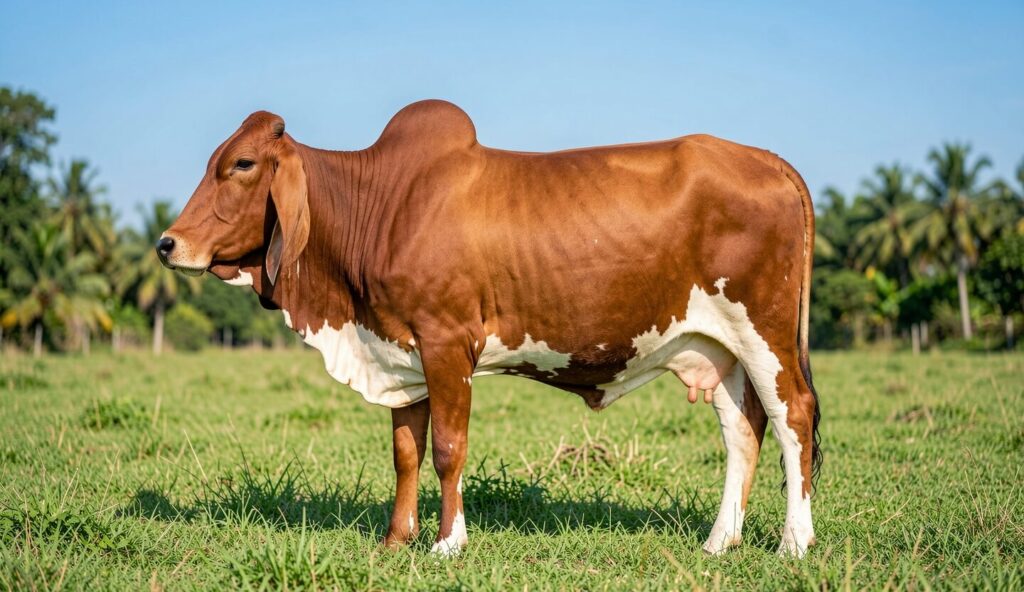
Internal parasites like stomach worms are common on pasture. External parasites include lice and mange mites. Regular fecal testing and targeted deworming prevent large-scale outbreaks. Many cold-hardy breeds, such as the Brahman Cow, have similar resilience but still require parasite management.
Eye Issues
The long hair on the face can cause eye irritation or infections. Pinkeye, also known as infectious keratoconjunctivitis, occurs in dusty or windy conditions. Trimming facial hair around the eyes reduces the risk.
Hoof Problems
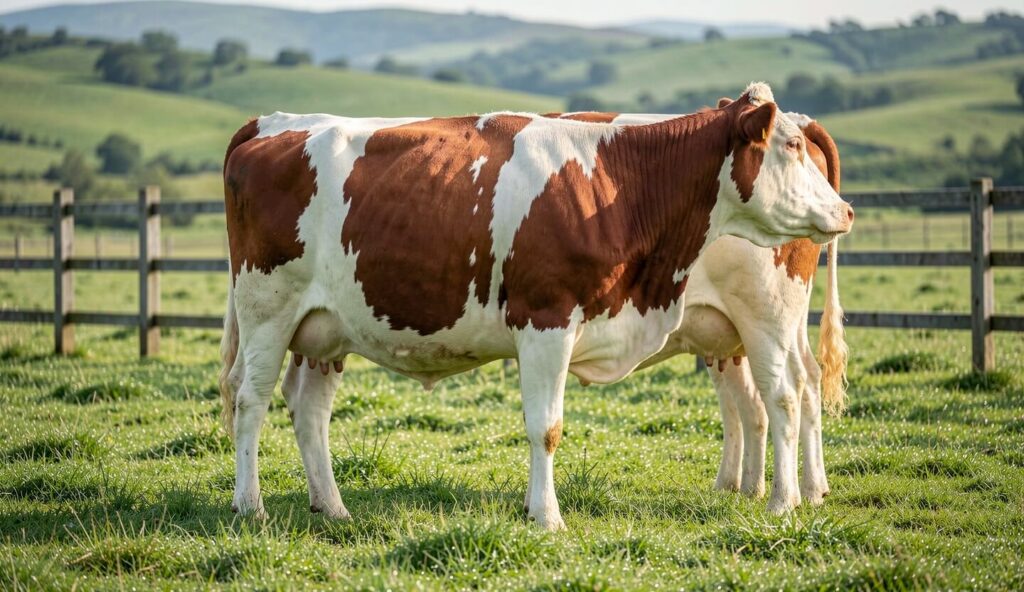
Overgrown hooves lead to lameness and joint strain. Foot rot develops in wet, muddy conditions. Maintaining dry bedding and clean pasture helps prevent hoof problems, as seen in best practices for other cattle like the Brown Swiss Cow.
Metabolic Disorders
Bloat can occur after sudden access to lush legumes. Grass tetany results from low magnesium in spring grass. Provide balanced mineral supplements and introduce dietary changes gradually to avoid these disorders.
Is Highland Cattle Right for You
Highland cattle appeal to owners who value hardiness and a gentle temperament. They are not the fastest-growing beef breed, but their low-maintenance nature attracts hobby farmers. Understanding their space and care needs helps determine suitability.
Ideal Owner Profile
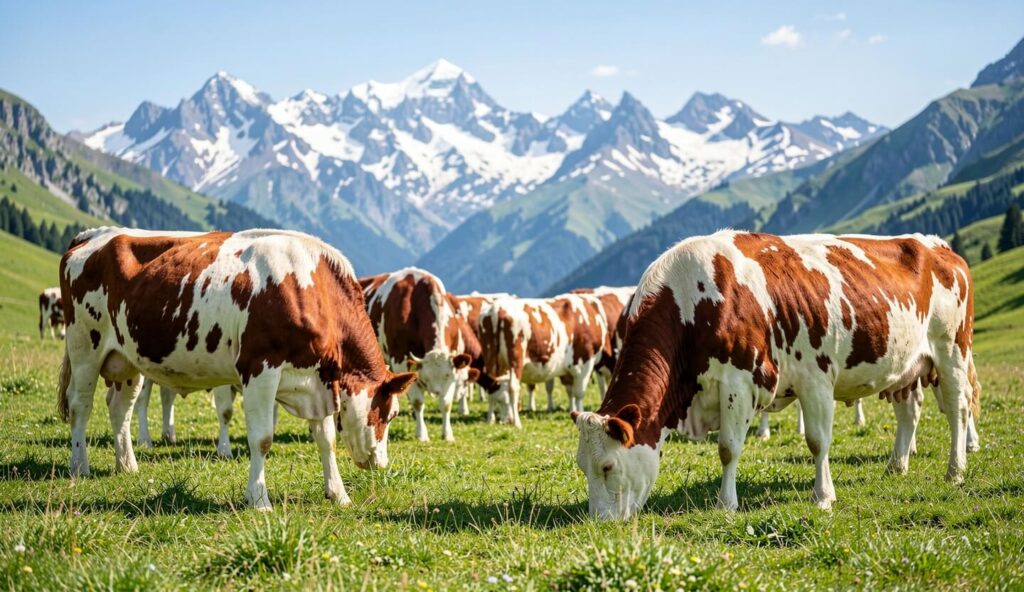
The ideal owner has at least a few acres of pasture and lives in a cold or wet climate. Hobby farmers who want ornamental cattle or a pet cow find Highland cattle rewarding. Those experienced with livestock, such as keepers of Charolais Cattle, can easily adapt to this breed’s slower growth and specific grooming needs.
Considerations for Beginners
Purchase prices for Highland cattle are higher than for some commercial breeds. Secure fencing, such as woven wire or high-tensile electric, is necessary to contain these strong animals. Annual vet costs and hoof care add to the overall expense.
Pros and Cons Summary
- Pros: Hardy, gentle, efficient foragers, visually striking
- Cons: Slow growth rate, large space requirements, horns can be a hazard
- Best suited for experienced livestock keepers or dedicated beginners
Final Note
Highland cattle offer a unique combination of cold hardiness, gentle nature, and iconic appearance. With proper land and care, they make excellent pets, ornamental livestock, or a low-maintenance beef breed for cold climates.
Frequently Asked Questions
Are Highland cattle good for beginners?
Highland cattle are docile and low-maintenance, making them suitable for beginners with adequate land. They require basic handling skills and a commitment to regular hoof care and parasite control.
How much land does a Highland cow need?
A minimum of 1–2 acres per cow is recommended for grazing. Land quality matters: poor pasture may require more acreage or supplemental hay.
Do Highland cattle need shelter in winter?
Their thick coat provides excellent cold tolerance, but a three-sided shelter or windbreak is beneficial. Access to dry bedding helps prevent hoof and health issues in wet conditions.
Can Highland cattle be kept as pets?
Yes, their calm temperament makes them popular as pet cows. They need companionship of at least one other bovine and plenty of space to roam.
What do Highland cattle eat?
They thrive on grass, hay, and rough forage like heather. Mineral supplements and clean water are essential year-round.
How long do Highland cattle live?
With proper care, they can live 15–20 years. Some individuals reach 25 years, especially cows.