What Is a Turbit Pigeon
Origins and Defining Features
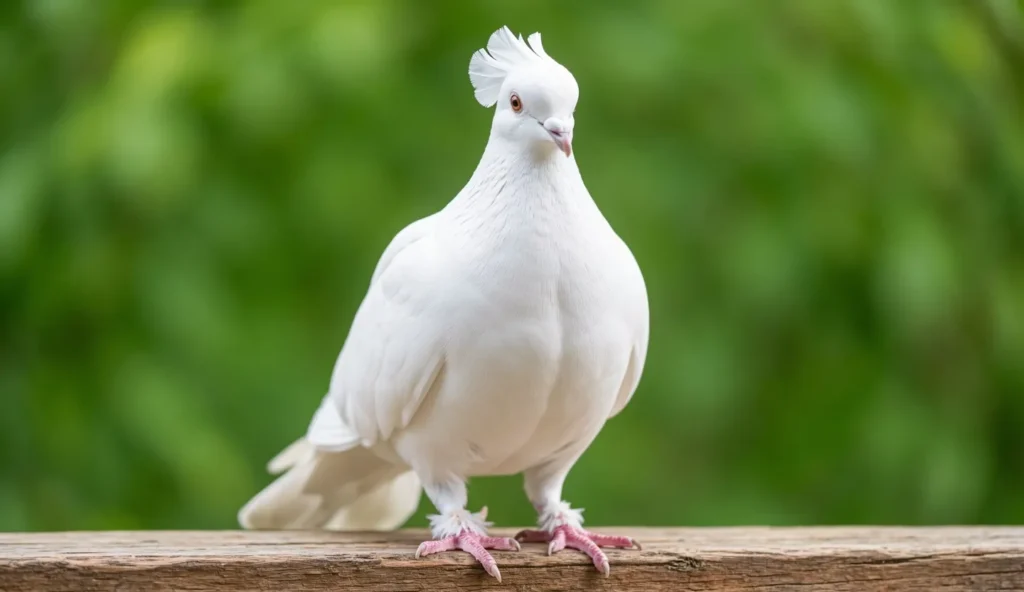
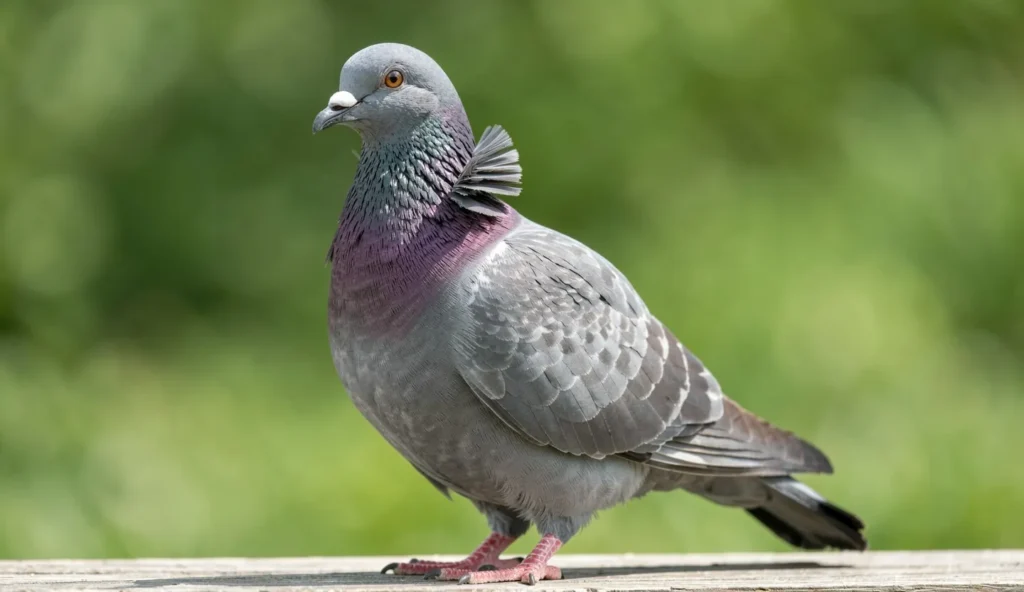
The Turbit pigeon is a small, compact fancy breed that originated in Europe. Its most distinctive feature is the frill mane, a ring of feathers that stands up around the back of the neck. Fanciers have selectively bred this trait for centuries to create the elegant frill seen today.
This breed belongs to the group of frill-necked pigeons, which also includes the frillback pigeon and the Old German Owl. Both share similar feather structures but differ in overall size and color patterns. The Turbit remains a popular choice for exhibition due to its unique appearance and calm temperament.
Appearance and Physical Features
The Frill Mane
The frill mane is the hallmark of the Turbit pigeon. It consists of a dense ring of feathers that rise vertically around the back of the neck. For show-quality birds, the frill must be even, well-developed, and free of gaps.
This distinctive frill sets the Turbit apart from other fancy breeds. The frill should not be confused with the hood of breeds like the fantail pigeon, which has a different feather arrangement. Proper frill formation is a key factor in breed judging.
Color Varieties
Turbit pigeons come in a wide range of colors and patterns. Recognized standard colors include:
- Blue
- Black
- Red
- Yellow
- Silver
- White
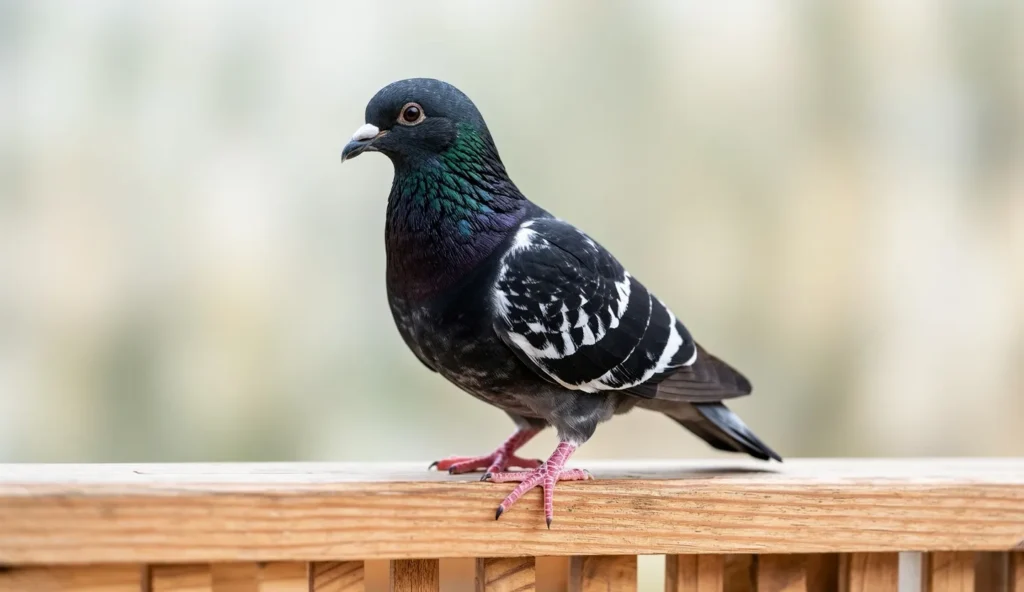
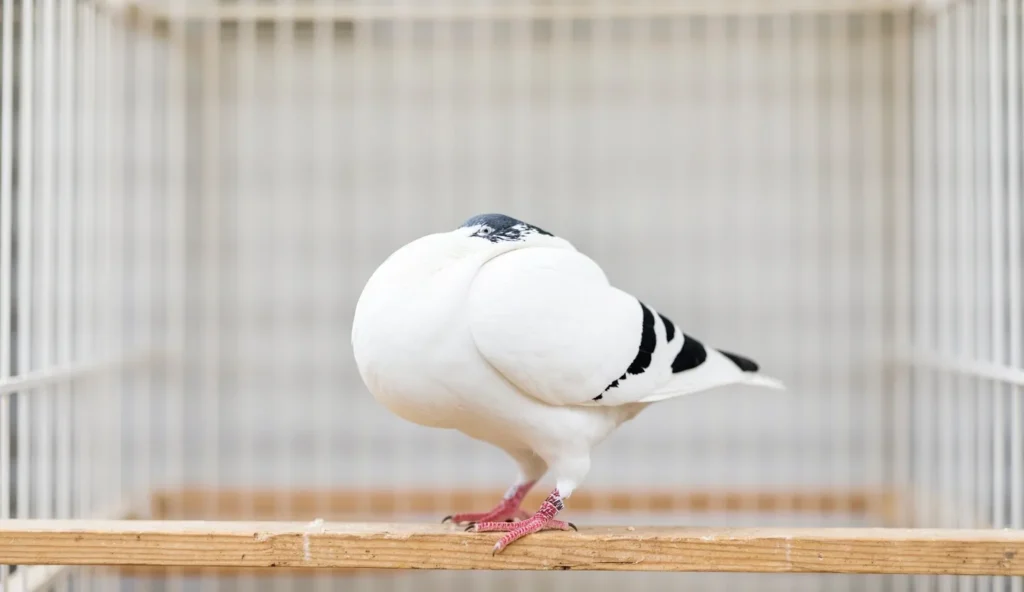
Patterns such as self, pied, and grizzle are also accepted. The Saddleback pigeon exhibits a similar color patch pattern but lacks the frill. Color and marking accuracy are important in show standards.
Body Shape and Size
The Turbit has a medium-sized, cobby body with a rounded head and a short beak. Its chest is broad and full, and the tail is short and carried slightly above the body line. These proportions create an elegant, balanced silhouette that fanciers admire.
Compared to the Ice pigeon, which has a leaner build, the Turbit appears more compact and robust. Body conformation is a major component of breed evaluation in pigeon shows.
Temperament and Personality
Temperament and Handling
Turbit pigeons are known for their calm and gentle disposition. They adapt well to human handling and rarely show aggression toward people or other pigeons. This makes them an excellent choice for beginners and experienced fanciers alike.
The breed’s docile nature is similar to that of the fantail pigeon, though the fantail is more active. Turbits enjoy perching quietly and respond well to regular interaction. Their steady temperament reduces stress during shows and daily care.
Exercise Requirements
Flight Time and Aviary Needs
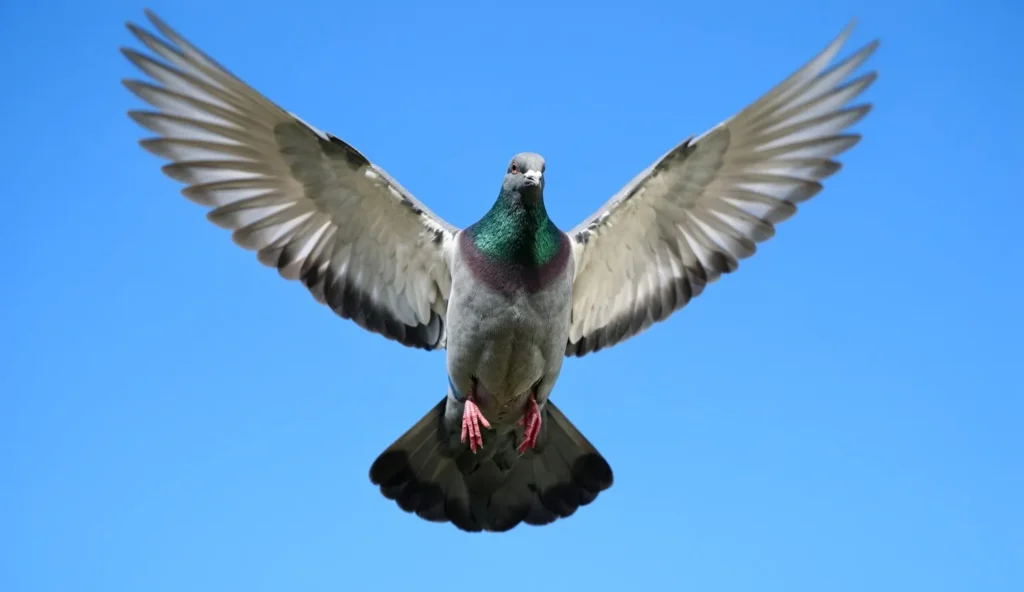
Turbit pigeons need regular exercise to maintain health and muscle tone. Provide a secure aviary or loft with enough space for short flights. Daily flight time of at least 30 minutes is recommended.
These pigeons are not strong long-distance fliers, but they enjoy short, controlled flights. A well-designed aviary with perches and open areas encourages natural movement. The Birmingham Roller requires more intense aerial exercise due to its tumbling behavior, but the Turbit’s needs are more moderate.
Training for Shows
Show Preparation and Posing
Preparing a Turbit pigeon for exhibition requires consistent handling and training. Teach the bird to stand calmly on a show table without flinching. Regular practice sessions help the pigeon become comfortable with the judging environment.
The English Pouter is another breed trained for shows, often with similar posing techniques. Turbit show training also includes gentle feather grooming to ensure the frill remains pristine. A well-trained bird presents itself confidently, which judges reward.
Grooming and Care Tips
Bathing and Feather Care
Provide a shallow bath of lukewarm water two to three times per week. Allow the pigeon to dry in a warm, draft-free area. Avoid over-oiling feathers; natural preening is sufficient for maintaining the frill.
Regular bathing keeps the feathers clean and reduces dust. Use a bird-safe shampoo only if dirt is stubborn. Dry the bird thoroughly before returning it to the loft.
Nail and Beak Maintenance
Trim overgrown nails carefully with a nail clipper designed for birds. Check the beak for cracks or overgrowth and file gently if needed. Provide a cuttlebone to help keep beak and nails naturally worn.
Inspect nails monthly and trim as needed. Beak overgrowth can interfere with eating, so prompt correction is important. These simple care practices support the overall health of your Turbit pigeon.
Diet and Nutrition
Seed Mixes and Supplements
Feed a high-quality pigeon seed mix as the staple diet. Supplement with grit, calcium, and fresh greens to ensure balanced nutrition. Provide clean, fresh water daily and change it frequently.
Avoid overfeeding fatty seeds like sunflower, which can lead to obesity. Include a commercial vitamin supplement during molting or breeding periods. A proper diet supports feather quality and extends lifespan.
Common Health Issues
Respiratory and Parasitic Concerns
Turbit pigeons may develop respiratory infections if the loft is damp or poorly ventilated. Common signs include sneezing, nasal discharge, and lethargy. Keep the living area dry and clean to prevent these issues.
Parasites such as mites and worms can also affect Turbits. Regularly inspect droppings and feathers for signs of infestation. Common health problems include:
- Respiratory infections
- Mites and lice
- Intestinal worms
- Feather plucking due to stress
Quarantine new birds before introducing them to the flock. A clean environment and routine vet checkups minimize health risks.
Is a Turbit Pigeon Right for You
Considerations for Potential Owners
Turbit pigeons require a committed keeper who can provide a secure, clean loft and daily attention. They are ideal for fanciers interested in exhibition and the beauty of frill-necked breeds. Their calm nature makes them suitable for households with supervised children.
Key requirements for keeping Turbit pigeons include:
- Secure aviary or loft with flight space
- Regular feeding and fresh water
- Weekly grooming and occasional nail trims
- Vet checkups for preventive health care
- Time for daily interaction and handling
If you have the space and dedication, the Turbit pigeon can be a rewarding companion and show bird.
Frequently Asked Questions
What is a Turbit pigeon?
A Turbit pigeon is a fancy breed known for its distinctive frill mane on the back of the neck. It originated in Europe and is popular in pigeon shows for its unique appearance.
How did the Turbit pigeon get its frill?
The frill is a natural genetic mutation that was selectively bred by pigeon fanciers over centuries. It is now a fixed characteristic required for show quality.
Are Turbit pigeons easy to care for?
Yes, Turbit pigeons are relatively low-maintenance once housed in a clean, secure loft. They require regular feeding, fresh water, and occasional grooming.
What colors do Turbit pigeons come in?
Common colors include blue, black, red, yellow, silver, and white. Patterns such as self, pied, and grizzle are also recognized in breed standards.
How long do Turbit pigeons live?
With proper care, Turbit pigeons can live 10 to 15 years on average. Genetics, diet, and living conditions significantly affect lifespan.
Can Turbit pigeons fly?
Yes, Turbit pigeons are capable of flying and benefit from regular flight exercise. They are not strong long-distance fliers but enjoy short flights in a safe aviary.
Final Note
Keeping a Turbit pigeon offers a rewarding experience for fancy pigeon enthusiasts. With proper care, these frill-necked birds will thrive and bring elegance to any loft.