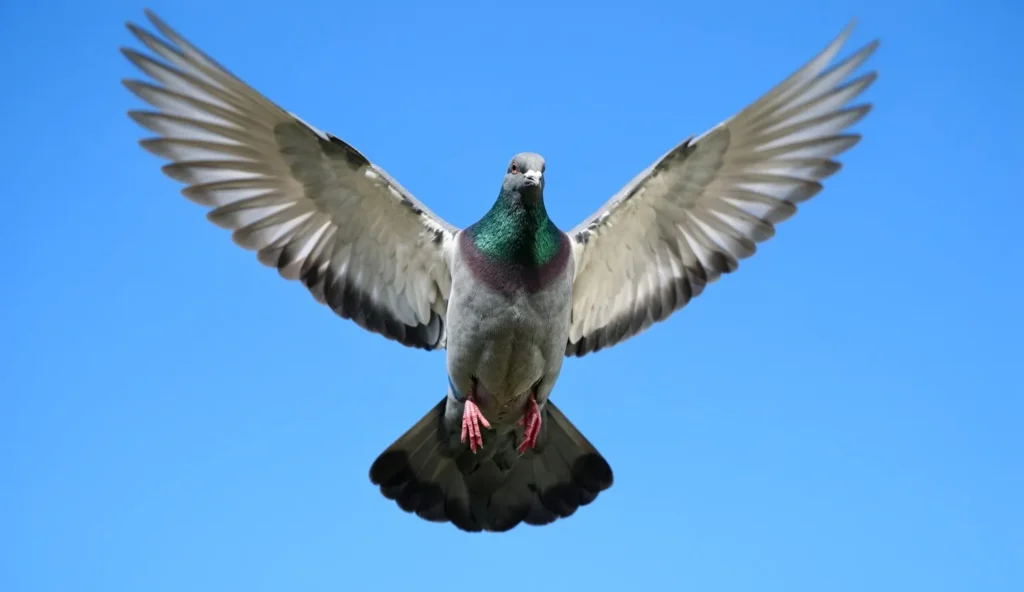
What Is a Saddleback Pigeon
The Saddleback pigeon is a distinct fancy breed defined by a saddle-like color patch on the back. Originating in England and Scotland during the early 1900s, this breed was developed for its unique patterned plumage. Color pigeon enthusiasts prize the Saddleback for its clean contrasts and calm disposition.
This breed belongs to the utility and exhibition categories. Unlike many other fancy pigeons, the Saddleback combines a simple body structure with a striking color arrangement that resembles a horse saddle.
Origin and Defining Trait
The Saddleback pigeon history traces back to selective breeding of common street pigeons with unusual color mutations. Fanciers in the United Kingdom standardized the pattern by the mid-20th century. The defining feature is a white or light-colored saddle patch that sits between the wings and contrasts sharply with the rest of the body.
Saddleback Pigeon Appearance and Color Pattern
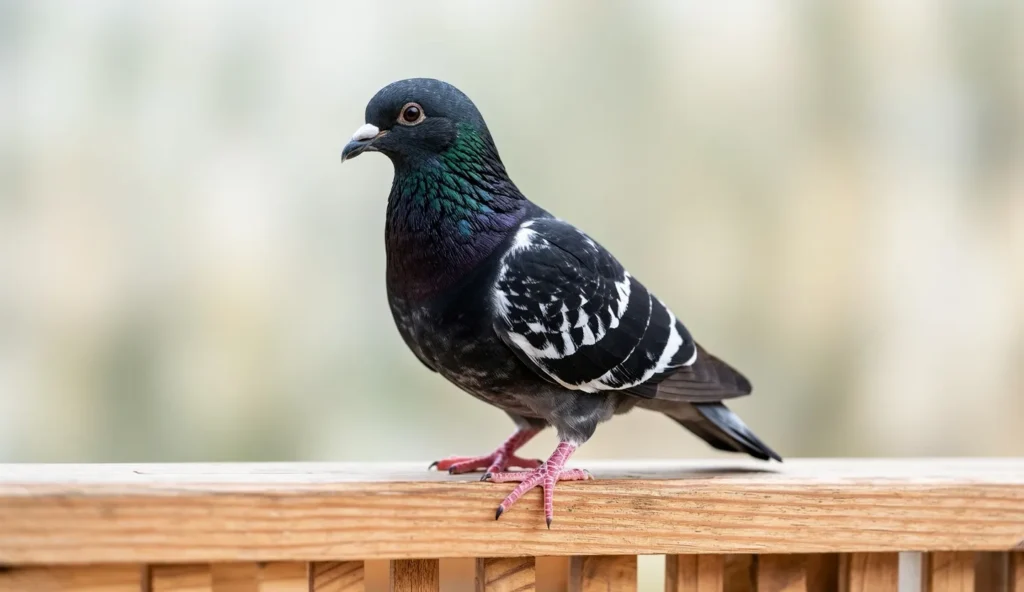
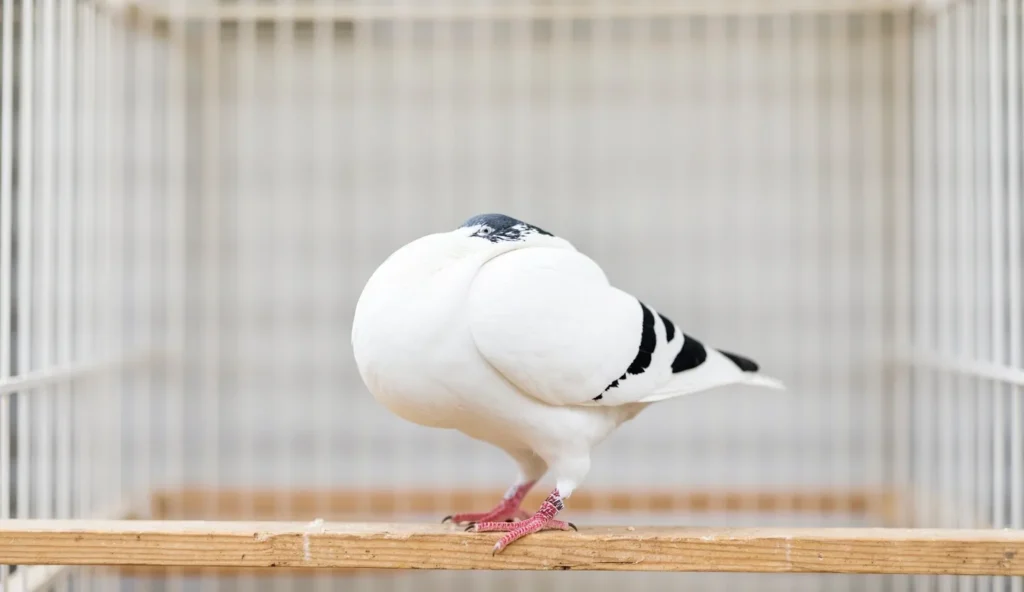
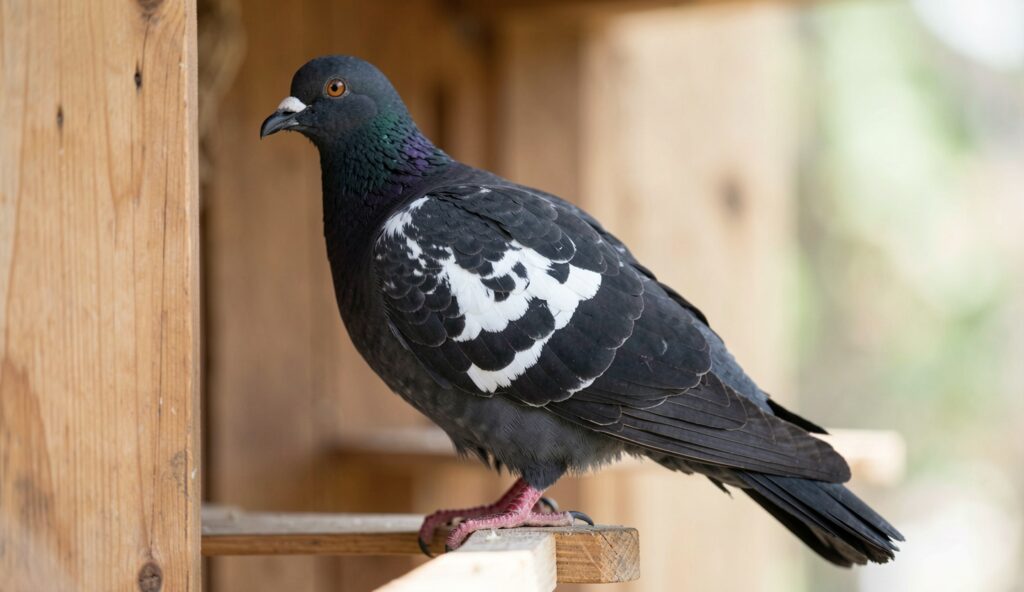
The Saddleback pigeon appearance centers on the crisp saddle marking. The head, neck, breast, wings, and tail are one solid color while the back carries a white or very light patch. This pattern must be uniform and well-defined for show standards.
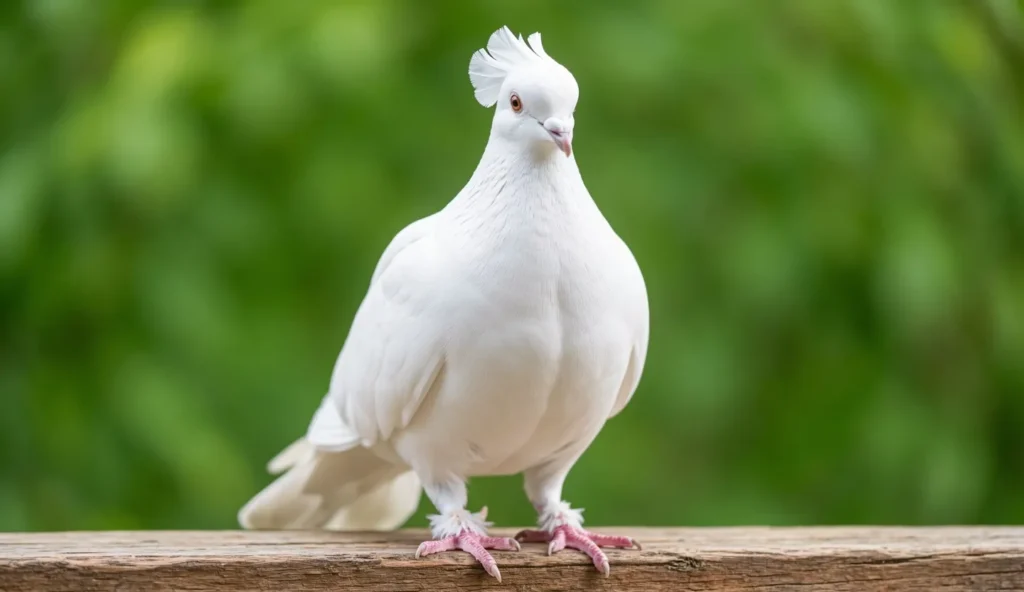
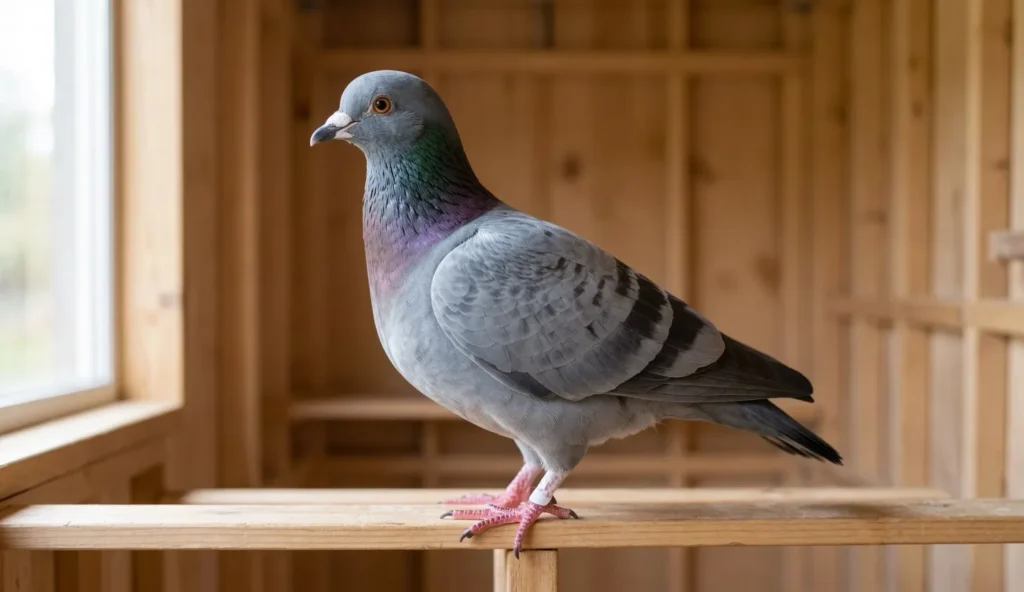
Birds have a medium-sized, upright stance with a rounded head and a short beak. The eyes are typically orange or pearl, and the legs are clean and free of feathering. The overall impression is neat and symmetrical.
The Distinctive Saddle Pattern
The saddle pattern consists of a colored body with a white or light-colored patch on the back between the wings. This marking resembles a saddle and is the defining characteristic of the breed. The saddle area is sharply defined and contrasts with the rest of the plumage. No blending or feathering is allowed in standard varieties.
Recognized Saddleback Pigeon Colors
Saddleback pigeon colors include black, blue, red, yellow, and dun as the primary body colors. Each variety carries a white or cream saddle. Rare mutations sometimes produce a self-colored saddle, but these are not accepted in exhibitions.
- Black Saddleback – Deep black body with a pure white saddle
- Blue Saddleback – Slate blue body with white saddle
- Red Saddleback – Rich red body with white saddle
- Yellow Saddleback – Pale yellow body with white saddle
- Dun Saddleback – Earthy brown body with white saddle
Eye color, beak color, and foot color vary by strain but breeders strive for consistency. The contrast between the dark body and light saddle is the hallmark of quality.
History and Origin of the Saddleback Pigeon
The Saddleback pigeon history began in the late 19th century in England and Scotland. Early fanciers crossed local homing pigeons with color-faced tumblers to produce the saddle pattern. The breed gained popularity at British pigeon shows by the 1920s.
Recognition and Spread
Standardization occurred through the efforts of the Saddleback Pigeon Club of Great Britain. Today the breed is recognized by major fancy pigeon organizations worldwide. Like the frillback pigeon, the Saddleback is valued for its distinct appearance rather than utility. It remains a favorite among color pigeon enthusiasts.
Saddleback Pigeon Temperament and Behavior
Saddleback pigeon temperament is calm and gentle. These birds do not display extreme flightiness or aggression. They adapt well to loft life and tolerate handling when trained from a young age.
Social Dynamics
They coexist peacefully with other pigeon breeds in mixed lofts. Males can become territorial during breeding season but rarely cause serious conflict. The breed is suitable for beginners due to its easygoing nature. Similar to the fantail pigeon, the Saddleback enjoys human company and responds to routine.
Saddleback Pigeon Care and Housing
Proper Saddleback pigeon care requires a clean, dry loft with good ventilation. Provide perches at different heights and nesting boxes for each breeding pair. The floor should be swept daily to prevent droppings buildup.
Housing and Space Needs
A spacious loft with good ventilation and natural light is required. Provide perches and nesting boxes for each pair. Keep the floor clean and dry to prevent disease. Outdoor aviaries work well as long as the birds have shelter from wind and rain.
Grooming and Maintenance
Saddleback pigeons enjoy bathing; provide a shallow water dish regularly. Check beaks, feet, and feathers for parasites or injuries. Trim nails only if they overgrow. Molting occurs once a year; increase protein intake during this period.
Saddleback Pigeon Diet and Nutrition
The Saddleback pigeon diet should consist of high-quality grains and seeds. A balanced mix includes wheat, corn, peas, millet, and safflower seeds. Provide fresh water at all times.
Feeding Guidelines
- Offer grain mix twice daily, morning and evening
- Supplement with grit and calcium during breeding
- Include leafy greens like spinach or kale once a week
- Avoid moldy or dusty feed
Proper nutrition supports feather quality and the sharp saddle pattern. Birds fed a poor diet may develop dull plumage or health issues.
Breeding Saddleback Pigeons
Breeding Saddleback pigeons requires attention to color genetics. The saddle pattern is inherited as a recessive trait. Pairing two Saddleback birds produces all saddle-marked offspring. Crossing with solid-colored birds yields only carriers.
Pairing and Incubation
Select birds with clean, sharply defined saddles. Place a nest bowl with soft material in the breeding box. Females lay two eggs per clutch. Incubation lasts about 18 days, shared by both parents. Chicks fledge at 4 to 5 weeks.
The jacobin pigeon has more challenging feather genetics, whereas the Saddleback is easier to breed for color consistency. Beginners can achieve good results with patience.
Common Health Issues in Saddleback Pigeons
Saddleback pigeons are generally hardy but can suffer from respiratory infections, parasites, and nutritional deficiencies. Preventive care includes regular loft cleaning and quarantine for new birds.
Health Prevention Tips
- Vaccinate against paramyxovirus if recommended locally
- Treat for internal worms twice a year
- Provide dust bathing areas to control external mites
- Watch for sneezing, weight loss, or fluffed feathers
Immediate isolation of sick birds prevents outbreaks. A veterinarian familiar with old dutch capuchine pigeon or other fancy breeds can advise on treatments.
Is a Saddleback Pigeon Right for You
The Saddleback pigeon suits color pigeon enthusiasts who value pattern perfection. It requires a secure loft, basic feed, and consistent cleaning. The calm temperament makes it an excellent starter fancy breed.
Final Considerations
If you enjoy watching clean color contrasts and participating in small shows, this breed delivers. Like the saxon shield pigeon, the Saddleback rewards attention to detail in breeding and care. With a lifespan of 10 to 15 years, it offers long-term companionship.
Frequently Asked Questions
What does a saddleback pigeon look like?
A saddleback pigeon has a colored body with a distinct white or light patch on its back that resembles a saddle. The head, neck, breast, wings, and tail are usually one solid color.
How long do saddleback pigeons live?
With proper care, saddleback pigeons can live 10 to 15 years or longer. Lifespan depends on diet, housing conditions, and veterinary care.
Are saddleback pigeons good for beginners?
Yes, saddleback pigeons are generally calm, hardy, and easy to care for. They adapt well to loft life and are a popular choice for new pigeon keepers.
What colors do saddleback pigeons come in?
The body can be black, blue, red, yellow, dun, or other solid colors. The saddle area is typically white, though some rare mutations show self-colored saddles.
How to identify a saddleback pigeon?
Look for the clear contrast between the colored body and the white or light saddle marking on the back. The pattern is uniform and well-defined, with no blending between colors.
What is the difference between a saddleback pigeon and a saddle pigeon?
Saddleback is a specific breed with a standardized saddle pattern, while ‘saddle pigeon’ may refer loosely to any pigeon with a saddle marking. Saddleback pigeons are recognized by fancier organizations with strict color and pattern standards.
Final Note
The Saddleback pigeon remains a rewarding choice for anyone interested in patterned plumage. With proper care and attention to genetics, these birds bring beauty and calm to any loft.