What Is a German Modena Pigeon
The German Modena pigeon is a distinct fancy breed that originated as a German variant of the classic Italian Modena. Developed through selective breeding in Germany during the early 20th century, this bird maintains the characteristic compact body shape that sets it apart from its Italian counterpart. Modena enthusiasts appreciate the German Modena for its unique proportions and calm demeanor.
This breed belongs to the owl pigeon group, sharing certain facial features with related varieties like the Italian Owl pigeon. However, the German Modena has its own standardized traits that make it a separate breed in German pigeon associations.
What Is a German Modena Pigeon
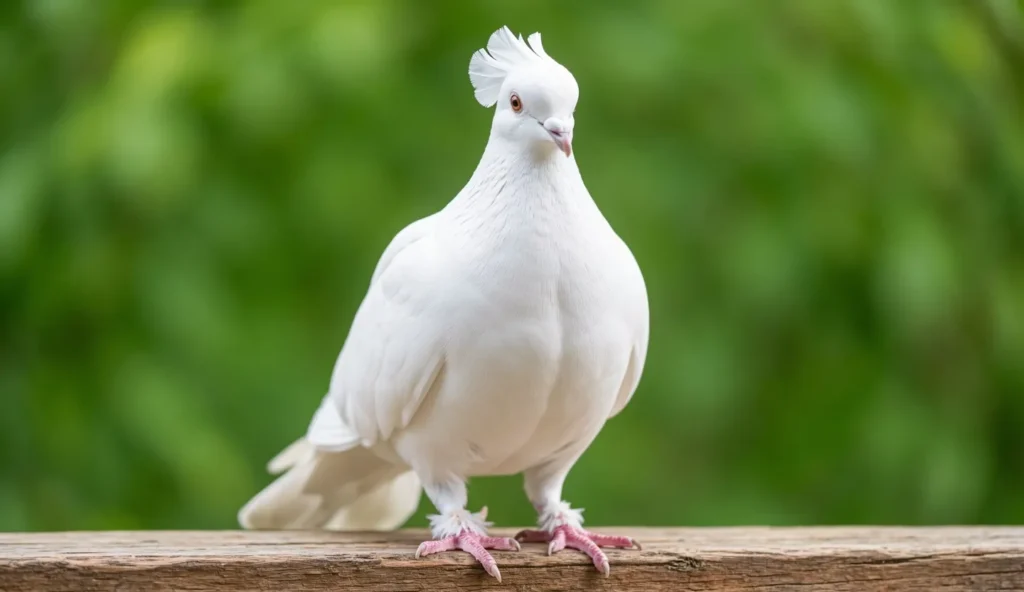
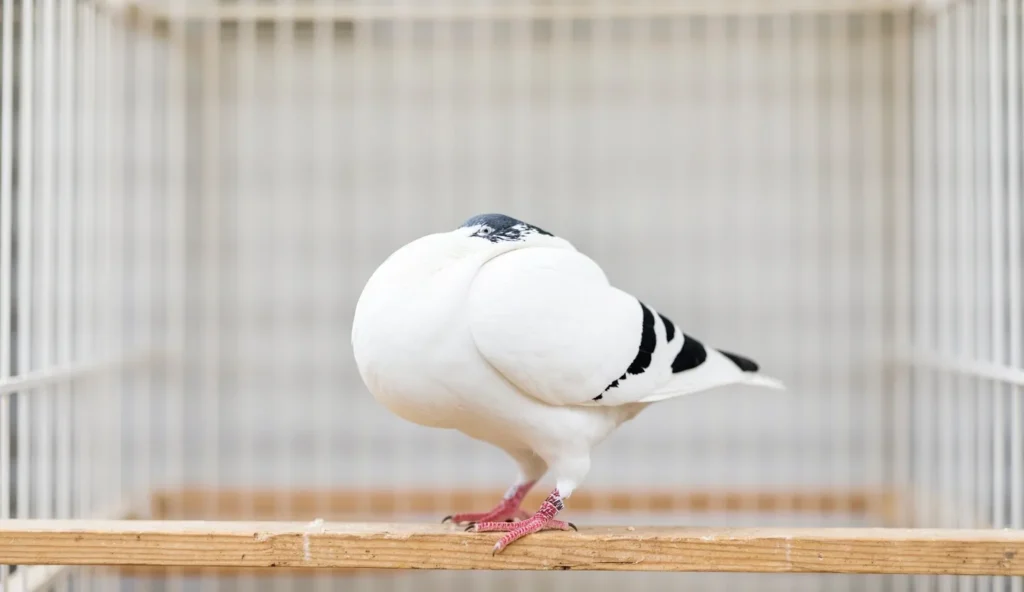
In essence, the German Modena is a medium-sized show pigeon with a rounded, compact body and a short, thick beak. Breeders value its neat feathering and balanced proportions. Unlike the Italian Modena, which has a more elongated shape, the German version appears almost spherical from the side.
History and Origins of the German Modena
The German Modena was developed in Germany in the early 1900s by dedicated pigeon fanciers who imported Italian Modena stock and refined the type. These breeders sought a variant that would perform well in German show standards, emphasizing a different body type and color restrictions.
Origin in Germany
German breeders selected for a more compact, rounded body compared to the Italian Modena. They also focused on a shorter beak and a rounder head with a pronounced forehead. Over decades, the German Modena became a recognized breed within German fancy pigeon circles, distinct from the original Italian line.
Recognition by Standards
German pigeon associations officially recognized the German Modena as a separate breed, with its own written standard for type, size, and color. The standard defines permissible color patterns, which are fewer than those accepted for the Italian Modena. This formal recognition cemented the breed’s place among other German pigeon breeds such as the Steiger pigeon.
Key Physical Differences Between German and Italian Modena
The most noticeable differences lie in body shape, head structure, and color variety. Understanding these traits helps breeders select the correct type for shows and breeding programs.
Body Type and Size
The German Modena has a more compact, rounded body that appears almost globular. The Italian Modena is slightly larger with a longer, more elongated torso. Weight ranges from 300 to 400 grams for the German version, while the Italian can be slightly heavier. The shorter tail of the German Modena enhances its cobby appearance.
Head and Beak Shape
The head of the German Modena is rounder with a fuller forehead compared to the Italian Modena. The beak is shorter and thicker, giving a more blunt profile. These differences make the German Modena look more like a typical owl pigeon, similar to the Old German Owl in facial structure.
Color Variations
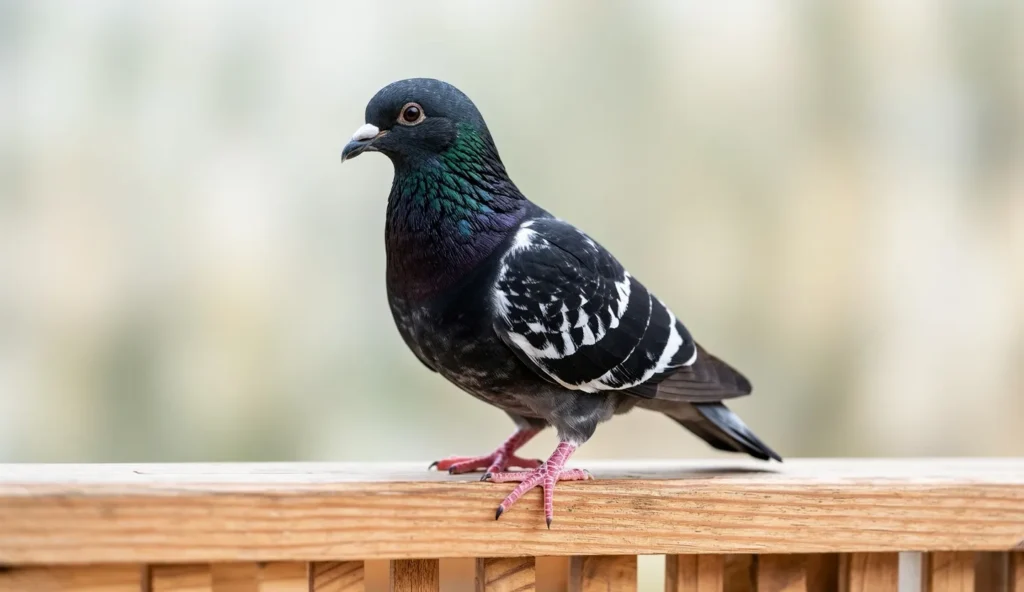
Both breeds share common colors such as blue, black, red, yellow, and white. However, the German Modena standard accepts fewer color patterns, often restricting markings to reduce variability. The Italian Modena allows more elaborate patterns, including the “gazzi” and “schietti” categories. German Modena colors typically appear as solid or with minimal white markings.
Temperament and Personality Traits
The German Modena is known for its calm and docile temperament, making it an excellent show bird and a pleasant pet. Unlike more flighty breeds, it adapts well to handling and confined spaces. This breed does not require extensive free flight, which suits hobbyists with limited loft space.
Compared to the Italian Modena, the German version is slightly less active, preferring to perch quietly. This placid nature makes it popular among fanciers who participate in exhibitions rather than performance events.
Temperament and Personality Traits
Breeders describe the German Modena as gentle and easy to manage. It rarely shows aggression toward other birds. This temperament aligns with other German fancy breeds like the Nuns pigeon, which also has a calm disposition.
Housing and Care Essentials
Proper housing is essential for maintaining the health and appearance of German Modena pigeons. While they adapt to various environments, following standard care guidelines ensures optimal condition.
Loft Requirements
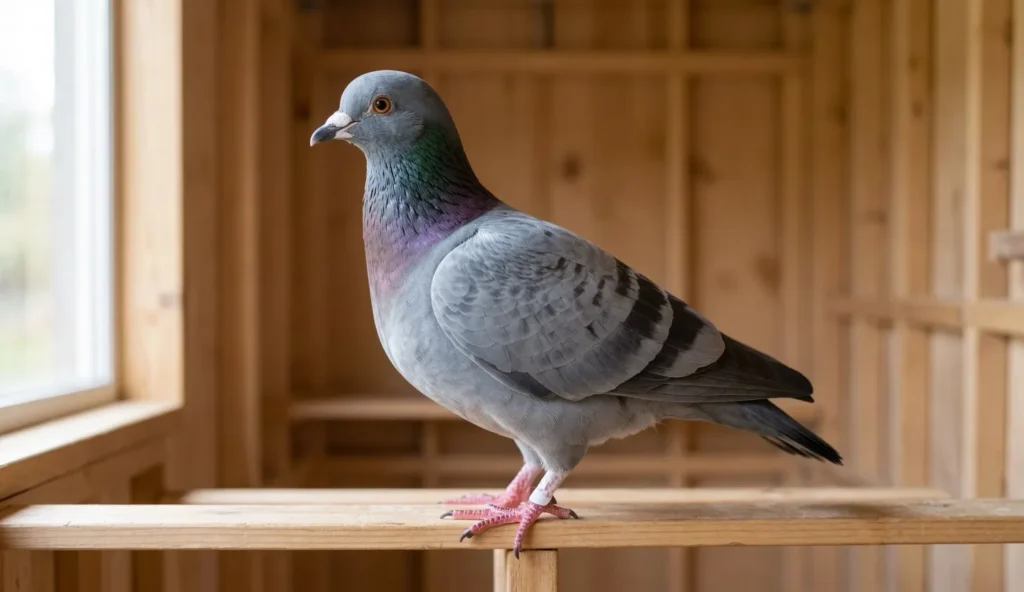
German Modena pigeons need a clean, dry loft with adequate ventilation. Provide perches at different heights and nesting boxes for breeding pairs. They do well in spacious aviaries but can adapt to smaller lofts if kept clean. Avoid overcrowding to prevent stress and disease.
- Minimum loft size for a pair: 2 x 2 x 2 feet
- Perches should be smooth and easy to grip
- Nesting boxes: 12 x 12 x 12 inches with a front lip
- Bedding: wood shavings or straw, changed weekly
Feeding and Nutrition
Provide a balanced diet of high-quality pigeon feed, including grains like wheat, barley, and corn, plus seeds such as millet and sunflower. Grit and oyster shell should be available for digestion and calcium. Supplement with vitamins during breeding and molting periods. Fresh water must be available at all times.
A sample feeding schedule includes two meals per day: a lighter morning feed and a heavier evening feed. Adjust portions based on activity level and season. Overfeeding can lead to obesity, which affects show condition.
Breeding Considerations for German Modena
Breeding German Modena pigeons requires attention to type and genetics to maintain the breed standard. The compact body shape and specific head features are recessive traits that demand careful selection.
Pairing and Genetics
Select pairs based on body type, size, and color conformity. German Modena carries recessive genes that influence feather quality and structural proportions. Avoid pairing birds with elongated bodies or thin beaks, as those traits indicate Italian Modena influence. Use a breeding log to track lineage.
Raising Young
Breeders may need to foster eggs under other pigeon breeds if the German Modena parents neglect their chicks. Young birds require a high-protein starter diet to develop proper bone structure and feathering. Monitor growth and cull individuals that deviate significantly from the standard. Some breeders use French Mondain or Swiss Mondain as foster parents due to their reliable parenting instincts.
Common Health Issues in German Modena Pigeons
Like all pigeons, German Modena can suffer from respiratory infections, parasites, and nutritional deficiencies. Regular health checks and preventive care minimize risks.
Common Health Issues in German Modena Pigeons
- Respiratory diseases such as canker and coryza
- External parasites: mites, lice, and fleas
- Internal worms: roundworms and tapeworms
- Egg binding in females, especially in cold weather
- Obesity from overfeeding or lack of exercise
Ensure the loft is well-ventilated but draft-free. Quarantine new birds for 30 days before introducing them to the flock. Annual veterinary checkups are recommended for show birds.
Is the German Modena Pigeon Right for You
The German Modena pigeon is ideal for enthusiasts who appreciate compact show breeds with calm temperaments. It requires standard pigeon care and does well in moderate climates. Beginners can successfully keep this breed with proper guidance.
For those interested in modena comparison, the German Modena offers a distinct alternative to the Italian variety. Its unique body shape and restricted color palette appeal to collectors and exhibition breeders. If you seek a pigeon that stands out on the show bench, this breed deserves consideration.
Frequently Asked Questions
How does the German Modena differ from the Italian Modena in body shape?
The German Modena has a more compact, rounded body while the Italian Modena is slightly longer and more elongated.
What colors are recognized in German Modena pigeons?
Common colors include blue, black, red, yellow, and white, often with specific markings. The standard accepts fewer variations than the Italian Modena.
Is the German Modena pigeon easy to breed?
Breeding requires attention to type and genetics. New breeders may face challenges with fostering and achieving the correct body shape.
How big do German Modena pigeons get?
German Modena pigeons are medium-sized, typically weighing between 300 and 400 grams with a compact body.
What is the temperament of a German Modena pigeon?
They are calm and docile, making them suitable for shows and as pets. They are less flighty than some other breeds.
Do German Modena pigeons require special care?
They need standard pigeon care with a clean loft, balanced diet, and regular health checks. No special requirements beyond those for other show breeds.
Final Note
The German Modena pigeon is a rewarding breed for dedicated fanciers who value precision in type and color. With proper care and selective breeding, this pigeon can excel in exhibitions and bring satisfaction to its keeper.