What Is a Steiger Pigeon
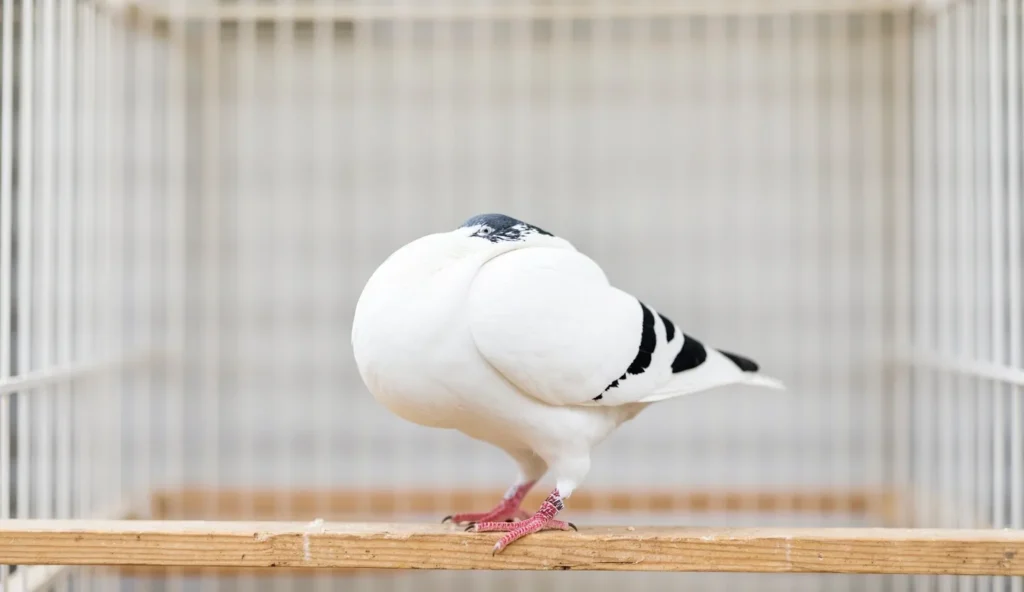
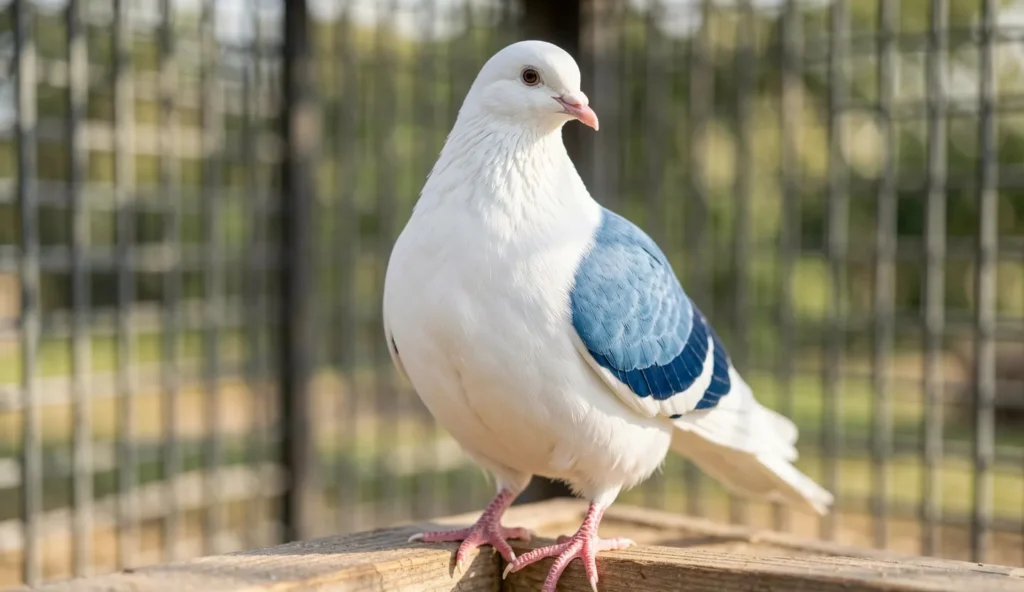
The Steiger pigeon is a German fancy breed known for its bold white body and colored shield pattern on the wings. This breed originated in the late 19th century in the Steiger region of Thuringia. Color pattern fanciers value it for the sharp contrast between the pure white body and the brightly colored wing shields.
Origin and History
The Steiger pigeon was developed in Germany during the 1880s. Breeders used the Thuringian Trumpeter and other local color-patterned breeds to create this distinct variety. The breed takes its name from the Steiger region in Thuringia, where it first appeared. The German Pigeon Standard officially recognizes the Steiger pigeon for its clean, consistent color pattern.
Early breeders focused on fixing the white body and colored shield traits. Over time, the breed became a favorite among fancy pigeon exhibitors in Europe. Today, the Steiger pigeon remains a popular choice for those who appreciate precise color marking. Its history is closely tied to other German fancy breeds such as the Gimpel pigeon and the Saxon shield pigeon, which share similar development stories.
Appearance and Color Patterns
The Steiger pigeon has a medium-sized, compact body with a broad head and short beak. Its overall length ranges from 30 to 35 centimeters. The feet are clean and free of feathering, which makes grooming easier.
Body Structure and Size
This breed has a rounded, sturdy frame that gives it a balanced silhouette. The chest is broad, and the neck is moderately short. Wings sit close to the body, and the tail is compact. Weights typically fall between 350 and 450 grams for adults.
The Distinctive Color Pattern
The Steiger pigeon is defined by its white body, head, tail, and flight feathers. Color appears only on the wing shield and wing bows. This pattern must be sharp and clearly separated from the white areas for show standards. Accepted shield colors include black, blue, red, yellow, and dun. The contrast between white and color is the breed’s hallmark.
Recognized Varieties
Show competitions prefer solid color shields with no white flecking. Some breeders produce white-bar or checked variations, but these are less common in the show ring. Eye color often matches the shield color in many specimens. The German Pigeon Standard lists several approved color variations, and fanciers can reference the Ice pigeon for comparison of similar blue-gray patterns found in another German breed.
Temperament and Behavior
Steiger pigeons are calm and even-tempered compared to many other fancy breeds. They are not overly flighty and adapt well to handling. Males may become slightly territorial during breeding season, but aggression is rare.
Typical Disposition
These pigeons maintain a relaxed demeanor in the loft. They do not panic easily and settle into routine care quickly. This makes them suitable for keepers who want a show bird that stays manageable.
Interaction with Humans and Other Birds
Steiger pigeons can live in mixed lofts with other calm breeds. They respond positively to regular, gentle handling. While they do not demand constant attention, they tolerate human presence well. Their peaceful nature makes them a good choice for community lofts.
Housing and Care
Proper housing is essential for maintaining the health and feather quality of the Steiger pigeon. The loft should be dry, well-ventilated, and free from drafts. Space requirements are modest but must be clean.
Loft Requirements
Each pair needs at least 0.5 cubic meters of loft space. Provide perches that are smooth and easy to clean. Nesting boxes with natural light help breeding pairs feel secure. Ventilation should allow air exchange without creating cold drafts that can cause respiratory problems.
Grooming and Maintenance
Offer bathing water two to three times per week so the pigeon can keep feathers clean. Check feet and beak monthly for overgrowth and trim if necessary. Remove droppings daily to reduce ammonia buildup and disease risk. During the moult, increase protein in the diet to support feather regrowth.
Diet and Nutrition
A balanced diet keeps the Steiger pigeon in show condition. Provide a high-quality pigeon grain mix that includes corn, peas, and milo. Small seeds such as canary seed or hemp add variety.
Recommended Feed
Feed a standard pigeon mix once or twice daily in measured portions. Grit and oyster shell must be available separately to aid digestion. Clean water should be changed daily. Avoid overfeeding, as obesity can affect breeding and show fitness.
Supplements and Treats
Add vitamin and mineral supplements during breeding season or moult. Offer occasional greens like spinach, lettuce, or chopped carrots. Treats should not exceed 10 percent of total intake. Always provide fresh, clean water.
Health and Common Issues
Steiger pigeons are generally hardy, but they can develop health problems if conditions are poor. Preventive care is the best strategy for maintaining a healthy flock.
Respiratory Issues
Damp or drafty lofts can cause colds and mycoplasma infections. Symptoms include sneezing, nasal discharge, and lethargy. Keep the loft dry and well-ventilated to prevent these conditions. Isolate any sick birds immediately.
Parasite Prevention
External mites can damage feathers and cause irritation. Treat the loft with approved products and provide dust baths. Internal worms require deworming every three months using a vet-recommended schedule. Quarantine new birds for at least two weeks before introducing them to the flock. For further insights into breed-specific health, the Old German Owl care guide includes similar preventive tips.
Is the Steiger Pigeon Right for You
This breed suits fanciers who value clean, consistent color patterns. It is hardy enough for beginners but rewarding enough for experienced breeders.
Considerations for Beginners
Steiger pigeons require consistent care but not excessive attention. They adapt to handling and are calm in the loft. Beginners should start with a pair and learn basic care routines. Those interested in color breeding will find the Strasser pigeon a useful comparison for understanding pattern inheritance. This breed is ideal for anyone who appreciates precise markings and a manageable temperament.
Frequently Asked Questions
What is a Steiger pigeon?
A Steiger pigeon is a German fancy breed with a white body and a colored shield pattern on the wings, developed in the late 19th century in Thuringia.
What colors do Steiger pigeons come in?
Approved shield colors include black, blue, red, yellow, and dun, while the body remains white.
How big do Steiger pigeons get?
Steiger pigeons are medium-sized, measuring 30 to 35 centimeters in length and weighing 350 to 450 grams.
Are Steiger pigeons good for beginners?
Yes, they are calm, hardy, and easy to manage with basic pigeon care, making them suitable for first-time keepers.
What is the history of the Steiger pigeon?
The breed originated around the 1880s in the Steiger region of Thuringia, Germany, from crosses of Thuringian Trumpeters and other color-patterned breeds.
How long do Steiger pigeons live?
Average lifespan is 7 to 10 years with proper care, and some individuals may reach up to 15 years.
Final Note
The Steiger pigeon offers a unique combination of striking color patterns and a calm disposition. With proper housing, diet, and health care, this German fancy breed can thrive in any dedicated loft.