What Is a Saxon Monk Pigeon
The Saxon Monk pigeon is a distinct fancy breed developed in Germany, prized for its monk-like hood crest and calm temperament. This medium-sized pigeon belongs to the group of crested fancy pigeons and has been selectively bred for its ornamental head feathers. Enthusiasts value the Saxon Monk for its gentle nature and striking appearance.
Origin and History
The Saxon Monk originated in the Saxony region of Germany, where breeders focused on creating a pigeon with a smooth, unbroken hood crest. It shares ancestry with other German crested breeds like the Saxon Shield pigeon. The breed was refined over centuries and is now recognized by major pigeon fancy organizations.
Appearance and Physical Features
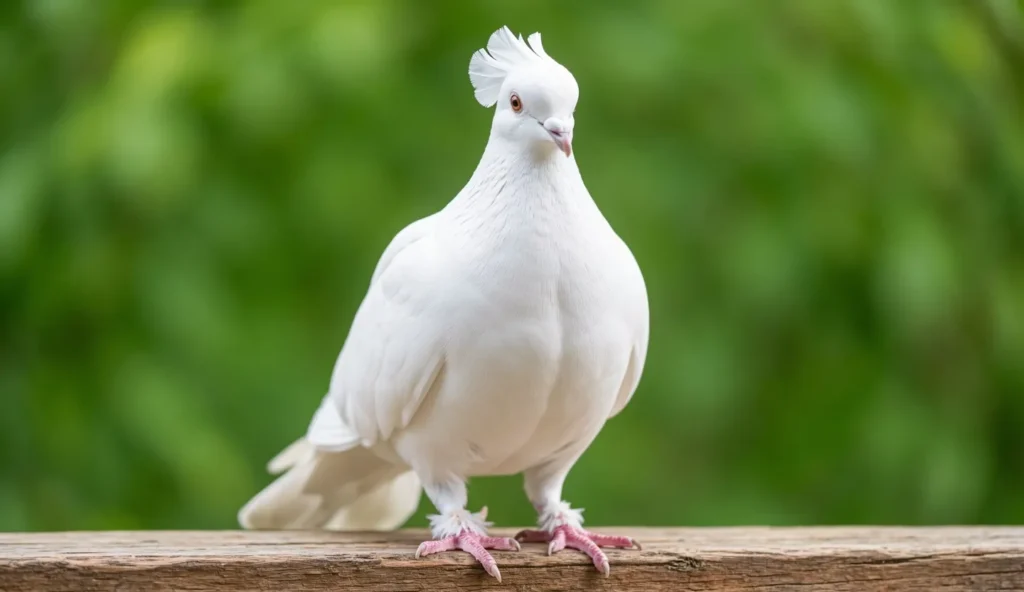
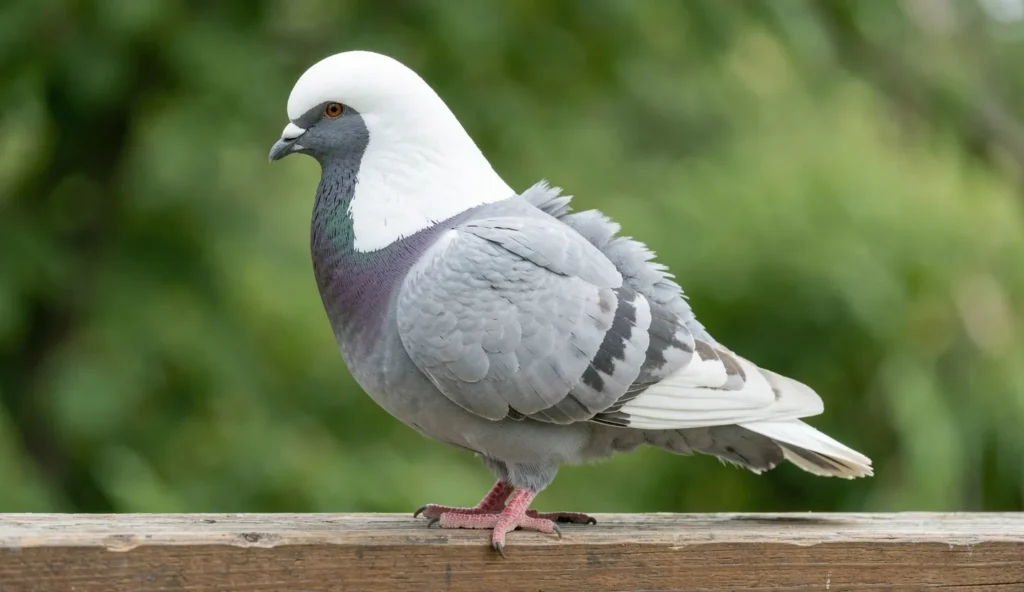
The Saxon Monk pigeon presents a balanced, compact body with a distinctive white hood that contrasts against its colored plumage. This breed stands out among crested pigeon fans for its clean lines and symmetrical crest.
The Monk Hood Crest
The crest forms a smooth hood that covers the back of the head and the nape of the neck, resembling a monk’s cowl. It is typically white, creating a sharp contrast with the body color. No two crests are exactly alike, giving each bird a unique expression.
Body Size and Color Varieties
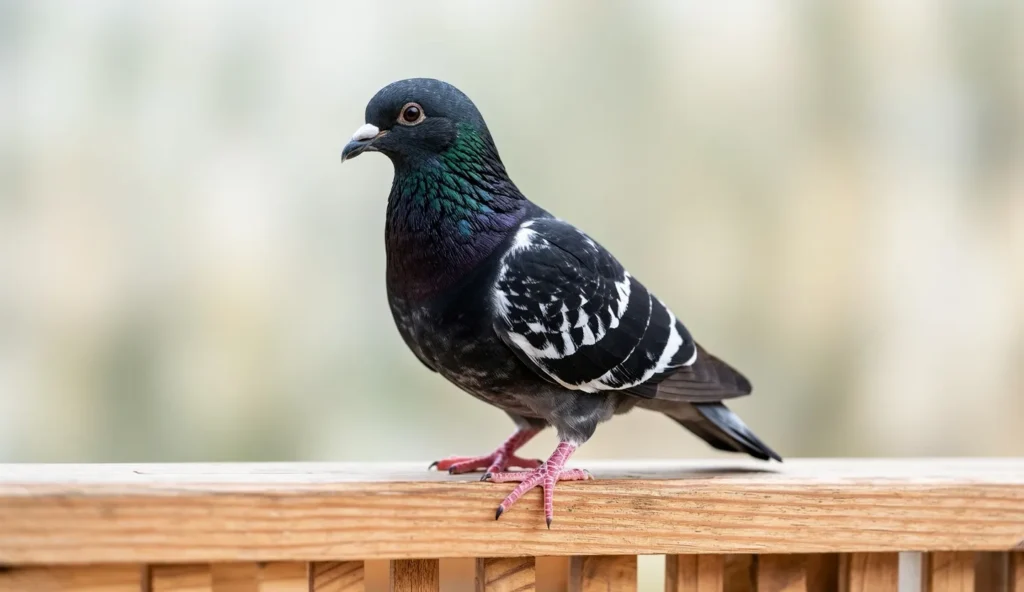
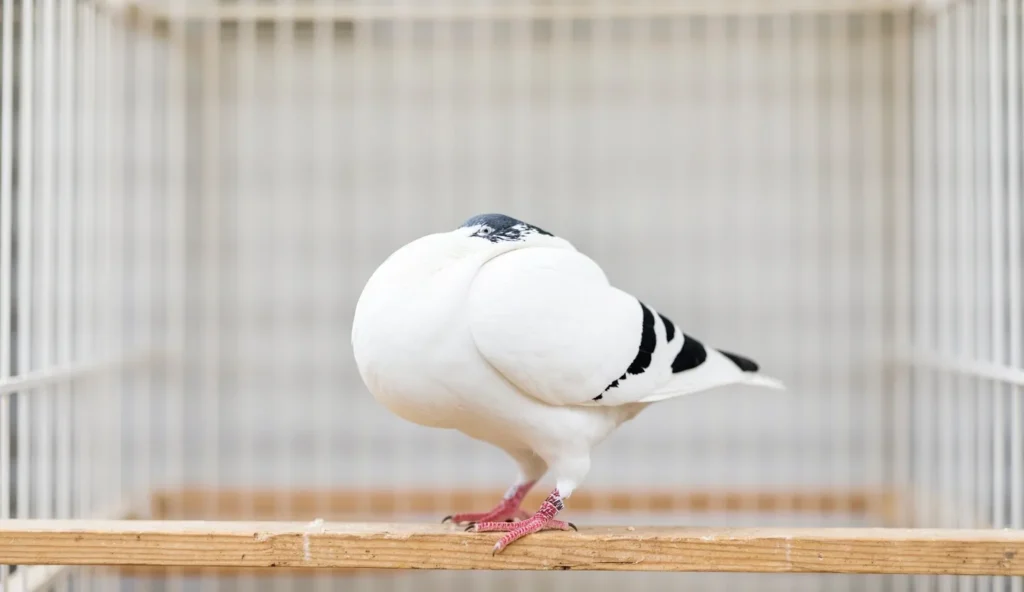
This medium-sized pigeon measures about 12 to 14 inches in length. Common body colors include blue, black, red, and yellow, all paired with a white crest. Feathers on the body are smooth and tight, while the crest remains soft and full.
Temperament and Personality
The Saxon Monk pigeon is known for its calm, docile nature, making it an excellent choice for beginners. It rarely shows aggression toward other pigeons or humans.
Docile Nature
This breed adapts well to captivity and enjoys quiet environments. It can be handled gently and often becomes tame with regular interaction. Its even temperament makes it a favorite among fanciers who keep multiple crested breeds together.
Exercise Requirements
Like all pigeons, the Saxon Monk needs regular flight time to maintain health and muscle tone. A confined loft alone is insufficient.
Flight Space
Provide a minimum of four hours of free flight daily in a secure outdoor aviary or enclosed room. The flying area should be at least 6 feet long to allow proper wing extension.
Loft Conditions
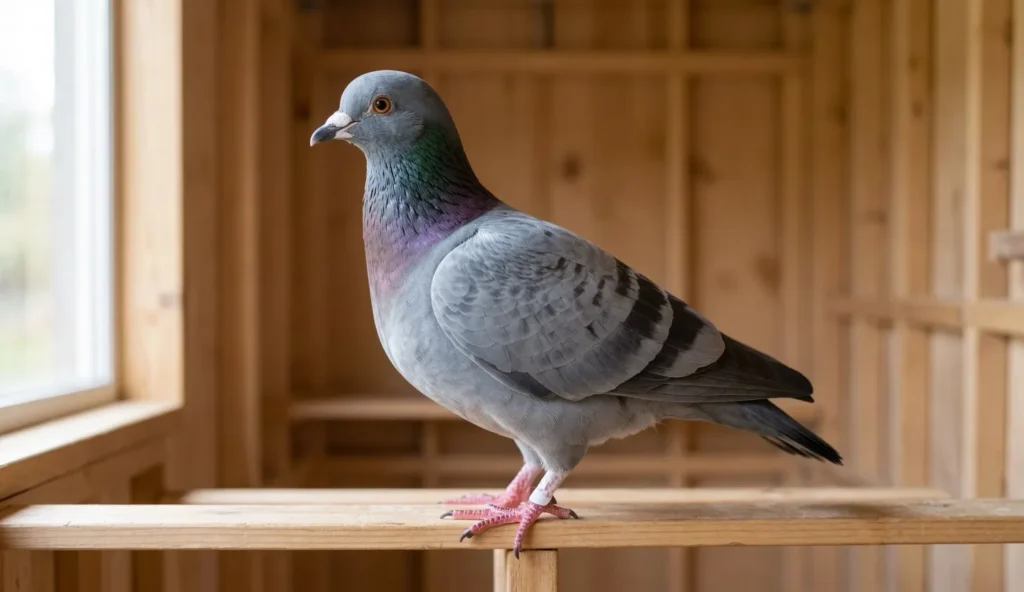
The loft must be dry, draft-free, and well-ventilated to prevent respiratory issues. Install perches at varying heights and provide nesting boxes for breeding pairs. A standard pair requires a loft size of at least 2x2x2 feet.
Training and Socialization
Early handling helps the Saxon Monk pigeon become comfortable with human contact. Training sessions should be short and positive.
Early Handling
Begin with small, calm interactions. Gently stroke the chest and avoid grabbing the crest. Over time, the bird will learn to step onto a hand or perch on command. Consistency is key.
Grooming and Care Tips
Proper grooming keeps the crest in excellent condition and prevents health problems. Regular attention to feathers, nails, and beak is necessary.
Feather Maintenance
Inspect the crest weekly for debris, mites, or broken feathers. Avoid over-handling the crest to prevent damage. The smooth body feathers require less attention but benefit from periodic checks.
Bathing Routine
Provide a shallow water bath two to three times per week. Use lukewarm water and let the bird dry naturally in a warm, draft-free room. Bathing helps keep the crest soft and clean.
Nail and Beak Care
Trim nails every four to six weeks with a small pet nail clipper. Check the beak for overgrowth and file it gently if needed. Overgrown nails can cause discomfort and affect perching.
Diet and Nutrition
A balanced diet supports the Saxon Monk’s health and feather quality. The foundation is a high-quality pigeon seed mix.
Feeding Guidelines
Core foods include wheat, corn, peas, millet, and safflower seeds. Supplement the diet with calcium grit, fresh greens (like spinach or lettuce), and a vitamin-mineral powder. Fresh water must be available at all times. Avoid overfeeding treats.
Common Health Issues
The Saxon Monk is generally hardy, but it can suffer from several preventable conditions. Awareness helps owners act quickly.
Prevalent Ailments
Respiratory infections are common in poorly ventilated lofts. Symptoms include sneezing, nasal discharge, and lethargy. Parasites such as mites and lice can infest the crest and body feathers. Egg binding may occur in females if calcium levels are low. Regular loft cleaning and a balanced diet reduce these risks.
Is a Saxon Monk Pigeon Right for You
This breed suits fanciers who appreciate ornamental crests and a quiet companion. The Saxon Monk requires moderate commitment.
Suitable Owners
Ideal for beginners and experienced keepers alike. It thrives in a calm setting with daily flight time and gentle handling. Those who cannot provide outdoor aviary space may struggle with its exercise needs.
Final Note
The Saxon Monk pigeon offers beauty and serenity in a compact package. With proper care, this crested breed will reward its owner with years of graceful presence.
Frequently Asked Questions
What does a Saxon Monk pigeon look like?
It has a medium body with a striking white hood crest that covers the back of the head. Color variations include blue, black, red, and yellow with a white crest. The rest of the body has smooth, tight feathers.
Are Saxon Monk pigeons good for beginners?
Yes, their calm and docile temperament makes them ideal for first-time pigeon keepers. They are easy to handle and adapt well to captivity.
How do you care for a Saxon Monk pigeon’s crest?
Inspect the crest weekly and avoid excessive handling to prevent feather breakage. Provide a shallow bath to help keep the crest clean and healthy.
What is the temperament of a Saxon Monk pigeon?
It is known for being calm, gentle, and non-aggressive. It gets along well with other pigeons and humans.
What should I feed a Saxon Monk pigeon?
A staple diet of pigeon seed mix with grains like wheat, corn, and peas. Supplement with calcium, grit, and fresh greens for balanced nutrition.
How much space does a Saxon Monk pigeon need?
A minimum loft size of 2x2x2 feet per pair with access to a flight area. Daily outdoor flight time in a secure aviary is essential for exercise.