What Is an Italian Owl Pigeon
The Italian Owl is a small, charming pigeon breed that originated in Italy. This bird belongs to the owl pigeon group, known for its compact body and gentle expression. The breed stands out for its calm temperament and suitability as a pet for pigeon enthusiasts.
These pigeons have been developed over generations to be both ornamental and friendly. They adapt well to captive life and form strong bonds with their owners. For those looking for a docile companion, the Italian Owl pigeon is an excellent choice.
Appearance and Physical Features
Size and Body Shape
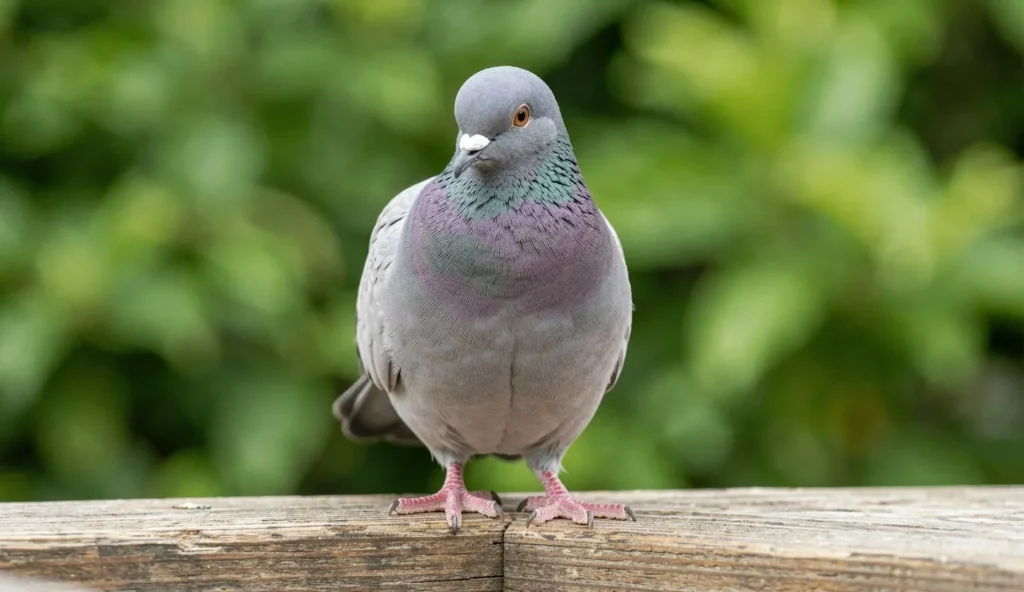
The Italian Owl pigeon has a small, compact body weighing between 300 and 400 grams. Its short neck and rounded chest give it a plump appearance. The legs are short and the feet are small, matching the breed’s overall petite frame.
This breed measures about 8 to 10 inches in length from beak to tail. The posture is alert yet relaxed, with the chest carried forward slightly. These proportions make the bird easy to handle and visually appealing.
Color Variations
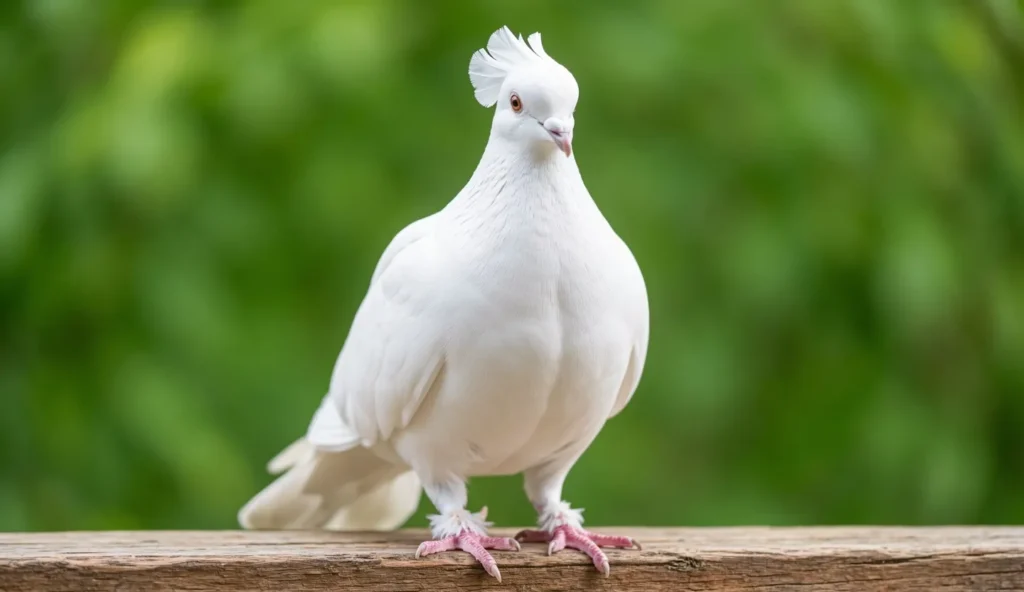
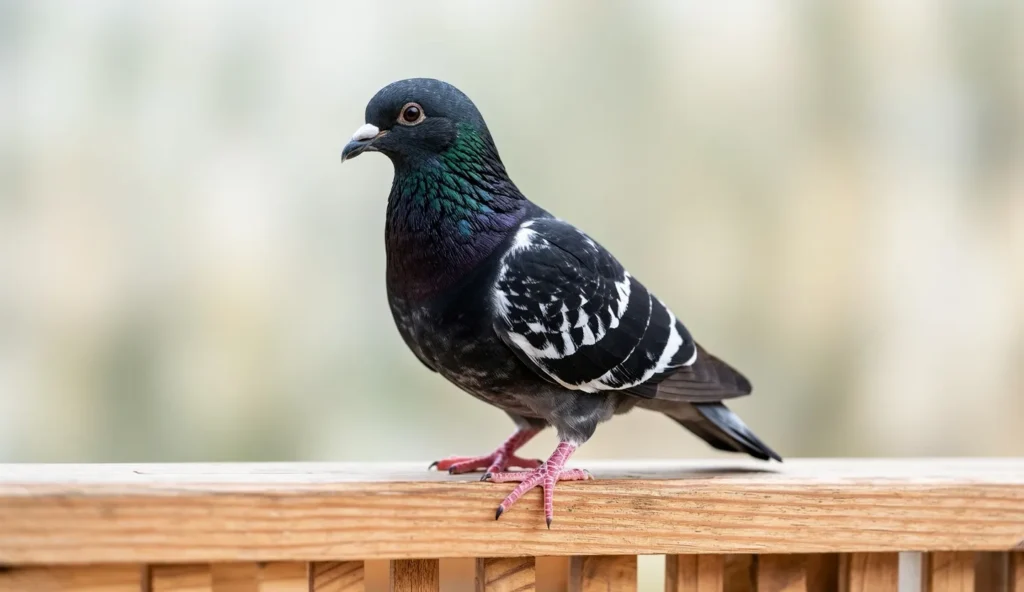
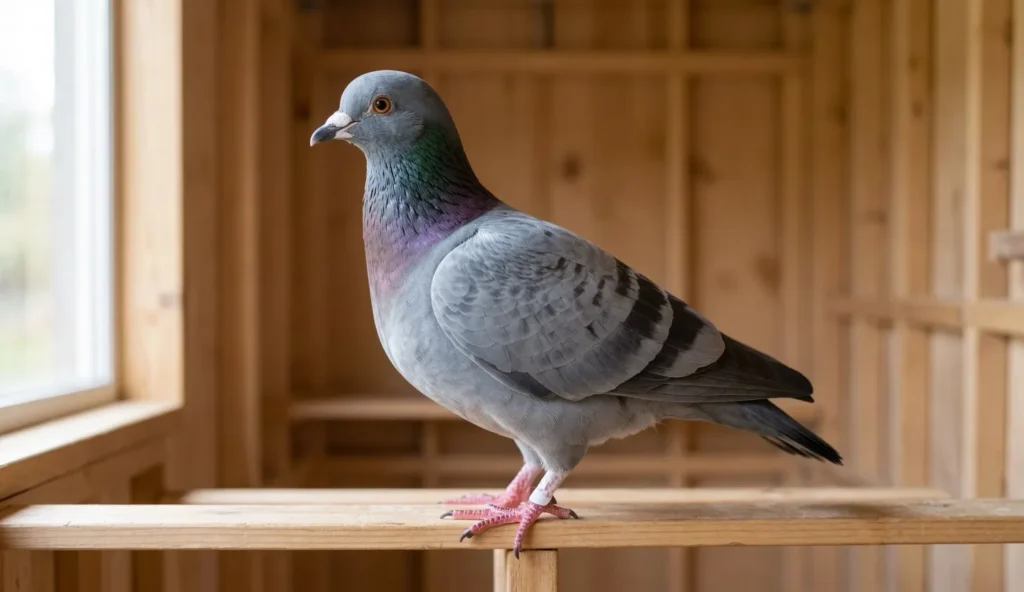
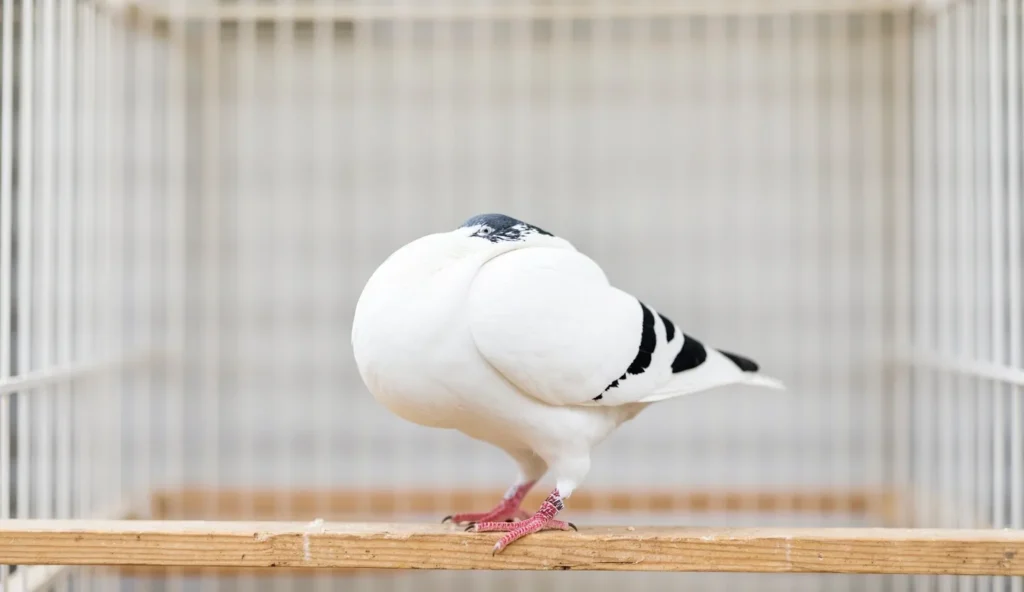
Common colors include solid white, black, red, yellow, and blue. Most Italian Owl pigeons are self-colored, meaning the entire body is one uniform shade. Some individuals have white flight feathers or white tips on the tail.
Other color patterns appear less frequently, but breeders continue to develop new varieties. The smooth feathering enhances the clean, solid color look. This simplicity adds to the breed’s elegant charm.
Distinctive Owl-Like Head
The head is rounded with a short, blunt beak that resembles an owl’s face. Large, expressive eyes give the bird a gentle and curious expression. The feathering on the head is smooth and tight, without any crest or frill.
This distinctive head shape is the breed’s hallmark and where the name “Italian Owl” comes from. The short beak is strong but not prominent, contributing to the soft facial profile. Owners often find this feature endearing.
Temperament and Personality
Handling and Bonding
Italian Owl pigeons are known for their calm and friendly nature. They rarely show aggression and are not easily startled. This makes them ideal for households with children or other pets.
The breed thrives on human interaction and will seek out attention from its owner. Once bonded, these pigeons often perch on a hand or shoulder willingly. They are among the most docile of the owl pigeon varieties.
A single bird can form a strong attachment to one person, but they also do well in pairs. Socializing from a young age helps maintain their trusting disposition. Consistent gentle handling reinforces their tame behavior.
Housing and Exercise Requirements
Indoor vs Outdoor Housing
A spacious outdoor aviary with a sheltered area is preferred for Italian Owl pigeons. The enclosure should protect the birds from predators, rain, and extreme temperatures. An indoor loft can work if it is well-ventilated and large enough for flight.
Minimum dimensions for a pair are approximately 2 feet wide, 3 feet deep, and 4 feet tall. The floor should be easy to clean, with a removable tray or substrate. Perches at different heights allow the birds to move and rest comfortably.
Flight and Exercise Needs
These pigeons need daily free flight inside a secure aviary or a bird-proof room. Aim for at least one to two hours of movement each day. Without enough exercise, they can become overweight and lethargic.
Adding ledges, branches, and platforms encourages climbing and hopping. A shallow water dish for bathing also stimulates activity. Regular flight keeps their muscles strong and supports overall health.
Training and Taming
Hand Taming Steps
Start taming by moving slowly and speaking softly near the cage. Offer treats such as millet spray or small seeds through the bars. Once the bird accepts food from your hand, open the cage door and continue the process inside.
Gradually increase the duration of handling sessions. Let the bird step onto your finger or hand at its own pace. Patience is essential, as forcing interaction can cause fear.
Recall Training
Use a consistent whistle or a specific word when calling the pigeon. Reward the bird immediately with a favorite seed when it comes to you. Start with short distances inside the aviary and gradually extend the range.
Regular short practice sessions yield the best results. Over time, the pigeon will associate the cue with a positive reward. This training strengthens the bond and makes daily management easier.
Grooming and Daily Care
Bathing
Provide a shallow dish of clean, lukewarm water two to three times per week. The water should be no deeper than the bird’s belly. Allow the pigeon to bathe naturally and then dry in a warm, draft-free area.
Bathing helps maintain feather condition and removes dust and debris. Never use cold water, as it can chill the bird. In cold weather, reduce bathing frequency to once a week.
Nail and Beak Care
Check nails monthly and trim them if they become overgrown. Use a small nail clipper designed for birds and avoid cutting the quick. If uncertain, file the nails with a fine nail file instead of clipping.
Provide a cuttlebone or mineral block for beak health and calcium. The bird will naturally wear down its beak by rubbing against these items. Monitor the beak for any abnormal growth or cracks.
Loft Cleaning
Remove droppings from the floor and perches every day to maintain hygiene. Scrub perches and feeding areas weekly with mild soap and water. Disinfect the entire loft once a month using a pet-safe disinfectant.
Clean water and food containers daily to prevent bacterial growth. Good sanitation prevents many common health problems. A clean environment also keeps the birds comfortable and reduces odors.
Diet and Nutrition
Seed Mixes
Feed a high-quality pigeon seed mix that includes millet, canary seed, and small grains. Avoid mixes containing large corn or beans, as Italian Owl pigeons cannot easily eat them. The seeds should be fresh and free from mold.
Provide about one to two tablespoons of seed per bird per day, adjusting based on activity level. Scatter seeds on a clean surface or use a shallow dish. Remove uneaten seeds after a few hours to keep the diet fresh.
Fresh Foods and Grit
Offer chopped leafy greens such as spinach, kale, or romaine lettuce several times a week. Provide a dish of commercial pigeon grit and crushed oyster shell for digestion and calcium. Limit fruit to small pieces once a week to avoid excess sugar.
Fresh vegetables provide essential vitamins and moisture. Introduce new foods gradually to avoid digestive upset. Always wash greens thoroughly before feeding.
Water and Supplements
Fresh, clean water must be available at all times. Change the water twice daily to prevent contamination. Add a liquid avian vitamin supplement to the water once a week, following the product instructions.
During hot weather, check water more frequently to ensure it stays cool. A water bottle with a sipper tube can reduce spillage. Clean the water container with hot water and mild soap each day.
Common Health Issues
Respiratory Infections
Drafts, poor ventilation, or stress can cause respiratory infections in Italian Owl pigeons. Symptoms include sneezing, nasal discharge, and lethargy. Prevent these issues by providing a clean, draft-free living space with good airflow.
If symptoms appear, isolate the affected bird and consult an avian veterinarian. Early treatment improves recovery chances. Maintaining a stable temperature around 65–75°F also supports respiratory health.
Parasites
External mites and lice can cause feather damage and skin irritation. Internal worms may lead to weight loss and poor condition. Use approved avian treatments and keep the loft clean to reduce parasite risks.
Regularly inspect the bird’s feathers and droppings for signs of infestation. Quarantine new birds before introducing them to an existing flock. A clean environment is the best preventive measure.
Egg Binding
Female Italian Owl pigeons can experience egg binding due to calcium deficiency or obesity. Signs include straining, lethargy, and a swollen abdomen. Provide calcium supplements and a balanced diet to reduce this risk.
If a hen is egg bound, place her in a warm, humid environment and consult a vet. Do not attempt to manually extract the egg. Proper nutrition and exercise are critical for reproductive health.
Is the Italian Owl Pigeon Right for You
The Italian Owl pigeon is an ideal pet for individuals or families who want a small, calm bird. This breed requires moderate daily care, including feeding, cleaning, and social interaction. Owners with limited space can keep them in an indoor aviary, as long as exercise needs are met.
Beginners find this breed easy to handle because of its docile temperament. Experienced pigeon keepers appreciate its unique appearance and friendly disposition. With proper attention, the Italian Owl pigeon becomes a rewarding companion for many years.