What Is a Chinese Owl Pigeon
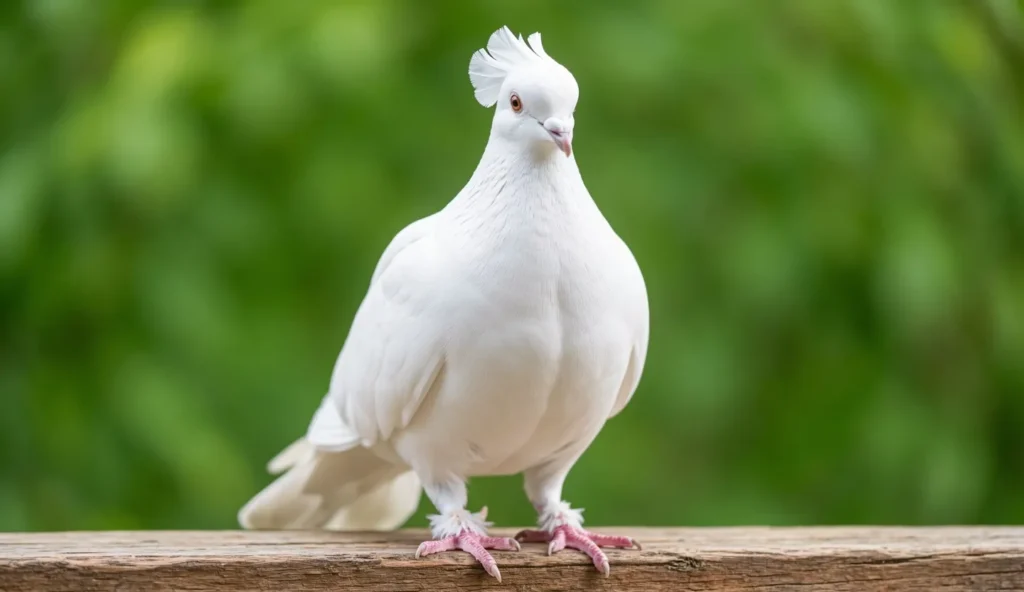
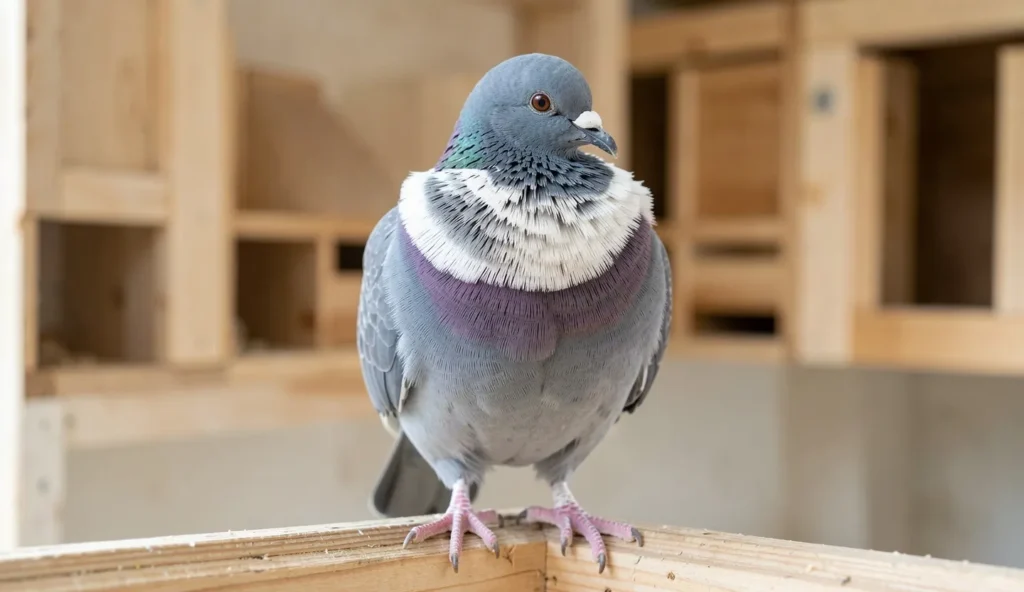
The Chinese Owl pigeon is a distinctive fancy breed that originated in China from Oriental pigeon stock. This bird belongs to the group of short-beaked owl pigeons and shares ancestry with breeds like the Oriental Frill. Its most defining features are a compact body and a profuse frill that covers the chest.
Origin and History
Breeders developed the Chinese Owl pigeon in China over centuries, selecting for a short beak and a full, even frill. The breed is closely related to other Oriental Owl varieties, including the Old German Owl, though the Chinese Owl has a more extreme head shape. These pigeons were prized in Asia for exhibition and later gained interest among Western breeders.
Why Breeders Value the Chinese Owl
Experienced breeders seek the Chinese Owl for its unique appearance and calm demeanor. The short beak and full frill create an elegant silhouette that stands out in shows. However, owl pigeon breeding requires patience, as the short beak often leads to feeding difficulties in squabs and demands attentive management.
Physical Characteristics of the Chinese Owl
The Chinese Owl pigeon has a medium-sized, compact body with a well-rounded chest. Its short, thick beak is a hallmark of the breed, while the frill must be full and evenly distributed from the neck to the chest. Breed standards require clean legs with no feathering.
Size and Body Structure
These birds are medium-sized, typically weighing 300 to 400 grams. The body is short and cobby, giving a rounded appearance. The beak is noticeably short and thick, which can cause squabs to struggle with feeding if both parents have extremely short beaks.
Color Varieties and Patterns
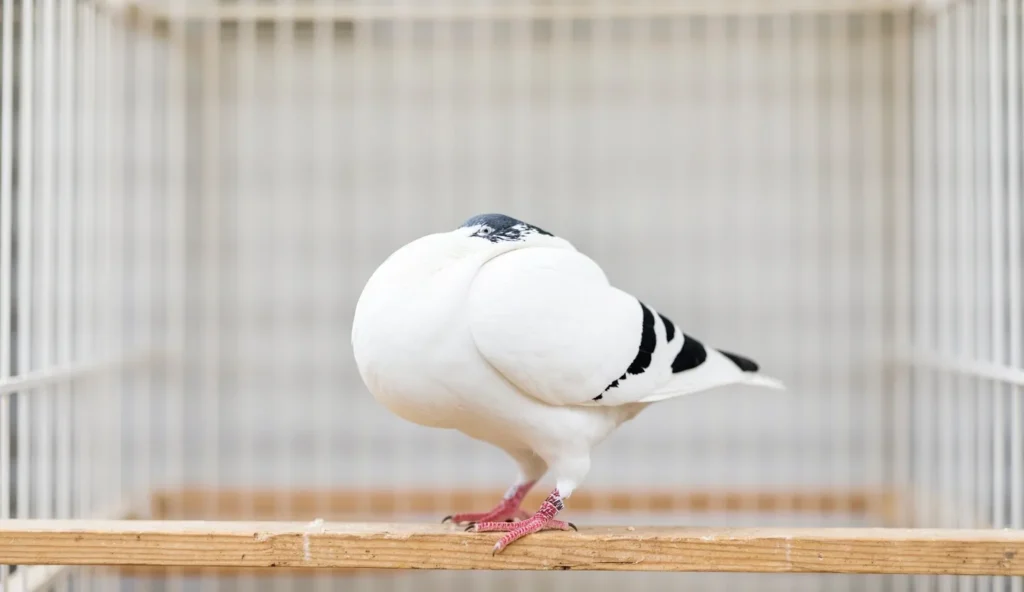
Chinese Owl pigeons come in self colors such as black, red, yellow, blue, and silver. Marked patterns include pied and saddle. The frill should match the body color, and wing bars are not desirable in most varieties. Consistency in color and pattern is a priority for serious breeders.
Beak and Frill Details
The beak is very short and blunt, typical of Oriental Owl breeds. The frill originates from the lower neck and spreads over the chest in an unbroken sweep. Feather quality on the frill must be soft and dense, without bald spots. Proper nesting materials help preserve frill integrity.
Temperament and Behavior
The Chinese Owl pigeon has a calm and gentle temperament, making it suitable for exhibition and handling. These birds are not aggressive and can be kept in mixed lofts, though separate nesting areas help reduce competition. Their quiet nature requires a stress-free environment to thrive.
Breeding the Chinese Owl Pigeon
Successful owl pigeon breeding hinges on selecting the right pairs and managing squab care. The short beak trait requires special attention throughout the breeding cycle.
Selecting Breeding Pairs
Choose birds with strong frill development and a short but not extreme beak. Avoid pairing two extremely short-beaked individuals, as this increases the risk of squab mortality from feeding failure. Monitor offspring for deformities and cull birds with misshapen beaks or weak frills.
Nesting Environment and Setup
Provide deep nest bowls, 8 to 10 inches wide and 4 inches deep, to protect the frill from damage. Use soft bedding such as straw or pine shavings. Keep the loft quiet and free from drafts, as stress can disrupt incubation.
Incubation and Hatching
Incubation lasts 17 to 19 days, with both parents sharing duties. Short-beaked parents may face difficulty feeding hatchlings, so have a plan for fostering or hand-feeding. Check crops daily during the first week.
Caring for Squabs
Weigh squabs daily to ensure they are gaining properly. If crop emptying slows, supplement with a hand-feeding tube using warm pigeon formula. The frill begins developing at two to three weeks; minimize handling to avoid breaking new feathers.
Housing and Environment for Breeding
Optimal housing supports healthy breeding and reduces disease. Chinese Owl pigeons need a clean, well-ventilated loft with controlled temperature and humidity.
Loft Size and Layout
Provide at least 2 cubic feet per bird for breeding pairs. Separate the loft into nesting and flying sections. Ensure good ventilation without direct drafts, which can cause respiratory problems.
Temperature and Humidity
Maintain temperatures between 50°F and 80°F (10°C to 27°C). Avoid high humidity, which encourages fungal growth. Use fans or vents in summer and insulate the loft in winter to keep conditions stable.
Cleaning and Maintenance
Remove droppings and soiled bedding daily. Disinfect feeders and waterers weekly. Perform a deep clean of the entire loft every three months to prevent parasite buildup.
Diet and Nutrition for Optimal Health
Proper Chinese pigeon care includes a balanced diet with small seeds suited to short beaks. Breeders need additional supplements before and during the breeding season.
Base Feed Mix
Use a high-quality pigeon grain mix with 14 to 16 percent protein. Include small seeds like millet, canary seed, and hemp. Avoid oversized grains that short-beaked birds cannot handle.
Supplements for Breeders
Provide calcium and vitamin D3 to support egg production. Offer grit and oyster shell free-choice. Add probiotics during periods of stress or after medication to maintain gut health.
Feeding Squabs and Hand-Rearing
If parents cannot feed, use a hand-feeding formula with 18 to 20 percent protein. Warm the formula to 100–105°F (38–41°C). Feed three to four times daily until the crop empties completely.
Common Health Issues and Prevention
Chinese Owl pigeons are prone to respiratory infections, crop issues in squabs, and feather problems. Preventive measures keep the flock healthy.
Respiratory Infections
Poor ventilation or damp conditions cause sneezing, nasal discharge, and labored breathing. Maintain clean airflow and dry bedding. Isolate sick birds and treat with appropriate antibiotics under veterinary guidance.
Crop Issues in Squabs
Slow crop emptying may result from the short beak or weak feeding. This can lead to sour crop or crop stasis. Hand-feed and gently massage the crop to stimulate digestion.
Feather and Frill Problems
Frills can become matted or broken from rough nesting. Mites also damage feather quality. Use soft bedding and treat the loft for mites regularly. The Ice pigeon shares similar feather care needs, though its frill is less pronounced.
Is the Chinese Owl Pigeon Right for You
This breed suits experienced breeders who enjoy managing challenging traits. The Chinese Owl demands careful attention to feeding, nesting, and health. Success brings the reward of producing stunning exhibition birds that turn heads at shows. For those ready to invest the time, the Chinese Owl pigeon is a deeply satisfying breed to work with.
Frequently Asked Questions
How long do Chinese Owl pigeons typically live?
Average lifespan is 8 to 12 years with proper care, and some well-maintained birds reach 15 years.
Do Chinese Owl pigeons require special nesting boxes?
Yes, deep nest bowls protect the frill from damage. Round bowls 8 to 10 inches wide and 4 inches deep work best.
What is the best way to feed a Chinese Owl pigeon with a short beak?
Use small seeds like millet and canary seed in the mix. Provide feed in shallow dishes to make access easier.
Can Chinese Owl pigeons be kept in a mixed loft with other breeds?
Yes, but separate nesting areas are recommended. Monitor for bullying, as larger breeds may outcompete for food.
How can I encourage frill development in young Chinese Owl pigeons?
Ensure a high-protein diet and minimize stress during feather growth. Avoid excessive handling to prevent feather breakage.
What genetic issues are common in Chinese Owl pigeons?
The short beak can cause feeding difficulties in squabs. Inbreeding may lead to weak frill or misshapen beaks.
Final Note
Breeding Chinese Owl pigeons is a rewarding pursuit for dedicated fanciers. With careful management and attention to the breed’s unique needs, these birds can thrive and produce beautiful offspring. The Syrian pigeon and the Lahore pigeon also offer distinct challenges, but the Chinese Owl remains a favorite among Oriental breed enthusiasts.