What Is a Russian Tumbler Pigeon
Origins and Purpose
The Russian Tumbler is an ancient pigeon breed developed in Russia for its acrobatic tumbling abilities. This cold hardy pigeon thrives in harsh northern climates due to its dense feathers and robust metabolism. Pigeon fanciers prize Russian Tumbler pigeons for their endurance and distinctive flying style.
Appearance and Physical Features
Size and Body Structure
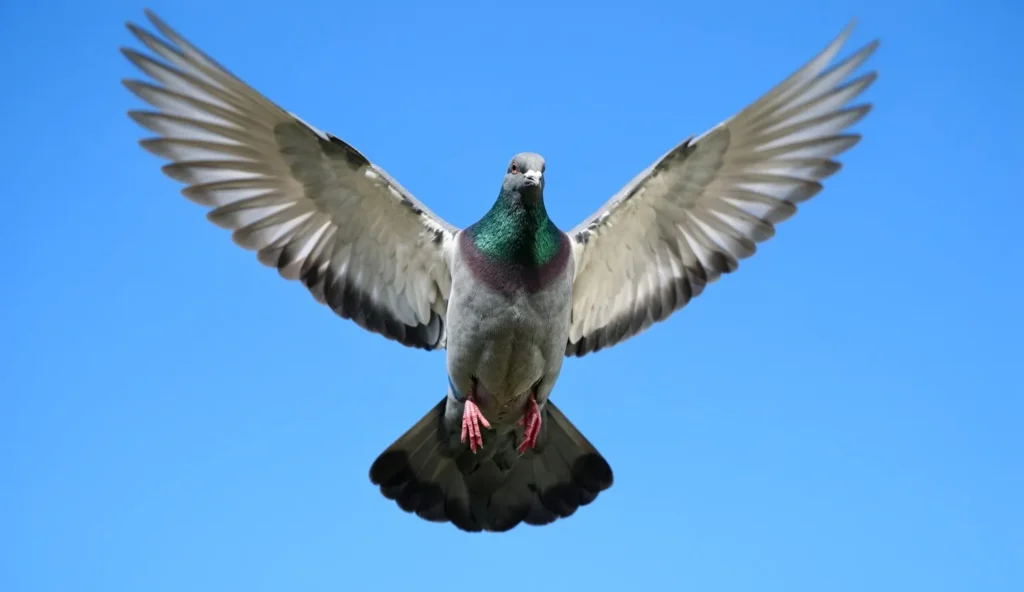
Russian Tumblers are medium-sized pigeons with a compact, muscular body. They have a broad chest and strong wings that generate powerful flight. The tail is short and rounded, which aids in their tumbling maneuvers.
Color Variations
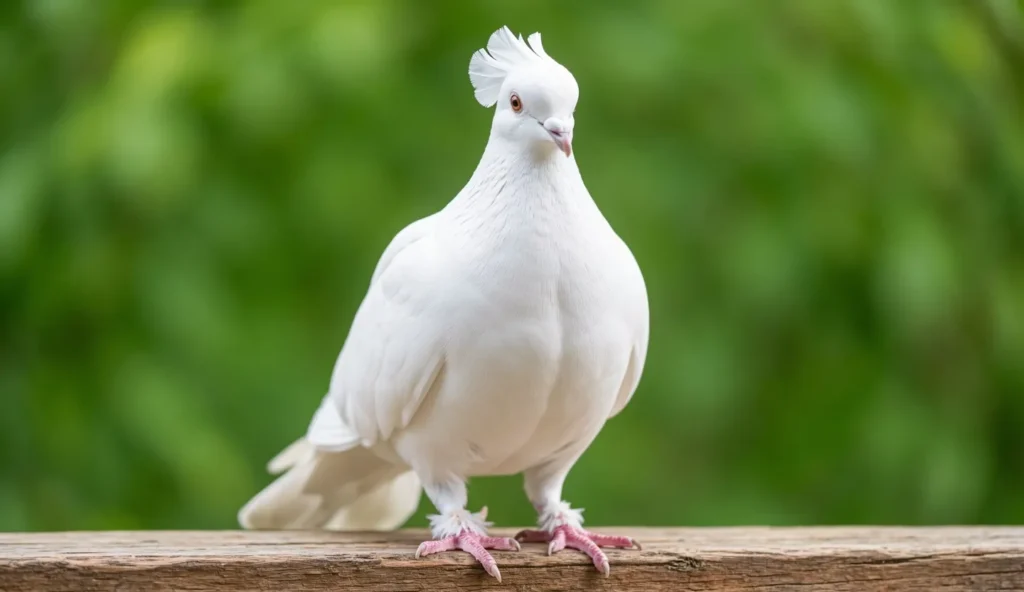
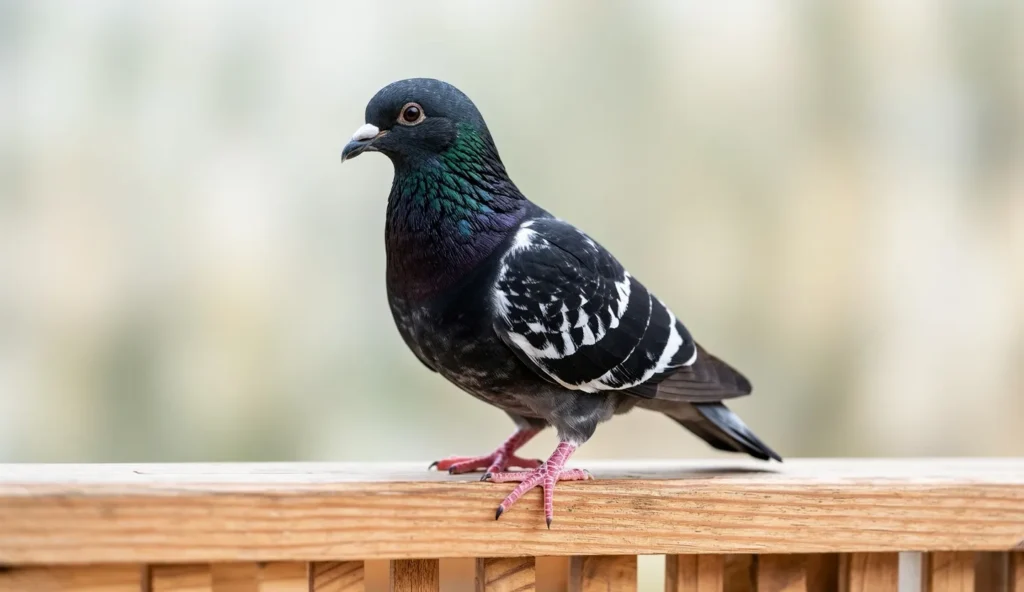
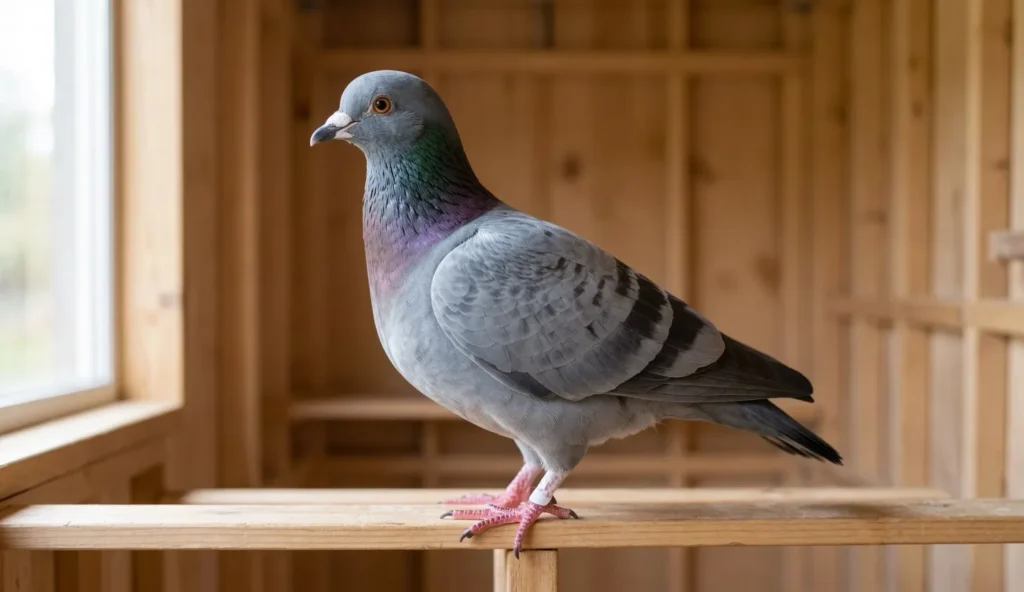
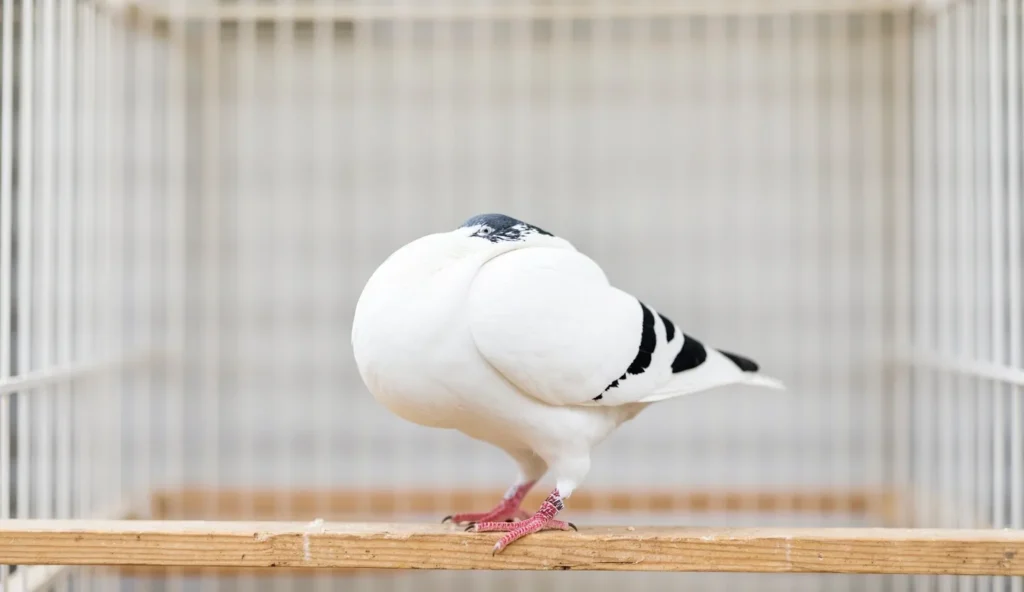
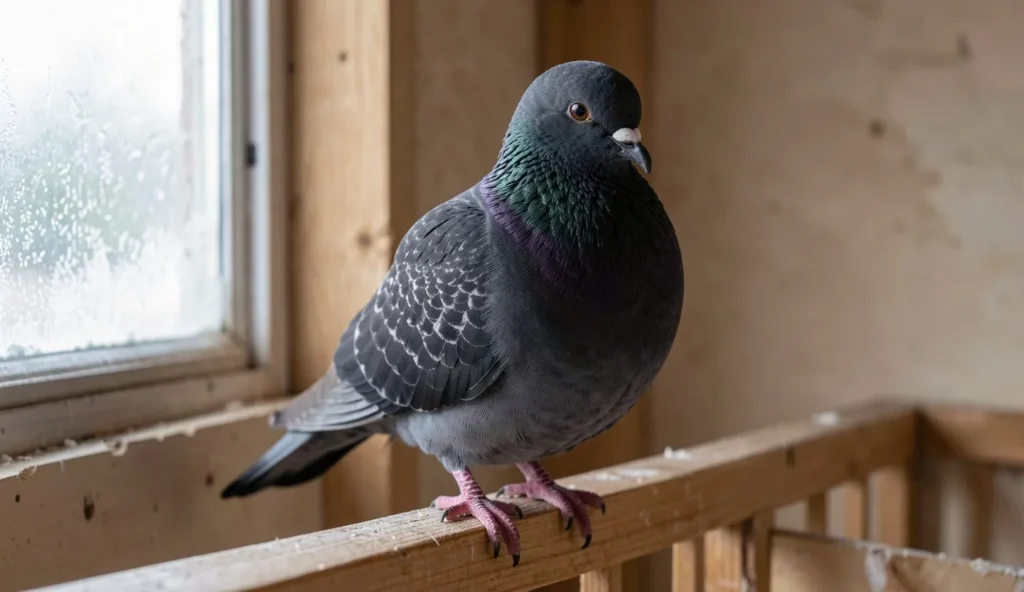
Common colors include black, blue, red, and white. Some birds display mottled patterns or solid shades. The feathers are dense and lie tight against the body, providing insulation against cold weather. This trait makes the Russian Tumbler pigeon an excellent choice for outdoor lofts in winter.
Distinctive Head and Eyes
The head is round with a short, stout beak. Eyes are dark and feature a prominent cere. Russian Tumbler pigeons have a clean head profile with no crest or frill.
Temperament and Personality
High Energy and Stamina
Russian Tumblers are active fliers with strong tumbling instincts. They require regular exercise in a safe loft to stay healthy. The breed is intelligent and responds well to training. Keepers often compare their energy to that of an Oriental Roller, another performance-focused pigeon.
Social Behavior
These pigeons are generally peaceful and can be kept in small groups. They bond strongly with their keeper if handled from a young age. Russian Tumbler pigeons are less aggressive than many other breeds, making them easier to manage in mixed lofts.
Housing and Cold Climate Care
Loft Size and Ventilation
A pair of Russian Tumblers needs at least 8–10 cubic feet of indoor loft space. Good ventilation is essential, but drafts must be avoided. A south-facing loft helps retain warmth during winter months.
Insulation and Winter Protection
Insulated walls and a thick roof reduce heat loss in freezing conditions. Deep bedding of straw or wood shavings keeps the floor dry. Russian Tumbler pigeons acclimate naturally without supplemental heat if the loft remains dry and draft-free.
Sheltered Flight Area
A covered outdoor aviary allows exercise even in bad weather. Provide perches and ledges for roosting. A windbreak wall on the north side protects birds from icy gusts.
Diet and Nutrition
Staple Grain Mix
The base diet consists of high-carbohydrate grains such as corn, wheat, and barley. Protein from peas and lentils should make up 14–16% of the mix. Avoid excessive fat; limit sunflower seeds to occasional treats.
Cold Weather Feeding
Increase the grain portion by 10–15% in winter to support higher calorie needs. Adding a small amount of hemp seed provides extra energy for warmth. Fresh water must remain unfrozen; heated waterers are recommended for Russian Tumbler care in cold regions.
Supplements and Grit
Crushed oyster shell supplies calcium for strong bones. Pigeon grit with minerals aids digestion. Vitamin supplements are beneficial during molt and periods of extreme cold. Keepers of other hardy breeds like the Ice pigeon use similar supplementation strategies.
Grooming and General Care
Feather Condition
Check for lice and mites on a regular basis. Provide a dust bath with diatomaceous earth to control external parasites. A shallow pan of warm water for bathing once a week keeps feathers clean and flexible.
Beak and Feet Care
Trim overgrown beak tips carefully with nail clippers. Inspect feet for signs of scaly leg mites. Clean perches frequently to prevent infections. Similar hygiene routines apply to the Turbit pigeon, another fancy breed that benefits from regular foot care.
Common Health Issues
Respiratory Infections
Cold drafts and damp bedding can trigger respiratory problems. Watch for sneezing, nasal discharge, and lethargy. Treatment involves antibiotics and improved ventilation. Raise the loft humidity to moderate levels, similar to recommendations for the Longface Tumbler.
Parasites and External Pests
Mites and lice become more common in crowded lofts. Scaly leg mite causes crusty legs and discomfort. Use permethrin dust or Ivermectin drops as directed. Good loft hygiene is the best prevention.
Tumbling Injuries
Collisions during tumbles can lead to wing or leg injuries. Provide a clear, obstacle-free flight space to minimize accidents. Isolate injured birds in a quiet recovery area. The English Shortface Tumbler shares similar tumbling risks.
Is a Russian Tumbler Right for You
Ideal Keeper Profile
This breed suits pigeon fanciers in cold climates with outdoor lofts. Owners who enjoy watching flying and tumbling performances will appreciate the Russian Tumbler pigeon. Keepers must provide regular exercise and training to maintain the bird’s natural abilities.
Things to Consider
Russian Tumblers are not lap pets; they thrive best in a loft or aviary environment. Cold-proof housing requires an initial investment of time and materials. The tumbling instinct can occasionally cause injuries, so safe housing is critical.
Frequently Asked Questions
How cold can Russian Tumbler pigeons tolerate?
Russian Tumblers can tolerate temperatures down to -20°F (-29°C) if provided with a dry, draft-free loft. Their dense feathers and high metabolism help them stay warm.
Do Russian Tumblers require special training for tumbling?
Tumbling is an instinctive behavior, but young birds may need guidance and a safe flying area to develop the skill. Regular free flight in a protected loft encourages natural tumbling.
What is the lifespan of a Russian Tumbler pigeon?
With proper care, Russian Tumblers can live 10 to 15 years. Good diet, clean housing, and veterinary checkups extend their lifespan.
Can Russian Tumbler pigeons be kept with other pigeon breeds?
Yes, they are generally peaceful and can coexist with other non-aggressive pigeon breeds. Monitor for bullying in mixed groups and provide enough space.
How much space does a pair of Russian Tumblers need?
A pair requires at least 8 cubic feet of loft space plus a covered flight area of about 4x4x6 feet. More space is better for exercise and tumbling.
What should I feed a Russian Tumbler in winter to keep it healthy?
Increase grains like corn and barley by 10–15% and add hemp seed for extra energy. Always provide unfrozen water and calcium supplements.
Final Note
Russian Tumbler pigeons are a rewarding breed for dedicated keepers who can meet their cold-climate housing needs. With proper care, these energetic birds will provide years of fascinating tumbling displays.