What Is a Dragoon Pigeon
The Dragoon pigeon is one of the oldest domestic pigeon breeds, originating in England during the 18th century. This breed stands out for its large head, short thick beak, and fierce dragon-like expression. Historical pigeon enthusiasts value the Dragoon for its unique form and deep connection to the early days of the pigeon fancy.
Breeders developed the Dragoon from ancient pigeon lines, selecting for a distinct head shape and a wide mouth. The breed’s name comes from its resemblance to a dragon, with a prominent forehead and a short, downward-curved beak. Today, the Dragoon remains a living piece of pigeon fancy history.
Where Did the Dragoon Pigeon Come From
Early Development in England
The Dragoon pigeon first appeared in England during the 1700s. Fanciers of that era crossed various ancient pigeon breeds to create a bird with an oversized head and a fierce expression. The breed’s wide gape and thick beak gave it a dragon-like appearance that quickly caught the attention of early pigeon enthusiasts.
Selective breeding focused on exaggerating the head size and beak curvature. By the early 1800s, the Dragoon had become a recognized breed in British pigeon circles. Its distinct look made it a favorite among breeders who valued form over function.
Role in the Pigeon Fancy
The Dragoon pigeon served as a foundation breed for many modern show pigeons. Its genetic contribution helped shape breeds like the Birmingham Roller and the English Short-Faced Tumbler. The dragoon pigeon breed also influenced the development of other fancy pigeons, including the saxon shield pigeon, which shares some structural traits.
During the 19th century, Dragoons were regularly exhibited at pigeon shows across England. Breeders prized them for their upright stance, broad chest, and unique head shape. The breed’s popularity peaked in the Victorian era when pigeon fancying became a widespread hobby.
Historical Significance
The Dragoon pigeon appears in early pigeon literature, with detailed descriptions from 19th-century fanciers. Books from that period highlight the breed’s unusual appearance and discuss its breeding standards. Despite a decline in popularity, dedicated breeders preserved the Dragoon through selective breeding programs.
Today, the Dragoon is considered a rare breed. It represents a direct link to the origins of the pigeon fancy. Enthusiasts who study dragoon pigeon history find that this breed offers insight into early selective breeding practices.
What Are the Distinctive Physical Traits of the Dragoon Pigeon
Size and Body Structure
The Dragoon pigeon is a medium to large bird with a muscular, upright body. It has a broad chest, a strong back, and long wings carried close to the flanks. The bird stands with a proud posture, giving it a commanding presence in the loft.
Compared to other utility breeds, the Dragoon has a shorter, more compact frame. Its legs are medium in length and set well apart. The overall impression is one of power and balance.
Head and Beak Shape
The Dragoon’s most notable feature is its large, round head with a prominent forehead. The beak is short, thick, and curves downward sharply, resembling a dragon’s snout. The wide gape adds to the fierce expression, and the cere (the white bump at the base of the beak) is unusually large.
The eyes are bright orange or bull-colored, set deep in the skull. The short, broad face distinguishes the Dragoon from other pigeon breeds. This unique head shape is the breed’s hallmark and the primary reason for its historical popularity.
Plumage Colors and Patterns
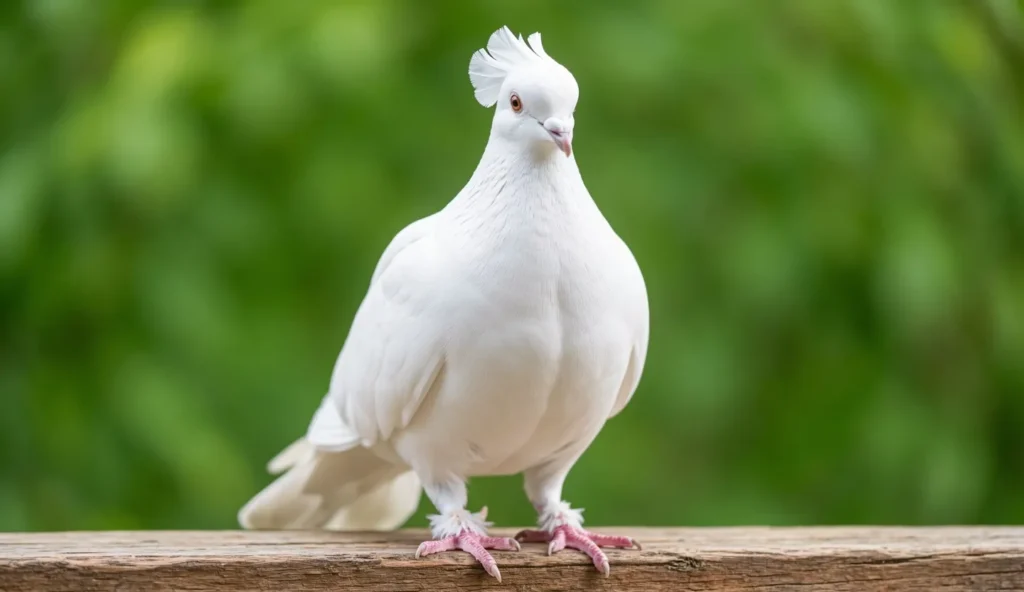
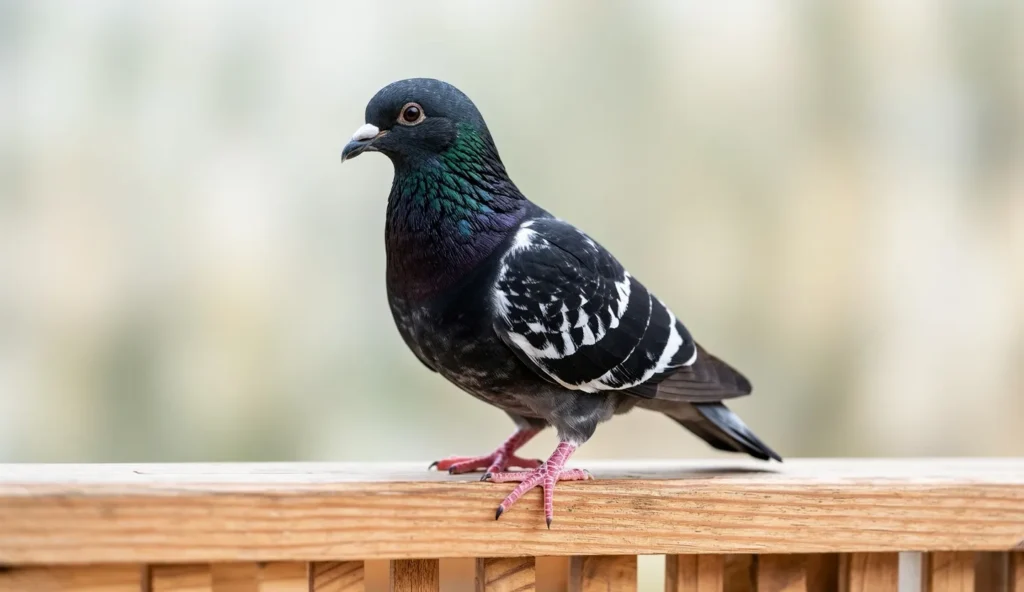
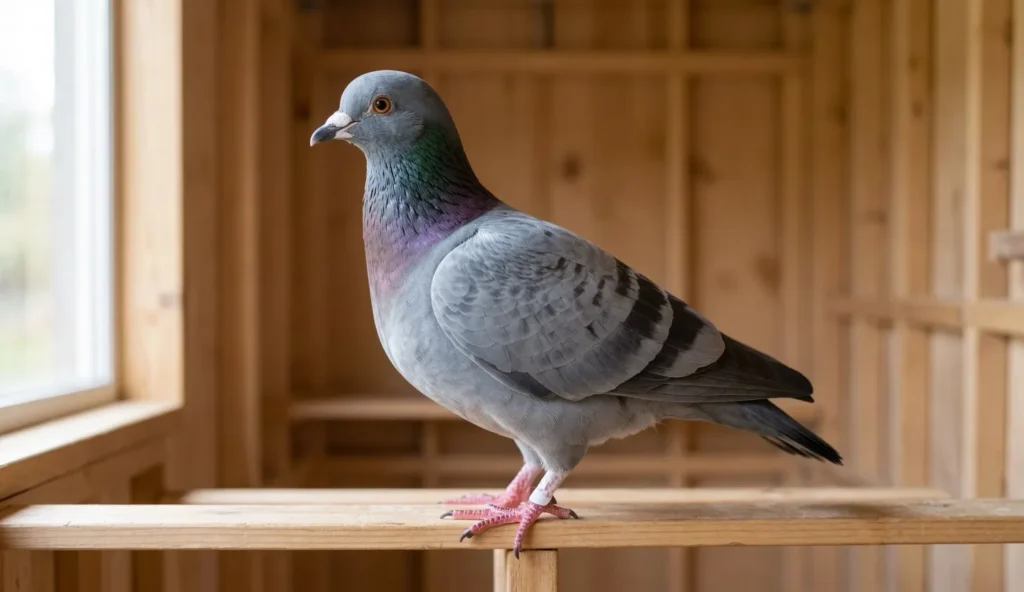
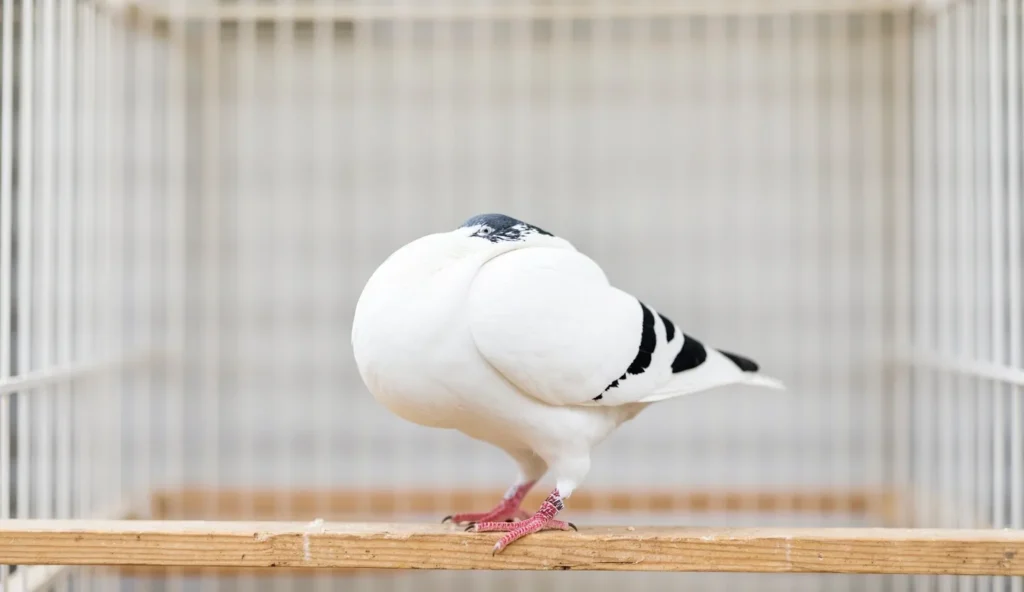
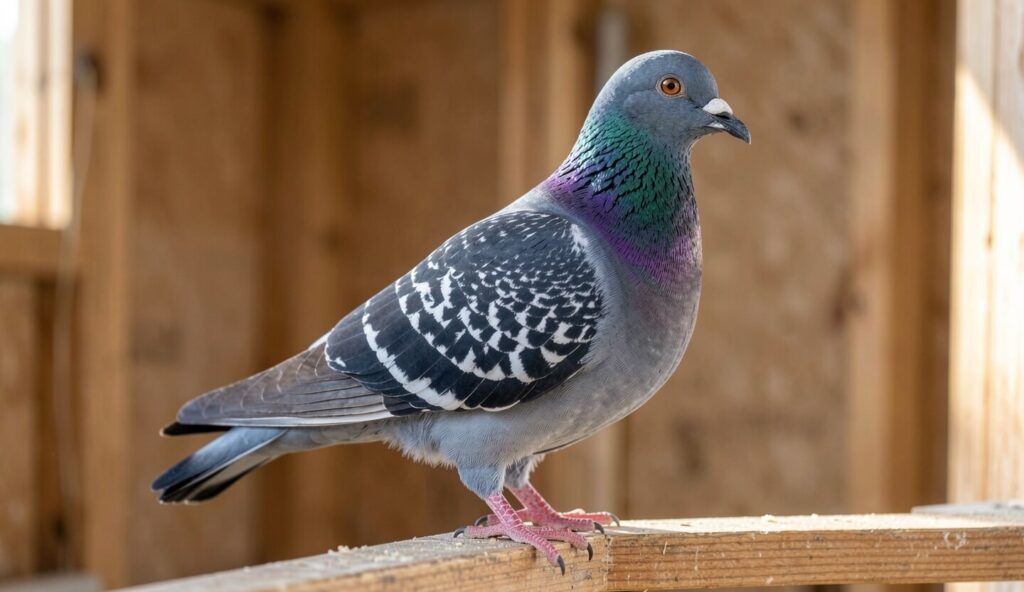
Dragoon pigeons come in several colors, including blue, black, red, and yellow. Many birds display white bars on the wings or laced patterns on the feathers. The plumage is tight and glossy, with a healthy sheen that exhibitors prize.
Color variations are similar to those found in other old fancy breeds, such as the ice pigeon, which also has blue-gray feathering. Breeders select for even color distribution and clean markings.
Distinguishing Features
Several traits set the Dragoon apart from other pigeons. The large cere and unusually wide mouth are immediately noticeable. The short, broad face combined with the curved beak creates a profile that is instantly recognizable.
Other fancy breeds like the damascene pigeon have a more refined head, whereas the Dragoon emphasizes brute strength. This bold appearance makes the Dragoon a standout in any exhibition.
What Is the Temperament of the Dragoon Pigeon
Behavioral Traits
Dragoon pigeons are generally calm and gentle birds. They adapt well to life in a loft and tolerate handling from their keepers. Males can become territorial during breeding season, but this behavior is common among many pigeon breeds.
These pigeons are not known for aggression. They interact peacefully with other birds in a mixed loft. Their docile nature makes them suitable for beginners and experienced fanciers alike.
Dragoons are not strong fliers and prefer to stay near the loft. They do not require extensive free-flight time, which makes them ideal for exhibition-focused keepers.
How to Care for a Dragoon Pigeon
Housing Requirements
The Dragoon pigeon needs a spacious loft with perches and nesting boxes. Good ventilation is essential, but the loft must protect the birds from drafts. Clean bedding should be changed regularly to prevent the buildup of waste and disease.
Each pair requires about 2 to 3 cubic feet of space. Nesting boxes should be at least 12 inches square. The loft should have natural light and be kept dry.
Diet and Nutrition
A high-quality grain mix forms the basis of the Dragoon diet. The mix should include peas, corn, wheat, and smaller seeds. Grit and mineral supplements help with digestion and beak health.
Fresh water must be available at all times. During breeding and molting, extra protein and calcium support optimal health. Overfeeding should be avoided to prevent obesity, which can affect the bird’s appearance.
Grooming and Health Checks
Dragoon pigeons benefit from weekly bathing opportunities. A shallow pan of water allows them to clean their feathers. Regular checks of the beak, feet, and vent help detect parasites or injuries early.
Nails may need trimming if they overgrow. The beak should be inspected for cracks or deformities. Keeping the loft clean is the best way to prevent health issues.
What Health Issues Affect Dragoon Pigeons
Common Ailments
Dragoon pigeons are susceptible to respiratory infections, especially in poorly ventilated lofts. Coccidiosis and worm infestations can occur if hygiene is neglected. Young birds may face canker or salmonella if not properly cared for.
Preventive measures include regular cleaning, proper nutrition, and quarantine of new birds. Vaccinations are not standard for pigeons, but good husbandry reduces risks significantly. Routine health checks by a veterinarian experienced with birds are recommended.
Is the Dragoon Pigeon Right for You
Suitability Assessment
The Dragoon pigeon is an excellent choice for historical pigeon enthusiasts and exhibition breeders. Its unique appearance and calm temperament make it a rewarding breed to keep. However, it requires a dedicated keeper who can provide a clean loft and a balanced diet.
Beginners will find the Dragoon easy to handle, but they must commit to regular maintenance. Those interested in showing will appreciate the breed’s distinctive look and rich history. If you value rare breeds with a story, the Dragoon is a worthy addition to your loft.
For those exploring other old pigeon varieties, the lahore pigeon offers a gentle temperament and elegant plumage, while the king pigeon is a larger utility breed with a different purpose.
Frequently Asked Questions
What is a Dragoon pigeon?
A Dragoon pigeon is an old domestic breed known for its large head, short thick beak, and dragon-like expression. It was developed in England in the 1700s.
How long do Dragoon pigeons live?
With proper care, Dragoon pigeons typically live 10 to 15 years.
Are Dragoon pigeons aggressive?
Dragoon pigeons are generally calm and gentle, but males can be territorial during breeding season.
What colors do Dragoon pigeons come in?
Common colors include blue, black, red, and yellow, often with white bars or laced patterns.
Can Dragoon pigeons fly?
Dragoon pigeons can fly but are not strong long-distance fliers. They are often kept in lofts for exhibition rather than for racing.
What makes the Dragoon pigeon unique?
Its unusually large head, wide mouth, and short curved beak give it a distinctive dragon-like profile rarely seen in other pigeon breeds.
Final Note
The Dragoon pigeon remains a fascinating breed for those who appreciate pigeon fancy history and unusual bird forms. With proper care and attention, this historic breed can thrive in a dedicated keeper’s loft.