What Is a Longface Tumbler Pigeon
Origins and Defining Purpose
The Longface Tumbler is a distinct pigeon breed developed through selective breeding for its elongated head profile and aerial tumbling ability. Originating in Europe, this breed was refined for both exhibition and flying performance. Enthusiasts prize the Longface Tumbler for its combination of unique appearance and athletic flight.
As a tumbler pigeon breed, the Longface Tumbler belongs to a group that performs backward somersaults during flight. This trait sets it apart from many other fancy breeds. The breed remains popular among pigeon fanciers who value both form and function.
History and Origin of the Longface Tumbler
Selective Breeding for Head Shape and Flight
The Longface Tumbler’s history traces back to 19th-century Europe, likely in the United Kingdom and Germany. Breeders selected pigeons with naturally longer heads and refined beaks to create a distinctive visual profile. At the same time, they preserved the tumbling instinct that defines tumbler pigeons.
Early records show that tumbler pigeons were common in England for their flying tricks. The Longface variant emerged as fanciers sought a bird that combined performance with a striking silhouette. Other breeds like the Birmingham Roller share a similar tumbling heritage but differ in head shape.
By the early 20th century, the Longface Tumbler had established itself in European pigeon shows. The breed’s elongated head became a standard for exhibition classes. Today, dedicated breeders work to maintain these characteristics while ensuring healthy, active birds.
Appearance and Physical Features
Head and Beak Shape
The most notable feature of the Longface Tumbler is its elongated head. The skull narrows smoothly from the crown to the beak tip, creating a long, elegant profile. The beak is slender and proportionate to the head length.
Eyes are typically bright orange or bull-colored, set far back on the head. The cere (fleshy area around the nostrils) is small and white. This head shape gives the bird a refined, alert expression that judges look for in shows.
Body and Plumage
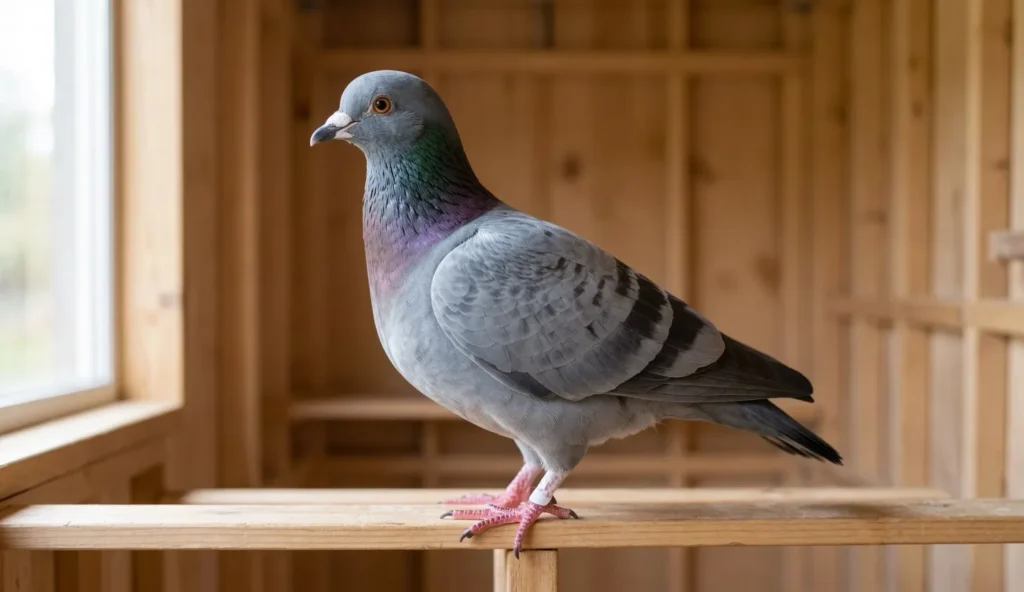
The body of the Longface Tumbler is compact and athletic, built for agile flight. The chest is broad, the back slopes slightly, and the legs are short with clean feathering. Feathers lie tight against the body, giving a sleek appearance.
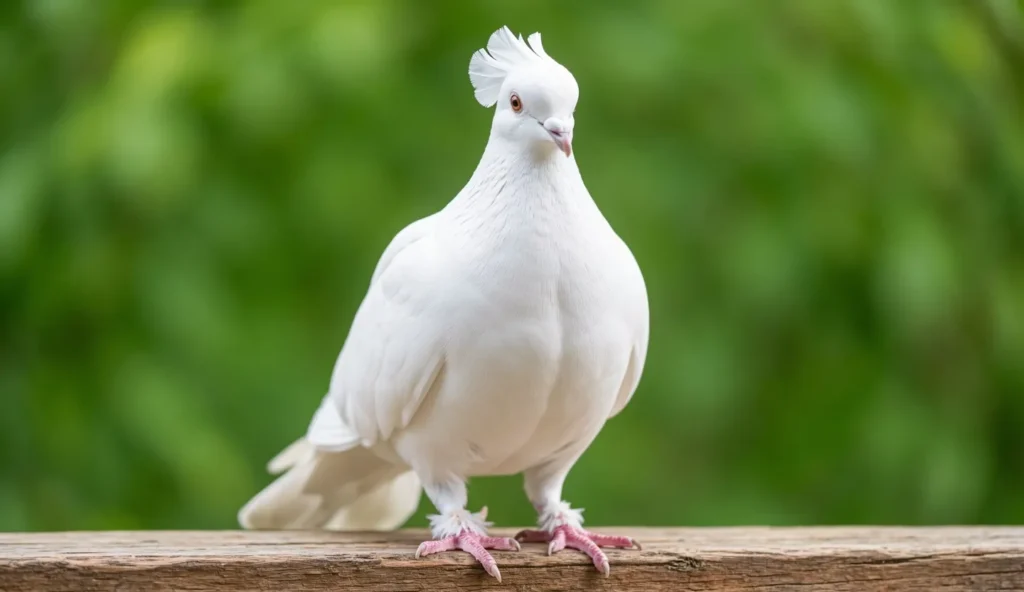
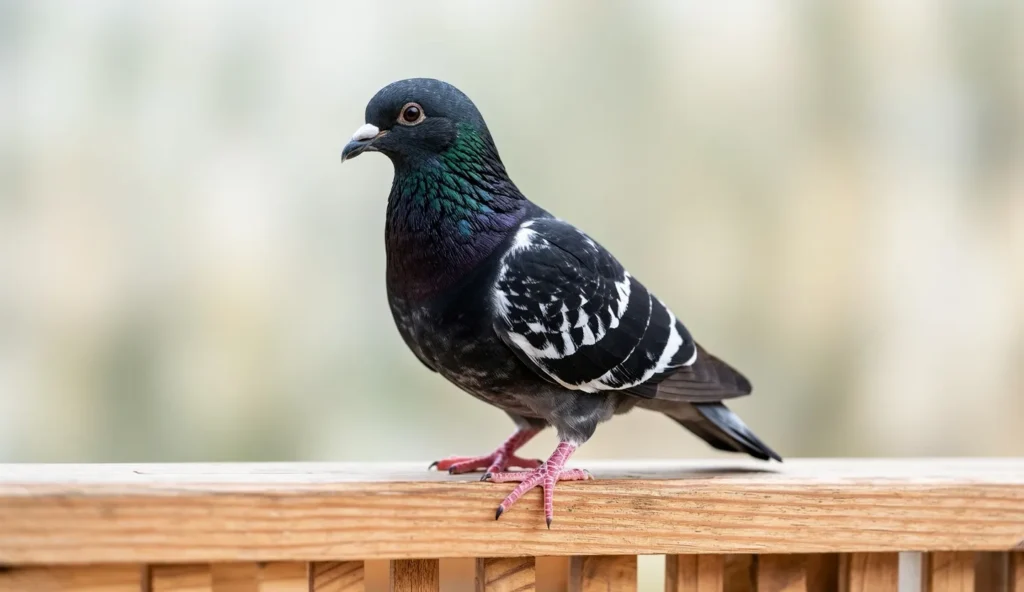
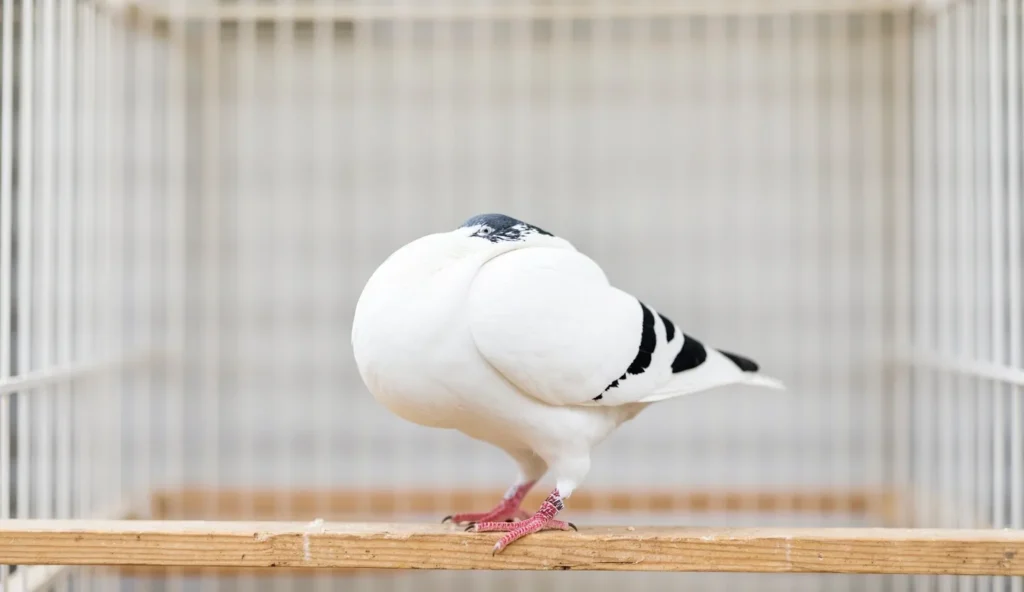
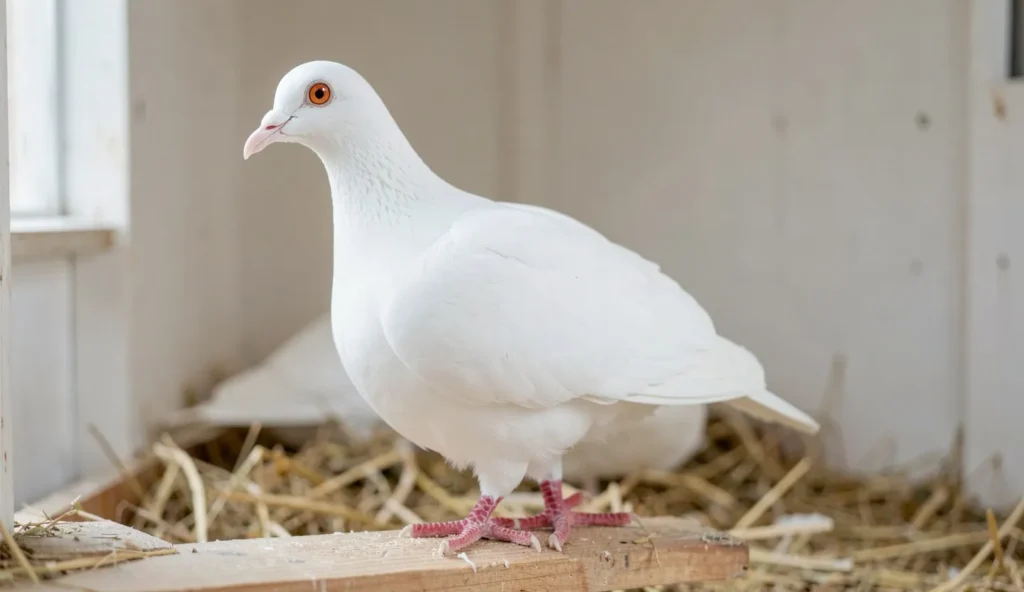
Common colors include white, black, red, yellow, blue, and grizzle patterns. Some birds show bars or checks on the wings. Solid white is especially prized in exhibition. The plumage is smooth and glossy when well cared for.
Unique Tumbling Flight
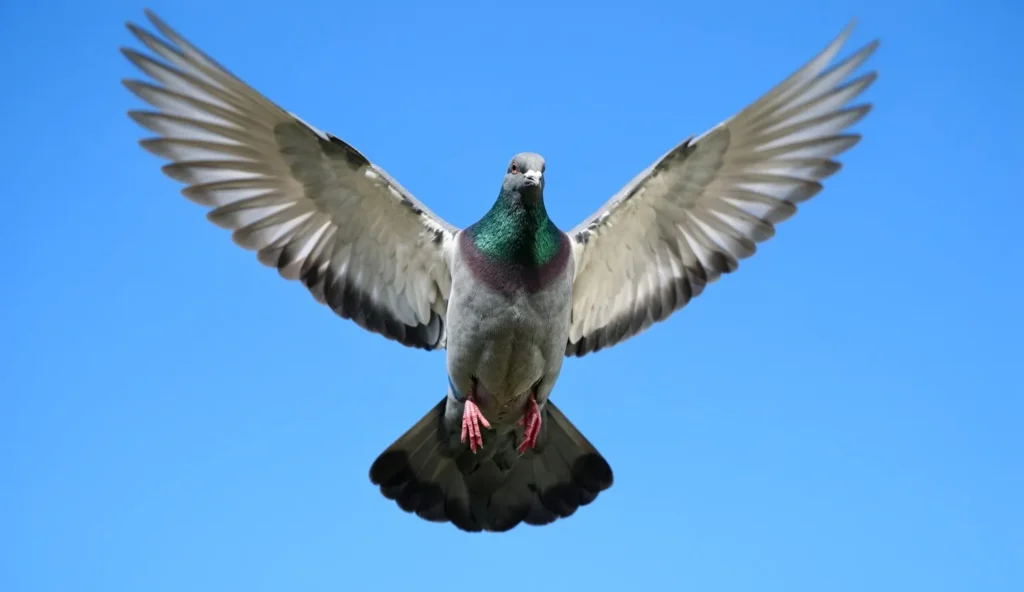
Like other tumbler breeds, the Longface Tumbler performs backward somersaults in the air. The tumbling motion is rapid and often repeated in sequences. This flight style differs from flying breeds that only circle or dive.
The breed requires regular flying time to maintain its tumbling ability. Birds that do not fly often may lose the instinct. Owners who want to display this trait must provide daily supervised flight.
Temperament and Behavior
Personality and Activity Level
The Longface Tumbler is generally calm and friendly toward its keeper. It is not aggressive but can be assertive with other pigeons in a loft. The breed is active and enjoys flying, so it needs space to move.
These pigeons are social and do well in small groups. They can become bonded to their human caregiver with regular handling. However, they are not a cuddly pet; they prefer perching and flying over being held.
Compared to some other fancy breeds like the Trumpeter pigeon, the Longface Tumbler is less vocal. Its cooing is moderate and not disruptive. This makes it suitable for suburban lofts with neighbors nearby.
Care and Housing Requirements
Loft Size and Setup
Provide a minimum of 2 square feet per bird inside the loft. The space should have sturdy perches at different heights. Ventilation and natural light are essential to prevent respiratory problems.
An aviary or a well-ventilated indoor loft works best. The floor should be easy to clean, such as concrete or tile with absorbent bedding. Place nest boxes in a quiet corner for breeding pairs.
Flying and Exercise
Daily free flight is crucial for the Longface Tumbler to practice tumbling. Supervised outdoor time in a safe flypen or open loft prevents predation. For competition birds, regular training sessions build endurance and performance.
If flight space is limited, consider a large aviary that allows short bursts of flight. Without adequate exercise, the bird may become overweight and lose tumbling ability. Always secure the area to prevent escapes.
Grooming and Hygiene
Provide a shallow water bath two to three times per week. Pigeons naturally bathe to keep feathers clean and free of dust. Trim nails only if they overgrow, using a small clipper.
Check for external parasites like mites or lice monthly. Treat infestations promptly with appropriate pigeon-safe products. Keep the loft dry and remove droppings daily to reduce disease risk.
Diet and Nutrition
Recommended Feed Mix
Offer a high-quality pigeon grain mix containing corn, peas, wheat, and milo. Add small seeds like hemp, safflower, and canary seed for variety. Provide a separate dish of grit and calcium supplement for digestion and eggshell formation.
During molting or breeding, increase protein with pellets or legumes. Fresh, clean water must be available at all times. Change water daily and clean the drinker to prevent algae and bacteria.
Feeding Schedule
Feed adult Longface Tumblers twice daily, once in the morning and once in the evening. Leave food for about 30 minutes, then remove leftovers to prevent overeating. Adjust portions based on activity level and season.
Breeding and growing birds may need an extra feed or larger portions. Monitor body condition regularly. A healthy Longface Tumbler has a firm breast muscle and no visible fat deposits.
Common Health Issues in Longface Tumblers
Prevalent Health Problems
Respiratory infections, such as canker and mycoplasma, are common in pigeon lofts. Symptoms include sneezing, nasal discharge, and lethargy. Keep the loft clean and well-ventilated to reduce risk.
Parasites (mites, lice, worms) can weaken birds if left untreated. Implement a regular deworming schedule and inspect feathers during baths. Feather plucking or poor feather condition may indicate stress or nutritional deficiency.
Reproductive issues like egg binding can affect hens. Provide calcium supplements and proper nesting conditions. Quarantine new birds for at least 30 days before introducing them to an existing flock.
Is the Longface Tumbler Right for You
Considerations for Potential Owners
The Longface Tumbler suits owners who have basic pigeon care knowledge and can provide daily flight time. It requires a clean loft, proper diet, and regular health checks. The breed is not high-maintenance but does need consistent attention.
Beginners can succeed if they prepare the environment and learn from experienced fanciers. The breed’s friendly temperament makes it a rewarding choice for those who appreciate both beauty and performance. If you enjoy watching birds fly and tumble, the Longface Tumbler is an excellent option.
Frequently Asked Questions
What does a Longface Tumbler pigeon look like?
It has a noticeably elongated head and beak compared to other tumbler breeds. The body is compact with tight feathering, and colors vary widely including white, black, red, and yellow.
How long do Longface Tumbler pigeons live?
With proper care, they typically live 10 to 15 years. Good diet, clean housing, and regular vet checks help extend lifespan.
Can Longface Tumblers fly and perform tumbles?
Yes, they are athletic flyers known for backward somersaults in the air. Regular flight training is needed to maintain tumbling ability.
What is the best diet for a Longface Tumbler pigeon?
A balanced mix of grains, seeds, grit, and calcium supplements is essential. Fresh water must always be available.
Are Longface Tumblers good for beginners?
They can be, but beginners should have basic pigeon care knowledge. The breed requires daily flight time and a clean loft.
How do I breed Longface Tumbler pigeons?
Select breeding pairs with ideal head shape and flight performance. Provide nesting boxes and proper incubation conditions.
Final Note
The Longface Tumbler is a rewarding breed for pigeon enthusiasts who value a unique appearance and natural tumbling ability. With proper care, these birds thrive and bring years of enjoyment.