What Is an Oriental Roller Pigeon
The Oriental Roller is a specialized pigeon breed prized for its vigorous tumbling in flight. This breed has been carefully developed over generations to perform rapid backward somersaults during high-speed flight. For trainers seeking a bird with exceptional rolling ability, understanding its origins and traits is essential. The breed belongs to a family of roller pigeons that includes the well-known Birmingham Roller, yet the Oriental Roller has its own distinct lineage.
Breed Origin and History
The Oriental Roller traces its ancestry to the Middle East and parts of Asia. Breeders selected birds that displayed the strongest tumbling instincts. Over time, this created a distinct line of rolling pigeons that excelled in performance. The breed likely shares ancient roots with other tumbling varieties, but dedicated fanciers refined its abilities through selective breeding. Today, the Oriental Roller stands out for its consistent and dramatic rolling behavior.
Physical Characteristics for Performance
Body Structure and Size
The Oriental Roller has a compact, muscular body that provides agility during flight. Its broad chest supports powerful wing strokes. A lightweight bone structure enables sustained effort without excessive fatigue. These physical traits allow the bird to execute rolls with speed and precision.
Plumage and Color
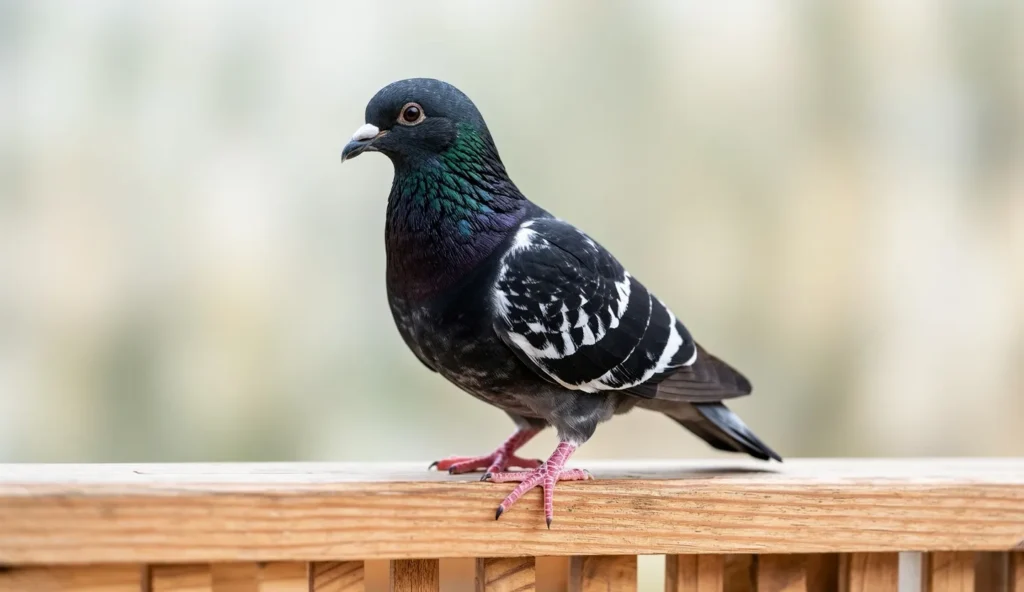
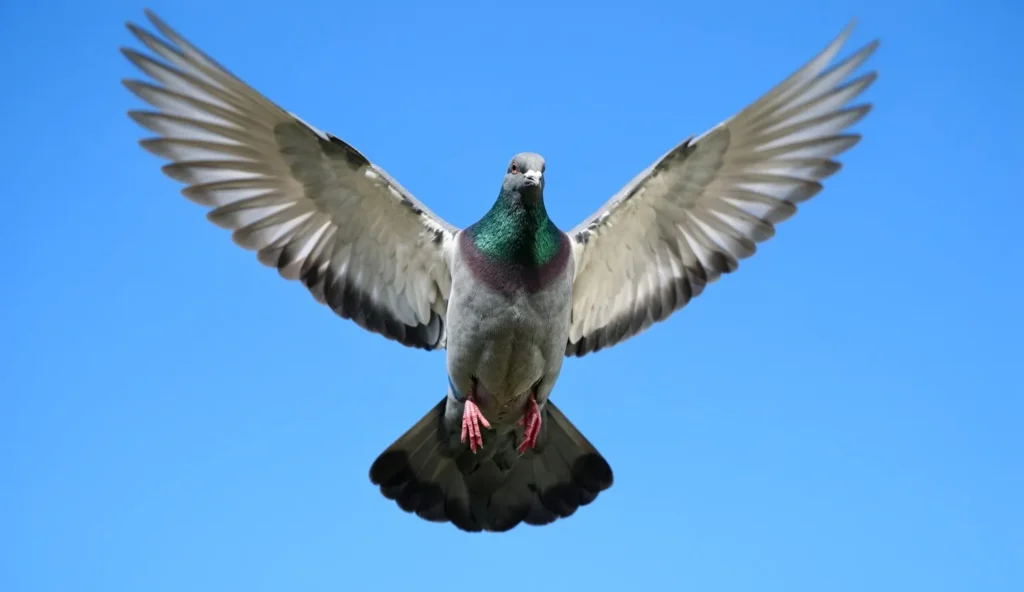
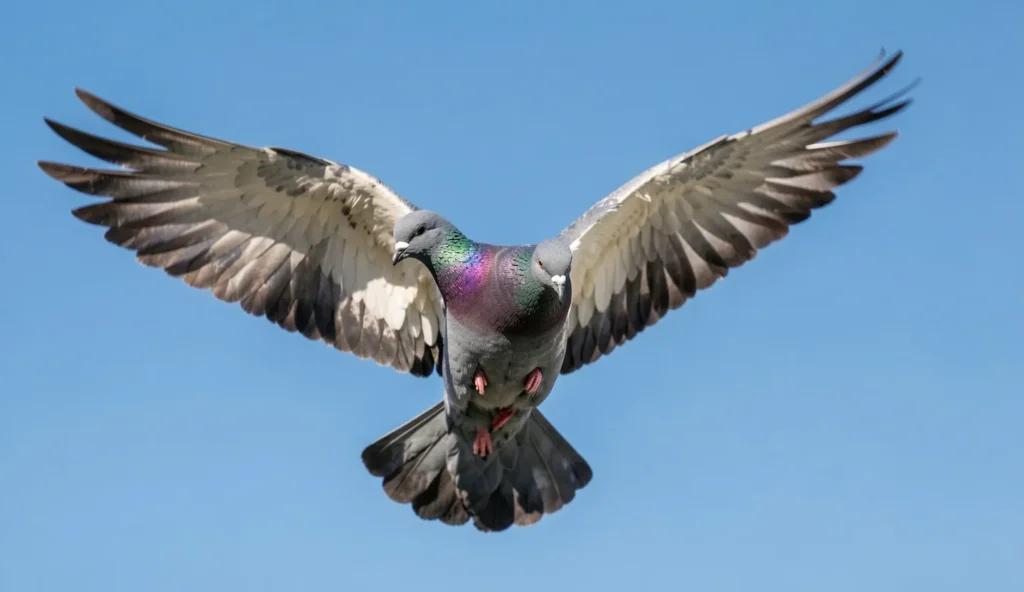
Dense, smooth feathers reduce air resistance, helping the bird maintain momentum. The breed appears in common colors such as black, red, yellow, and blue. Many specimens display an iridescent sheen on the neck and wings. This plumage not only looks striking but also protects against moisture and wind.
Eyes and Vision
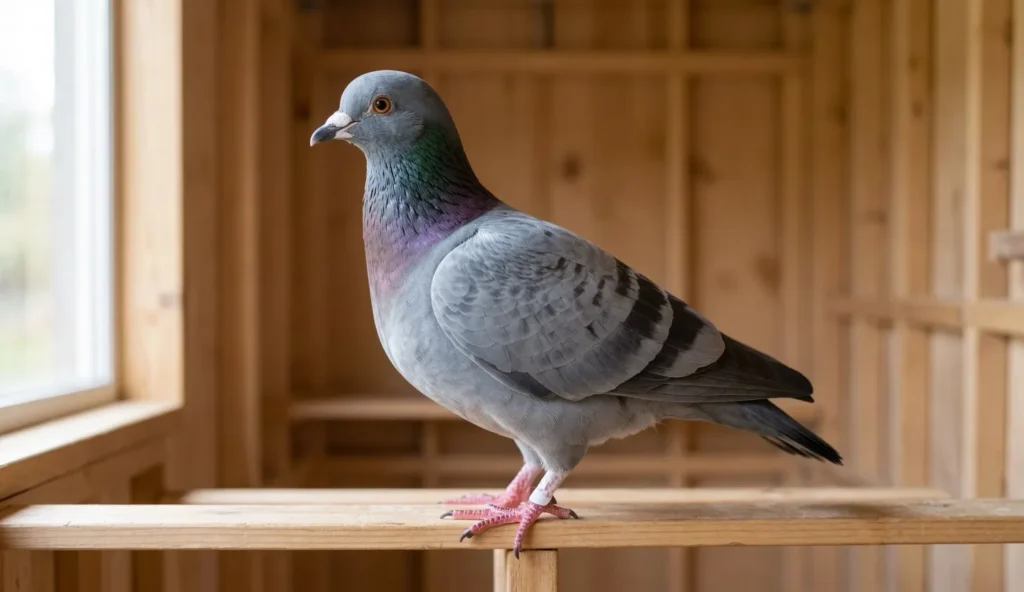
Large, bright eyes give the Oriental Roller excellent depth perception. This vision helps the bird judge altitude and orientation during backward rolls. A clear, alert expression signals good health and readiness for training. Good eyesight is a crucial asset for any roller pigeon.
The Tumbling Behavior Explained
Natural Rolling Instinct
The rolling behavior is innate and emerges at a young age. Breeders have selected for this genetic trait over many generations. Young birds often begin performing short somersaults during play flights. This instinct has no apparent survival benefit, yet it forms the core of the breed’s appeal.
Types of Rolls
The most common roll is the backward somersault, where the bird flips completely over in mid-air. Some individuals also perform side rolls or double rolls. The number of consecutive rolls varies widely from one bird to another. Trainers value smooth, controlled rotations over raw quantity.
Factors Influencing Performance
Genetics play the largest role in rolling ability. Diet and conditioning affect stamina and roll quality. Environmental factors such as wind strength and loft space also influence how well a bird performs. A calm, spacious loft encourages more dramatic rolls.
Training Essentials for Roller Pigeons
Starting Training Young
Begin handling young Oriental Rollers at three to four weeks of age. Introduce short flights inside a controlled loft. Observe natural rolling behavior and encourage it with food rewards. Early handling builds trust and prepares the bird for advanced training.
Building Stamina and Strength
Gradually increase flight duration and altitude over several weeks. Use toss training from increasing distances. Incorporate interval flying sessions for cardiovascular fitness. Unlike the English Pouter, which focuses on crop inflation, the Oriental Roller requires sustained aerobic conditioning for maximum rolling performance.
Encouraging the Roll
Use a training partner or a small flock to stimulate competition. Reward successful rolls with a favorite treat. Avoid over-training, as fatigue can lead to sloppy form or injury. Consistent positive reinforcement helps cement the desired behavior.
Avoiding Common Mistakes
Never force rolls by tossing birds roughly. Watch for signs of fatigue or reluctance. Maintain a consistent training schedule without long gaps. Patience is key; each bird develops at its own pace.
Housing and Care for Optimal Performance
Loft Design and Space
Provide a minimum of two to three square feet per bird. High ceilings allow free vertical flight. An open front ensures natural light and cross ventilation. Good loft design mimics the open skies where the Oriental Roller thrives. For housing inspiration, the Old German Owl breed also benefits from similar open-air lofts.
Perches and Nesting
Offer individual perches at different heights. Use smooth, non-slip surfaces to prevent foot injuries. Provide nest boxes for breeding pairs. Perches should be spaced to avoid overcrowding and fighting.
Hygiene and Ventilation
Remove droppings and spilled food daily. Disinfect the loft weekly with pigeon-safe cleaners. Ensure cross ventilation to reduce ammonia buildup. A clean loft prevents respiratory issues and keeps birds in peak condition.
Diet and Nutrition for Active Birds
Basic Grain Mix
Feed a high-protein blend of corn, peas, and wheat. Supplement with safflower and hemp seeds for extra energy. Offer 30 grams per bird per day split into two feedings. Many Middle Eastern breeds, such as the Syrian pigeon, thrive on similar grain mixes.
Supplements for Performance
Add electrolytes and vitamins during intense training periods. Provide calcium and oyster shell for bone strength. Probiotics support digestive health. Tailor supplementation to the bird’s workload.
Hydration Needs
Keep fresh, clean water available at all times. Change water twice daily to prevent contamination. Add apple cider vinegar weekly as a natural tonic. Proper hydration is vital for high-energy flight.
Common Health Issues in Roller Pigeons
Respiratory Infections
Dust, drafts, and stress can cause respiratory infections. Symptoms include nasal discharge, sneezing, and labored breathing. Prevent these by maintaining clean air and proper ventilation. Quarantine new birds before introducing them to the loft.
Sour Crop
Fungal or yeast overgrowth in the crop leads to sour crop. Signs include regurgitation, a sour smell, and lethargy. Treatment involves antifungal medication and a probiotic cleanse. Early detection prevents serious complications.
Injuries from Tumbling
Wing sprains and feather damage can occur from rough landings. Head trauma may happen if birds roll too close to obstacles. Avoid crowded lofts and provide soft perching surfaces. Monitor birds after training sessions for any signs of injury.
Preventive Care
Conduct regular health checks and quarantine new arrivals. Vaccinate against paramyxovirus if recommended in your area. Keep the loft clean and provide balanced nutrition. The Scandaroon pigeon, another ancient breed, benefits from similar preventive routines.
Is an Oriental Roller Right for Your Loft
Assessing Your Commitment
Oriental Rollers require dedicated training, proper housing, and a balanced diet. The breed thrives with regular attention and a controlled environment. If you can provide consistent care and have space for a small flock, this breed can reward you with spectacular aerial displays. Evaluate your time, budget, and loft capacity honestly before acquiring these active birds.
Frequently Asked Questions
How do I start training an Oriental Roller pigeon?
Begin training at three to four weeks old with short flights in a controlled loft. Observe natural rolling behavior and encourage it with food rewards. Gradually increase flight distance and duration over several weeks.
What diet is best for high-performance roller pigeons?
Feed a high-protein grain mix of corn, peas, and wheat. Add safflower and hemp seeds for extra energy. Supplement with electrolytes and calcium during training.
Why does my Oriental Roller pigeon not roll?
Rolling is genetic; some lines may not display the trait strongly. Check for health issues such as respiratory problems or injuries. Ensure the bird is not over-trained or stressed.
How many rolls should a good Oriental Roller perform?
There is no fixed number; quality and consistency matter more. Some birds perform five to ten consecutive rolls, others fewer. Focus on smooth, controlled rolls rather than quantity.
What size loft does an Oriental Roller pigeon need?
Provide at least two to three square feet per bird. Loft height should allow vertical flight space. Include ample perches and an open front for ventilation.
Can Oriental Roller pigeons be kept with other breeds?
Yes, but monitor for competition over food and space. Other breeds may interfere with rolling behavior. Keep them in a separate flight area during training periods.