What Is a Helmet Pigeon
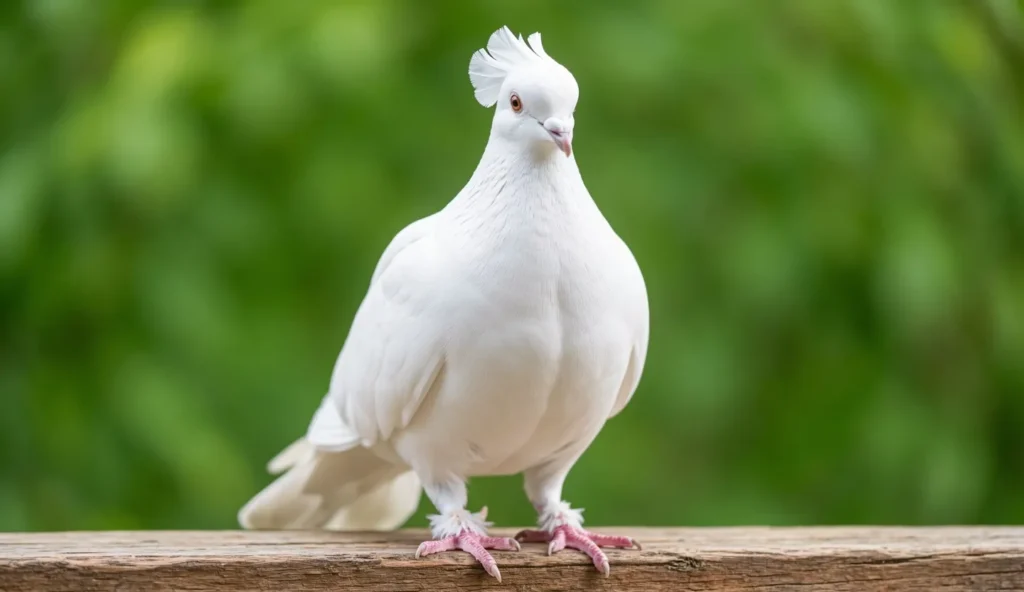
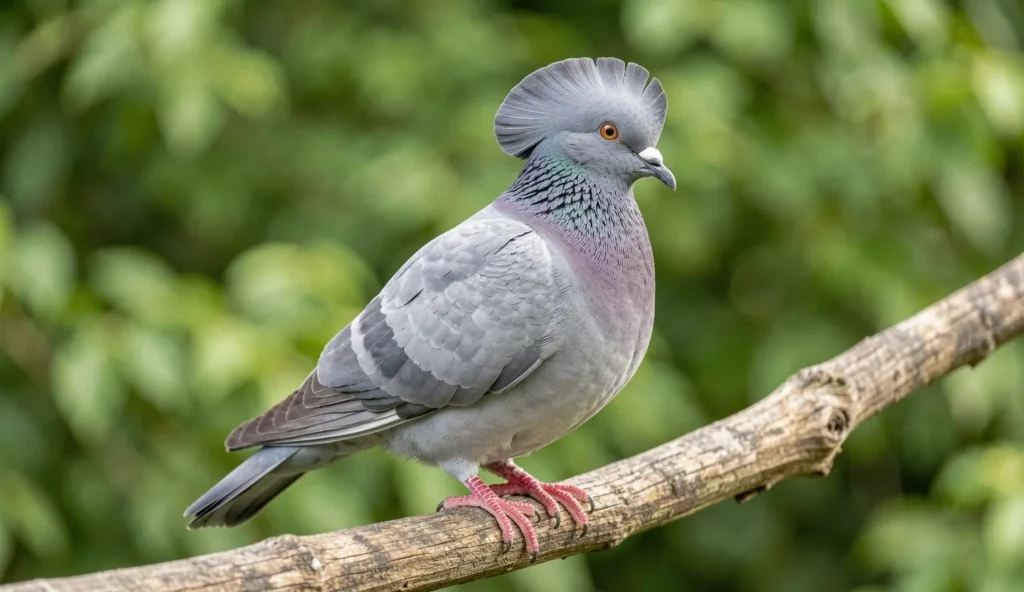
The Helmet pigeon is a distinct fancy breed originating from Europe, developed over centuries for its unique head ornamentation. This breed is instantly recognized by the shell-like crest of feathers at the back of the head that rises upward and forward, resembling a medieval helmet. The Helmet pigeon belongs to the group of crested fancy breeds and shares notable traits with other ornamental pigeons such as the jacobin pigeon and the Capuchin pigeon, though its crest is broader and more rounded.
Enthusiasts value the Helmet pigeon both as a show bird and as a calm, manageable pet. The breed’s moderate size and quiet disposition make it an excellent choice for collectors of crested pigeons who want a striking appearance without demanding excessive space. Understanding the helmet pigeon crest and the specific care it requires is essential for maintaining the bird’s show quality and overall health.
Appearance and Physical Features
The Helmet pigeon measures approximately 25 to 30 centimeters in length and weighs between 300 and 400 grams. Its body is compact, with a broad chest, short legs, and a gently sloping back. The most defining feature is the crest, which sets this breed apart from all others.
The Helmet Crest
The helmet pigeon crest consists of a dense, shell-shaped cluster of feathers growing upward from the occiput and curving forward like a visor. The crest is fully developed by six to eight months of age and varies in size and fullness among individuals. Show judges evaluate the crest for symmetry, density, and angle. Owners must handle this area with care because the feathers are fragile and easily broken.
Color Varieties
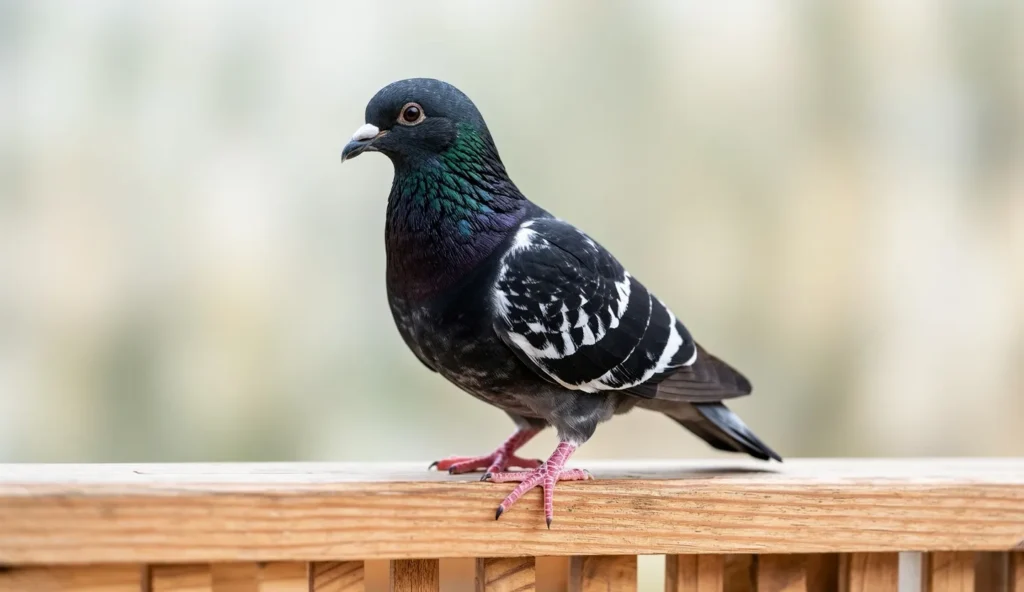
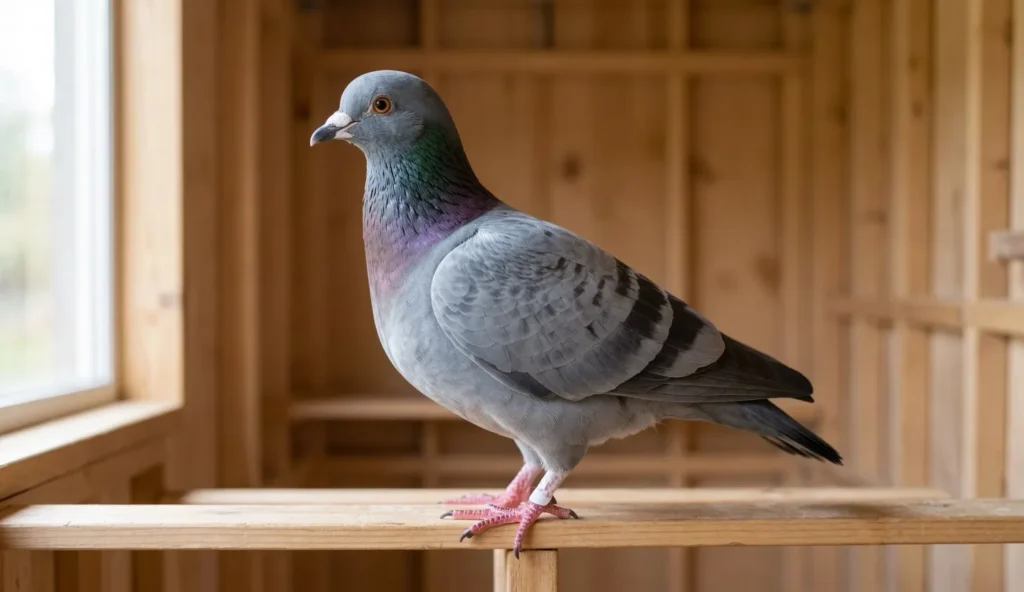
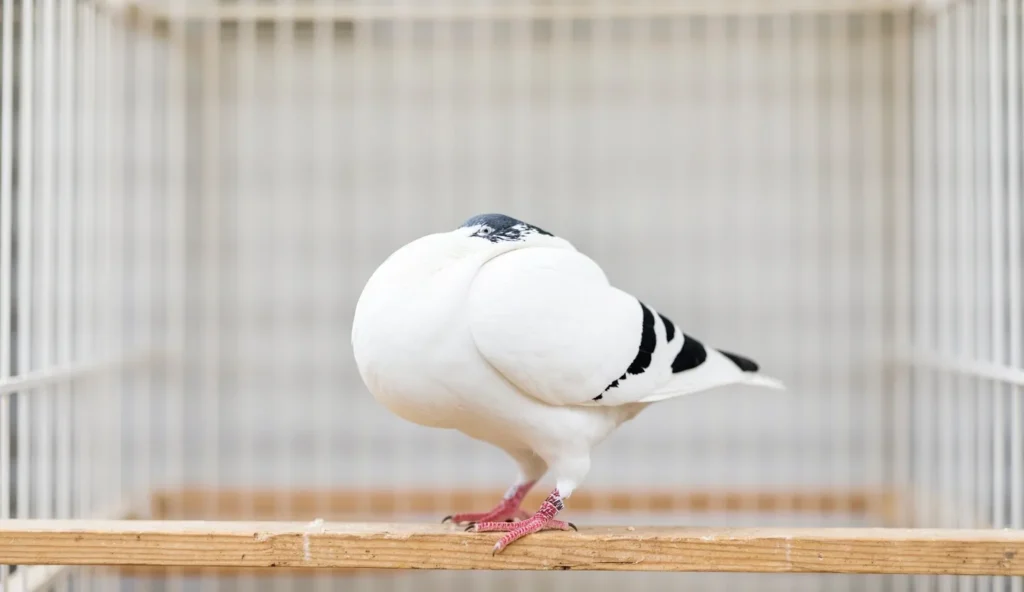
Helmet pigeons appear in several recognized colors, including black, blue, red, yellow, and white. Patterns include self (solid), pied (patches of white), and mottle (speckled). The beak and foot color correspond to the plumage, with dark birds having dark beaks and light birds having horn-colored beaks. Breeders often specialize in specific color strains to produce consistent show-quality offspring.
Temperament and Personality
The Helmet pigeon is known for its calm and steady temperament. It is not skittish and adapts well to human presence when handled regularly. This breed coexists peacefully with other pigeons but does not require a mate to thrive in captivity. Owners report that Helmet pigeons respond to routine and become comfortable with gentle handling over time.
Because of their docile nature, they are suitable for beginners who want a crested pigeon as a first fancy breed. However, like all domestic pigeons, they need consistent interaction to remain tame. The breed’s quiet demeanor also makes it a good choice for indoor aviaries or enclosed garden lofts where noise may be a concern.
Exercise Needs for Helmet Pigeons
Helmet pigeons require daily flight to maintain muscle tone and respiratory health. A spacious aviary or flight pen measuring at least two meters in length allows for short bursts of flight. If kept in a smaller loft, the owner should provide supervised out-of-cage time in a safe, enclosed room for fifteen to twenty minutes each day.
These pigeons are not high-energy fliers compared to racing breeds, but they benefit from perches at different heights and open floor space. Regular exercise also supports proper feather condition, especially the crest, which needs good circulation to the feather follicles. Lack of movement can lead to obesity and lethargy in confined birds.
Training Your Helmet Pigeon for Shows
Show preparation for a Helmet pigeon focuses on presentation, calm behavior, and crest conditioning. With patient training, even a young bird can learn to stand still for judging.
Basic Taming and Handling
Start training by hand-feeding the pigeon small treats such as safflower seeds. Hold the food near the bird’s chest, speaking softly to build trust. Short sessions of five to ten minutes daily are more effective than lengthy training. Work in a quiet room free from loud noises or sudden movements.
Once the bird accepts food from the hand, gently stroke its chest and back. Gradually introduce contact with the crest, but avoid grasping or pulling. The goal is for the pigeon to remain still while the judge examines the crest and body structure. A tame fantail pigeon also requires similar quiet handling during training.
Show Ring Preparation
Practice placing the pigeon on a flat show table or a small perch. Reward stillness with a treat. Simulate the judge’s movements by turning the bird gently to view the crest from all angles. Condition the crest by lightly brushing upward with a soft toothbrush once a week to encourage feather alignment. Ensure the entire plumage is clean and dry on show day; damp feathers flatten the crest and reduce impact.
Grooming and Care Tips
Proper grooming preserves the Helmet pigeon’s crest integrity and overall appearance. Regular maintenance prevents feather damage and skin issues.
Bathing
Provide a shallow dish of room-temperature water once a week for self-bathing. Do not force the bird to bathe. After bathing, place the pigeon in a warm, draft-free area to dry naturally. Avoid over-wetting the crest, as heavy moisture can cause the feathers to clump and lose shape. If the crest remains damp after an hour, gentle blotting with a soft towel helps.
Feather and Crest Care
Inspect the crest weekly for broken or misaligned feathers. Use fingertips to gently smooth stray feathers back into place. Check for feather mites, especially under the wings and around the nape. Use an avian-safe mite powder if needed. During molting, supplement the diet with a vitamin-mineral mix to support new feather growth. The crest is the slowest area to regrow, so damage can affect show eligibility for months.
Nail and Beak Maintenance
Trim nails every four to six weeks using bird nail clippers. Only cut the translucent tip to avoid bleeding. Provide a cuttlebone at all times so the bird can naturally wear down its beak. Overgrown beaks should be filed gently with a nail file. Nails that are too long can catch on perches and injure the bird or damage the crest feathers during grooming.
Diet and Nutrition
A balanced diet for the Helmet pigeon consists of a high-quality pigeon grain mix containing millet, sorghum, wheat, and corn. Offer the mix once in the morning and once in the afternoon, roughly one tablespoon per bird per meal. Supplement with fresh greens such as kale or spinach twice a week. Grit and oyster shell must be available separately for digestion and calcium.
During the breeding season or molting period, increase protein intake by adding peas or lentils to the seed mix. Always provide clean, fresh water in a dish that the bird cannot tip over. Avoid giving processed human foods or excessive sunflower seeds, which can lead to obesity. A well-fed Helmet pigeon maintains a sleek, glossy feather coat that enhances the helmet pigeon crest during competition.
Common Health Issues
Helmet pigeons are generally hardy, but they are susceptible to certain conditions that owners must monitor.
Respiratory Infections
Drafts, damp bedding, or poor ventilation can trigger respiratory infections. Symptoms include sneezing, wheezing, nasal discharge, and lethargy. Isolate affected birds immediately and consult a veterinarian. Treatment typically involves antibiotics prescribed for avian use. Prevention includes keeping the loft dry and well-ventilated.
Feather Lice and Mites
Check under the wings, around the vent, and at the base of the crest for tiny moving insects or dandruff-like debris. Use an avian-safe dust or spray weekly as a preventive measure. Quarantine any new birds for at least three weeks before introducing them to an established flock. Clean cages and perches regularly with a disinfectant safe for birds.
Is a Helmet Pigeon Right for You
The Helmet pigeon suits collectors who appreciate ornamental breeds and have time for gentle handling and grooming. It requires a secure aviary with space to fly and a dry, draft-free shelter. This breed is not demanding in terms of socialization but does need consistent care to maintain its crest and show condition. Beginners with prior bird experience will find the Helmet pigeon manageable, especially if they start with a single bird.
Those interested in similar crested breeds might also consider the Turbit pigeon or the Saddleback pigeon, though each has different grooming demands. The Helmet pigeon stands out for its distinctive head shape and calm demeanor, making it a rewarding addition to a fancy pigeon collection. Prospective owners should be prepared for weekly crest maintenance and an initial investment in a proper flight setup.
Frequently Asked Questions
How big does a Helmet Pigeon get?
Adults weigh around 300 to 400 grams, and body length is about 25 to 30 centimeters.
What is the unique crest on a Helmet Pigeon?
It is a shell-shaped crest of feathers on the back of the head that stands upright and fans forward like a helmet.
How do I care for a Helmet Pigeon’s crest?
Handle the crest gently to avoid breakage, and use a soft brush only when necessary for light conditioning.
Are Helmet Pigeons good for beginners?
Yes, they are generally calm and easy to handle, and a single bird in a spacious aviary is a good start for beginners.
What colors do Helmet Pigeons come in?
Common colors include black, blue, red, yellow, and white, with patterns such as self, pied, or mottled.
How can I prepare my Helmet Pigeon for a show?
Train the bird to stand still on a table, keep the crest and feathers clean, and practice handling by a judge in a calm setting.
Final Note on Helmet Pigeons
The Helmet pigeon offers collectors a unique blend of striking appearance and manageable care. By understanding the needs of the helmet pigeon crest and providing consistent grooming, owners can enjoy a beautiful show bird that thrives in a home aviary.
For those who also appreciate other crested varieties, the saxon shield pigeon and the Ice pigeon offer additional examples of ornamental head feathering with distinct breeding challenges.