What Is a Carrier Pigeon
The carrier pigeon is a domesticated breed of rock dove specifically developed for carrying messages over long distances. This bird possesses an extraordinary homing instinct that allows it to navigate back to its loft from unfamiliar locations. As the original messenger bird, carrier pigeons have served humans for thousands of years in communication, military, and racing roles.
Defining the Carrier Pigeon
The carrier pigeon belongs to the species Columba livia domestica, the same species as common city pigeons. Breeders selected birds with superior homing abilities and endurance over centuries. This breed is often confused with homing pigeons, though the term carrier pigeon typically refers to a distinct line bred specifically for message carrying. The Syrian pigeon is another ancient breed with a rich history, but it was not used for messaging.
Carrier Pigeon History and Origin
Ancient Use of Carrier Pigeons
The earliest records of carrier pigeons come from ancient Egypt, where pharaohs used them to deliver royal decrees. Persian messengers also relied on pigeons to carry news across vast empires. Romans adopted the practice for military communication, using pigeons to relay battle updates. The Scandaroon pigeon is one of the oldest domesticated breeds, though it was not used for messaging.
Famous Carrier Pigeons in War
During World War I, a carrier pigeon named Cher Ami saved a stranded US battalion by delivering a critical message despite being shot. Cher Ami lost a leg and an eye but completed the mission. In World War II, G.I. Joe carried a message that prevented a friendly fire bombing, earning a medal for gallantry. These examples highlight the bravery and reliability of carrier pigeons.
Appearance and Physical Features
Size and Weight
Carrier pigeons measure 12 to 14 inches in length and weigh between 12 and 18 ounces. Their bodies are streamlined for efficient flight. Males are slightly larger than females, but both sexes share a similar build.
Color and Markings
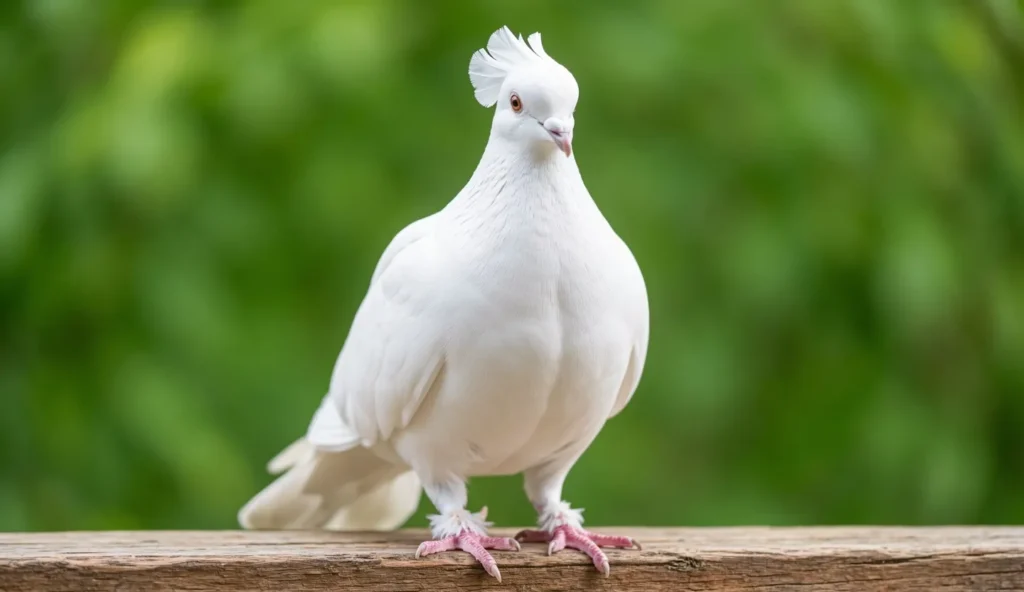
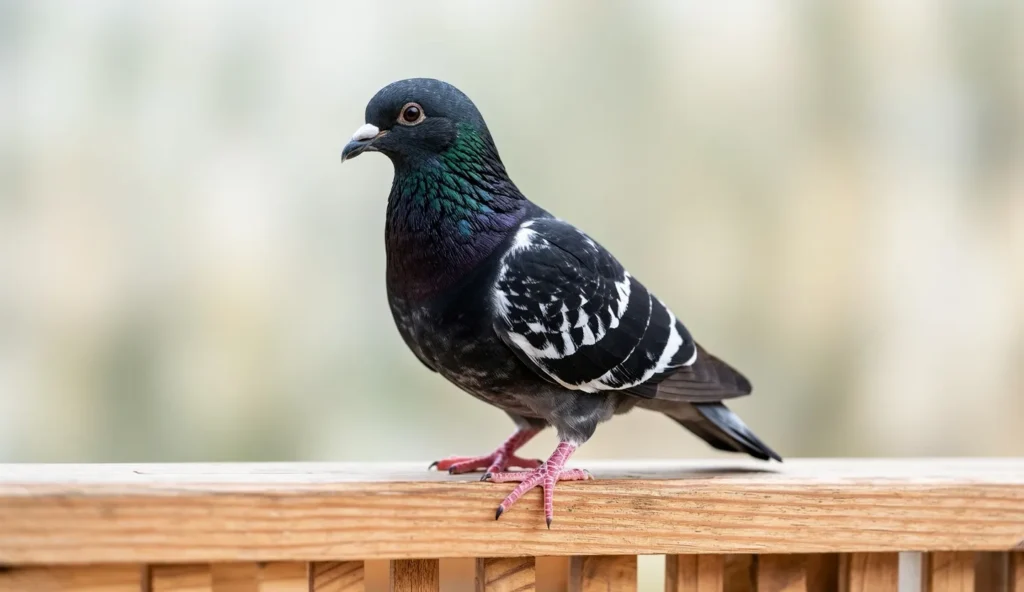
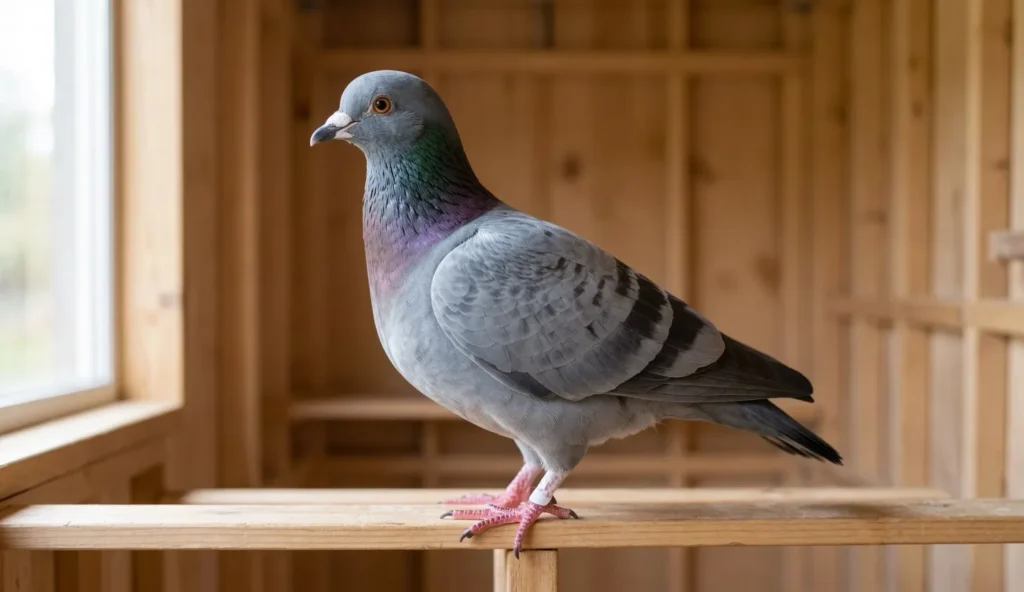
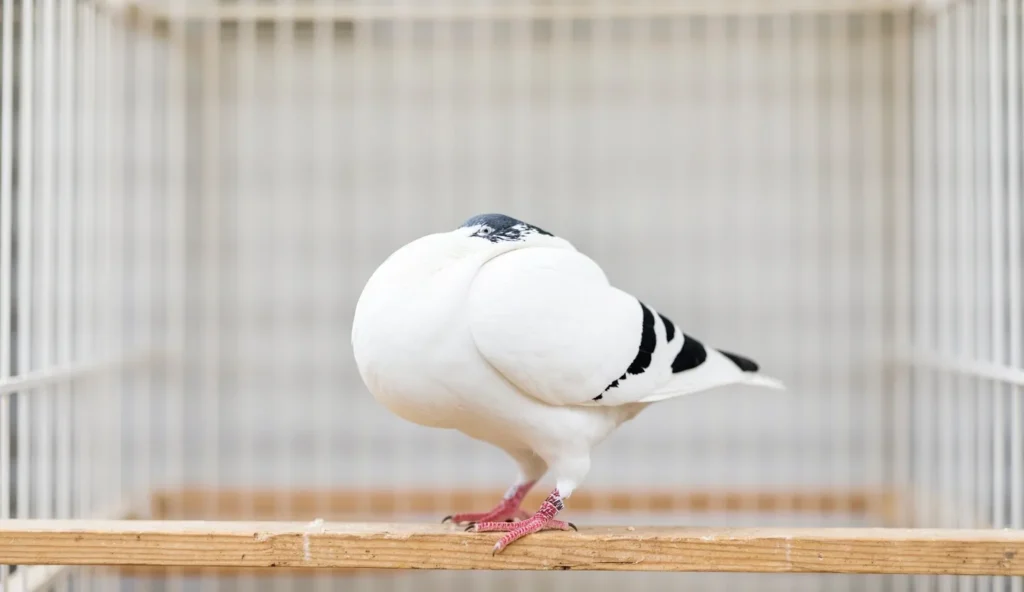
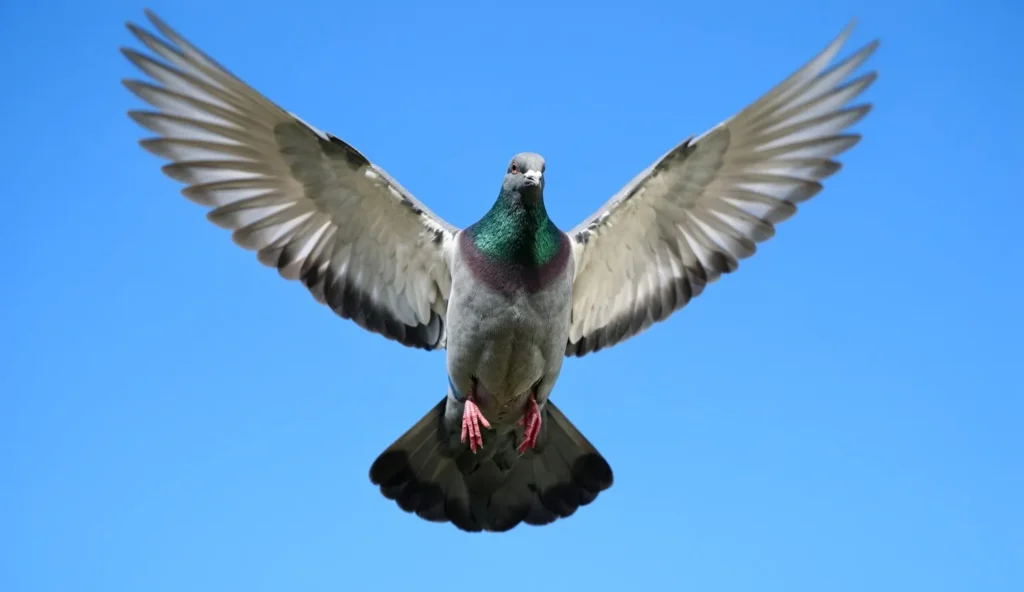
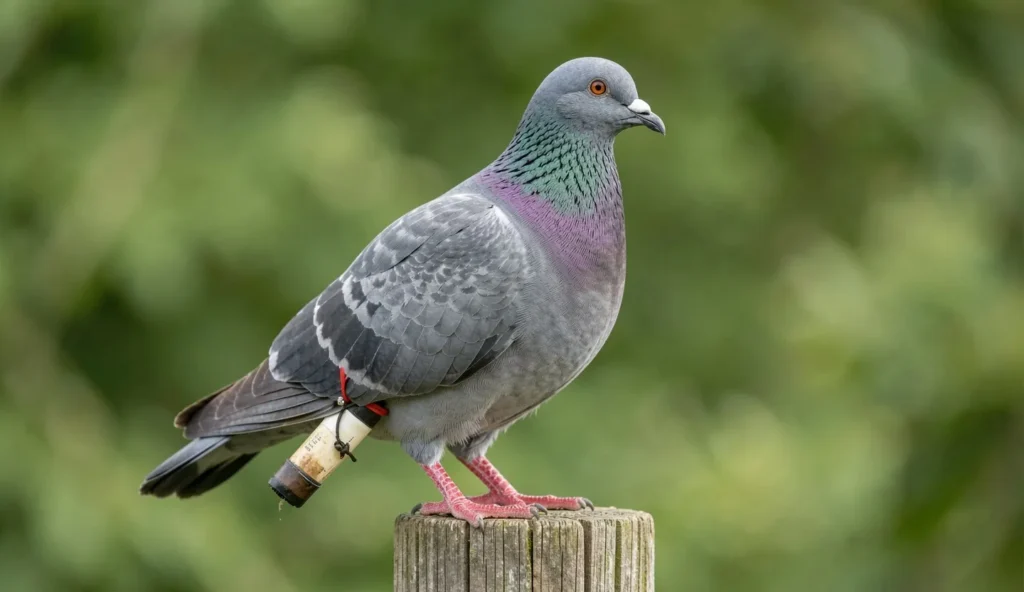
Common colors include blue-gray, black, white, and various mottled patterns. Many carrier pigeons display iridescent feathers on the neck that shimmer green and purple. These markings help identify individuals within a flock.
Distinctive Features
The breed has a strong, streamlined body built for endurance. Large eyes provide excellent vision for spotting landmarks and predators. The beak is short and sturdy, and the legs are clean with no feathering for easier message tube attachment.
Temperament and Personality
Intelligence
Carrier pigeons rank among the most intelligent bird species. They memorize routes using visual cues and the Earth’s magnetic field. This cognitive ability allows them to return home from distances exceeding 500 miles.
Bonding with Humans
These pigeons form strong attachments to their keepers when handled regularly. They recognize individual humans and respond to their voice. Regular feeding and gentle interaction reinforce this bond.
Flight Drive
A carrier pigeon has a powerful instinct to fly and explore its surroundings. Daily free flight is essential for mental and physical health. Without adequate flight time, the bird may become stressed or aggressive.
Training Carrier Pigeons
Basic Training Steps
Training begins by releasing the pigeon near its loft and gradually increasing the distance. Start with a few hundred feet, then expand to several miles over weeks. Consistency is key, and the Maltese pigeon also benefits from similar stepwise methods.
Return-to-Loft Training
Set a fixed feeding schedule so the bird associates the loft with food. Use a unique call or whistle to signal feeding time. This reinforces the loft as a safe haven and improves return rates.
Message Carrying Skills
Attach a lightweight message tube to the pigeon’s leg from an early age. Practice with empty tubes first, then progress to dummy messages. For actual use, ensure the tube is secure and does not impede flight.
Exercise Requirements
Daily Flight Time
Carrier pigeons need at least one hour of free flight every day. A secure outdoor aviary or a safe release area is necessary to prevent escapes. Supervised flight reduces the risk of predation.
Mental Stimulation
Provide perches at varying heights and simple toys like mirrors or bells. Puzzle feeders that require problem-solving keep the pigeon engaged. Varied terrain during flight also provides mental enrichment.
Grooming and Care Tips
Bathing
Offer a shallow bird bath filled with clean water once a week. The pigeon will bathe and preen to remove dust and dirt. Proper bathing helps prevent feather mites and keeps the plumage in good condition.
Nail and Beak Care
Inspect nails monthly; trim them if they become overgrown using a small nail clipper. The beak should be checked for cracks or unusual growth. Consult a veterinarian if issues arise.
Loft Hygiene
Remove droppings daily and disinfect perches and nesting boxes weekly. A clean loft prevents the buildup of bacteria and parasites. Good ventilation is also critical for respiratory health.
Diet and Nutrition
Seed Mixes
A base diet of millet, wheat, corn, and peas provides balanced nutrition. During training or breeding, increase protein content with beans or commercial pigeon pellets. The Carneau pigeon thrives on a similar seed mix.
Supplements
Offer grit and oyster shell separately to aid digestion and supply calcium. Vitamin supplements are beneficial during molt, stress, or illness. Always provide fresh supplements and discard old ones.
Water Needs
Fresh, clean water must be available at all times. Change the water twice daily to prevent bacterial growth. Pigeons drink up to 50 milliliters per day, more in hot weather.
Common Health Issues
Respiratory Infections
Symptoms include sneezing, nasal discharge, and labored breathing. Keep the loft dry and well-ventilated to reduce the risk. Isolate affected birds and treat with vet-prescribed antibiotics.
Parasites
External mites and lice cause feather damage and irritation. Internal worms affect appetite and weight gain. Regular deworming and clean loft conditions minimize infestations. The Ice pigeon is also susceptible to these parasites.
Injuries from Predators
Hawks, cats, raccoons, and snakes pose serious threats. Secure the loft with strong wire mesh and lock doors. Supervise free flight and avoid releasing birds at dusk or dawn when predators are active.
Is a Carrier Pigeon Right for You
Considerations for Potential Owners
Owning a carrier pigeon requires significant outdoor space and daily time commitment. The bird needs a well-constructed loft, regular flight time, and consistent training. History enthusiasts and pigeon trainers will find the breed rewarding, but casual pet owners may struggle with its exercise demands.
Frequently Asked Questions
How long do carrier pigeons live?
Carrier pigeons typically live 10 to 15 years. Good care and a safe environment can extend their lifespan.
What is the difference between a homing pigeon and a carrier pigeon?
Both are the same species, but carrier pigeons are specifically bred for message carrying. Homing pigeons are used primarily for racing and have less emphasis on endurance.
Can carrier pigeons be kept as pets?
Yes, they can be kept as pets if provided with proper housing and flight space. They bond with owners but require more exercise than typical pet pigeons.
How do you train a carrier pigeon to return home?
Start with short releases near the loft and gradually increase distance. Reinforce the loft as a safe place with food and water.
What do carrier pigeons eat?
Their diet consists mainly of seeds like millet, wheat, and corn. Grit and calcium supplements are necessary for digestion and egg production.
Are carrier pigeons still used today?
Rarely for military communication, but they are used in pigeon racing and hobbyist messaging. Some countries still maintain pigeon units for emergency communication.
Final Note on Carrier Pigeons
Encouragement for New Owners
The carrier pigeon is a fascinating breed with a storied past. With proper care, training, and dedication, this bird can become a reliable and loyal companion for any enthusiast.