What Is a Barb Pigeon
The Barb pigeon is an ancient fancy breed known for its oversized, fleshy beak and short, massive head. Originating in the Barbary Coast region of North Africa, this bird is one of the oldest recorded domestic pigeon breeds. Its striking appearance and calm temperament make it a favorite among historical breed enthusiasts.
History of the Barb Pigeon
Origins in the Middle East and North Africa
The Barb pigeon likely originated in the Barbary Coast area of North Africa, an ancient trade route that connected Europe, the Middle East, and Africa. Texts from the 16th century describe a pigeon with a blunt, thick beak that matches today’s Barb. Early artwork also depicts similar birds in Middle Eastern aviaries.
Many pigeon historians consider the Barb one of the founding breeds of modern fancy pigeons. Alongside breeds like the Jacobin pigeon, the Barb helped shape the standards for beak and head structure in domestic pigeons.
Introduction to Europe and Modern Breeding
European traders brought Barb pigeons to England and Germany in the 1500s. Fanciers quickly valued the breed for its massive beak and upright carriage. Selective breeding over centuries emphasized the short face, thick beak, and prominent wattles.
By the 19th century, the Barb pigeon became a staple in European pigeon shows. The breed’s unique profile continues to attract serious breeders who maintain its ancient characteristics.
Appearance and Distinctive Features
The Massive Beak and Head Structure
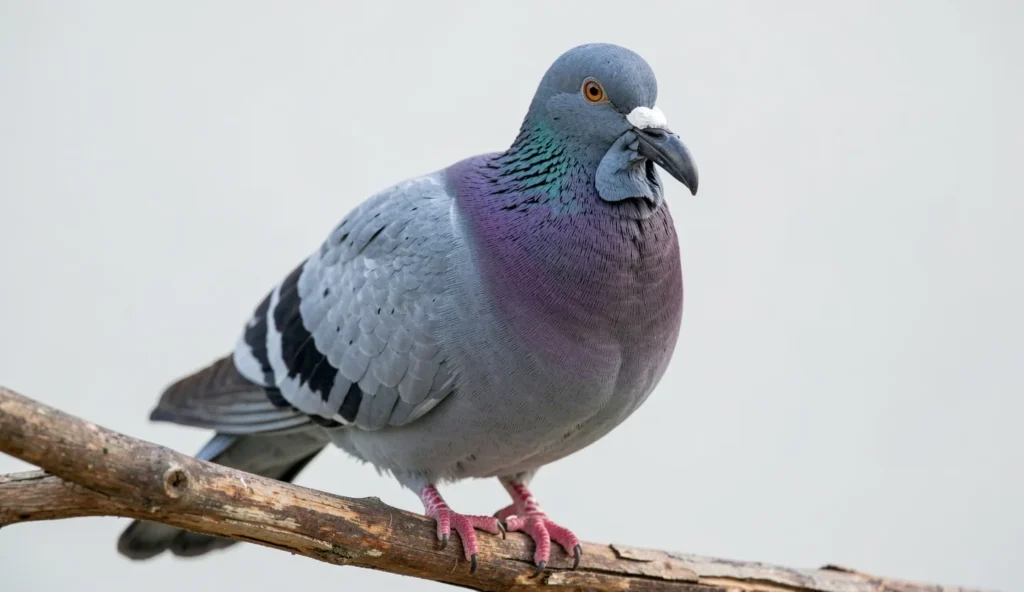
The Barb pigeon’s most recognizable trait is its short, thick, and fleshy beak. This beak is notably larger than that of most other pigeon breeds. The skull is broad and rounded, with a pronounced frontal bulge above the eyes.
The cere—the fleshy area at the base of the beak—is deep and wide. Together with large wattles, the beak creates a distinctive, heavy appearance that sets the Barb apart from breeds like the Helmet pigeon, which has a more typical beak size.
Body Type and Size
Barb pigeons are medium to large birds with a broad chest and a short, strong neck. They carry themselves with a proud, upright stance. The wings are well-developed and lie close to the body, giving a compact, powerful silhouette.
Legs are relatively short but sturdy. The overall impression is one of strength and substance, befitting a breed that has remained unchanged for centuries.
Common Barb Pigeon Colors and Patterns
Self Colors and Mottled Variations
The Barb pigeon breed comes in several solid colors, including black, blue, red, yellow, and white. Mottled or pied patterns are also common, with white patches appearing on a colored base. These color variations are heavily influenced by the breed’s Middle Eastern ancestors.
Unlike the carefully marked Saddleback pigeon, the Barb’s color pattern is often less rigid. Show standards prefer rich, even self-colors, but pied birds are still popular among fanciers.
Eye Color and Cere Markings
Eyes are typically orange or pearl, depending on the feather color. The cere around the eyes is fine and smooth, often white or light-colored in show-quality specimens. The contrast between the dark facial feathers and pale cere adds to the breed’s distinctive look.
In darker-colored birds, the beak and wattles may darken as the bird ages. Breeders select for consistent cere coloration in competition birds.
Barb Pigeon Temperament and Behavior
Personality Traits
The Barb pigeon is known for a gentle and placid disposition. These birds rarely show aggression toward other pigeons or humans. With regular, gentle handling from a young age, they become quite tame and comfortable in human presence.
Activity Level and Social Needs
Barb pigeons are moderately active. They enjoy short flights and stretching their wings in a loft or aviary. They are social animals and should not be kept alone. A companion pigeon or a small flock helps them feel secure.
Providing perches at different heights encourages natural behavior. A calm environment suits their relaxed nature well.
Barb Pigeon Care and Housing Requirements
Loft Design and Space
A spacious, dry, and well-ventilated loft is essential for Barb pigeon care. Each pair requires at least four square feet of floor space. Include sturdy perches, nesting boxes, and an outdoor aviary if possible.
Drafts can cause respiratory problems, so the loft must be secure from wind but still allow airflow. Regular cleaning prevents ammonia buildup from droppings.
Grooming and Hygiene
Clean the loft weekly to reduce dust and bacteria. Provide a shallow water bath at least twice a week so the pigeons can bathe. Check the beak and feet regularly for cracks or overgrowth. The oversized beak may need occasional trimming from an experienced keeper.
Good hygiene is especially important for show birds, as dirty feathers or wattles can lead to disqualification.
Barb Pigeon Diet and Nutrition Needs
Staple Seed Mix and Grains
A high-quality pigeon seed mix forms the base of the diet. Look for mixes containing corn, wheat, barley, and peas. Add smaller seeds like millet and canary seed for variety. Limit sunflower seeds because their high fat content can lead to obesity.
Grit, Minerals, and Fresh Foods
Provide oyster shell grit and mineral blocks to ensure adequate calcium intake. Offer fresh greens such as spinach, lettuce, or chopped herbs occasionally. Clean, fresh water must be available at all times. A balanced diet supports the Barb pigeon’s overall health and feather condition.
Common Health Issues in Barb Pigeons
Respiratory Infections and Parasites
Barb pigeons are susceptible to respiratory infections if kept in damp or dusty lofts. Mites and lice can cause feather damage and irritation. A regular deworming schedule prevents internal parasites, which are common in outdoor aviaries.
Beak and Facial Health Concerns
The oversized beak can grow too long or develop cracks if not properly maintained. Wattles and cere tissue may become infected if hygiene is lacking. These issues are more common in older birds. Regular veterinary checks help catch problems early.
Show birds need extra attention to facial features, as judges scrutinize beak symmetry and cere condition. The breed’s unique anatomy requires knowledgeable care, much like the Modena pigeon demands special attention to body shape.
Is a Barb Pigeon the Right Breed for You
Considerations for Beginners and Show Enthusiasts
The Barb pigeon is suitable for both novice and experienced fanciers due to its calm nature. However, it requires dedicated space and time for cleaning and handling. People interested in historical breeds or bird shows will find the Barb especially rewarding.
If you have a suitable loft and can provide company for the bird, the Barb makes a fascinating addition. Its ancient lineage and impressive beak continue to captivate breeders worldwide.
Frequently Asked Questions
How old is the Barb pigeon breed?
The Barb pigeon is one of the oldest fancy breeds, with origins dating back several centuries. Historical records and artwork suggest it was developed in the Barbary Coast region of North Africa before the 16th century.
What does a Barb pigeon look like?
The Barb pigeon has a massive, short, thick beak, a broad rounded skull, and a stout body. It comes in various colors including black, blue, red, yellow, and white, often with mottled or pied patterns.
Are Barb pigeons good pets?
Yes, Barb pigeons are generally docile, calm, and can become tame with regular handling. They are best kept with other pigeons and in a suitable loft or aviary.
What is the lifespan of a Barb pigeon?
With proper care, a Barb pigeon can live between 10 and 15 years. Good nutrition, clean housing, and regular health checks contribute to a longer lifespan.
How to care for a Barb pigeon?
Provide a spacious, clean, and well-ventilated loft with perches and nesting boxes. Feed a balanced pigeon seed mix with grit, minerals, and fresh greens, and supply clean water daily.
Where can I buy a Barb pigeon?
Barb pigeons can be purchased from specialized pigeon breeders, fancier clubs, and bird shows. Online bird marketplaces and local aviculture groups are also sources, but always verify the breeder’s reputation.
Final Note
The Barb pigeon remains a living piece of pigeon history. With the right care and environment, this ancient breed rewards its keeper with beauty and calm companionship.