What Is a Modena Pigeon
The Modena pigeon is an elegant Italian fancy breed developed in the city of Modena during the 17th century. Its compact, cobby body and distinctive color patterns make it a favorite among show pigeon fanciers worldwide. Understanding the modena pigeon history provides insight into why this breed remains so highly valued for exhibitions.
Origin and History
The breed originated from the Old World rock pigeon (Columba livia) in Modena, Italy, around the 1600s. Breeders selected for a compact body shape and unique color patterns, creating a distinct standard by the 1800s. The modena pigeon quickly gained recognition as a fancy breed across Europe and later in America.
Breed Recognition and Classification
The Modena pigeon falls under the Fancy Pigeon category and is prominent in European and American shows. Two main types exist: the English Modena and the German Modena, each with slight differences in body proportions. The American Pigeon Association and other clubs have standardized the breed, ensuring consistent judging criteria.
Appearance and Color Patterns
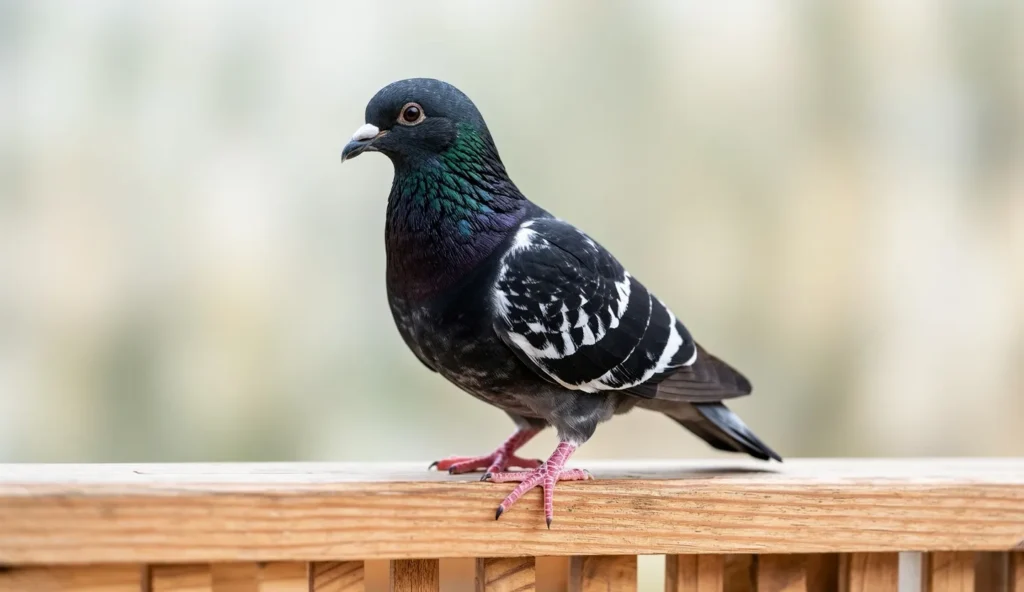
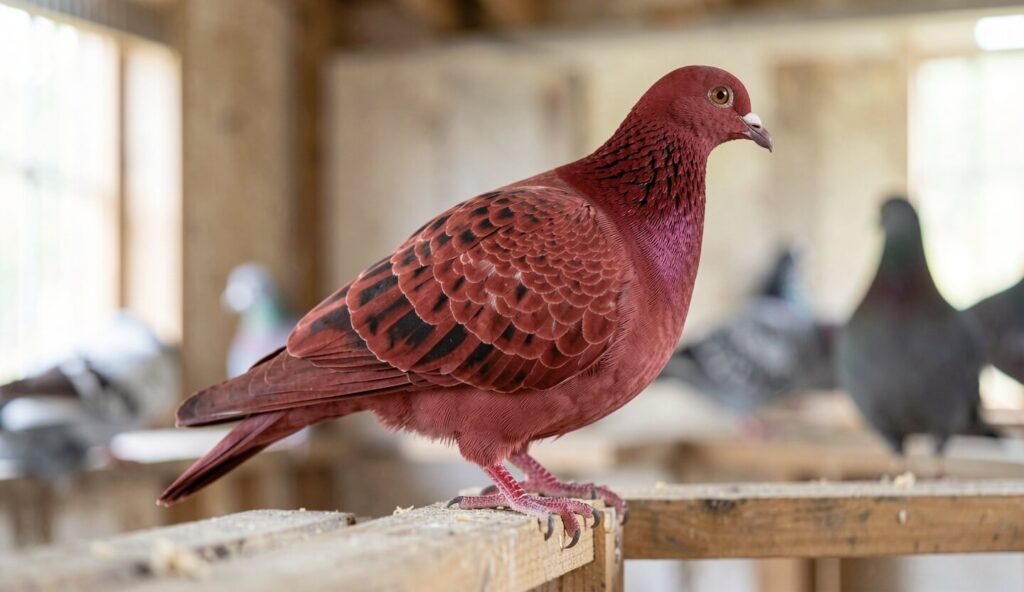
The modena pigeon colors are one of the breed’s most celebrated features. With over 100 recognized color patterns, fanciers can choose from self, barred, checkered, and grizzle varieties. Popular shades include red, yellow, blue, black, and dun, making each bird a living work of art.
Body Structure and Size
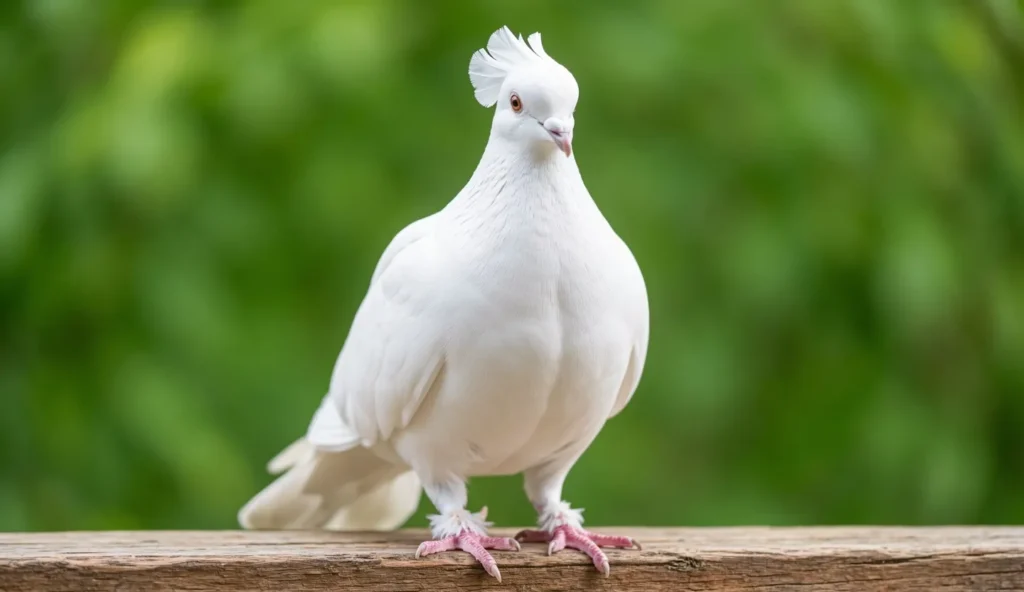
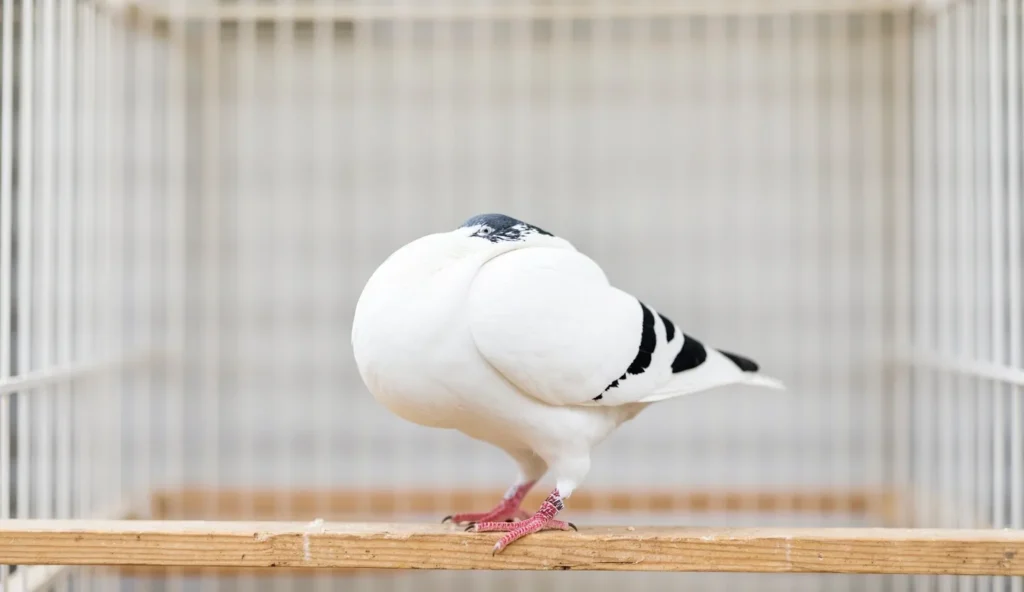
The body is compact and cobby with a broad chest, short thick neck, and rounded head. Small, tight feathers create a smooth silhouette. Weight typically ranges from 12 to 16 ounces (340–450 grams).
Color and Marking Standards
Wing markings carry significant weight in show judging. Patterns must have clean edges and correct distribution across the body. Some varieties, like the self pattern, require an even solid color, while barred and checkered types need precise symmetry.
Eye, Beak, and Leg Features
Eyes range from pearl to bull depending on the plumage color. The beak is short, stout, and flesh-colored. Legs are clean of feathers, short, and sturdy, with toenails matching the beak color.
Temperament and Disposition
The Modena pigeon has a calm and docile personality, making it easy to handle once acclimated. It is not as active as racing or utility breeds, which suits fanciers who prefer a display bird. However, territorial behavior can arise in small lofts without sufficient space.
General Behavior
These birds are gentle and respond well to routine handling. They form strong pair bonds and prefer quiet environments without sudden disturbances.
Social Interaction
Modena pigeons get along with other docile pigeon breeds in a mixed flock. Avoid placing them with aggressive types like the Dragoon pigeon, which may cause stress. Consistent handling helps maintain their calm demeanor.
Housing and Loft Requirements
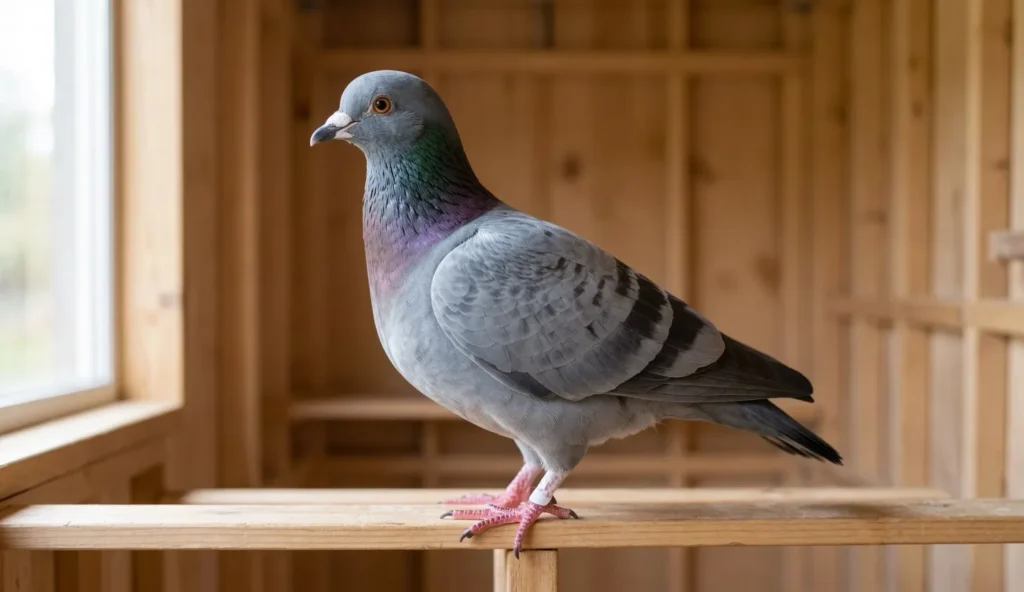
Proper modena pigeon care begins with a suitable loft. Provide a minimum of 2 cubic feet per bird, with multiple perches and nesting boxes. The space must be well-ventilated but draft-free to prevent respiratory issues.
Loft Size and Design
An easy-to-clean design is essential. Use removable trays or litter for quick spot cleaning. Ensure easy access for daily inspection and egg collection.
Temperature and Lighting
Modena pigeons tolerate moderate climates but need protection from extreme heat or cold. Natural daylight supplemented with full-spectrum lighting supports healthy feather condition. Keep the bedding dry and change it weekly.
Safety and Security
Secure the loft from predators such as rats, cats, and hawks using hardware cloth or welded wire. Lock doors and windows at night. Quarantine new birds for 30 days before introduction to prevent disease spread.
Diet and Nutrition
A balanced diet supports feather quality and overall health. A high-quality pigeon mix containing corn, wheat, barley, and peas forms the base. Include small seeds like millet and canary seed for variety.
Base Grain Mix
Provide grit and oyster shell for digestion and calcium. Fresh water must be available at all times. Avoid bread, salty snacks, or spoiled feed.
Supplements and Treats
Supplement vitamins and minerals during molt and breeding seasons. Offer occasional greens like lettuce or spinach. Adjust protein levels when preparing birds for show condition.
Grooming and Health Care
Regular grooming keeps the Modena pigeon in show-ready shape. Bathe birds weekly in shallow water or provide dust baths to maintain clean, glossy feathers. Check for mites and lice monthly.
Feather and Skin Care
Avoid overhandling during molt to prevent feather damage. Clean the loft frequently to reduce parasite loads. Inspect feet and beak for abnormalities.
Common Health Issues
Respiratory infections can occur from poor ventilation. Coccidiosis and worms result from unclean bedding. Egg binding may affect hens, and canker (trichomoniasis) spreads via shared water sources. The King pigeon is another breed prone to similar respiratory troubles.
Preventive Care
Change water daily and keep all surfaces dry. Schedule annual vet checkups with fecal tests. Quarantine new acquisitions for a full month.
Breeding and Show Standards
Breeding Modena pigeons requires selecting pairs based on color pattern and body shape. Use separate nesting boxes to avoid territorial fights. The incubation period lasts 17–19 days, and chicks fledge at 4–5 weeks.
Breeding Basics
Provide soft nesting material and a quiet environment. Monitor the hen for egg binding. Remove the male temporarily if aggression occurs.
Show Judging Criteria
Judges evaluate body shape, head proportions, beak length, and color pattern precision. Feather quality must be tight and smooth. The English Pouter shares similar standards for feather condition.
Is a Modena Pigeon Right for You
This breed suits fanciers who enjoy showing and breeding display-quality birds. Modena pigeons are not strong fliers and require consistent handling for show training. Color pattern genetics can be complex for beginners.
Ideal Owners
Hobbyists with a dedicated loft space and time for daily care will find the Modena pigeon rewarding. Those who appreciate calm, elegant birds with rich modena pigeon colors will enjoy this breed.
Considerations Before Getting One
Show-quality birds cost more, often between $50 and $200, with champion stock even higher. The Ice pigeon offers a different color palette for comparison. Ensure you have space for multiple pairs if breeding.
Frequently Asked Questions
How long do Modena pigeons live?
With proper care, Modena pigeons live 10 to 15 years. A clean loft and balanced diet extend longevity.
What colors are available in Modena pigeons?
Over 100 color patterns exist, including self, barred, checkered, and grizzle. Popular shades are red, yellow, blue, black, and dun.
Do Modena pigeons fly well?
They are not strong fliers due to their compact body shape. Best kept in a loft with limited free flight.
How do I start breeding Modena pigeons?
Select a healthy pair with desired color and conformation. Provide a quiet nesting box with proper nesting material.
Can Modena pigeons live with other pigeon breeds?
Yes, they get along with most docile breeds. Avoid mixing with aggressive or highly active types like the Birmingham Roller.
What is the cost of a show-quality Modena pigeon?
Prices range from $50 to $200 or more depending on lineage. Champion stock can be significantly higher.
Final Note
The Modena pigeon offers a rewarding experience for show pigeon fanciers who value elegance, color diversity, and a calm temperament. With dedicated care, these Italian beauties will thrive in any well-maintained loft.